Let's cut to the chase. If you're looking at a "Super Giant" leopard gecko, you're probably wondering just how massive this morph can get. Is it the size of a small cat? A banana? The truth is both impressive and more nuanced than many breeders let on. A full-grown Super Giant leopard gecko typically reaches a length of 10 to 12 inches (25 to 30 cm) from snout to tail tip and can weigh a hefty 100 to 130 grams, with some exceptional individuals pushing 150 grams. But here's the kicker: achieving that size isn't automatic, and caring for a gecko with this much body mass is fundamentally different from keeping a standard 60-gram pet.
In This Guide
How Big Do Super Giant Leopard Geckos Get?
Forget the vague promises. The "Super Giant" title isn't just marketing; it's a specific line bred for maximum size, originating from breeders like Ron Tremper. But "giant" in reptiles doesn't mean dog-sized. It means significantly larger than the wild-type ancestor.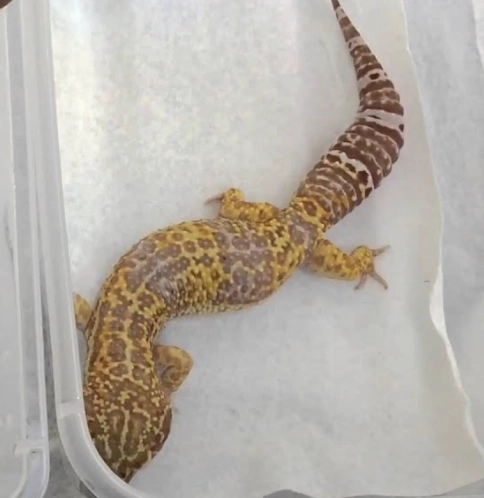
I've raised a few of these gentle giants over the years, and the most common mistake I see is owners disappointed their gecko "only" hit 10 inches. That's actually the sweet spot for a healthy Super Giant. Let's break down the numbers you can realistically expect.
Realistic Size and Weight Ranges
| Category | Length (Snout to Tail Tip) | Healthy Adult Weight |
|---|---|---|
| Standard Leopard Gecko | 7 - 9 inches (18 - 23 cm) | 45 - 70 grams |
| Giant Line | 9 - 10 inches (23 - 25 cm) | 70 - 90 grams |
| Super Giant Line | 10 - 12 inches (25 - 30 cm) | 90 - 130+ grams |
Weight is the real metric to watch. A long, skinny 12-inch gecko is less of a "Super Giant" than a robust, muscular 11-inch gecko weighing 120 grams. I always tell new owners: get a digital kitchen scale. Weighing your gecko monthly is more telling than any length measurement.
The Growth Timeline: From Hatchling to Behemoth
They don't start out giant. A Super Giant hatchling might be slightly longer at birth, but the real difference comes in their growth rate and ceiling.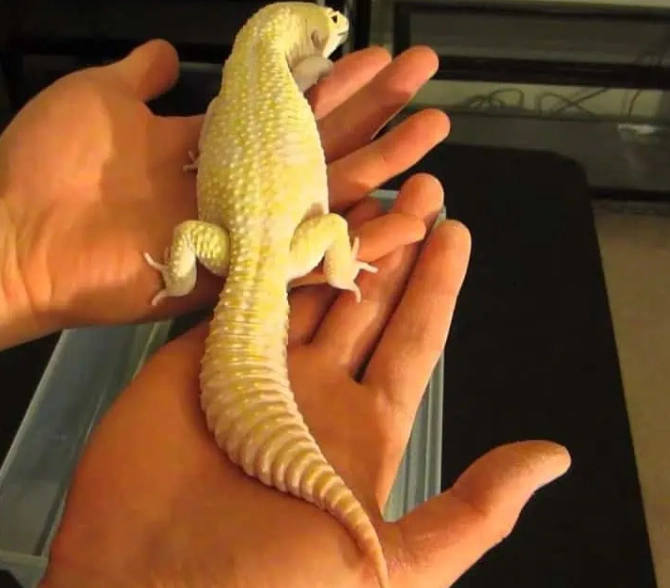
A standard leopard gecko often plateaus around 9-12 months. A Super Giant? Its growth can continue steadily for 18 to 24 months. They're like the slow-but-steady weightlifters of the gecko world, putting on solid mass over a longer period. Expect them to hit their full length around 1.5 years, but continue to fill out and gain weight for another half year.
Non-Consensus Viewpoint: Many care sheets claim genetics alone dictate final size. That's only half the story. I've seen genetically promising Super Giants stunted at 80 grams because they were fed a low-variety diet (just mealworms) in a cramped, cold enclosure. Genetics loads the gun, but husbandry pulls the trigger. A perfect genetic specimen with poor care will never reach its potential.
What Influences Their Final Size?
It's a mix of factors, some in your control, some not.
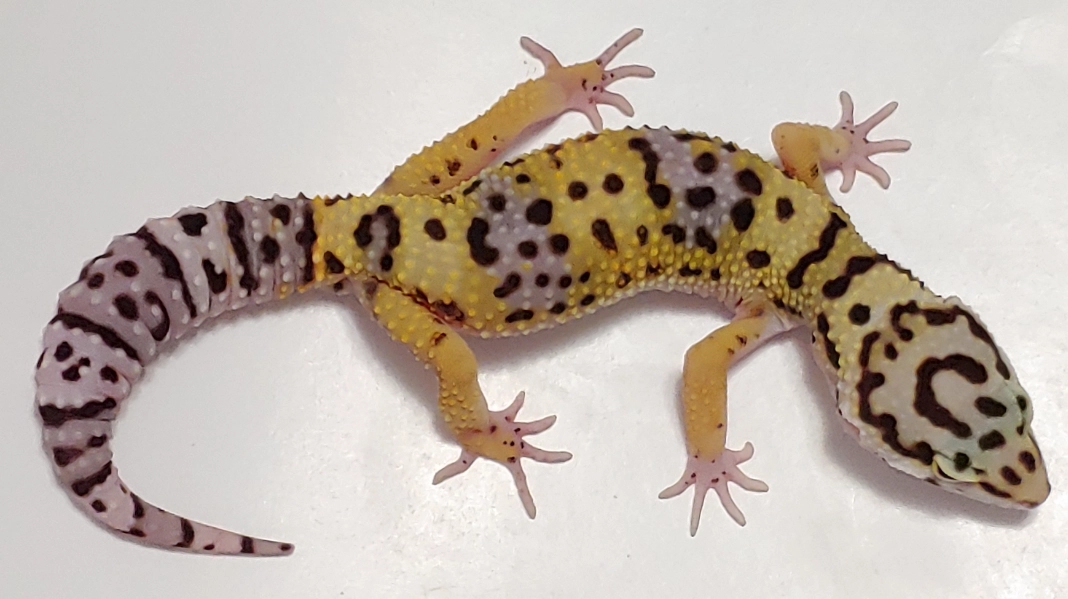
- Genetics (The Big One): You need a gecko from proven Super Giant lines. Ask the breeder for the parents' weights. If they can't provide that, be skeptical.
- Diet and Supplementation: This is where most owners fail. Super Giants need a highly varied diet (dubia roaches, crickets, different worms) dusted with high-quality calcium with D3 and a multivitamin. Their larger frames demand more nutritional building blocks.
- Enclosure Size and Temperature: A gecko in a 10-gallon tank won't grow as well as one in a proper 40-gallon breeder. Basking surface temperature is critical – a consistent 90-92°F (32-33°C) aids digestion and metabolism.
- Individual Health: Parasites, untreated injuries, or chronic stress from improper setup can halt growth.
How to Care for a Super Giant Leopard Gecko
Caring for a Super Giant isn't just "regular care, but more." It's a different philosophy. Their size changes everything about their habitat and upkeep. Think of it as the difference between keeping a compact car and a full-size SUV – the basic principles are similar, but the space and maintenance requirements scale up.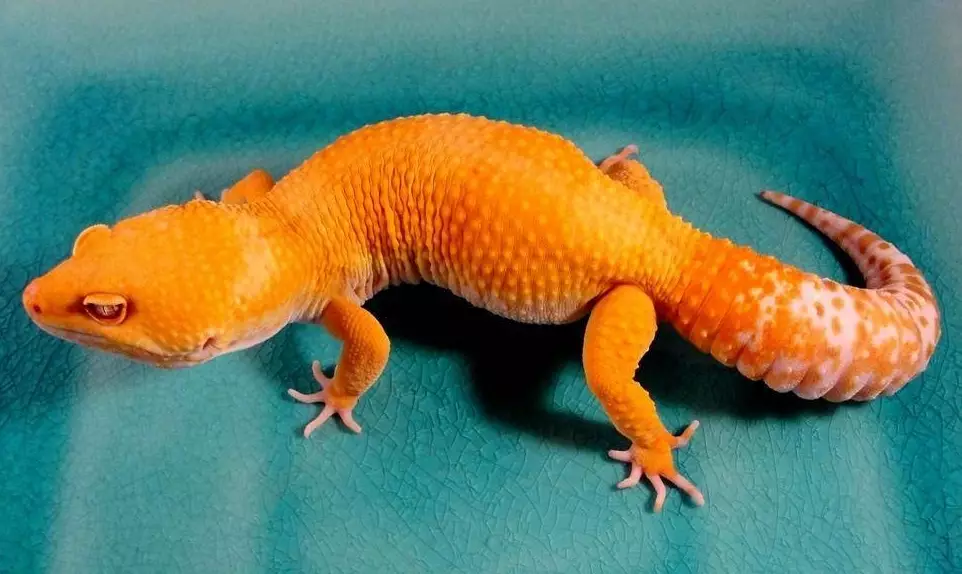
Tank Size: The Most Common Mistake
Here's my blunt advice: if you're planning to use a 20-gallon long tank, get a standard gecko instead. A Super Giant needs room to patrol, explore, and thermoregulate effectively.
Minimum Enclosure Size: 36" x 18" x 18" (40-gallon breeder tank). This is non-negotiable for an adult.
Ideal Enclosure Size: 48" x 24" x 24" or larger. This provides a true gradient and enrichment space. Front-opening enclosures are best for reducing stress during maintenance.
I learned this the hard way. My first Super Giant, "Tank," lived in what I thought was a spacious 30-gallon. He became lethargic and lost his appetite. Within two weeks of upgrading him to a 4x2x2 foot PVC enclosure, he was a new gecko – active, hungry, and visibly more confident. The space itself was a catalyst for better health.
Diet Adjustments for Massive Geckos
You can't feed a 120-gram gecko the same way you feed a 60-gram gecko. Their insect prey should be appropriately sized, but more importantly, feeding frequency changes as adults.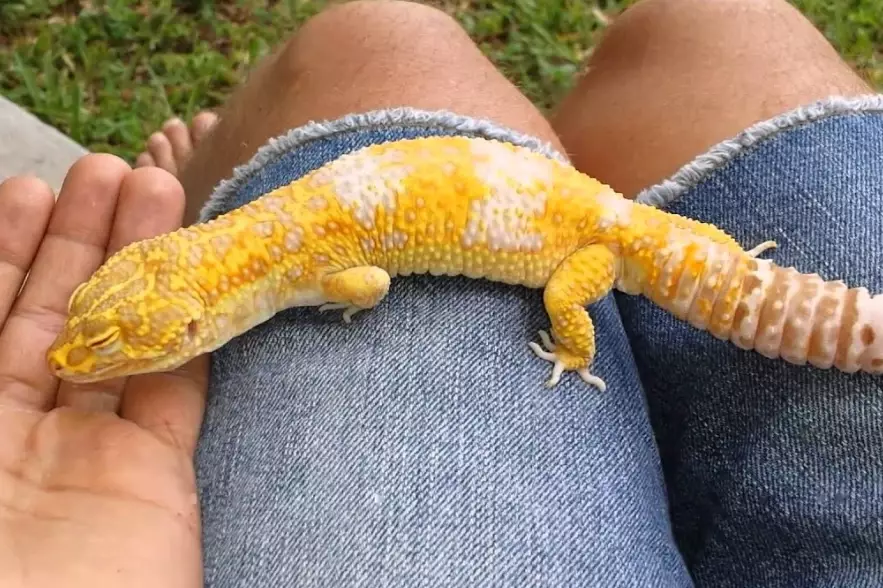
While a standard adult gecko might eat 8-10 large crickets twice a week, a mature Super Giant might need 12-15 large dubia roaches or equivalent, still on a 2-3 times per week schedule. The goal is to maintain a robust, slightly rounded body condition, not to create an obese animal. You should be able to see the base of the tail where it meets the body; the tail itself should be plump but not bulbous.
Supplementation is critical. I use and recommend a plain calcium powder in a dedicated dish at all times, a calcium-with-D3 powder for 2 feedings per week, and a high-quality multivitamin (like Repashy Supervite or Herptivite) for 1 feeding per week. For Super Giants, skimping on vitamins can lead to subtle health issues that standard geckos might shrug off.
Health Monitoring: Weight is Your Best Friend
Get that digital scale. Log the weight monthly. A sudden drop of 10% of body weight is a major red flag and warrants a vet visit. Super Giants, due to their selective breeding, can be slightly more prone to joint issues if overweight, so monitoring their condition is part of responsible ownership.
Provide multiple, sturdy hides (warm, cool, and humid). The humid hide is especially important for clean, complete sheds. A large gecko struggling with stuck shed is a serious situation.
Super Giants vs. Regular Leopard Geckos: Key Differences
It's not just a matter of scale. The differences affect cost, commitment, and daily care.
| Aspect | Regular Leopard Gecko | Super Giant Leopard Gecko |
|---|---|---|
| Initial Cost | $40 - $100 | $150 - $400+ |
| Adult Enclosure | 20-gallon long (min) | 40-gallon breeder (min) |
| Food Budget | Moderate | Significantly Higher |
| Handling Feel | Light, delicate | Substantial, robust |
| Growth Period | 9-12 months | 18-24 months |
| Common Goal | Pet ownership | Pet ownership + "Display Animal" |
The handling experience is what surprises most people. A Super Giant feels like a real animal in your hand – solid, calm, and less fragile. This often makes them fantastic for experienced owners who enjoy interactive pets. However, their larger size means any fall or injury is potentially more severe, so supervision is key.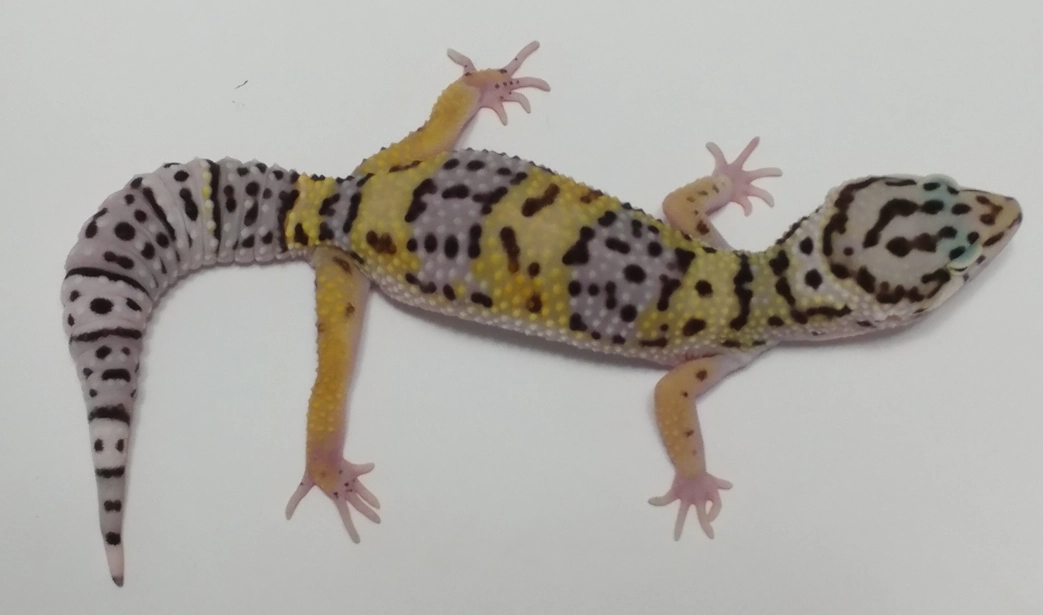
Resources like Reptiles Magazine often discuss morph ethics, and the Super Giant is a classic example of a morph bred for a specific trait (size) that directly impacts its care requirements. It's a responsibility to take seriously.
Your Super Giant Size Questions Answered
Honestly, the fascination with Super Giants is understandable. They're impressive animals. But the commitment is proportional to their size. It's not just a cooler pet; it's a pet that needs more space, more food, and more informed care. If you're ready for that, a Super Giant leopard gecko is an incredibly rewarding companion whose substantial presence is a daily joy. If not, a standard or Giant morph will bring you just as much happiness with a slightly simpler setup. The choice comes down to your willingness to scale up your husbandry for a truly giant experience.
Reader Comments