If you're asking "What is a fat-tailed gecko?", you're likely looking at a picture of a charming, stout little lizard with a tail that looks like it's storing a secret snack. You're spot on. The African fat-tailed gecko (Hemitheconyx caudicinctus) is a ground-dwelling, nocturnal-to-crepuscular lizard from West Africa, and over the last two decades, it's quietly become one of the most recommended pet geckos for beginners and experienced keepers alike. I've kept them for over ten years, and while everyone gushes about leopard geckos, I often find myself steering people toward fat-tails. They have a certain calm, almost deliberate demeanor that's incredibly rewarding. But let's cut past the generic pet store care sheet. Here's everything you actually need to know, including the subtle mistakes most new owners make in the first six months.
What You'll Find Inside
- What Exactly Is a Fat-Tailed Gecko?
- Fat-Tailed Gecko Personality and Temperament
- Fat-Tailed Gecko vs. Leopard Gecko: A Side-by-Side Comparison
- How to Set Up the Perfect Fat-Tailed Gecko Enclosure
- What Do Fat-Tailed Geckos Eat?
- Common Fat-Tailed Gecko Health Issues
- Breeding Fat-Tailed Geckos
- Frequently Asked Questions (FAQ)
What Exactly Is a Fat-Tailed Gecko?
The African fat-tailed gecko is often the quieter cousin in the pet trade conversation, overshadowed by the ubiquitous leopard gecko. That's a shame. Native to the savannahs and scrublands of West Africa, from Senegal to Cameroon, these geckos have evolved to be survivors in a land of wet and dry seasons. Their most famous feature, the plump tail, isn't just for show. It's a lipid storage organ. In the wild, when food is scarce during the dry season, they live off the fat reserves in that tail. A healthy, well-fed fat-tail will have a tail nearly as wide as its body. A thin tail is your first visual cue that something is wrong.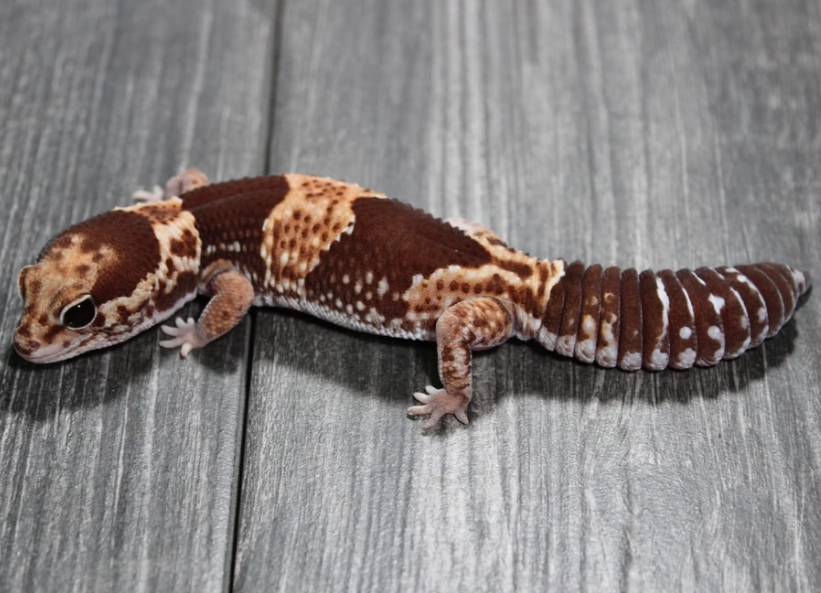
They're typically 7 to 9 inches long, with a lifespan of 15-20 years in captivity with proper care (commitment is key!). Their coloration in the wild is less flashy than some reptiles—usually alternating bands of brown and tan/cream. But captive breeding has produced some stunning morphs, like striped, albino, and patternless varieties. They lack the sticky toe pads of arboreal geckos like cresties, but they are proficient diggers and climbers of low rocks and logs.
Quick Taxonomy: Kingdom: Animalia | Phylum: Chordata | Class: Reptilia | Order: Squamata | Family: Eublepharidae | Genus: Hemitheconyx | Species: H. caudicinctus. Being in the Eublepharidae family means they have movable eyelids and lack adhesive toe pads, just like their cousin, the leopard gecko.
Fat-Tailed Gecko Personality and Temperament
This is where they truly shine. I describe their temperament as "placid." They are generally slower-moving and less skittish than a juvenile leopard gecko. They're curious but not frantic. I've had individuals that would calmly walk onto my hand during enclosure maintenance without a second thought. This isn't universal—some are shyer—but the baseline is calm.
They are primarily crepuscular and nocturnal. Don't expect daytime activity. Your interaction will be in the evening. A common mistake is interpreting their daytime hiding as stress or illness. It's normal. They feel secure in tight, dark spaces. Providing multiple proper hides is non-negotiable for their well-being.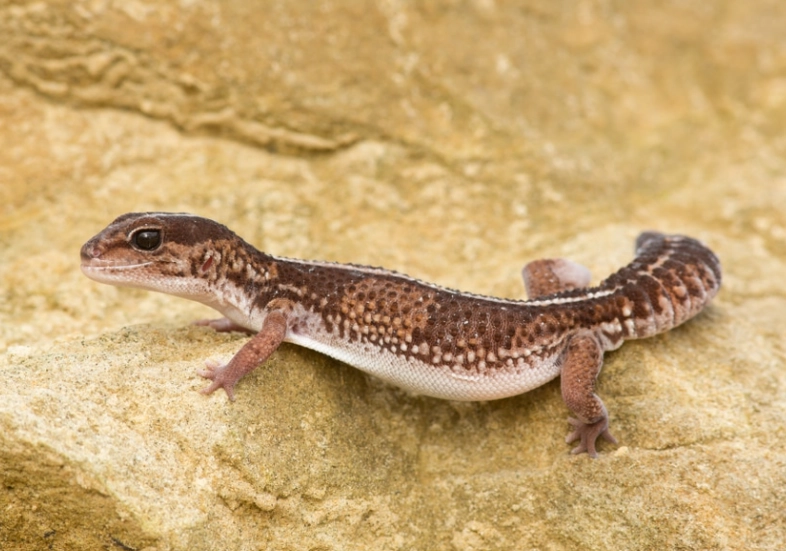
Lifespan and Commitment
Think 15-20 years. I mention this first because it's the most overlooked part of reptile ownership. This isn't a hamster. Getting a fat-tailed gecko is a long-term commitment that may span major life changes. Their longevity, when paired with their generally low-maintenance care (once set up), is a huge plus for stable households.
Fat-Tailed Gecko vs. Leopard Gecko: A Side-by-Side Comparison
Everyone wants to know how they stack up against the leopard gecko. It's a fair question. Here’s a breakdown from my experience keeping both.
| Feature | African Fat-Tailed Gecko | Leopard Gecko |
|---|---|---|
| Native Habitat | West African savannahs (more humid) | Arid deserts of Asia (drier) |
| Temperament | Generally more placid, slower-moving | Often more active, can be skittish as juveniles |
| Humidity Requirement | Higher (50-70%), needs a humid hide at all times | Lower (30-40%), humid hide mainly for shedding |
| Tail Function | Significant fat storage, primary health indicator | Fat storage, but can autotomize (drop) as defense |
| Color Morph Variety | Fewer, but growing (Albino, Striped, etc.) | Extremely high (Mack Snow, Blizzard, Enigma, etc.) |
| Beginner Friendliness | Excellent, but humidity management is a key skill | Excellent, often cited as the #1 beginner gecko |
The main takeaway? If you live in a naturally humid climate or struggle to keep humidity down in a terrarium, a leopard gecko might be easier. If you're drawn to a calmer personality and don't mind monitoring a hygrometer, the fat-tail is a phenomenal choice. I often recommend fat-tails for families with calm children because of their temperament.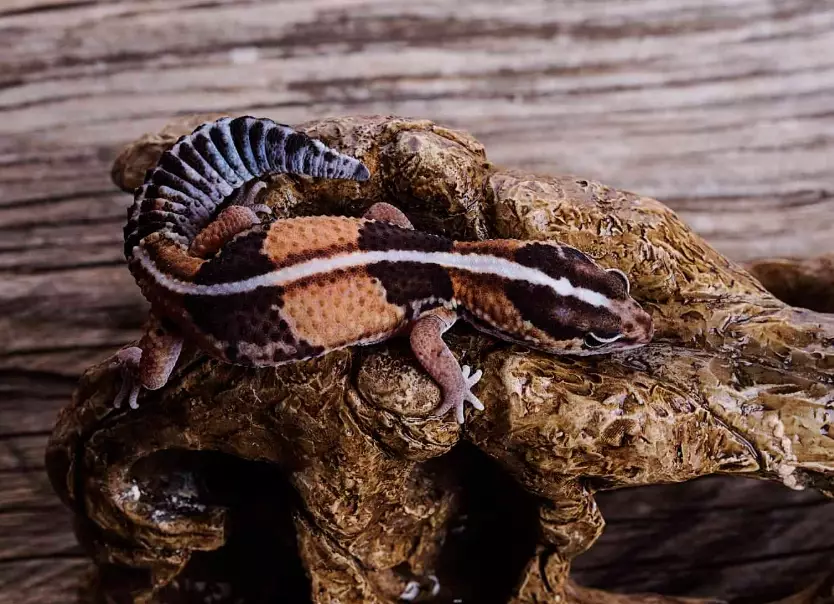
How to Set Up the Perfect Fat-Tailed Gecko Enclosure
Getting the habitat right solves 80% of potential health problems. This is where I see the most half-measures. A 10-gallon tank for an adult? It's bare minimum and cramped. Let's do better.
Tank Size and Type
For a single adult, start with a 20-gallon long (30" x 12" x 12") as the minimum. A 40-gallon breeder (36" x 18" x 16") is ideal, giving them space to explore, dig, and establish distinct temperature zones. Front-opening enclosures are fantastic for reducing stress during interaction. Screen tops are fine, but you'll need to cover part of it to retain humidity.
Heating and Temperature
They need a heat gradient. No guessing.
- Warm Side: 88-90°F (31-32°C) on the ground surface under the heat source.
- Cool Side: 75-80°F (24-27°C).
- Nighttime Drop: Can go down to 70-75°F (21-24°C).
Use an under-tank heater (UTH) connected to a thermostat. This is non-negotiable for belly heat, which aids digestion. A low-wattage ceramic heat emitter or deep heat projector on a thermostat can supplement if your room is cool. Never use heat rocks. They cause horrific burns. Stick-on thermometers are useless. You need a digital thermometer/hygrometer with probes, one on the warm end, one on the cool end.
Lighting and Substrate (The Controversial Bits)
They don't require UVB if they're properly supplemented with D3, but low-level UVB (like a ShadeDweller 7% kit) is increasingly considered beneficial for their long-term health, aiding calcium metabolism and overall well-being. A simple, low-output LED light on a 12-hour timer can provide a day/night cycle without raising heat.
Substrate debates are endless. For beginners, paper towel is safest. For a more natural, enriching setup, a deep layer of a moisture-retaining soil/sand mix is excellent. I use a 70:30 mix of organic topsoil (sifted) and play sand. It holds burrows and helps with humidity. The key is it must be kept dry on the surface except in the humid hide. Loose substrate is not dangerous if your temperatures and nutrition are correct; impaction happens when a gecko is cold and/or malnourished and eats substrate out of desperation.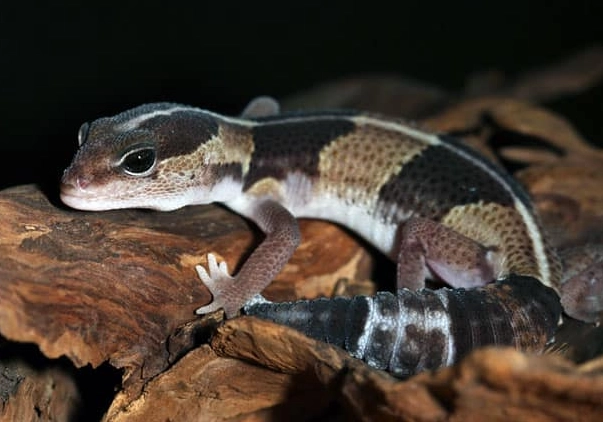
Humidity: The Critical Factor
This is the #1 mistake area. They need 50-70% ambient humidity. You achieve this by:
- Using a substrate that holds moisture (like the soil mix).
- Having a large, enclosed humid hide packed with damp sphagnum moss or paper towel. This hide should be on the WARM side of the tank. The heat evaporates the water, creating a sauna. This is essential for perfect sheds.
- Lightly misting the enclosure (especially the cool side and humid hide) in the evening.
- Using a digital hygrometer. Don't guess.
Watch Out: High humidity + poor ventilation = respiratory infection. Ensure there is some air flow. A screen top with half of it covered by glass or acrylic is a good method. The goal is humid air, not a wet, stagnant environment.
Hides and Decor
Think security. Minimum of three hides: one warm dry hide, one warm humid hide, one cool dry hide. Add clutter: cork flats, PVC pipes, fake plants. It makes them feel safe to move around. A shallow water dish (changed daily) completes the setup.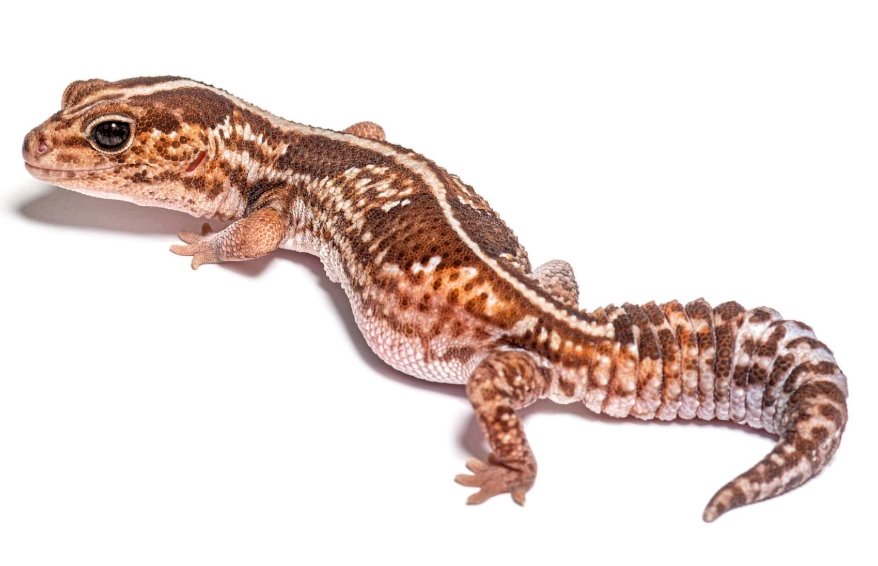
What Do Fat-Tailed Geckos Eat?
They are insectivores. Their diet in captivity is simple but requires variety for nutrition.
Staple Feeders: Crickets, dubia roaches, discoid roaches, and black soldier fly larvae are excellent staples. Mealworms and superworms can be fed occasionally but are higher in fat and chitin.
Feeding Schedule:
- Juveniles (0-6 months): Daily, as many appropriately-sized insects as they'll eat in 10 minutes. Size: insects no wider than the space between the gecko's eyes.
- Sub-Adults (6-12 months): Every other day.
- Adults (12+ months): Every 2-3 days. 4-6 appropriately sized insects per feeding. Watch their tail. If it's plumping up, you're on track. If it's thinning, feed more. If they're getting round everywhere but the tail, feed less.
Supplementation is NOT optional. Every insect must be lightly dusted. I use a three-supplement system:
- Calcium WITHOUT D3: Light dusting on most feedings (if using UVB).
- Calcium WITH D3: Light dusting once a week (or if no UVB is provided).
- A high-quality multivitamin: (containing vitamin A) once a week.
Gut-load your feeder insects with nutritious veggies (carrots, squash, leafy greens) 24-48 hours before feeding.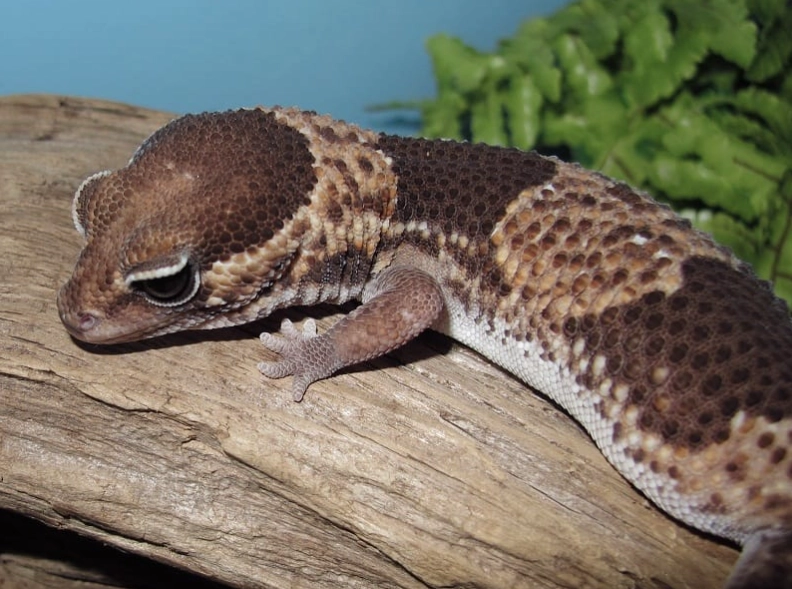
Common Fat-Tailed Gecko Health Issues
Most health issues are preventable with proper setup.
- Stuck Shed: Almost always due to incorrect humidity. Ensure the humid hide is truly humid and warm. For stuck toe shed, a shallow warm bath and gentle rolling with a Q-tip can help.
- Metabolic Bone Disease (MBD): Caused by lack of calcium or improper UVB. Symptoms include rubbery jaw, bowed legs, tremors. Prevent with proper supplementation.
- Respiratory Infection (RI): Symptoms: wheezing, mucus around nostrils, lethargy. Caused by low temperatures and/or excessive dampness without ventilation.
- Parasites: Can cause weight loss, runny stools. A fecal exam by an exotics vet is wise for any new gecko.
- Tail Loss: Unlike leopard geckos, fat-tails can drop their tails, but it's less common and a sign of extreme stress. The regrown tail will be a smooth, bulbous shape, not the original segmented look.
Find a vet experienced with reptiles before you have an emergency. The Association of Reptilian and Amphibian Veterinarians (ARAV) has a locator on their website.
Breeding Fat-Tailed Geckos
This is an advanced topic, but many want to know. It requires healthy, mature adults (over 45 grams, at least 18 months old), a cooling period (brumation) to simulate West African seasons, and careful incubation of eggs. Eggs are temperature-sex dependent, much like leopard geckos. Incubating at 80°F (26.7°C) produces a mix of males and females, while 90°F (32.2°C) produces mostly females. Do not breed geckos unless you are prepared to house and care for all offspring for their entire lives or have verified, responsible homes lined up.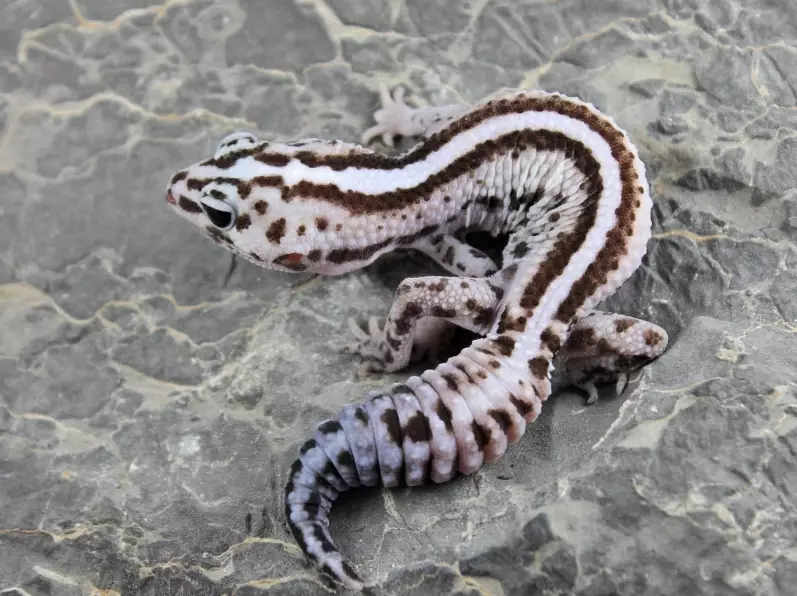
Frequently Asked Questions (FAQ)
Yes, they are among the best. Their calm temperament, manageable size, and straightforward insect diet make them suitable. The main learning curve is managing humidity accurately, which is a good foundational skill for any reptile keeper. I'd rank them just slightly behind leopard geckos only because leopard gecko care information is even more ubiquitous.
Look for persistent hiding during their active hours (evening), refusing food for extended periods (not to be confused with occasional fasting), a constantly thin tail despite good feeding, and frantic attempts to escape the enclosure. Stress often stems from incorrect temperatures, lack of secure hides, or too much open space. A stressed gecko is more prone to illness.
It's a major risk I advise against, especially for beginners. They are solitary in the wild. Cohabitation, even two females, often leads to competition for resources, stress, and one gecko dominating the food and heat sources, leading to the other's decline. Males will fight violently. The only possible scenario is a very large, meticulously designed enclosure (think 75+ gallons) with multiple complete heat/humidity zones and feeding stations for a female-only group, but the risk rarely outweighs the benefit. Start with one.
First, check your temperatures. The #1 reason for appetite loss is a belly that's too cold to digest. Ensure the warm hide floor is 88-90°F. Second, are you breeding season? Adult males often go off food for weeks during this time. Third, try a different feeder insect—sometimes they get bored. If temperatures are correct and the hunger strike lasts more than two weeks, or if the tail is visibly thinning, consult a reptile vet to rule out parasites or impaction.
This is a classic debate. Crested geckos are arboreal (need tall tanks), eat a powdered fruit-based diet (simpler for some), and can drop their tails permanently. Fat-tailed geckos are terrestrial (need long tanks), eat live insects, and are generally calmer to handle. If you dislike dealing with live insects, get a crested gecko. If you prefer a ground-dwelling, handleable lizard with a classic gecko look and don't mind crickets, the fat-tail wins.
Reader Comments