Let's talk about feeding your California kingsnake. It's not just about tossing a mouse in the tank. Getting the diet right is the single most important thing you'll do for your snake's health and longevity. A proper California kingsnake diet prevents obesity, avoids nutritional deficiencies, and keeps their famous feeding response sharp and healthy. I've seen too many snakes develop health issues from well-meaning but misguided feeding routines. This guide cuts through the noise and gives you the straight facts, backed by experience and herpetological best practices.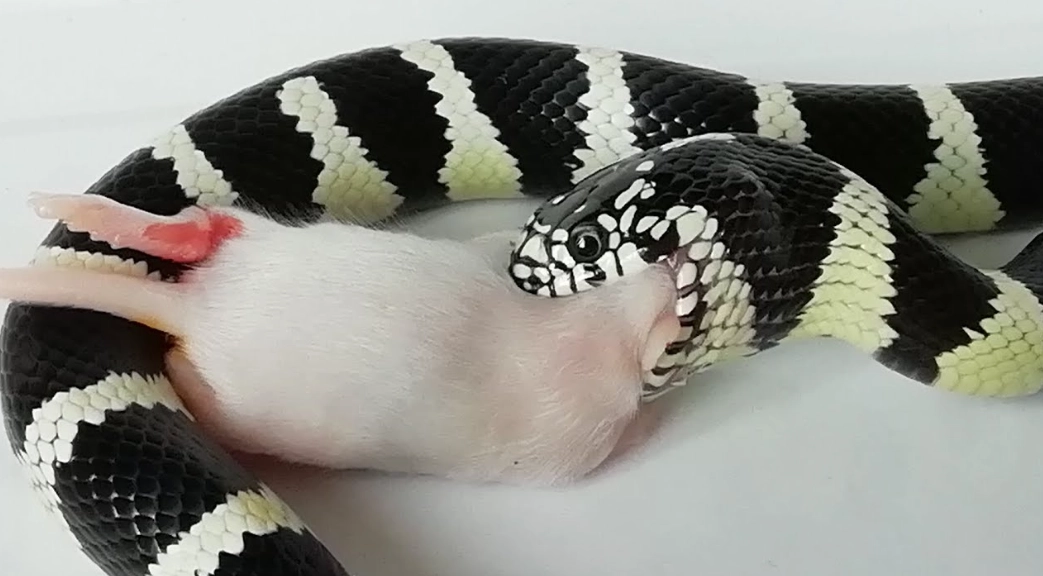
What's Inside This Guide?
What's on the Menu? Prey Options Explained
California kingsnakes are opportunistic carnivores. In the wild, their diet is famously varied, including rodents, lizards, birds, and even other snakes (including rattlesnakes, thanks to their immunity to venom). In captivity, we need to provide a safe, controlled version of this.
The Staple: Frozen/Thawed Rodents
This should be 95% of your snake's diet. It's convenient, safe, and nutritionally complete.
- Mice: The perfect staple for most of their life. Start with pinkies for hatchlings.
- Rats: For larger adult kingsnakes, small rats are more appropriate than jumbo mice. They have a better bone-to-meat ratio.
Here’s a quick reference for sizing prey. The golden rule: the prey item should be no wider than the widest part of your snake's body.
| Snake Size (Approx. Length) | Recommended Prey Type | Notes |
|---|---|---|
| Hatchling (10-15 inches) | Fuzzy or Hopper Mouse | May start on pinkies for the first few meals. |
| Juvenile (15-30 inches) | Adult Mouse or Weaned Rat | This is a rapid growth phase. |
| Adult (3-4 feet) | Large Adult Mouse or Small Rat | Monitor body condition closely to avoid overfeeding. |
| Large Adult (4+ feet) | Medium Rat | Not all Cal kings need this size. Many do fine on small rats. |
Dietary Variety: The Occasional Treat
Can you offer other things? Sure, as a rare treat. Think once or twice a year.
- Quail chicks or day-old chicks: A good source of variety. Ensure they are from a reputable source like a feeder supplier.
- What about other reptiles or amphibians? Just don't. It's a disease risk (e.g., crypto sporidium) and is completely unnecessary. The "they eat them in the wild" logic is flawed for captive care.
A study published in the Journal of Herpetological Medicine and Surgery consistently shows that a rodent-based diet meets all nutritional requirements for colubrid snakes like kingsnakes. Variety is for our peace of mind, not their necessity.
How Often to Feed: The Golden Schedule
This is where most people mess up, usually by feeding too often. Kingsnakes have efficient metabolisms and are prone to obesity.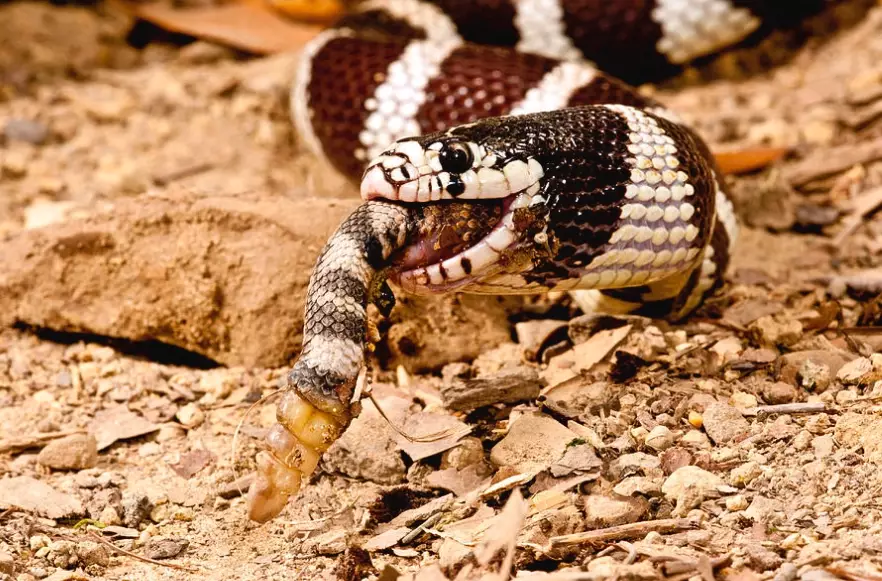
Hatchlings (0-1 year): Every 5-7 days. They need consistent energy for growth.
Juveniles (1-3 years): Every 7-10 days. Growth is slowing.
Adults (3+ years): Every 10-14 days. This is critical. An adult California kingsnake does not need a weekly meal. I feed my healthy adults one appropriately sized rat every 12 days, and they maintain perfect, muscular body condition.
The 3 Most Common Feeding Mistakes (And How to Avoid Them)
After years in reptile communities, I see these patterns constantly.
1. Power Feeding for Faster Growth
Some breeders feed hatchlings every 3-4 days to get them to sale size faster. This stresses the liver and kidneys, leads to fatty liver disease, and can shorten the snake's life. Let them grow at a natural pace. A healthy snake is better than a fast-growing one.
2. Feeding by "The Look" Instead of Weight
You see your snake cruising the enclosure and think "he's hunting, he must be hungry." Often, they're just exploring. Stick to the schedule based on age. Activity is not a reliable hunger indicator.
3. The "One More for Good Measure" Mentality
Offering a second mouse because the first seemed small, or because your snake still seems interested. Kingsnakes are famous for their feeding response—they often always seem interested. Overfeeding is the root of most health problems in captive snakes. Resist the urge.
My Snake Won't Eat: Step-by-Step Troubleshooting
Refusal is stressful. Don't panic. An adult snake can go months without food. Follow this logical sequence before worrying.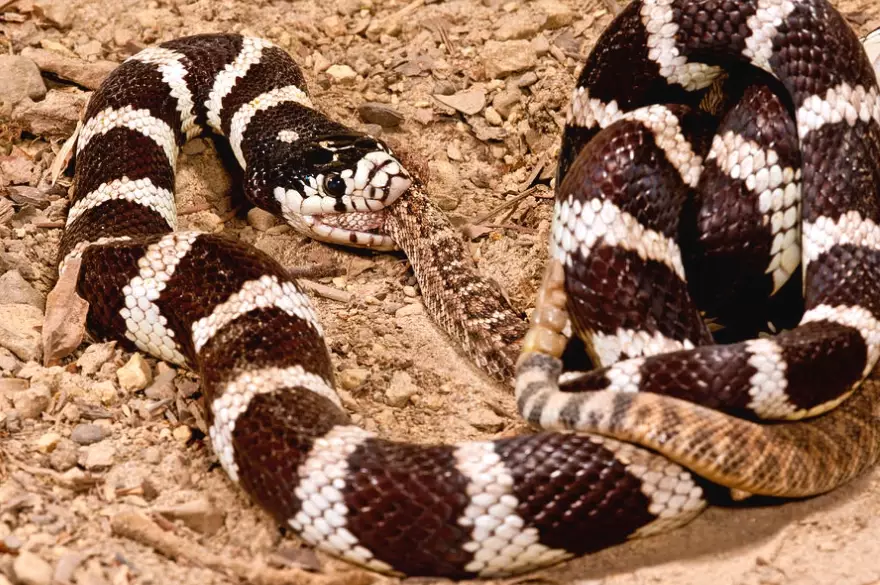
Step 1: Check Husbandry. Is the temperature gradient correct (75-80°F cool side, 85-88°F warm side)? Is the hide secure? Stress from incorrect temps or feeling exposed is the #1 cause of refusal. A digital thermometer/hygrometer is non-negotiable.
Step 2: Review Your Timing. Is the snake in blue (pre-shed)? Most will refuse. Wait until the shed is complete. Is it winter? Some snakes, even without brumation, slow down. It's okay to extend the interval.
Step 3: Assess the Prey. Is it fully thawed and warm? I thaw overnight in the fridge, then warm the prey in a plastic bag placed in hot water for 10-15 minutes. Test the temperature on your wrist—it should feel warm, not hot. A common mistake is not warming the head/braincase enough, which is where the snake targets its heat-sensing.
Step 4: Try Different Presentation. Use tongs to offer with a slight, slow jiggle. Try offering at dusk or night. For a stubborn hatchling, try braining (puncturing the skull) or scenting with a lizard shed (available from some suppliers).
Step 5: When to Intervene. If a hatchling refuses 4+ meals, or an adult loses significant body condition (spine becomes prominent), consult a reptile veterinarian. Rule out parasites or other illness. Don't start force-feeding without veterinary guidance.
Your California Kingsnake Diet Questions Answered
My adult California kingsnake seems to lose interest in rats but takes mice. Should I switch back?
This is a preference issue, not a health one. Mice are perfectly fine as a staple for most California kingsnakes their entire lives. If your snake strongly prefers mice, stick with them. Just ensure you're offering an appropriately sized adult mouse (or multiple if your snake is very large) on the adult feeding schedule. The notion that rats are "required" for adults is a myth. Nutritional content is similar.
Can I feed my California kingsnake raw chicken or beef from the grocery store?
Absolutely not. This is a terrible idea. Muscle meat alone lacks the complete calcium-to-phosphorus balance and the organ content (bones, fur, viscera) that a whole rodent provides. Feeding raw meat leads to severe nutritional deficiencies, particularly metabolic bone disease. It's also not part of their natural diet. Whole prey is the only correct option.
 How do I know if I'm feeding too much or too little?
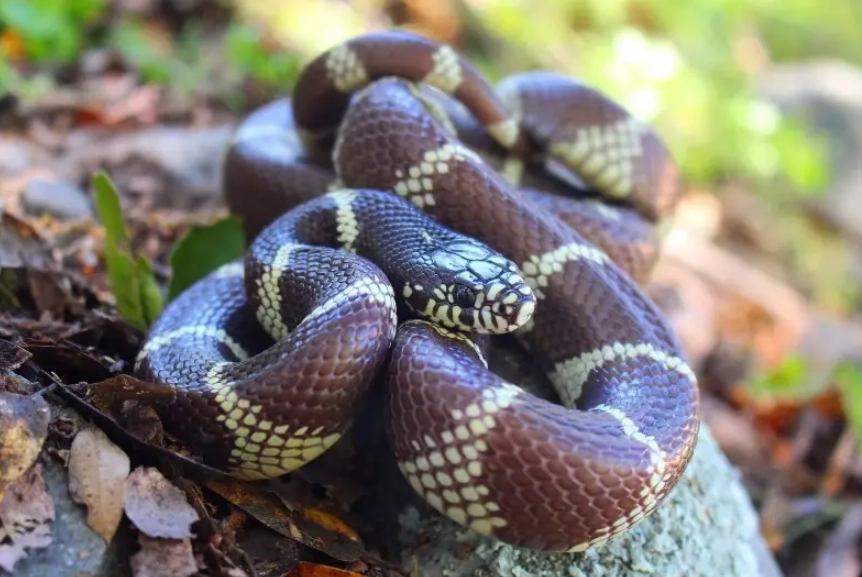
Look at the body shape between feedings, right before the next meal is due. The ideal body condition is a smooth, rounded triangle. You should be able to see the spine as a raised ridge, but it shouldn't be sharp or prominent. The sides should taper gently from the spine. If the snake looks like a stuffed sausage with no visible spine and the skin is stretched tight, you're overfeeding. If the spine is a sharp ridge and the body looks sunken, you're underfeeding. Take a photo monthly to track changes.
Is it okay to handle my snake right after it eats?
No. Give them a minimum of 48 hours of complete, undisturbed rest after a meal. Handling can cause stress and regurgitation, which is traumatic and sets back their feeding schedule by weeks. The only exception is a very brief, necessary enclosure cleaning if they've made a mess. Otherwise, hands off. I mark my calendar to avoid accidental handling.
My snake regurgitated its meal. What do I do next?
First, don't re-offer the food. Regurgitation is serious. The most common causes are handling too soon after feeding, the prey being too large, or temperatures being too low for proper digestion. Check your husbandry thoroughly—especially warm side temps. Wait two full weeks before offering food again. When you do, offer a meal that is one size smaller than the one regurgitated. The snake needs time for its gut flora to recover. If it happens again, a vet visit is essential to rule out infection or blockage.
Reader Comments