Let's cut to the chase. If you're holding your California kingsnake and wondering, "What if it bites me?" the short answer is: it's more startling than painful. Think of a quick pinch from a stapler or a couple of tiny, sharp pins. It's not pleasant, but for most adults, it's far from a serious injury. The real "pain" often comes from the surprise and the adrenaline rush, not the physical sensation itself. I've kept kingsnakes for over a decade, and the few times I've been tagged, my heart raced more than my finger hurt. This article isn't just about the pain scale; it's about understanding why they bite, how to avoid it, and what to do if it happens, so you can handle your pet with confidence.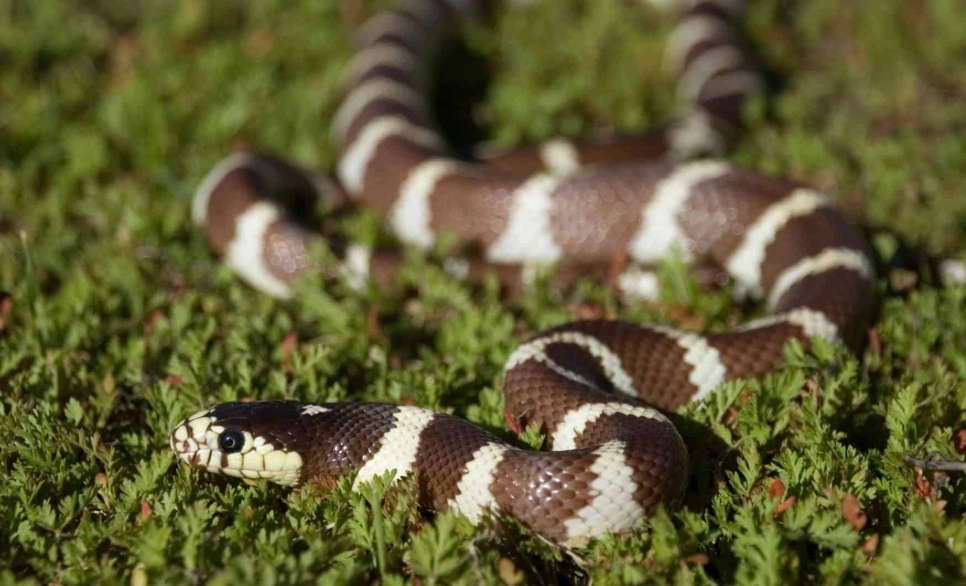
What You'll Find in This Guide
The Real Pain Scale of a Kingsnake Bite
Describing pain is subjective, but we can use common references. A California kingsnake's bite is typically a brief, sharp puncture. They have small, rear-facing teeth designed to grip slippery prey like lizards and other snakes, not to tear flesh.
Most owners and herpetologists compare it to:
- A paper cut or a cat scratch: The initial sting is similar, but it fades much faster.
- Being pricked by several pins at once: You'll feel distinct pinpricks where each tooth connects.
- A mild staple from a stapler: This is probably the most accurate analogy for the quick pinch-and-release.
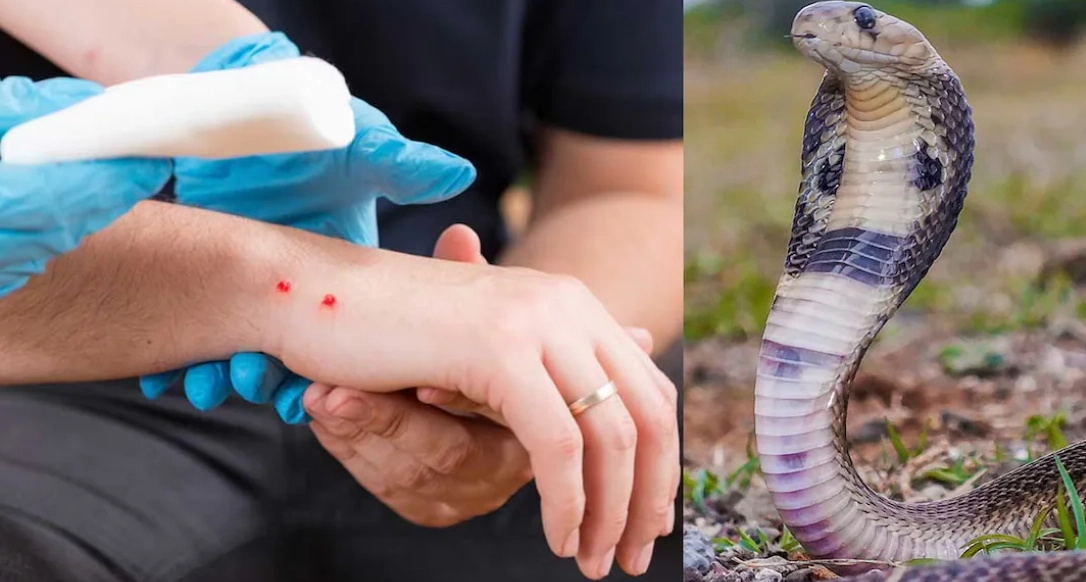
Bleeding is usually minimal—just a few tiny droplets of blood from the puncture sites. The whole event is over in seconds. The snake usually lets go immediately out of shock (they bit you, a giant, by mistake). The lingering sensation is more of a mild, tender irritation for an hour or so, like any small break in the skin.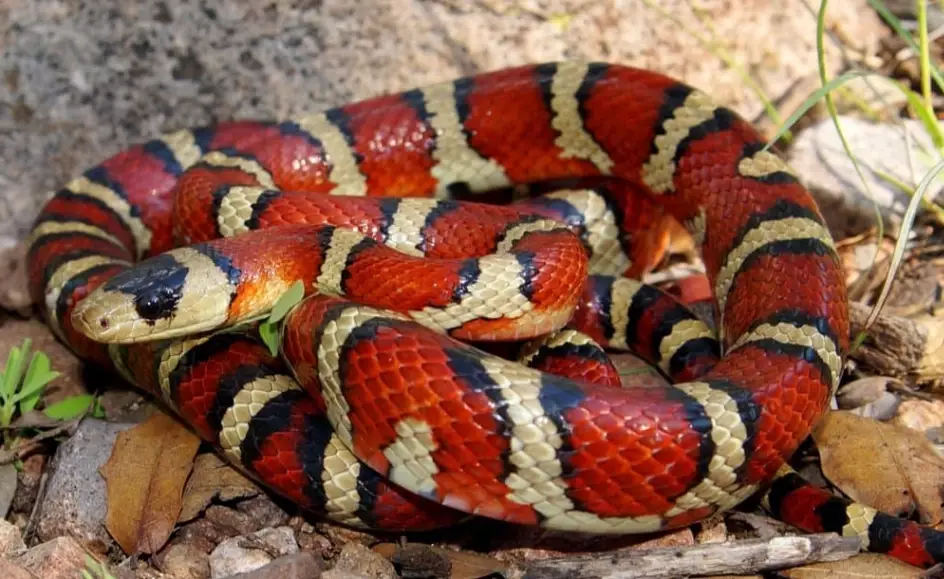
Key Point: The psychological reaction—the jump, the "oh no!"—is almost always worse than the physical pain. A common mistake new keepers make is jerking their hand away violently, which can harm the snake's teeth. Staying calm is the first and most important skill.
How It Compares to Other Common Pet Bites
Context helps. A nip from a puppy or kitten, with their needle-sharp baby teeth, is often more painful and damaging than a kingsnake bite. A hamster or gerbil bite can deliver a surprisingly strong, crushing pinch that hurts more and longer. The kingsnake's bite is on the very low end of the scale for pet-related injuries.
Why Would a California Kingsnake Bite You?
Kingsnakes are not aggressive. They are famously docile, which is why they're top recommendations for beginner snakes. A bite is almost always a defensive reaction or a feeding mistake. Understanding the "why" is 90% of prevention.
- Food Response (Feeding Mistake): This is the #1 cause. If your hands smell like mice or rats, the snake's feeding instinct kicks in. They might strike and even constrict your finger. It's not malice; it's just a powerful wiring error.
- Defensive Fear: A new snake, a snake that's been startled (like during cage cleaning), or one that hasn't been handled much may bite out of fear. It's a last-ditch "leave me alone" signal.
- Stress or Discomfort: If the snake is shedding (their vision is poor), ill, or being handled too roughly, it might bite.
I once watched a friend get bitten because he reached into the tank right after handling the mouse bag. The snake struck before his hand even crossed the threshold. The lesson was instant and memorable: always wash your hands with unscented soap before handling. It's a simple step most care sheets mention, but its importance can't be overstated.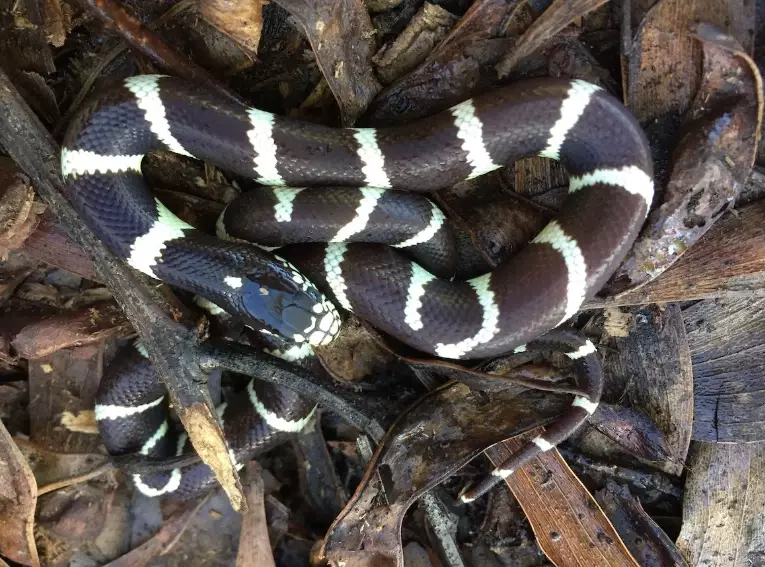
Expert Tips to Avoid Getting Bitten
Prevention is straightforward if you think like a snake. Here’s a protocol I’ve developed that reduces bite risk to near zero.
1. The Pre-Handling Ritual: Wash your hands thoroughly. Don't just rinse—scrub. Use soap that doesn't smell like food or flowers. This eliminates the feeding response trigger. Use a snake hook or a gentle tap on the body with a rolled-up paper towel before picking up a food-responsive snake. This tells them, "This is handling time, not dinner time."
2. The Confident Approach: Hesitation screams "predator" to a snake. Don't hover your hand above them. Move in calmly from the side, supporting their mid-body and lifting gently. A firm, confident grip is less threatening than a shaky, tentative touch.
3. Reading Body Language: A stressed kingsnake might coil tightly, tuck its head in an S-shape, or make quick, jerky movements. If you see this, maybe give them space that day. Forcing interaction when they're signaling "no" is asking for a bite.
4. The Feeding Zone Rule: Never feed your snake in its primary enclosure if you can avoid it. Use a separate, bare feeding tub. This creates a powerful association: Tank = Safe Space, Tub = Food Time. It completely eliminates cage aggression, which, in my experience, is often just misplaced feeding excitement.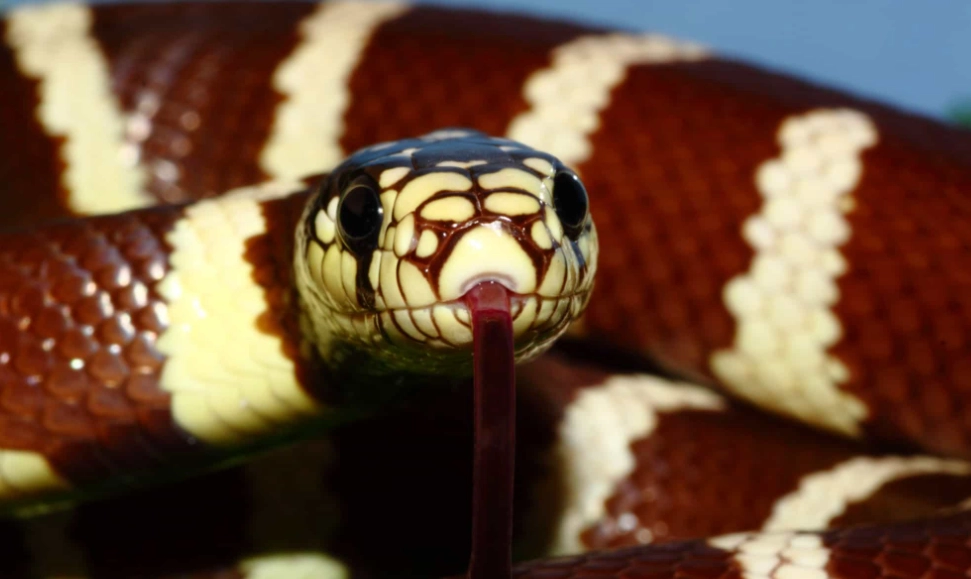
A Common Pitfall: Many new owners think "taming" a snake means handling it every single day. This can backfire and create a chronically stressed animal more prone to biting. Two to three short, positive handling sessions a week is plenty for building trust. More is not always better.
What to Do If You Are Bitten
Stay. Calm. Your reaction is critical. Do not yank, pull, or shake the snake. You could injure its jaw or teeth.
- If it's a quick strike-and-release: Great. The snake did the work for you. Gently set the snake back in its secure enclosure if needed.
- If it's holding on (a feeding response bite): This is rare but can happen. Do not pull. The snake's rear-facing teeth are hooked in. Instead, take a calm breath. Gently run the snake's head under a trickle of cool water, or place a drop of rubbing alcohol or mouthwash near its mouth (not in it). The surprising sensation usually makes them let go instantly.
Once free, care for the wound: Wash the bite area immediately with warm water and antibacterial soap. Pat dry and apply a small amount of antibiotic ointment. Bandage if needed, though the punctures are usually too small. Watch for signs of infection (increasing redness, swelling, pus)—but honestly, in 10+ years, I've never seen a simple kingsnake bite get infected with basic cleaning. The risk is extremely low.
Finally, don't hold a grudge against the snake. It wasn't a personal attack. Assess what triggered the bite (smells? sudden movement? stress?) and adjust your behavior for next time.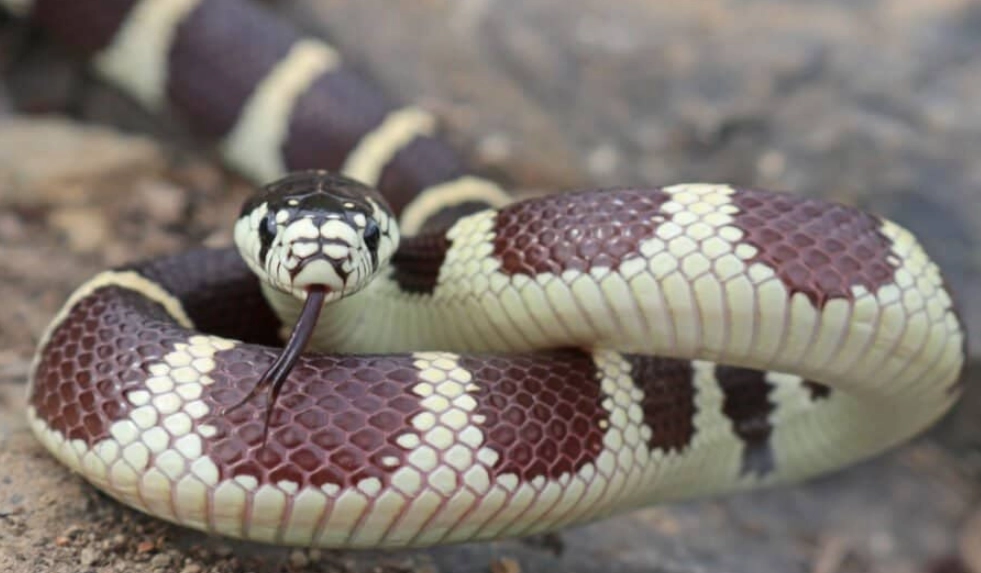
Your Kingsnake Bite Questions Answered
 My kingsnake bit me and won't let go. Does this mean it's aggressive?
Reader Comments