You're looking at that adorable, stocky lizard with the brilliant blue tongue and wondering: just how much space is this little guy going to need? It's a crucial question. Getting the size right isn't just about bragging rights; it's about planning the right enclosure, budgeting for food, and ensuring your pet lives a long, healthy life. The short answer? Most pet blue tongue skinks will reach a total length of 18 to 24 inches (45 to 60 cm). But that's like saying "dogs are medium-sized"—it misses the fascinating and important details.
I've kept northern blue tongues for over a decade, and I've seen the confusion firsthand. Someone buys a "giant" Indonesian species expecting a monster, only to find it stays relatively modest. Another person gets a common northern and is shocked when their "petite" juvenile turns into a two-foot-long tank of a lizard. The difference comes down to species, care, and a few secrets most care sheets don't mention.
What's Inside This Guide
Not All Blueys Are Created Equal: A Species-by-Species Size Breakdown
This is the most critical piece of the puzzle. "Blue tongue skink" refers to several species in the Tiliqua genus, and their sizes vary more than you might think. Buying from a reputable breeder who can identify the species is your first step to accurate size expectations.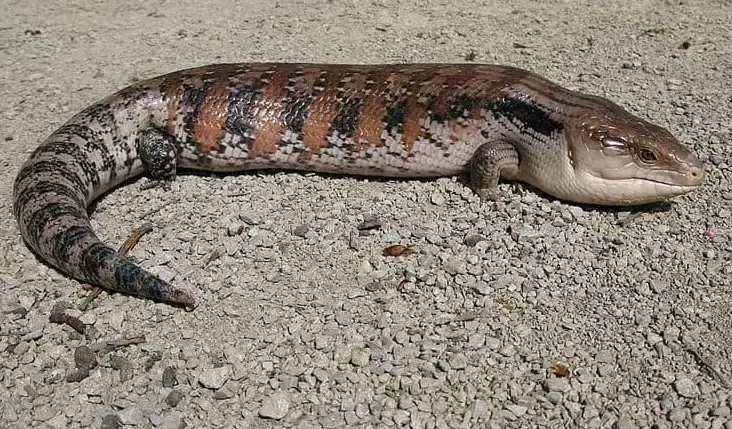
| Common Name (Species) | Average Adult Length | Average Adult Weight | Growth Notes & "Feel" |
|---|---|---|---|
| Northern Blue Tongue Skink (Tiliqua scincoides intermedia) | 18-24 inches (45-60 cm) | 450-800 grams | The most common pet. Stocky, heavy-bodied, like a stout sausage. Reaches full length in 2-3 years but continues to fill out. |
| Eastern Blue Tongue Skink (Tiliqua scincoides scincoides) | 15-20 inches (38-50 cm) | 350-600 grams | Similar build to the Northern but typically a bit more slender and slightly shorter. |
| Indonesian (or Halmahera) Blue Tongue Skink (Tiliqua gigas) | 20-26+ inches (50-65+ cm) | 600-1000+ grams | The true "giant." Longer, often more slender body plan. Can genuinely surprise owners with its length. |
| Blotched Blue Tongue Skink (Tiliqua nigrolutea) | 16-20 inches (40-50 cm) | 300-550 grams | Shorter, often with a more triangular head. Tends to be lighter and less "bulky" than Northerns. |
| Centralian (or Western) Blue Tongue Skink (Tiliqua multifasciata) | 15-18 inches (38-45 cm) | 250-500 grams | One of the smaller species. Shorter legs and a very wide, flat body—like a pancake with legs. |
See the range? If a breeder just says "blue tongue skink," ask for the scientific name. That 4-inch difference between an Eastern and an Indonesian might not sound like much, but it's the difference between a 40-gallon breeder tank being adequate and being downright cramped.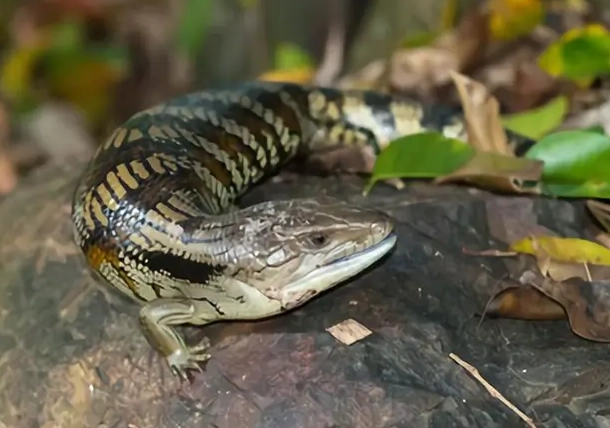
Factors That Determine Your Blue Tongue Skink's Final Size
Genetics set the blueprint, but your care determines if the building reaches its designed height. Here’s what actually moves the needle.
Genetics and Lineage: The Unchangeable Blueprint
This is the biggest factor. A skink from large, robust parents will almost always be larger than one from a smaller lineage, even within the same species. This is why captive-bred animals often outsize their wild counterparts—breeders selectively pair larger, healthier animals. There's no way to change this, which is why sourcing from a good breeder matters.
Diet: The Fuel for Growth (And The Cause of Most Mistakes)
This is where most owners go wrong, in two opposite directions. Underfeeding stunts growth. This is obvious. But the more common, insidious problem is overfeeding the wrong foods.
I made this mistake early on. I fed my first northern, Rex, a diet heavy on fatty ground turkey and dog food. He grew quickly—too quickly. He reached 22 inches but was obese at 950 grams, sluggish, and at risk for fatty liver disease. I had to put him on a strict diet. Growth was rapid, but it was unhealthy mass.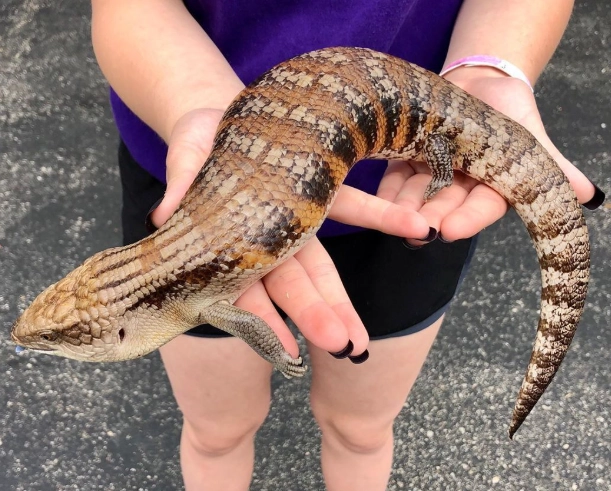
A proper growth diet is high in protein and calcium for juveniles (think appropriately-sized insects like crickets and dubia roaches, dusted with calcium), transitioning to a more omnivorous mix of 50% protein / 50% veggies/greens for adults. Quality matters more than quantity. A study cited by the Association of Reptilian and Amphibian Veterinarians emphasizes that nutritional secondary hyperparathyroidism (metabolic bone disease) from poor diet is a prime cause of stunted, deformed growth in lizards.
Husbandry: The Foundation of Health
Stress and poor environment silently cap growth. A skink that's too cold can't digest properly, so it can't use the nutrients you're providing. Inconsistent temperatures or a lack of a proper thermal gradient (a warm basking spot around 95-100°F/35-38°C tapering to a cool side around 75-80°F/24-27°C) forces their metabolism into low gear.
An enclosure that's too small is a chronic stressor. A juvenile might be fine in a 20-gallon tank for a few months, but an adult northern needs an absolute minimum of a 4x2x2 foot (120-gallon) enclosure. An Indonesian needs even more length. Chronic stress releases hormones that can directly inhibit growth. Think of it like a kid trying to grow in a cramped, uncomfortable room.
How to Ensure Your Blue Tongue Skink Reaches Its Full Growth Potential
It's not about pushing for maximum size; it's about providing the platform for healthy, natural growth. Follow this checklist.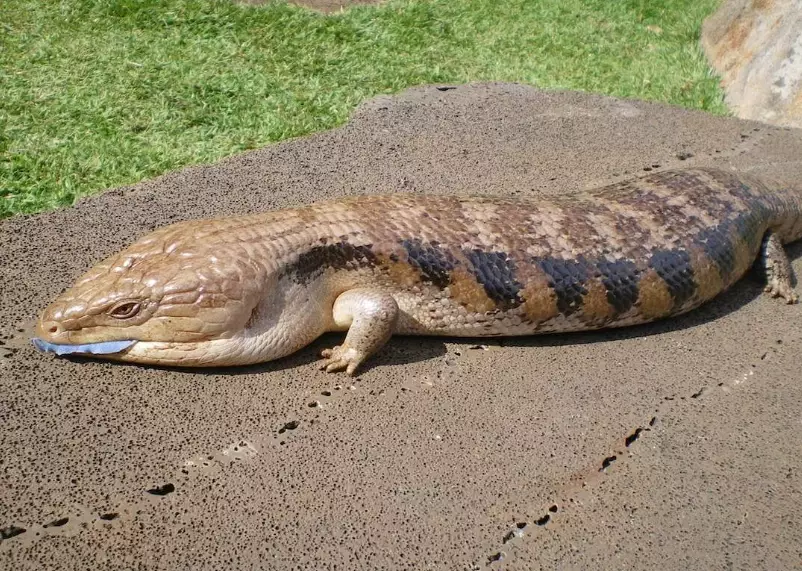
Feed for Health, Not Size: For juveniles (under 1 year), offer a protein-rich meal every other day. For adults, a balanced meal of lean protein (like whole prey items such as frozen/thawed mice fuzzies, snails, or high-quality wet dog food as a part of the mix) and chopped veggies (collard greens, squash, berries) 1-2 times a week is perfect. Always supplement with calcium (with D3 if no UVB, without D3 if using UVB) and a good multivitamin.
Provide Ample Space from the Start: Don't do the "tank upgrade shuffle." If you can, start your juvenile in its adult-sized enclosure. Just make sure it's heavily cluttered with hides, fake plants, and cork bark so it doesn't feel exposed. This reduces stress transitions later.
Master the Thermal Gradient: Invest in a good thermostat for your heat source (ceramic heat emitter or deep heat projector are often better than bright basking bulbs for these crepuscular animals) and use two digital thermometers—one at the basking site, one at the cool end. This isn't optional.
Track Growth Objectively: Weigh your skink monthly on a digital scale and take a length measurement (gently coax it into a straight line against a ruler in its enclosure). Log it. A steady upward curve is good. A sudden plateau or drop is a red flag for illness or husbandry issues.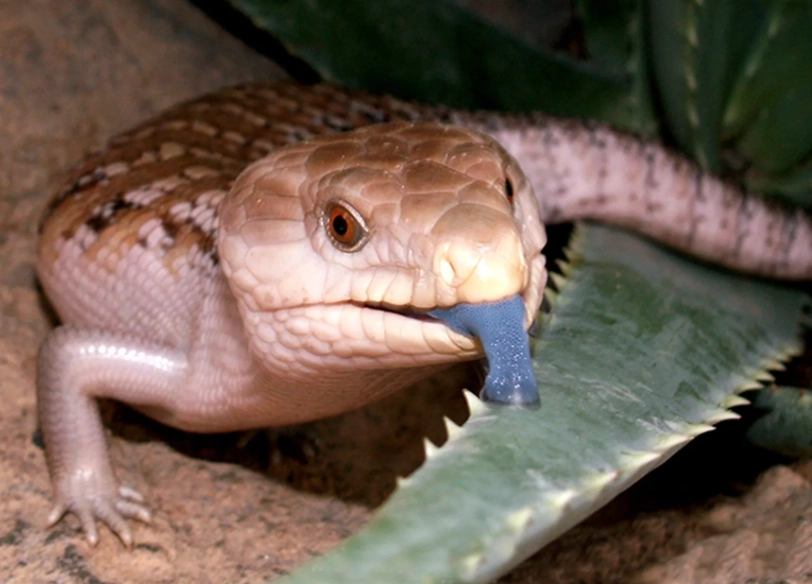
Size Myths and Misconceptions You Can Ignore
Let's clear the air on some common folklore.
Myth: "Feeding them more often will make them grow bigger faster." Truth: It will make them grow fatter faster, which is unhealthy. Steady, consistent growth on a balanced diet is the goal.
Myth: "Males are always bigger than females." Truth: In blue tongue skinks, sexual size dimorphism is minimal. A large female can easily outweigh a small male of the same species. You can't sex them reliably by size.
Myth: "They stop growing at 2 years old." Truth: They reach their primary length by 2-3 years, but they continue to add muscle and bulk, and may gain a little length, for another year or two. They are not fully physically mature until around 3-4 years.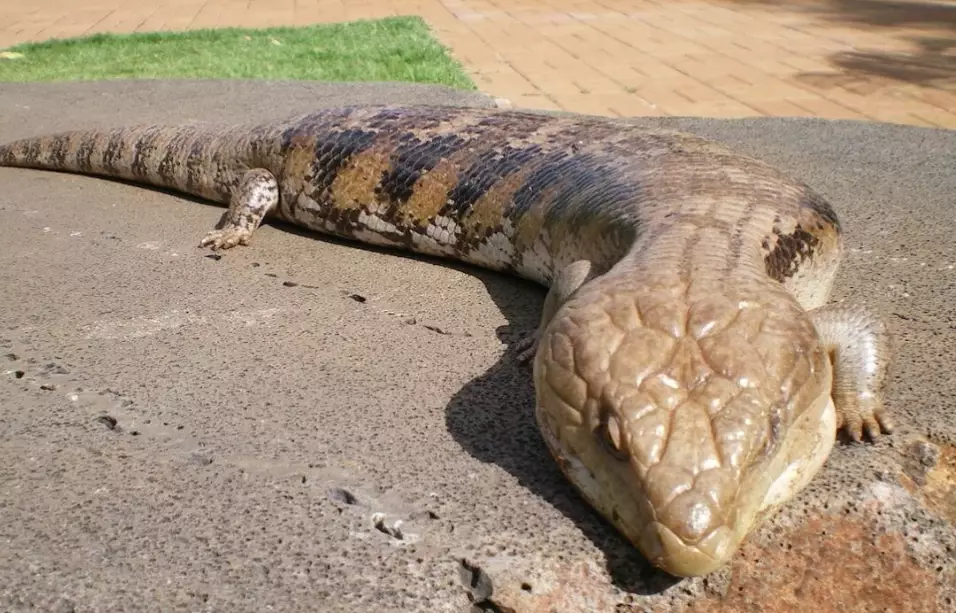
Your Blue Tongue Skink Size Questions Answered
My blue tongue skink is a year old and only 12 inches long. Is something wrong?
Possibly. First, confirm the species. A Centralian at 12 inches is doing fine; a Northern is on the smaller side but might be a late bloomer. Review your husbandry: Is the basking spot hot enough? Are you using proper calcium supplementation? The most likely culprits are insufficient heat for digestion or a diet lacking in essential nutrients. A vet check to rule out parasites is also a good idea.
I have a 4x2x2 foot enclosure. Is that big enough for an Indonesian blue tongue?
It's the accepted minimum, but for a large female Indonesian that may hit 26+ inches, it's frankly a bit short. The animal's length should be less than the enclosure's length plus width. For a 26-inch skink, that's 26
Can you stun their growth by underfeeding and then have them catch up later?
This is a dangerous misconception. Severe underfeeding during the first year, a critical growth window, can cause permanent stunting. The skeletal structure may not develop properly, leading to a skink that is forever smaller and potentially weaker, even if you feed it well later. Consistent, appropriate nutrition from the start is non-negotiable.
How does size relate to temperament? Do bigger skinks get more aggressive?
Not at all. In my experience, size has zero correlation with personality. Some of the most placid, handleable skinks I've met were large Northerns. Temperament is more linked to individual personality, how much they were handled as juveniles, and species tendencies (Northerns are generally considered the most docile). A well-socialized, large skink is just a bigger, more confident puppy-dog lizard.
What's the single biggest mistake new owners make that affects final size?
Assuming all "blue tongues" are the same and housing them in a generic, undersized tank with a single heat lamp and a bowl of cat food. This combination guarantees chronic low-level stress and suboptimal nutrition, which together put a hard ceiling on your pet's growth and overall vitality. Do the research on your specific species before you buy, and set up the full enclosure beforehand. Your skink's adult size is a direct report card on your husbandry.
Reader Comments