So you've decided a gecko might be the perfect pet. Great choice. But now you're staring at photos of a spotted leopard gecko and a chunky fat-tailed gecko, wondering which one to bring home. It's not a trivial choice. Getting it wrong can mean a stressed pet, vet bills, and a lot of frustration.
Let's cut to the chase. Both are fantastic, but they're not the same animal in a different paint job. The leopard gecko (Eublepharis macularius) is the energetic, adaptable classic. The fat-tailed gecko (Hemitheconyx caudicinctus) is the calm, humidity-loving tank. Your lifestyle and commitment level will determine which is your better match.
What's Inside This Guide
- Side-by-Side: A Quick Comparison Table
- Where They Come From: Habitat and Origins
- Personality and Handling: Night and Day
- Setting Up Their Home: Housing and Environment
- What's for Dinner? Diet and Feeding
- Common Health Concerns to Watch For
- Cost and Availability: Budgeting for Your Gecko
- Making Your Choice: Which Gecko is Right for You?
Side-by-Side: A Quick Comparison Table
Before we dive deep, here's the snapshot. This table lays out the headline differences.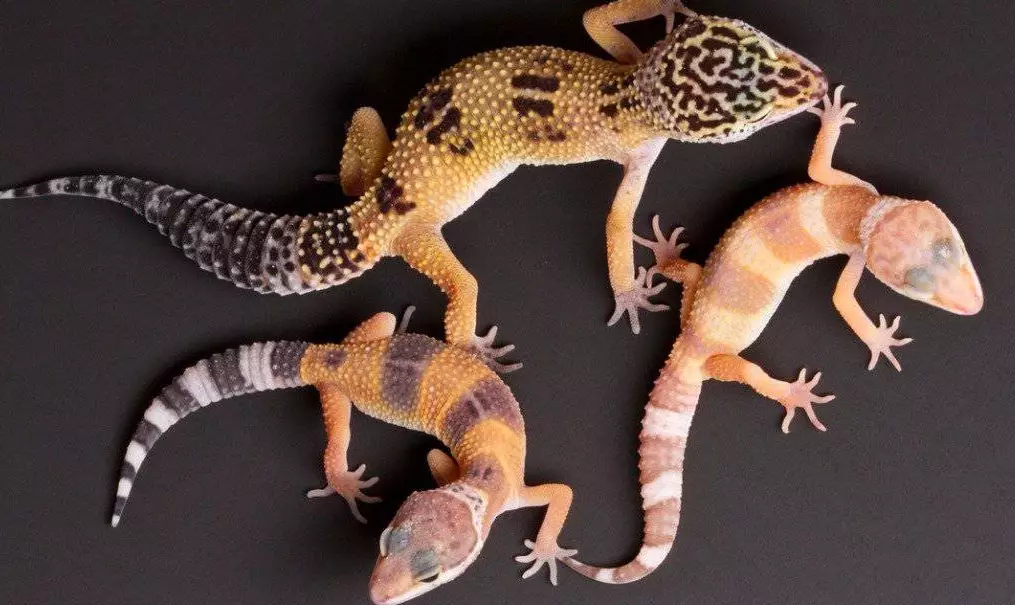
| Feature | Leopard Gecko | Fat-Tailed Gecko |
|---|---|---|
| Native Habitat | Arid, rocky grasslands (Afghanistan, Pakistan, India) | West African savannas & dry forests (higher humidity) |
| Average Adult Size | 8-11 inches | 7-9 inches |
| Tail Function | Fat storage. Can detach (autotomy). | Primary fat storage. Rarely detaches. |
| Typical Temperament | Active, curious, can be skittish. | Notably docile, calm, "chill." |
| Key Environmental Need | Dry. Humidity 30-40%. | Moderate humidity. 50-60%, with a moist hide. |
| Coloration & Morphs | Vast variety (100s of morphs). Spots, stripes, bright colors. | More limited range. Often banded, tans/browns. Morphs growing. |
| Beginner Friendliness | Excellent. Very forgiving. | Very Good. Slightly more humidity-sensitive. |
Where They Come From: Habitat and Origins
This isn't just trivia. Where they evolved tells you exactly what they need in a tank.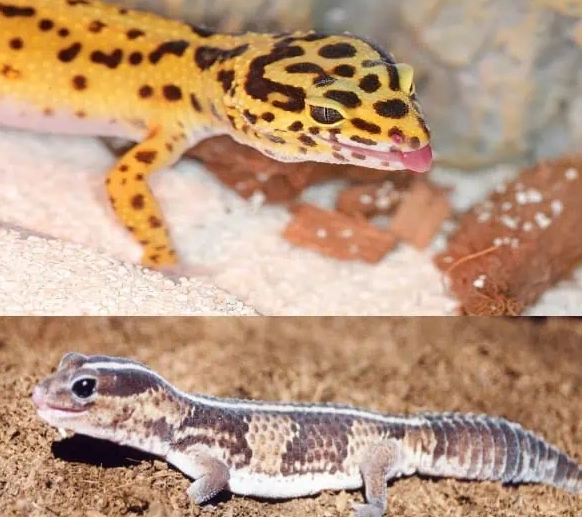
Leopard geckos hail from the dry, rocky grasslands and desert edges of parts of the Middle East and Asia. Think Pakistan, Afghanistan, northwest India. It's harsh, dry, and hot during the day but can get cool at night. They're ground-dwellers who hide in rock crevices and burrows to escape the sun. This is why they do not need UVB lighting in captivity if their diet is properly supplemented—a point of some debate, but backed by studies from herpetological societies. They've evolved to get their D3 from their insect prey.
Fat-tailed geckos come from a different world: West Africa. Countries like Senegal, Mali, Ivory Coast. Their environment is savanna and dry forest. It's still warm, but the humidity is notably higher. There's more moisture in the air and seasonal rains. They spend a lot of time in burrows or under leaf litter where the microclimate is even more humid. This is the single most important difference that shapes their care. Forget this, and you'll have a gecko with chronic shedding problems.
Personality and Handling: Night and Day
Hands down, this is where people develop a strong preference.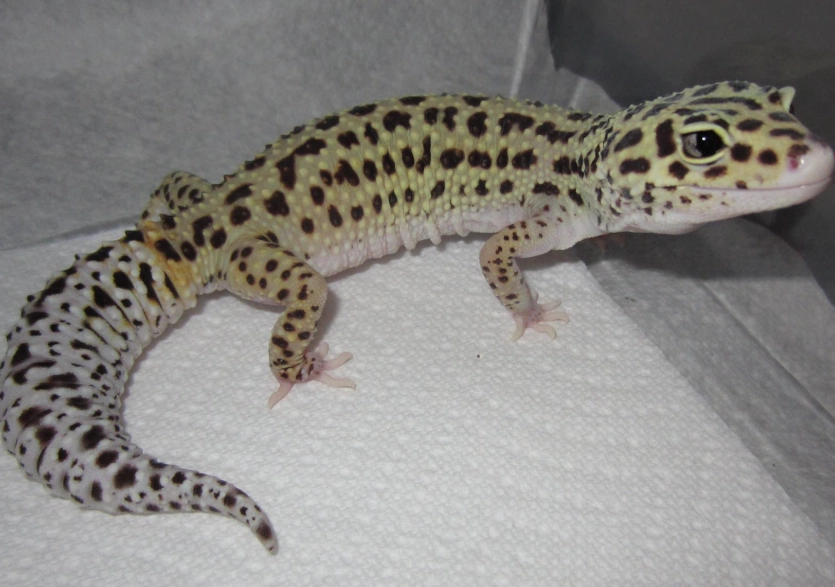
Leopard geckos are the curious cats of the gecko world. They're alert, often seen exploring their enclosure at dawn and dusk. Many will learn to come to the front of the tank when they see you, hoping for food. But they can also be skittish. A fast movement might send them darting for cover. Their tails can drop if they're severely frightened or grabbed. Taming them requires regular, gentle interaction.
Fat-tailed geckos? They're the laid-back bulldogs. Their default mode is calm. They move slowly, deliberately. In my years of keeping both, I've found fat-tails to be far more tolerant of handling from the get-go. They rarely try to bolt. They'll often just sit in your hand, looking around placidly. This makes them a fantastic choice for someone who values a pet they can actually hold and interact with without a chase around the living room.
Setting Up Their Home: Housing and Environment
A 20-gallon long tank is the minimum for either adult, but bigger is always better. They both need a heat gradient: a warm side around 88-92°F (31-33°C) and a cool side around 75-80°F (24-27°C). An under-tank heater controlled by a thermostat is the safest, most natural heat source. They also need at least two hides: one on the warm side, one on the cool side.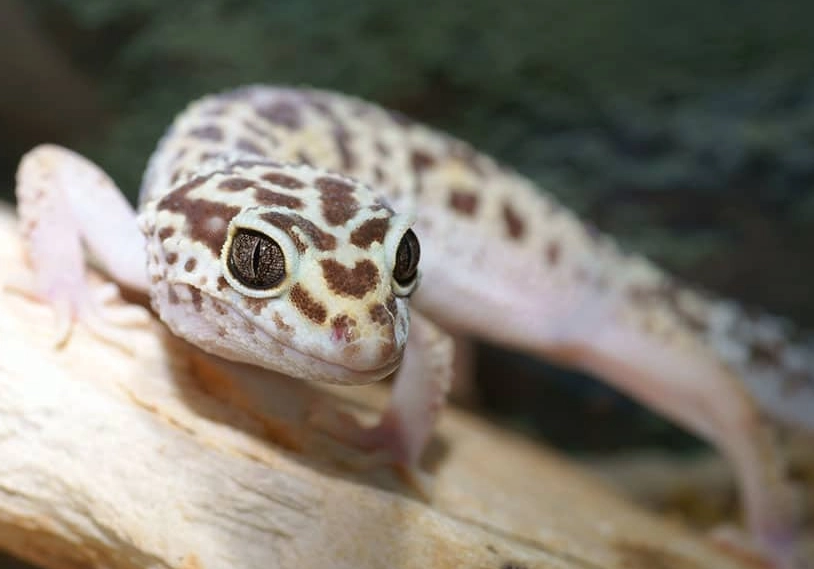
The Humidity Divide
Here's where your care routine splits.
For leopard geckos, keep it dry. Aim for 30-40% humidity. In most homes, you don't need to do anything special. If anything, you might need a dehumidifier if you live in a swampy area. A damp hide (a small box filled with moist sphagnum moss or paper towel) is essential, but it should be a single, localized humid spot, not the whole tank.
For fat-tailed geckos, humidity is non-negotiable. Ambient humidity should be 50-60%. You'll likely need to mist part of the enclosure lightly once a day, or use a humidifier in the room. The moist hide is absolutely critical. It must stay genuinely damp at all times. This is their shedding aid and comfort zone. A common mistake is using a hide that's too large or not sealing well—the moisture escapes. I use plastic containers with a small hole cut in the side, packed with damp moss. It works perfectly.
What's for Dinner? Diet and Feeding
Both are insectivores. Their staple diet is the same: gut-loaded crickets, dubia roaches, mealworms, and the occasional treat like waxworms or hornworms.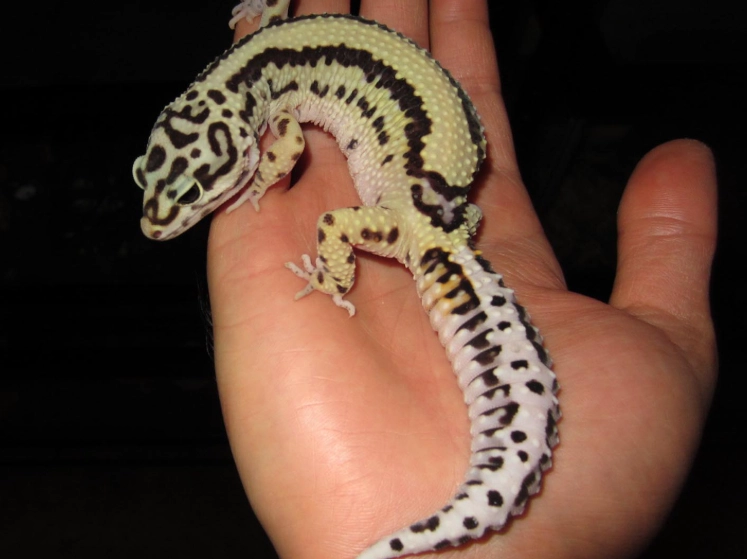
Juveniles should be fed daily, adults every other day or 2-3 times a week. The quantity depends on the gecko's size and tail plumpness.
The key is supplementation. Every insect meal needs to be dusted. You need two powders:
- A plain calcium powder (with no D3) should be available in a tiny dish in the enclosure at all times. They'll lick it as needed.
- A calcium powder with D3 (and often a multivitamin) used to dust insects 1-2 times a week.
This regimen prevents Metabolic Bone Disease (MBD), the number one killer of pet geckos. I see too many beginners skip the plain calcium dish, thinking the weekly dusting is enough. It often isn't.
Common Health Concerns to Watch For
Both species are robust if cared for properly, but they have slightly different failure points.
Shared Issues: Metabolic Bone Disease (from poor diet/lighting), impaction (from eating loose substrate or too-large prey), and parasitic infections (often from wild-caught insects or new geckos). Always quarantine new animals.
Leopard Gecko Specific: They're more prone to tail loss due to stress. While it regrows, it never looks the same (it becomes bulbous and smooth). They can also be susceptible to eye infections if the substrate is too dusty.
Fat-Tailed Gecko Specific: Their Achilles' heel is skin. Low humidity leads to dysecdysis—bad sheds where skin gets stuck, particularly on the toes, which can constrict and cause loss. This is the most common fat-tail health issue I encounter. Also, because they're so stocky, obesity is a real risk if overfed.
Cost and Availability: Budgeting for Your Gecko
Walk into any pet store, and you'll find leopard geckos. They're ubiquitous. A normal "wild type" juvenile can cost as little as $30-$50. Fancy morphs like "Tangerine" or "Blizzard" can run from $100 to well over $500.
Fat-tailed geckos are less common. You'll probably need to find a reptile expo or a specialized breeder online. A standard normal fat-tail starts around $75-$150. Their morphs, like "Patternless" or "Striped," are pricier, ranging from $200 to $600+.
Don't forget startup costs! The enclosure, heating, thermostat, hides, decor, and supplies will cost you $200-$400 regardless of which species you choose. The gecko itself is often the cheapest part.
Making Your Choice: Which Gecko is Right for You?
Still on the fence? Let's make it simple.
Choose a Leopard Gecko if: You want the classic, widely-available pet. You live in a naturally dry climate. You're fascinated by the incredible color and pattern variations. You don't mind a pet that might be a bit more active and occasionally skittish. You're a true beginner and want the most forgiving care sheet.
Choose a Fat-Tailed Gecko if: A calm, handleable temperament is your #1 priority. You're willing to monitor and maintain humidity levels diligently. You prefer the stockier, "chunkier" look with bold banding. You don't mind a more limited color palette and potentially higher initial cost. You're a beginner who does their homework or have some reptile experience.
You can't make a bad choice here. Both are incredible animals that can live 15-20 years with proper care. The best choice is the one whose needs align with the life you can reliably provide, day in and day out, for decades.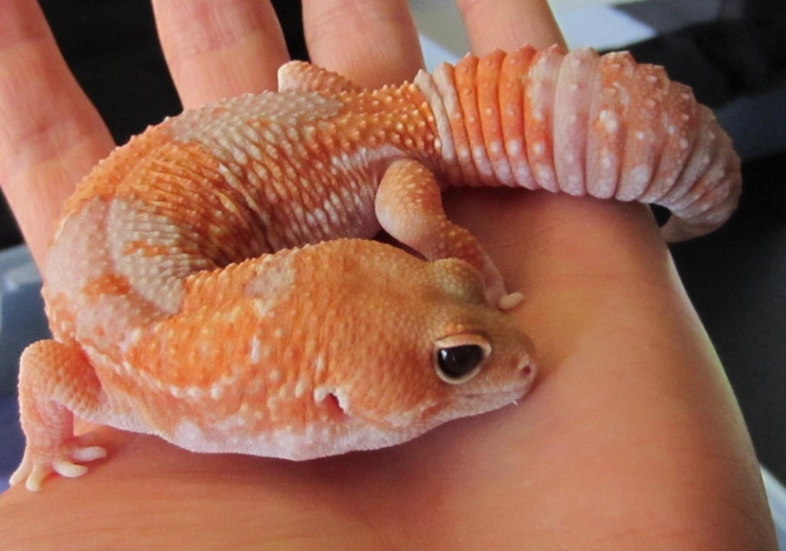
Reader Comments