Staring at photos of a snow-white Blazing Blizzard and a pale yellow Blizzard leopard gecko, it's easy to get them confused. I've been breeding leopard geckos for over a decade, and I still remember the first time a customer insisted their "Blizzard" was turning pinkish—they actually had a Blazing Blizzard and didn't know the genetic difference. That moment highlighted a common mix-up. Both are stunning, patternless morphs, but the choice between them isn't just about color. It's about genetics, potential health nuances, and even price. If you're trying to decide which of these beautiful, smooth-skinned geckos is right for you, you've come to the right place. Let's cut through the confusion.
What You’ll Learn in This Guide
What Are Blazing Blizzard and Blizzard Leopard Geckos?
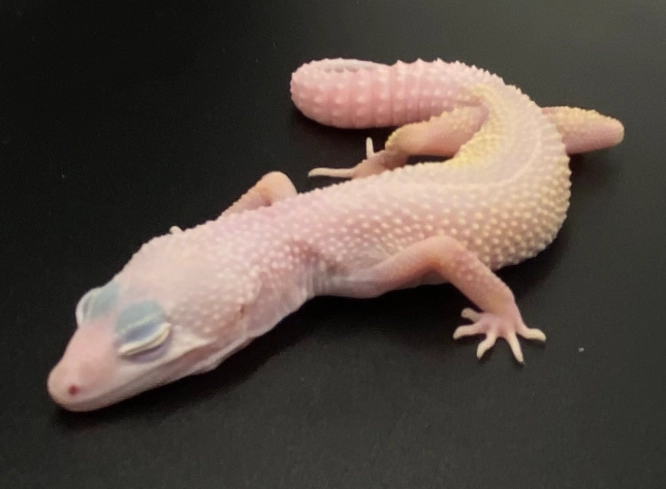
First, let's clear up the names. A Blizzard leopard gecko is a foundational morph created in the 1990s. It's defined by a single recessive gene that removes all patterns—bands, spots, stripes—resulting in a solid-colored gecko. Early Blizzards were often a pale lavender-grey, but selective breeding has produced colors from deep charcoal to light yellow. The key is the complete lack of pattern.
A Blazing Blizzard is not a separate species. It's a Blizzard leopard gecko with an extra genetic twist: it's also an albino. Specifically, it carries the "Tremper Albino" gene (one of the three main albino strains in leopard geckos). This combination of the Blizzard gene and the Tremper Albino gene creates a gecko that is both patternless and lacks dark pigment. The result is typically a clean, creamy white to pale pinkish-yellow lizard with pink or red eyes.
Key Differences: A Side-by-Side Comparison
This table lays out the core distinctions. Bookmark this.
| Feature | Blizzard Leopard Gecko | Blazing Blizzard Leopard Gecko |
|---|---|---|
| Genetics | Homozygous for the recessive Blizzard gene. | Homozygous for both the recessive Blizzard gene AND the recessive Tremper Albino gene. |
| Primary Color | Solid color. Can range from pale yellow, lavender, grey, to dark charcoal or even brown. "Yellow Blizzards" are very popular. | Almost always white, off-white, creamy yellow, or pale pink. The albino gene inhibits black/brown pigment. |
| Eyes | Standard leopard gecko eyes: silver, grey, or black pupil with a colored iris. | Albino eyes: Pink, red, or ruby-colored due to lack of pigment in the iris. Pupil is red. |
| Pattern | Completely patternless. No spots, bands, or stripes at any age. | Completely patternless. |
| Light Sensitivity | Normal sensitivity. Can be kept under standard lighting without issue. | Higher sensitivity due to albinism. Avoid bright, hot white lights. Use low-heat ceramic heaters or deep heat projectors instead of bright basking bulbs. |
| Average Price (USA) | $50 - $150. Common yellow Blizzards are on the lower end; rarer dark phases cost more. | $100 - $250+. The double recessive genetics and high demand for the white color drive the price up. |
| Common Mistake | Buying a "patternless" morph that isn't a true Blizzard (like a Murphy Patternless). True Blizzards have solid-colored nails. | Assuming all white geckos are Blazing Blizzards. Some "White and Yellow" or "Snow" morphs can look similar to an untrained eye. |
The Eye Color Tell: The Easiest Way to Spot the Difference
Can't tell from the body color? Look at the eyes. This is the most foolproof method for a beginner. A Blizzard will have normally pigmented eyes—think dark pupil, maybe a blueish or greyish ring. A Blazing Blizzard has those distinctive pink or red albino eyes. If the eyes are pink, you're almost certainly looking at a Blazing Blizzard, not a regular Blizzard.
Beyond the Table: Nuances Breeders Know
Here's something you won't find on most care sheets. Some Blazing Blizzards, especially as hatchlings, can show very faint yellow "head spots" or a light dorsal stripe. This isn't a pattern returning; it's a common quirk of the albino gene interacting with the Blizzard gene. It usually fades completely by adulthood. Don't panic if your baby Blazing isn't perfectly pure white.
Also, Blizzards can "fire up" and "fire down"—their color can intensify (get darker) or fade (get lighter) based on temperature, mood, and time of day. A yellow Blizzard might look almost neon after warming up. Blazing Blizzards show less dramatic change, usually just a slight shift in the tone of white.
How to Choose Between a Blazing Blizzard and a Blizzard?
This isn't just about which one is prettier. Your lifestyle and setup matter.
Choose a Blizzard Leopard Gecko if:
You love the simple, clean look but want more color variety. You're on a tighter budget. You're setting up a bioactive terrarium with live plants and standard lighting and don't want to worry about light sensitivity. You prefer the look of classic reptile eyes over pink ones.
Choose a Blazing Blizzard Leopard Gecko if:
The iconic, snowy-white appearance is your dream. You're okay with investing a bit more. You're prepared to manage their lighting carefully, avoiding bright white heat lamps. You find the red/pink eyes fascinating and unique.
How to Care for Your Patternless Leopard Gecko
Both morphs share the same hardy, beginner-friendly care requirements as all leopard geckos—with one critical exception for the Blazing Blizzard.
The Critical Difference in Setup: Lighting
This is the big one. Albinos, including Blazing Blizzards, have eyes that are more sensitive to bright light. Using a bright white basking bulb or a strong UVB light can cause them discomfort, make them hide all day, and potentially harm their eyesight over time.
For a Blazing Blizzard, do this:
Provide heat with a Ceramic Heat Emitter (CHE) or a Deep Heat Projector (DHP). These produce heat without visible light. You can use a low-output, shadedweller-style UVB light (like a 2-3% T5 tube) if you wish, but it's not strictly necessary if you dust feeders with proper supplements. The key is to avoid glaring, bright white lights.
For a standard Blizzard:
You have more flexibility. A low-wattage white basking bulb is fine, or you can use a CHE/DHP. Standard, low-level UVB lighting is also perfectly safe.
Everything Else They Need (The Universal Checklist)
A 20-gallon long tank minimum – Bigger is always better. 36" long is a great goal.
Three hides – A warm hide, a cool hide, and a humid hide (with damp sphagnum moss) for shedding.
Proper substrate – Paper towel for beginners/juveniles. For adults, a mix of 70% topsoil (organic, fertilizer-free) and 30% play sand is excellent for digging. Avoid loose calci-sand or pure sand.
Temperature gradient – Warm side: 88-92°F (31-33°C). Cool side: 70-77°F (21-25°C). Use a thermostat with any heat source.
Diet – Staple of gut-loaded crickets or dubia roaches, dusted with calcium (without D3 at most feedings, with D3 twice a month) and a multivitamin once a week. Mealworms and black soldier fly larvae are good treats.
For detailed care standards, always refer to authoritative sources like the Leopard Gecko Care Guide from reputable herpetological societies or established care sites like ReptiFiles.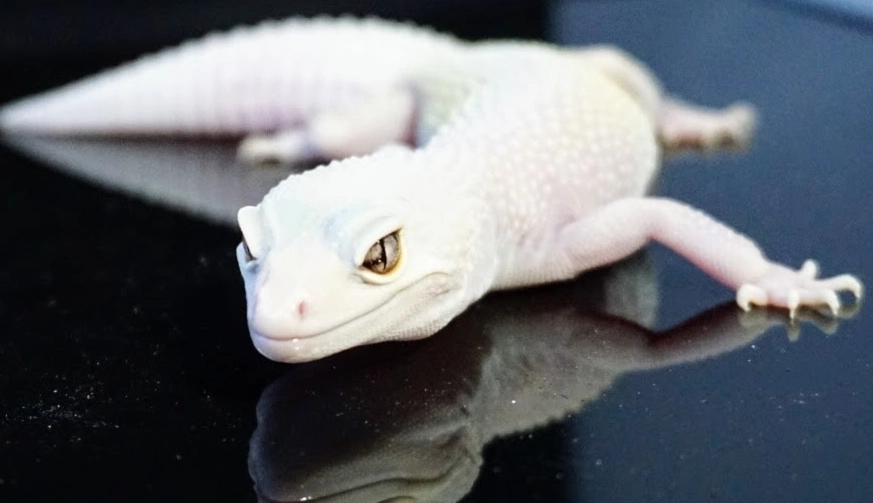
Reader Comments