So you're thinking about getting a Madagascar ground gecko, or maybe you just brought one home. Good choice. Paroedura picta is a fantastic little lizard—hardy, full of personality, and a great entry point into the world of reptile keeping. But here's the thing I learned the hard way years ago: "hardy" doesn't mean "indestructible." A lot of care sheets make them sound foolproof, which sets up new owners for some subtle failures. This guide is different. We're going beyond the basics to cover what you actually need to know to not just keep your gecko alive, but have it thriving, displaying natural behaviors, and living a full lifespan that can stretch to 10-15 years in captivity.
在这篇文章中
Understanding Your Madagascar Ground Gecko
First, let's talk about who this creature is. The Madagascar ground gecko isn't a climber like a Crested Gecko. Its scientific name, Paroedura picta, hints at its nature—"picta" means painted, referring to its often beautiful and variable patterning. They're terrestrial, spending their time on the ground, in leaf litter, and under rocks in the arid and semi-arid regions of southern Madagascar. This is key for their setup.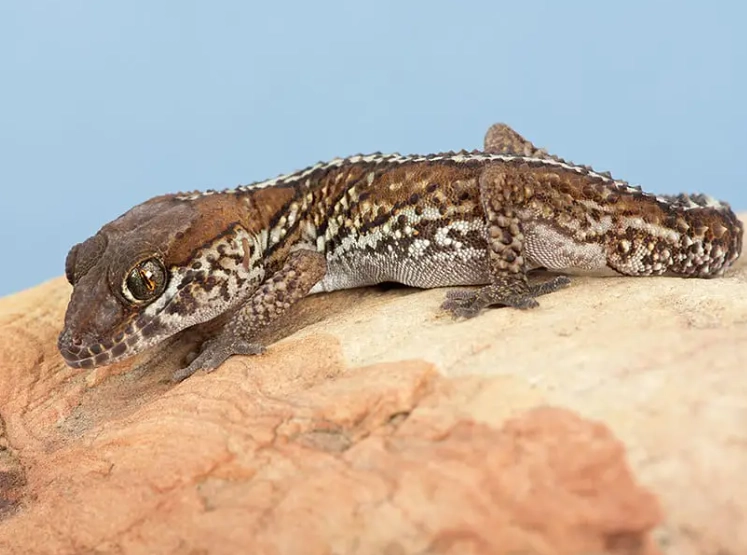
They're nocturnal. You'll see most of their activity at dusk and through the night. During the day, expect them to be tucked away in a hide. A common misconception is that a hiding gecko is a stressed gecko. Not necessarily. For a nocturnal, prey animal, hiding during the day is a sign of feeling secure. If it's always hiding, even at night, that's a different story.
How to Set Up the Perfect Habitat
This is where most mistakes happen. People hear "desert species" and think "hot and dry like a bearded dragon tank." That's wrong. Madagascar ground geckos need a temperature gradient and, crucially, a humid microclimate.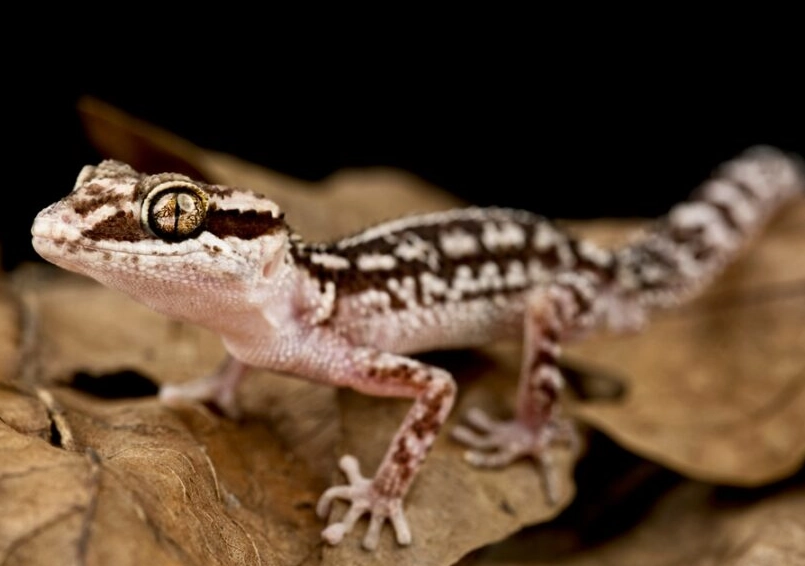
Tank Size and Type
For a single adult, a 10-gallon tank is the absolute bare minimum, but it feels cramped. I strongly recommend a 20-gallon long (30" x 12" x 12") as a starting point. The floor space is what matters. Front-opening enclosures are excellent as they reduce the "predator from above" stress when you reach in. Screen tops are fine, but you'll need to cover part of it to retain humidity.
Heating and Lighting: Creating the Gradient
No special UVB lighting is strictly required according to some sources, but I've noticed a marked improvement in activity and coloration in geckos provided with low-level UVB (a 5.0 or 2% T5 bulb, 6-8 hours a day). The consensus is shifting towards providing it as a benefit.
Heating is non-negotiable. You need a warm side and a cool side.
| Zone | Temperature Target | How to Achieve It |
|---|---|---|
| Basking Spot | 88°F - 90°F (31°C - 32°C) | Use an under-tank heater (UTH) or a low-wattage ceramic heat emitter on one side of the tank, controlled by a thermostat. Never run a heat mat without a thermostat. |
| Cool Side | 75°F - 80°F (24°C - 27°C) | This should be the side opposite the heat source. |
| Nighttime Temp | Can drop to 70°F (21°C) | Usually fine if your house doesn't get cold. Supplemental heat at night is rarely needed. |
Substrate and Humidity: The Critical Balance
This is the most overlooked part. Yes, they come from arid areas, but they seek out humid retreats to shed properly and hydrate. A bone-dry tank leads to stuck shed, especially on the toes, which can cause loss of digits.
Avoid sand alone. It can cause impaction if ingested and doesn't hold burrows well. A mix is better.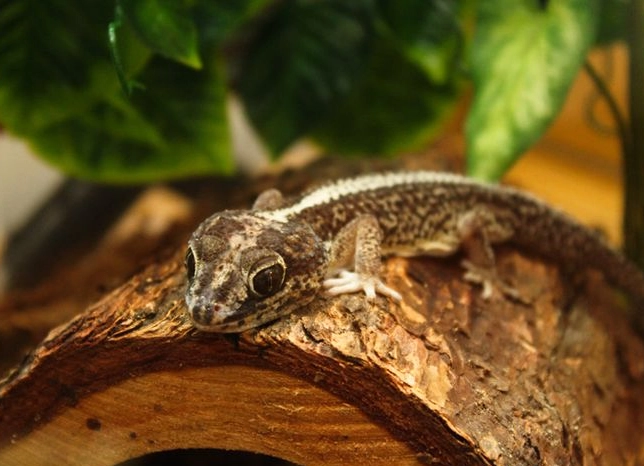
My go-to substrate is a 60/40 mix of organic topsoil (with no fertilizers) and playsand. It holds burrows, is safe if a little is ingested, and you can moisten one corner. The overall humidity in the tank should be moderate (40-50%), but you must provide a humid hide. This is a sealed container (like a plastic food tub) with a hole cut in the side, filled with moist sphagnum moss or paper towels. Place it on the warm side. This gives them a sauna whenever they need it.
Mist the enclosure lightly in the evening to simulate dewfall and spike the humidity briefly. Don't soak the entire substrate.
Decor and Enrichment
Think ground-level clutter. Flat rocks under the heat source for basking. Cork bark rounds, half-logs, and commercial reptile hides. Provide at least two hides—one on the warm side (can be the humid hide) and one on the cool side. Fake or hardy live plants (like succulents) add visual barriers and security. A shallow, sturdy water dish completes the setup.
Diet and Feeding: More Than Just Crickets
Madagascar ground geckos are insectivores. Their diet in captivity needs variety. Feeding only one type of insect is like you eating only rice—nutritionally incomplete.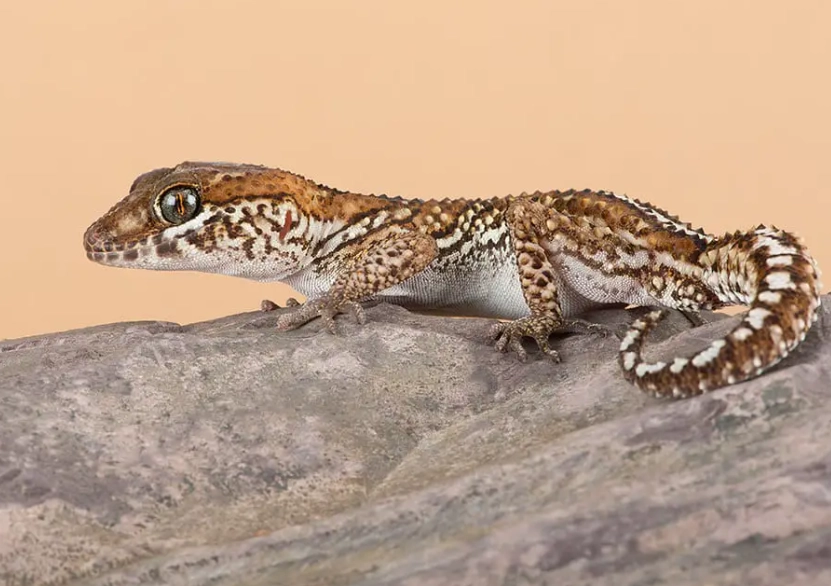
Staple Feeders: Crickets, dubia roaches, and discoid roaches are excellent staples due to their good protein content and ease of gut-loading.
Treat Feeders: Mealworms, superworms, and waxworms (sparingly—they're fatty). Black soldier fly larvae (calciworms) are a fantastic, calcium-rich option.
Feeding Schedule: Juveniles should be fed daily, as many appropriately-sized insects as they will eat in 10-15 minutes. Appropriately-sized means no insect wider than the space between the gecko's eyes. Adults can be fed every other day, or 3-4 times a week.
Here's the critical part everyone messes up: gut-loading and supplementation.
- Gut-loading: 24-48 hours before feeding, give your insects a nutritious diet of veggies (carrots, sweet potato, leafy greens) and a commercial gut-load product. You are what you eat, and your gecko is what its food eats.
- Dusting: Every feeding for juveniles, and every other feeding for adults, dust insects with a calcium supplement that contains Vitamin D3. If you are not using UVB lighting, D3 is essential for calcium absorption.
- Multivitamin: Once a week, use a multivitamin powder instead of the calcium/D3 dust.
Leave a dish of fresh water in the tank at all times. Some will drink from it, others will lick droplets from decor after misting.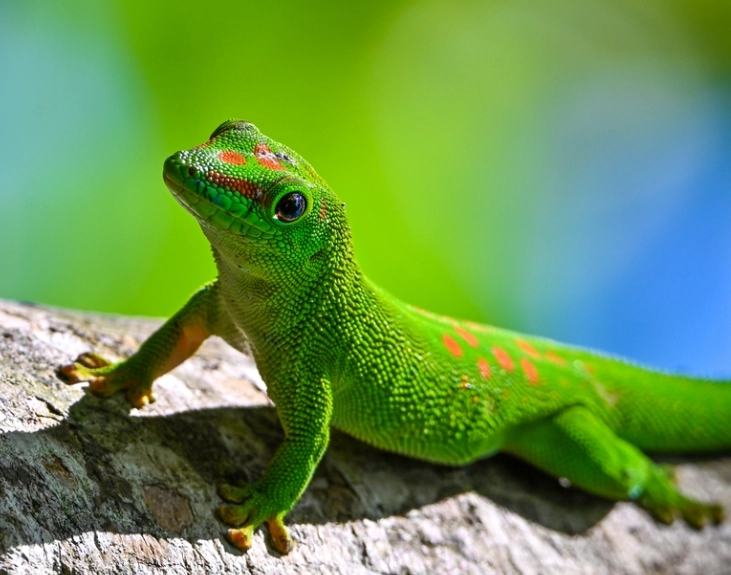
Handling, Temperament, and Daily Care
These geckos can be skittish. They're not naturally handleable like a leopard gecko bred for decades for temperament. Some individuals will calm down with time, others will always be flighty.
How to handle: Move slowly. Don't grab from above. Scoop from below or gently shepherd them into your hand. Keep handling sessions short (5-10 minutes) and infrequent, especially at first. Do it over a soft surface like a bed or couch in case they jump.
A defensive gecko might vocalize with a small squeak or even drop its tail (caudal autonomy). The tail will regrow, but it will look stubby and different. It's a last-resort stress response, so read their body language.
Daily/Weekly Routine: Spot clean feces daily. Change the water. Check that the humid hide is moist. Once a month, do a full substrate change and disinfect the enclosure with a reptile-safe cleaner like F10SC or a diluted vinegar solution. Always rinse thoroughly.
Spotting and Preventing Common Health Problems
Most health issues are preventable with proper husbandry.
- Stuck Shed: The #1 issue. If you see retained shed, especially constricting toes, increase the humidity of the humid hide. You can offer a "sauna" by placing the gecko in a ventilated container with a warm, damp paper towel for 15-20 minutes. Gently roll the stuck shed off with a damp q-tip. Never pull.
- Metabolic Bone Disease (MBD): Caused by calcium deficiency. Symptoms include rubbery jaw, bowed legs, tremors, and difficulty climbing. It's irreversible in advanced stages. Prevent it with proper dusting and UVB.
- Impaction: Blockage from eating substrate or too-large feeders. Symptoms include lethargy, loss of appetite, and a swollen abdomen. Prevent by feeding in a bare dish or on a flat rock, and using safe substrate.
- Parasites: Weight loss despite eating, runny or smelly stools. Requires a vet visit for a fecal exam and medication.
Find a good exotic veterinarian before you have an emergency. Not all vets see reptiles.
Your Madagascar Ground Gecko Questions Answered
Why is my Madagascar ground gecko not eating?
Can I house two Madagascar ground geckos together?
My gecko's poop is white and runny, is that normal?
How do I know if my gecko is about to shed?
Are Madagascar ground geckos good for kids?
Caring for a Madagascar ground gecko is a rewarding commitment. It's not complicated, but it demands attention to detail—specifically that balance of warm dryness and accessible humidity. Get that right, provide a varied diet, and you'll have a fascinating, low-maintenance pet that's a joy to observe for years to come. Start with a proper 20-gallon setup, invest in a thermostat, and don't skimp on the supplements. Your gecko will thank you for it.
Reader Comments