Let's be honest. You're here because you saw a picture of a frog-eyed gecko. Those big, buggy eyes, the soft, sandy color, the cute little stance. It looks like a cartoon character. And now you're wondering, "Could this be my next pet?" The short answer is maybe, but it depends entirely on what you're looking for in a reptile companion. I've kept them for years, and while they're fascinating, they're not for everyone. This guide won't just list facts you can find anywhere. I'll tell you where most care sheets get it wrong, what nobody talks about, and help you decide if a frog-eyed gecko is a good pet for you.
What You'll Find in This Guide
What Exactly Is a Frog-Eyed Gecko?
First, let's clear up the name. We're talking about Teratoscincus scincus, commonly called the Common Frog-Eyed Gecko or the Wonder Gecko. They hail from the arid, sandy deserts of Central Asia—think Afghanistan, Iran, and Pakistan. They're built for that life: nocturnal, burrowers, and masters of staying hidden.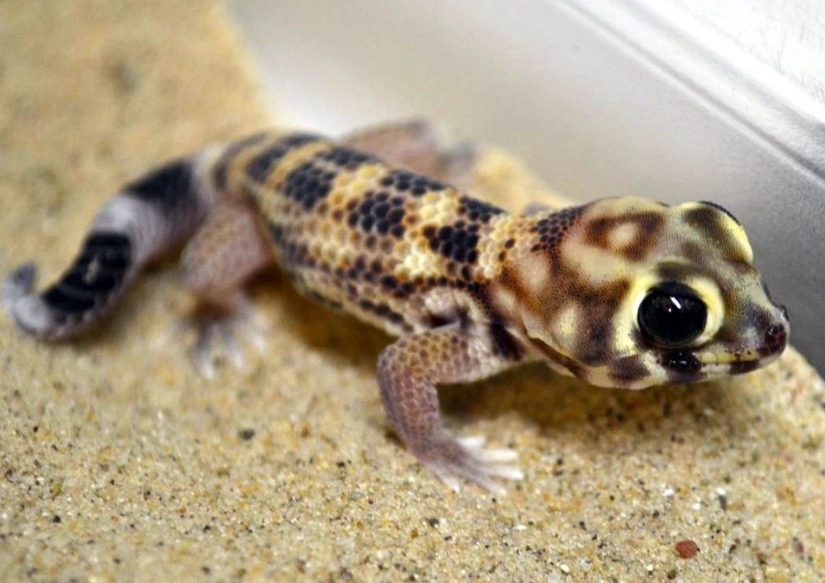
Their most famous trick? When threatened, they stand tall on their legs, arch their back, and vibrate their tail rapidly in the sand, creating a buzzing sound to startle predators. It's more amusing than intimidating, honestly. They're not big geckos, averaging 4 to 6 inches in length, and they lack the sticky toe pads of popular species like Crested Geckos. They're ground-dwellers through and through.
I got my first pair from a breeder who swore they were "set-and-forget" pets. That was only half true, and I learned the other half the hard way.
The Good, The Bad, and The Sandy
So, are frog-eyed geckos good pets? Let's break it down without the sugar-coating. Here’s a real-world comparison.
| The Upsides (Why You Might Love One) | The Downsides (Reasons to Think Twice) |
|---|---|
| Incredibly Low Maintenance: Once the tank is set up correctly, weekly spot cleaning and feeding is about it. They don't need daily attention. | Not a Handling Pet: This is the biggest dealbreaker. They are fast, skittish, and stress easily. You don't "hang out" with a frog-eyed gecko. |
| Fascinating Natural Behaviors: Watching them burrow, "swim" through sand, and perform their tail-vibrating display is genuinely captivating. | Fragile and Delicate: Their skin is very thin and tears easily. A rough catch or an escape attempt against decor can cause serious injury. |
| Quiet and Odorless: Perfect for apartments or rooms where noise and smell are concerns. A well-maintained tank has no odor. | Escape Artists: They are surprisingly strong for their size and will exploit any gap in a lid. A secure, locking enclosure is non-negotiable. |
| Unique Appearance: They look like nothing else in the pet trade. Their large eyes and textured skin are a real conversation starter. | Primarily a "Look, Don't Touch" Pet: Your interaction is mostly observational. If you want a reptile you can hold, look at Leopard Geckos or Blue-Tongue Skinks. |
| Long Lifespan: With proper care, they can live 10-15 years. That's a long-term commitment, but a pro for dedicated keepers. | Can Be Finicky Eaters: Some individuals will only eat certain insects (like mealworms) and ignore others, requiring a bit of trial and error. |
See what I mean? They're fantastic for a specific type of person—someone who wants a beautiful, low-interaction desert display tank. They're terrible for someone wanting a cuddly, handleable friend.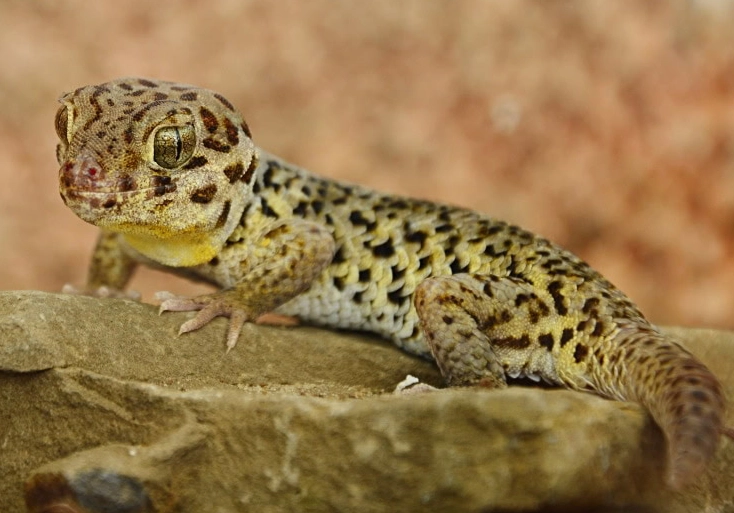
A Note on Sourcing: Always, always buy from a reputable breeder. Wild-caught frog-eyed geckos are still common, and they come with a heavy parasite load, immense stress, and much higher mortality rates. A captive-bred gecko from sources like MorphMarket or a dedicated reptile expo is more expensive upfront but saves you heartache and vet bills. Organizations like the US Association of Reptile Keepers (USARK) often have breeder directories and care standards.
The Frog-Eyed Gecko Care Sheet: A Step-by-Step Guide
If the pros list spoke to you, here's how to do it right. Most mistakes happen in the setup.
1. The Enclosure: Building a Desert Studio Apartment
Think horizontal space, not height. A 20-gallon long tank (30" x 12" x 12") is the minimum for one gecko. For a pair, jump to a 40-gallon breeder. The lid must lock. I use front-opening terrariums with pin locks because reaching in from the top spooks them.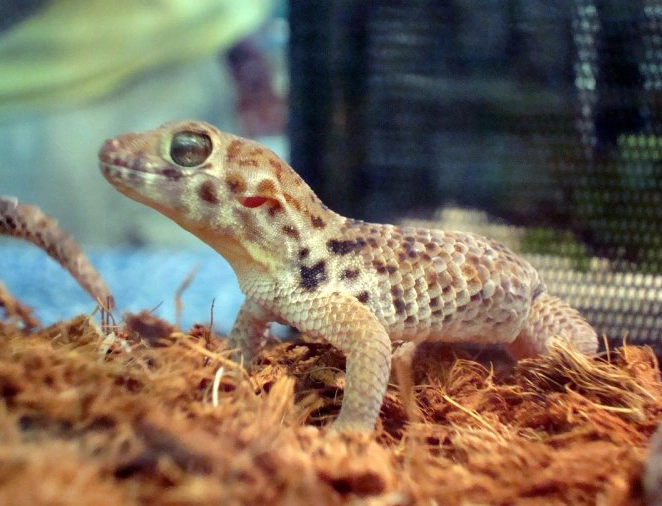
Substrate is everything. This is where most guides are too vague. You need a deep, burrowable, sandy mix. Pure sand can cause impaction. Pure soil can hold too much moisture. The sweet spot? A 70:30 mix of washed play sand and a clay-based soil (like Excavator Clay Substrate). This holds burrows perfectly. Provide at least 4-6 inches of depth.
Decor is simple: a couple of flat rocks, a piece of cork bark or driftwood as a hide, and maybe a shallow, sturdy dish for water. Avoid sharp edges. Plants will be dug up, so use fake succulents hot-glued to rocks if you want greenery.
2. Climate Control: Nailing the Numbers
This is non-negotiable. They need a significant temperature drop at night.
- Daytime Basking Spot: 88-92°F (31-33°C). Use a low-wattage halogen bulb or a deep heat projector on a thermostat.
- Daytime Cool Side: 75-80°F (24-27°C).
- Nighttime Temperature: Let it drop to 65-70°F (18-21°C). No heat source at night is usually fine unless your house gets very cold.
- Humidity: This is the silent killer. Keep it LOW, between 30-40%. A digital hygrometer is essential. High humidity (over 50%) leads to fatal respiratory infections. Provide a slightly moist hide (a deli cup with a hole filled with barely damp sphagnum moss) for shedding, but keep the main tank dry.
3. Feeding Your Frog-Eyed Gecko
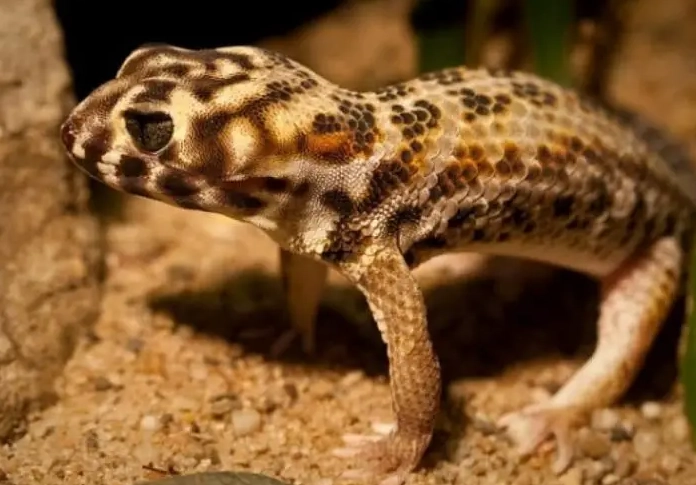
They are insectivores. Offer food 2-3 times a week at dusk. Variety is good, but have a staple.
- Staple Diet: Gut-loaded mealworms or small dubia roaches. Many of my geckos refuse anything but mealworms.
- Occasional Treats: Small crickets, black soldier fly larvae.
- Supplementation: Dust insects with a quality calcium powder (without D3) at every feeding. Once every two weeks, use a calcium powder with D3 or a multivitamin. Over-supplementing is worse than under-supplementing.
They don't always eat in front of you. I often find the mealworms gone from the dish by morning. Don't panic if you don't see them eat immediately.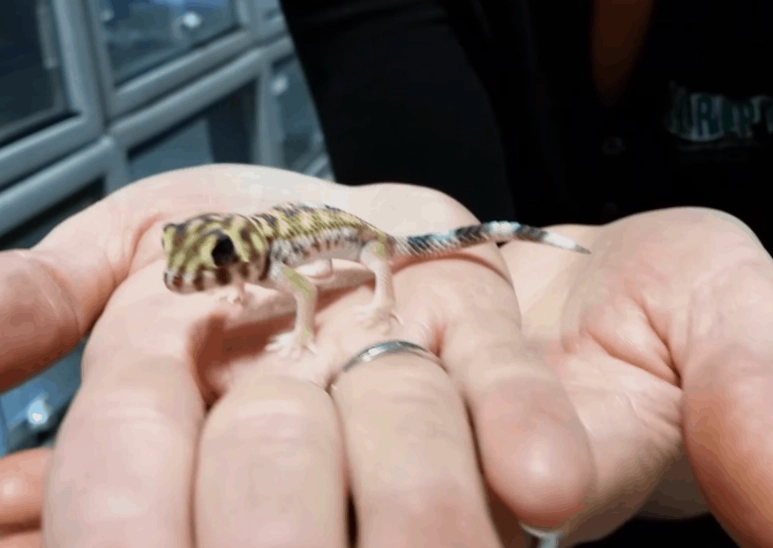
4. Health and Shedding
A healthy frog-eyed gecko is alert (at night), has clear eyes, and a plump tail (their fat store). Watch for these red flags:
- Stuck Shed: Especially on toes and eyes. That's why the moist hide is crucial.
- Lethargy During Night: If they're not active when the lights are off, something's wrong.
- Wheezing or Bubbly Mouth: A sign of a respiratory infection—an emergency vet visit is needed.
- Weight Loss: The tail should be rounded. A skinny tail means they're not eating.
Find a vet who sees exotics before you have an emergency. The Association of Reptilian and Amphibian Veterinarians (ARAV) website has a locator tool.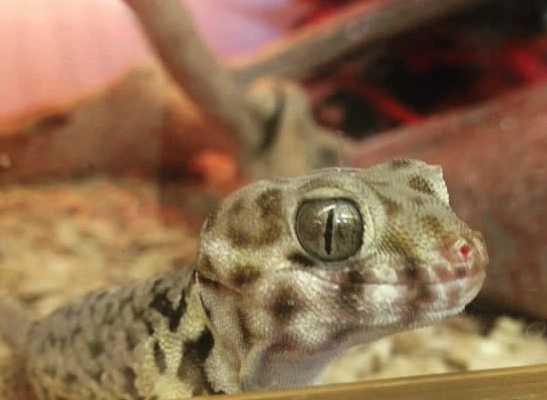
Your Questions, Honestly Answered
So, are frog-eyed geckos good pets? They're excellent pets for a specific niche: the patient observer who finds joy in creating a perfect slice of desert and watching a secretive creature live its life on its own terms. They're low-maintenance, captivating, and unique. But if your dream is to bond with a reptile through handling, to have it sit on your shoulder while you work, then a frog-eyed gecko will be a constant source of frustration for both of you. Know what you're signing up for, set up the tank right from the start, and you'll have a fascinating, long-lived window into the desert world.
Reader Comments