If you're asking "how big can leopard geckos live?", you're really asking two things: how large do they grow, and how long do they stick around. The short answer is they typically grow to a manageable 8 to 11 inches in length and, with proper care, can live a remarkably long 15 to 20 years. That's a longer commitment than many dogs. But that simple range doesn't tell the whole story. Their final size and their impressive lifespan are deeply intertwined, both dependent on a set of factors that many new owners overlook.
Quick Navigation: What's Inside This Guide
Understanding Leopard Gecko Size: From Hatchling to Adult
Let's break down the growth journey. A leopard gecko isn't born anywhere near its adult size. They start life incredibly small.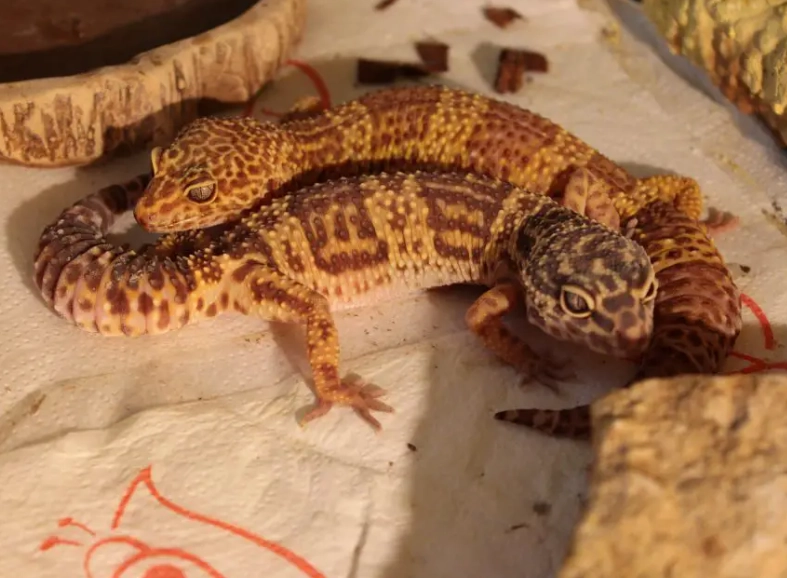
Hatchlings emerge from the egg at just 3 to 4 inches long and weigh a mere 2 to 5 grams. You can hold one on your fingertip. For the first 6 to 8 months, they're considered juveniles, growing rapidly with weekly feedings. By the time they hit the one-year mark, most are sexually mature and considered adults, though they may continue filling out for another year.
So, what's the final measurement? The classic answer is 8 to 11 inches from snout to tail tip. Weight is a better indicator of health than length alone. A robust adult should weigh between 45 and 80 grams. Females often land on the smaller end of both scales, while males can be chunkier.
I've seen a common mistake where owners fixate on length. They'll measure their gecko, see it's hit 9 inches, and think the growth is done. But a 9-inch gecko weighing 40 grams is underweight and lanky, while a 9-inch gecko weighing 70 grams is stocky and healthy. The tail is your visual cue – it should be plump, not skinny like the rest of the body.
| Life Stage | Approximate Length | Approximate Weight | Key Characteristics |
|---|---|---|---|
| Hatchling | 3 - 4 inches | 2 - 5 grams | Extremely fragile, distinct banding pattern. |
| Juvenile (2-8 months) | 5 - 8 inches | 15 - 40 grams | Rapid growth phase, patterns start to break into spots. |
| Adult (12+ months) | 8 - 11 inches | 45 - 80 grams | Sexually mature, full spot pattern, tail should be widest part of body. |
Is there a giant version? You might hear about "giant" or "super giant" leopard gecko morphs. These are specific genetic lines bred for larger size. A true super giant can reach 11+ inches and weigh over 100 grams. But these are the exception, not the rule, and often come with a much higher price tag. For the average pet owner, expecting a standard-sized gecko prevents disappointment.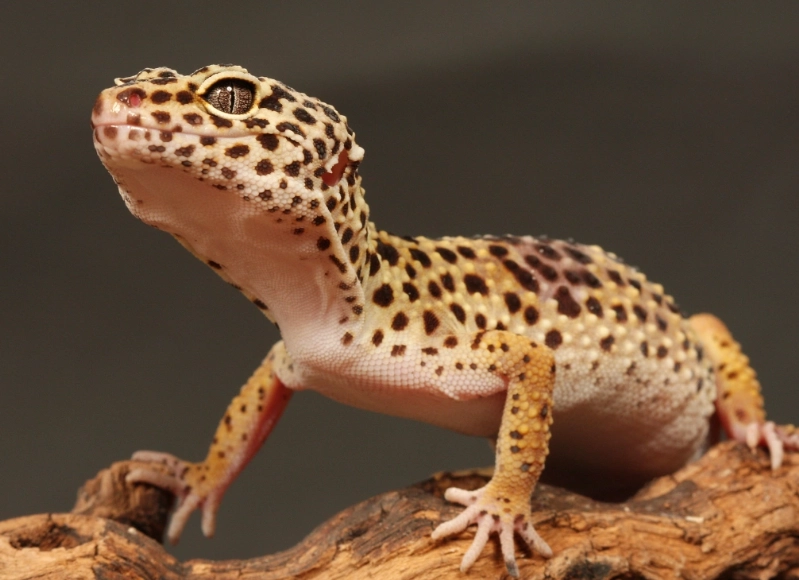
What Factors Dictate How Big Your Leopard Gecko Gets?
Why does one gecko top out at 8 inches while its sibling hits 10? It's not random. Several key elements are in play, and some are in your control.
Genetics: The Blueprint
This is the starting point. You can't change it. If the parents were on the smaller side, the offspring likely will be too. This is why sourcing your gecko from a reputable breeder who knows their lineage is helpful – you have a better idea of the potential adult size. Pet store geckos are often a genetic mystery.
Nutrition: The Fuel for Growth
This is where most owners make subtle, long-term mistakes. It's not just about feeding enough, but feeding right.
Gut-loading is non-negotiable. Feeding your crickets or dubia roaches nutritious veggies (like carrots, squash, leafy greens) 24 hours before offering them to your gecko transfers those nutrients. A cricket fed on cardboard is a junk food meal.
Supplementation is critical. Every insect meal needs a light dusting of calcium powder. For growing juveniles, do this almost every feeding. For adults, 2-3 times a week. A calcium powder with Vitamin D3 is essential if your gecko doesn't have a proper UVB light. Without it, they develop Metabolic Bone Disease (MBD) – their bones soften, they struggle to walk, and their growth is permanently stunted. I've rescued geckos with advanced MBD; their size is the least of their problems.
Environment & Health: The Support System
A stressed gecko won't grow well. Proper heating is crucial. They need a warm side of the enclosure around 88-92°F for digestion. If it's too cold, they can't metabolize their food and will stop eating. The Association of Reptilian and Amphibian Veterinarians (ARAV) stresses the importance of thermal gradients for reptile health.
Parasites are a silent growth killer. A new gecko, especially from a large-scale breeder or pet store, should have a fecal exam by a vet. Internal parasites steal nutrients, leading to a gecko that eats well but stays skinny and small.
Leopard Gecko Lifespan: How Long and How to Extend It
This is the "live" part of the question. In the wild, life is tough. Predators, disease, and food scarcity mean a wild leopard gecko is lucky to see 5-8 years.
In captivity, it's a different story. 15 to 20 years is the standard expectation. There are verified records of individuals living into their mid-20s. That means getting a leopard gecko as a teenager could mean it's still with you in your 30s. It's a long-term pet.
How do you hit that 20-year mark? It goes beyond basic care.
Consistent, species-appropriate care is the bedrock. The factors that affect their size (nutrition, heating, low stress) are the same ones that add years to their life. A gecko with chronic, low-grade MBD from calcium deficiency might live, but its quality and length of life will be severely compromised.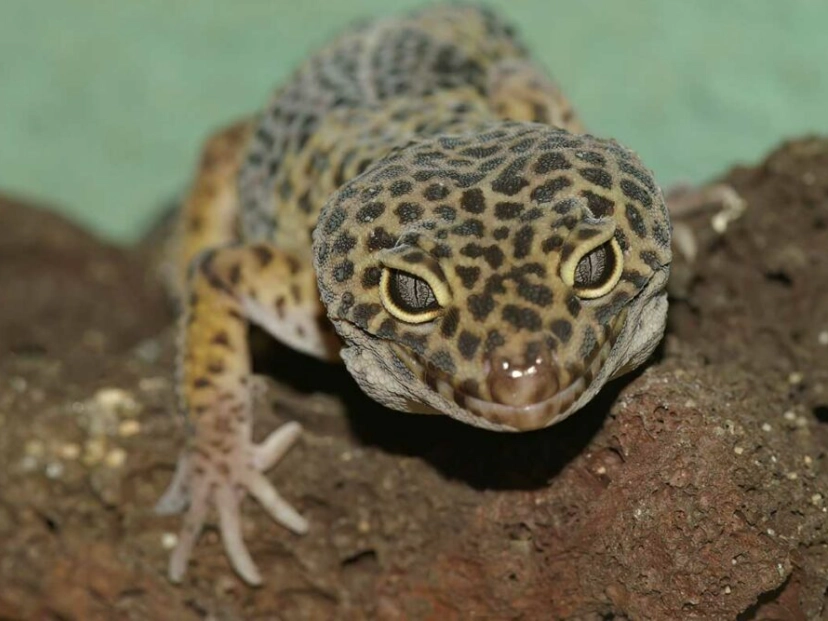
Preventative vet care is overlooked. An annual check-up with a reptile-savvy vet can catch issues like early kidney problems or mouth rot before they become life-threatening. Most owners only go to the vet when their gecko is visibly sick, which is often too late.
Obesity is a silent killer. In an effort to make their pet "big," owners overfeed. An obese gecko (one with fat rolls behind its arms and an excessively bulging tail) is at high risk for fatty liver disease and has a drastically reduced lifespan. It's better to have a lean, active 70-gram adult than a sluggish, 100-gram one.
Mental enrichment matters. A bored gecko is a stressed gecko. Simple things like rearranging their hides occasionally, offering different textures (a flat stone under the heat lamp), or even using a feeding dish that makes them "hunt" a little can keep them engaged. A study published in the Journal of Applied Animal Welfare Science has shown environmental enrichment improves reptile welfare.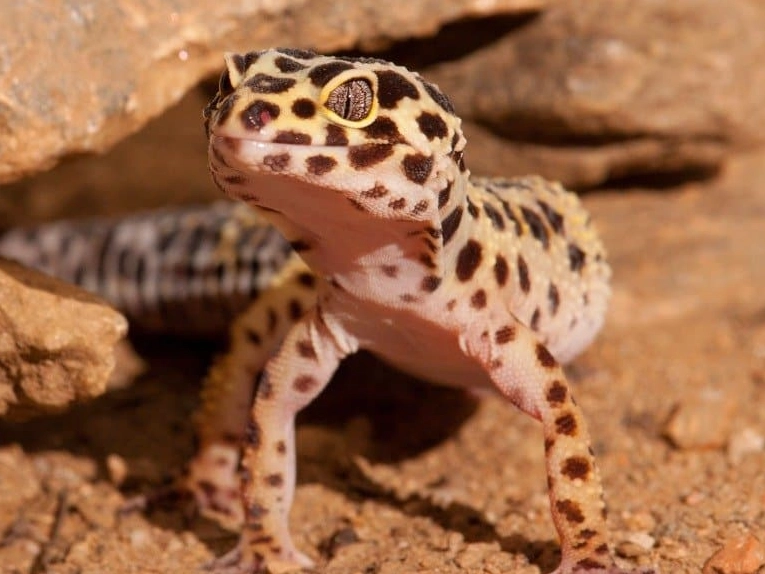
Your Leopard Gecko Size & Lifespan Questions Answered
Understanding how big and how long leopard geckos live isn't about hitting a record number. It's about providing the framework of care – precise heat, targeted nutrition, preventative health, and low-stress living – that allows them to reach their full genetic potential in both size and years. That 8-11 inch, 15-20 year promise is a contract. Your side of the deal is providing the environment that makes it possible. Do that, and you'll have a thriving, large-tailed companion for a very long time.
Reader Comments