If you've brought home a New Caledonian Giant Gecko (we're talking about the Rhacodactylus leachianus and the popular Crested Gecko, Rhacodactylus ciliatus), you've got one of the most fascinating pet reptiles out there. But their care, especially their diet, is where many owners—even experienced ones—quietly mess up. It's not just about throwing some fruit and bugs in a bowl. Getting their nutrition wrong doesn't just stunt growth; it can lead to metabolic bone disease, obesity, or a gecko that simply refuses to eat. I've seen too many "easy to care for" guides oversimplify this. After years of keeping and breeding them, I can tell you the diet is the cornerstone of their health. This guide cuts through the noise and gives you the exact, actionable plan to feed your giant gecko for a long, healthy life.
What You'll Learn in This Guide
The 3 Nutritional Cornerstones Every Keeper Must Know
Before we talk about specific foods, you need to understand what's going on inside your gecko. Their wild diet in New Caledonia is a messy mix of overripe fruit, nectar, pollen, and the occasional insect or small vertebrate. Replicating this balance in captivity is the key.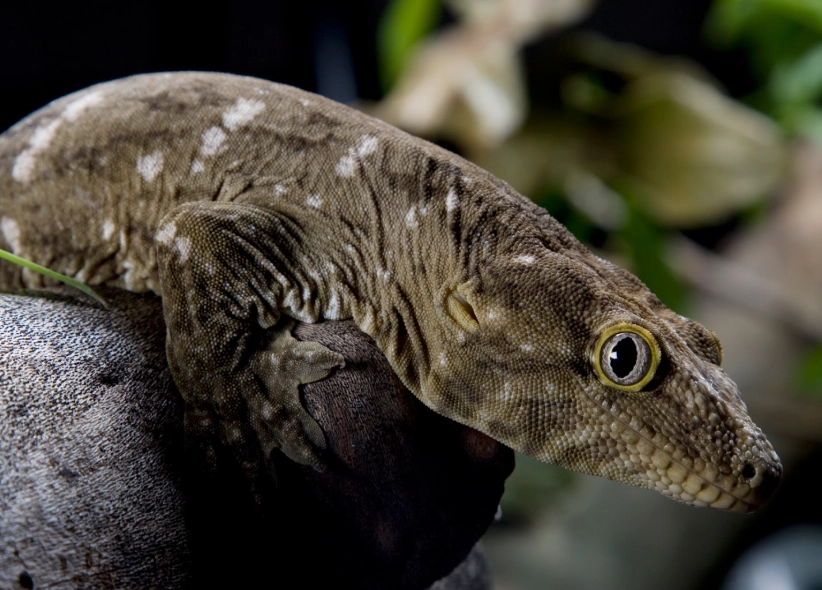
1. The Commercial Diet Revolution (It's Not Just a Shortcut)
Products like Repashy Crested Gecko Diet (CGD) and Pangea Fruit Mix Complete Gecko Diet are game-changers. They're not just "convenient." A high-quality CGD is a scientifically formulated, complete meal replacement. Think of it as the gecko's staple pellet—but way tastier. The best ones contain protein (from insect meal), vitamins, minerals, and the right calcium-to-phosphorus ratio. The common mistake? Using them as a mere "supplement" instead of the dietary foundation. For most giant geckos, especially Cresteds, a good CGD should form 60-80% of their adult diet.
2. Live Insects: The Crucial Protein & Enrichment Boost
Insects are not optional for growing juveniles, breeding females, or Leachianus geckos, which are more carnivorous. They provide essential animal protein and trigger natural hunting behaviors. But not all bugs are created equal.
Gut-loading is non-negotiable. Feeding your crickets or roaches nutrient-rich veggies (like sweet potato, collard greens, commercial gut-load) for 24-48 hours before offering them transforms them from empty shells into vitamin-packed meals. Then, you must dust them. A plain calcium powder (without D3) should be used at almost every insect feeding for growing geckos. A calcium powder with D3 and a multivitamin should be used once or twice a week, but the schedule depends heavily on your UVB lighting setup—a nuance most guides gloss over.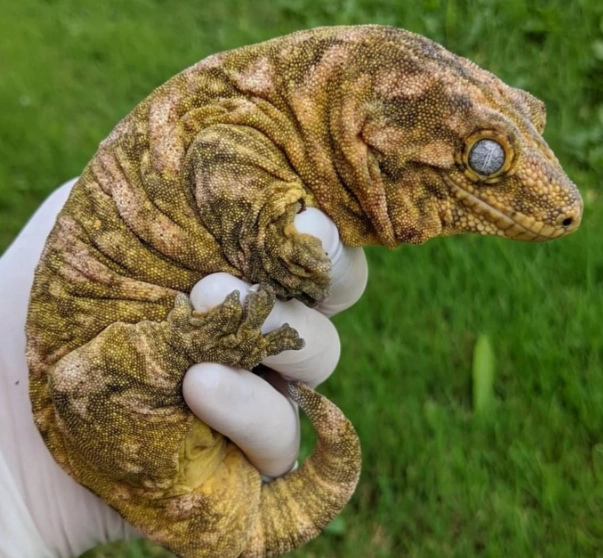
3. The Real Deal on Fresh Fruits
Fresh fruit is the fun part, but it's a treat or a supplement, not a main course. The sugar and water content are too high, and the Ca:P ratio is usually terrible. Safe options include mashed banana, papaya, mango, and figs. Avoid all citrus fruits (too acidic) and anything with high oxalates like raw spinach or rhubarb.
Here’s the subtle error I see: people offer big chunks. A giant gecko will lick and mash fruit, but they can’t bite off pieces like a beardie. Always offer fruit as a smooth mash or puree, mixed into or offered alongside their CGD.
Your Complete, Actionable Food List
Let's get specific. Here’s your shopping and preparation list.
| Food Category | Specific Examples & Brands | Preparation & Frequency Notes |
|---|---|---|
| Commercial Complete Diets (CGD) | Repashy Crested Gecko Diet (Classic, Grubs n' Fruit), Pangea Fruit Mix Complete (With Insects, Fig & Insects), Lugarti Premium Gecko Diet. | Mix with water to a ketchup-like consistency. Offer fresh every 1-2 days. Discard if not eaten in 24 hours. |
| Live Feeder Insects | Gut-loaded crickets, black soldier fly larvae (nutrigrubs), dubia roaches, discoid roaches, silkworms. | Dust with calcium/D3 supplement. Offer 2-3 times a week for juveniles/breeders, 1-2 times for adults. Size: insect no wider than gecko's head. |
| Safe Fresh Fruits (Treats) | Mashed banana, papaya, mango, apricot, peach, figs, berries (mashed). | Offer as a smooth puree, no larger than a teaspoon, once every 1-2 weeks. Mix into CGD for acceptance. |
| Supplements (Critical) | Plain calcium carbonate powder (no D3), Calcium powder with D3, Reptile-specific multivitamin (like Herptivite). | Dust insects. Schedule depends on UVB exposure. If no UVB, use Ca with D3 more frequently (e.g., 2x weekly). |
The Ultimate Feeding Schedule (By Age & Life Stage)
A hatchling and a senior gecko have wildly different needs. This is the schedule I use in my own collection.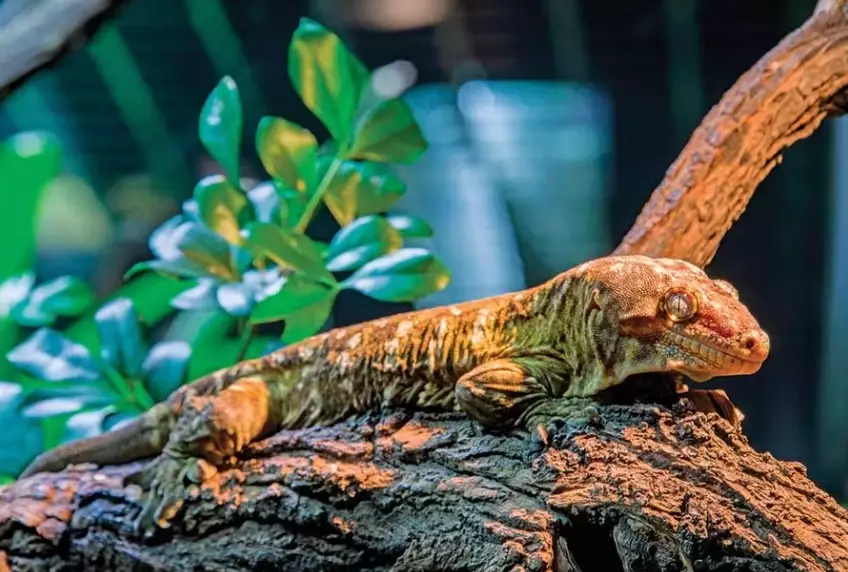
Hatchlings & Juveniles (0-12 months)
These guys are growing machines. Food should be available constantly. I keep a small, shallow dish of fresh CGD in the enclosure at all times, replacing it daily. On top of that, I offer appropriately sized, dusted insects (like pinhead crickets or fruit flies for tiny cresteds, small crickets for baby leachies) every other day. Don't worry about overfeeding at this stage—they'll use it all for growth. Monitor their tail thickness; it should be plump.
Adults (12+ months)
This is where you prevent obesity. Switch to a scheduled feeding. Offer CGD 3-4 times per week. A tablespoon-sized amount is plenty. Offer live insects 1-2 times per week. Observe their body condition. If the tail gets overly fat and round, or if they start leaving CGD uneaten, scale back to 2-3 times a week. An adult Crested Gecko can maintain weight surprisingly well on less food than you think.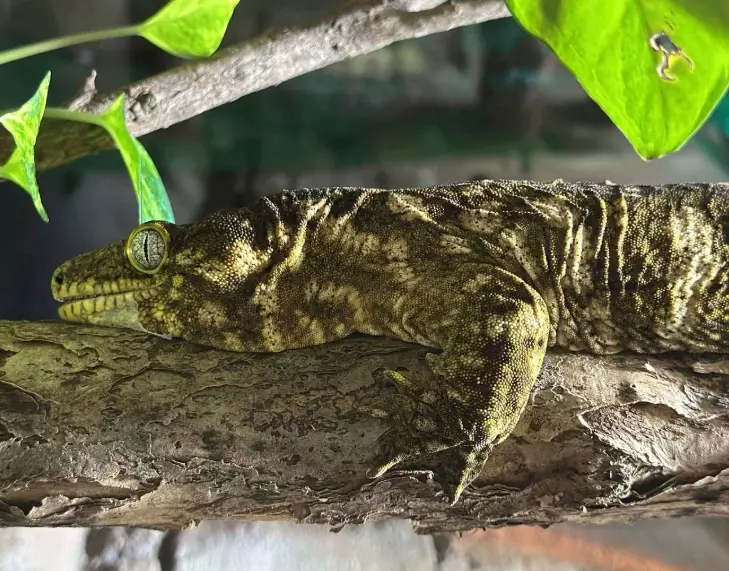
Breeding Females
They are nutritional athletes. Ramp up the protein and calcium. I offer CGD 4-5 times a week and provide dusted insects 3 times a week during the breeding season and while she's producing eggs. A constant supply of plain calcium powder (without D3) in a tiny dish is a great safety net for her to self-regulate.
5 Common Feeding Mistakes That Shorten Lifespan
I've made some of these myself early on. Learn from them.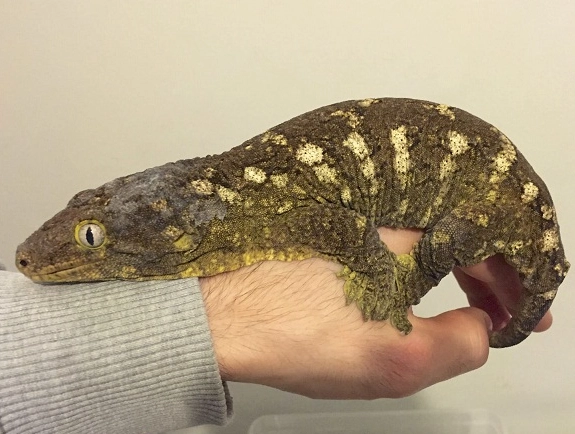
1. The "Fruit-Only" Diet. This is the fastest path to Metabolic Bone Disease (MBD). The calcium-to-phosphorus ratio in fruit is abysmal. Without the balanced nutrition of CGD or insects, they develop weak, rubbery bones.
2. Ignoring Gut-Loading. Feeding your gecko a cricket that's been eating cardboard is like you eating a burger made from a cow that only ate styrofoam. Zero nutritional value.
3. Inconsistent Supplementation. Haphazard dusting leads to deficiencies or toxicities. Have a written schedule. If you use a low-output UVB light (like a shadedweller kit), your gecko can synthesize some D3, so you use less supplement with D3. No UVB? You must provide all D3 through diet. The UVGuide UK site, though technical, is the gold standard for understanding reptile UV requirements.
4. Overfeeding Adults. A fat gecko is an unhealthy gecko. It stresses their organs and leads to fatty liver disease. A healthy adult crestie tail should be nicely rounded, not look like a overstuffed sausage.
5. Using Deep or Slippery Food Bowls. This seems minor, but it matters. A deep ceramic bowl can be hard for them to climb into. A slick plastic bowl can cause stress if they slip. Use a shallow, wide dish with a textured interior, like a ceramic pet food saucer.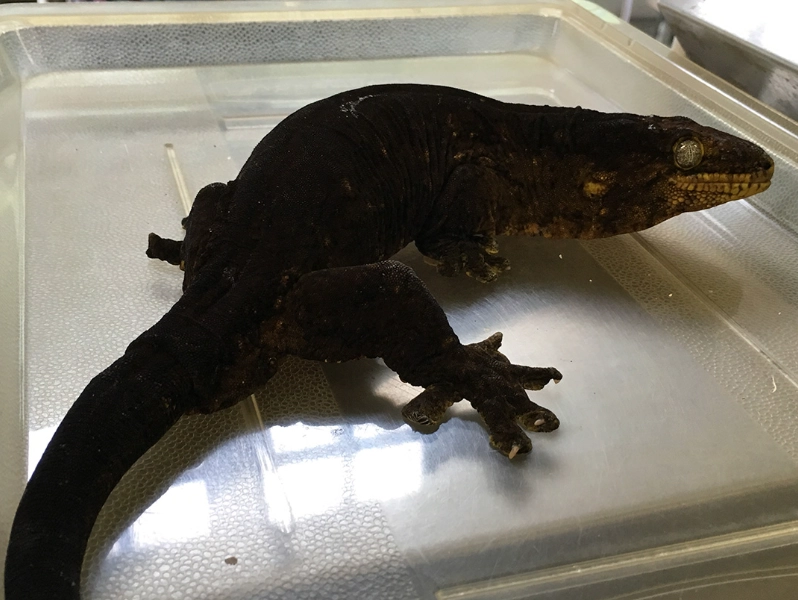
Expert Answers to Your Trickiest Feeding Questions
My gecko only licks the CGD juice and leaves the paste behind. Is it eating enough?
This is incredibly common with new geckos or when introducing a new flavor. They're getting some nutrients, but not enough. Try mixing it slightly runnier at first. You can also dab a tiny bit on their nose to encourage tasting. The real fix is often persistence and brand/flavor rotation. I had a picky breeder who ignored Repashy for a week but devoured Pangea's Fig & Insects flavor immediately.
Can I skip live insects entirely if my gecko eats CGD well?
For an adult, non-breeding Crested Gecko, you can probably get away with it, but I wouldn't recommend it. It's a missed opportunity for enrichment and guaranteed high-quality protein. For Leachianus geckos and all juveniles, insects are essential. Think of CGD as the reliable staple, and insects as the vitality-boosting superfood.
How do I know if I'm under or over-supplementing with calcium?
Signs of deficiency (MBD) include a wobbly gait, tremors, a soft or kinked jaw, and reluctance to climb. Over-supplementation, particularly of Vitamin D3, is harder to spot but can cause calcification of soft tissues. The safest route is to follow a conservative, consistent schedule. For an adult with no UVB, dusting insects with a Calcium + D3 powder twice a week and a multivitamin once a week is a solid baseline. When in doubt, a reptile vet can do blood work.
My gecko suddenly stopped eating. What's the first thing I should check?
Don't panic. First, check the environment. Is the temperature between 72-78°F (22-26°C) at night with a slight daytime drop? Is it too dry or too humid? Stress from incorrect housing is the #1 cause of appetite loss. Second, check for signs of impaction (a swollen belly, no poop). Third, consider breeding season—adult males often go off food for weeks. If all parameters are perfect and the fast lasts more than 3-4 weeks, consult a vet.
Are there any "human food" shortcuts I should avoid?
Yes. Avoid yogurt or dairy-based products—reptiles are lactose intolerant. Avoid any processed sugar (like honey or syrup). The "fruit baby food" shortcut is outdated and nutritionally incomplete compared to modern CGDs. Stick to the plan: high-quality CGD, properly prepared insects, and the occasional fruit treat. It's simpler and far safer in the long run.
The diet for your New Caledonian Giant Gecko isn't complex, but it requires attention to detail. Get the foundation right with a reputable complete diet, use insects strategically, and supplement with care. Avoid the common pitfalls of overfeeding and inconsistency. Watch your gecko, adjust based on its body condition and life stage, and you'll have a thriving, vibrant pet for decades. The effort you put into their nutrition is the single biggest factor in their health and longevity.
Reader Comments