Quick Navigation
Are California kingsnakes good pets? Absolutely, but let's cut to the chase—they're fantastic for the right person, and a headache for the wrong one. I've kept reptiles for over a decade, and kingsnakes are among my favorites because they're hardy, docile, and relatively low-maintenance. But I've also seen beginners mess up basic care, leading to stressed snakes and vet bills. In this guide, I'll walk you through everything from temperament to tank setup, so you can decide if a California kingsnake fits your lifestyle.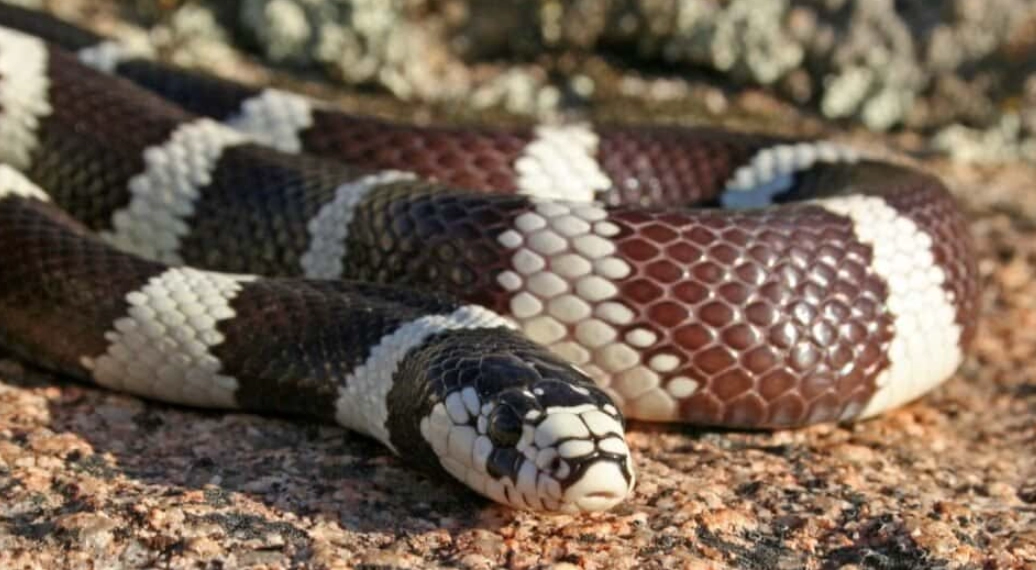
What Are California Kingsnakes?
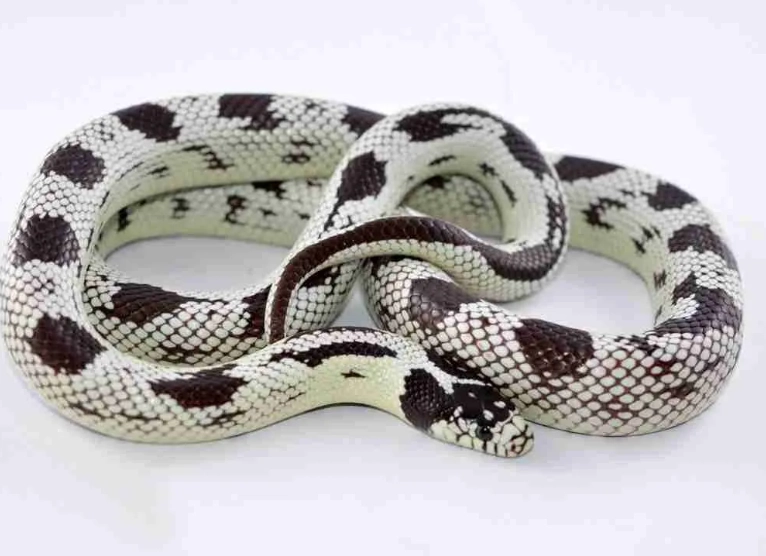
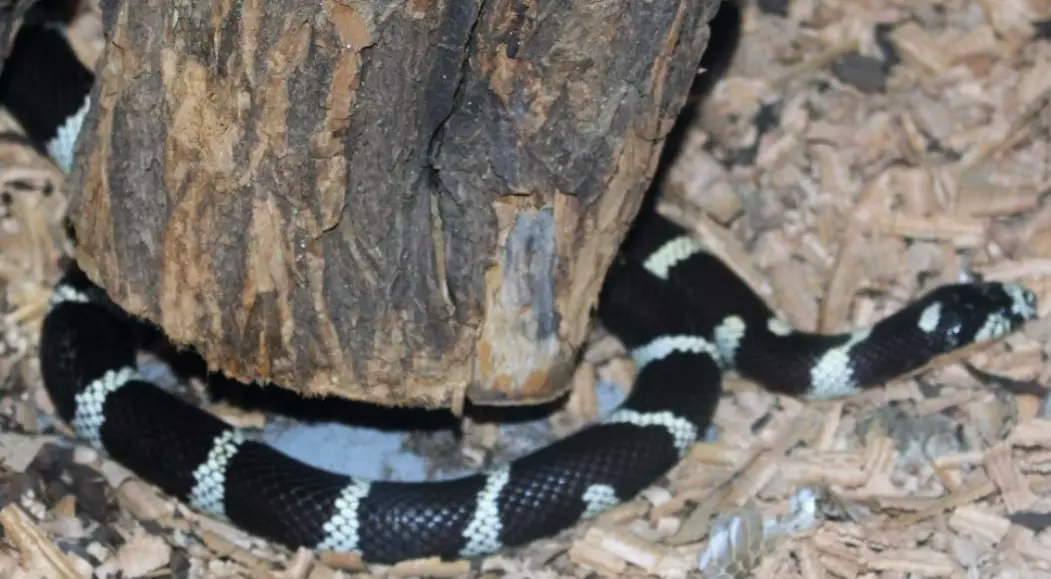
California kingsnakes (Lampropeltis californiae) are non-venomous constrictors native to the western United States and Mexico. They're known for their striking banded patterns—typically black and white or brown and yellow—and can grow to 3-4 feet long. In the wild, they eat rodents, birds, and even other snakes, which gives them a tough reputation. But in captivity, with proper handling, they calm down quickly. I remember my first kingsnake, a rescued adult that took weeks to stop musking (that's a defensive smell), but now it's as gentle as a puppy.
Fun fact: Kingsnakes are immune to rattlesnake venom, which makes them fascinating pets for herpetology enthusiasts. But don't worry, you won't need antivenom at home!
Pros and Cons of Keeping a California Kingsnake as a Pet
Before diving into care, weigh the good and bad. Here's a table based on my experience and reports from the Herpetological Society:
| Pros | Cons |
|---|---|
| Generally docile and easy to handle | Can be nippy as juveniles (but they outgrow it) |
| Hardy and adaptable to captivity | Require specific temperature and humidity levels |
| Low feeding frequency (every 7-10 days for adults) | Need frozen-thawed rodents, which some find off-putting |
| Long lifespan (15-20 years with good care) | Initial setup cost can be $300-$500 |
| Great for beginners due to simple diet | Not ideal for those wanting interactive pets like dogs |
One con I rarely see mentioned: kingsnakes are escape artists. I lost one for a week because I skimped on lid security—it ended up behind the fridge, unharmed but dusty. So, invest in a tight-fitting enclosure.
California Kingsnake Care Requirements
Care isn't rocket science, but details matter. Skip a step, and you might deal with shedding issues or refusal to eat.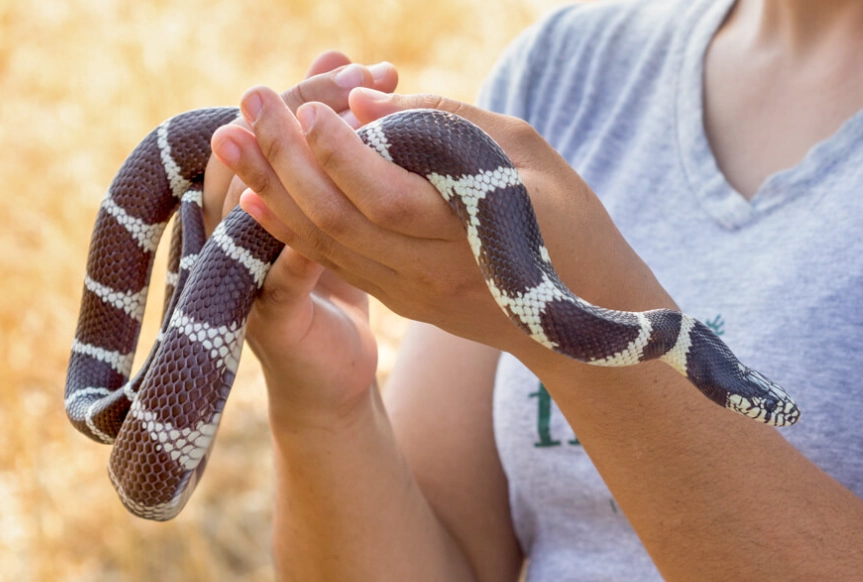
Housing and Enclosure Setup
A 20-gallon tank works for juveniles, but adults need at least a 40-gallon breeder (36"x18"x16"). Glass terrariums with screen tops are popular, but PVC cages hold heat better. I prefer PVC because it reduces drafts—kingsnakes hate sudden temperature drops. Substrate? Aspen shavings are cheap and safe, but avoid cedar or pine; they release toxic oils. Add hides on both warm and cool sides, a water bowl big enough for soaking, and some fake plants for enrichment. Don't overdo decor; snakes like open space to explore.
Feeding and Diet
Feed frozen-thawed rodents, never live prey—live rodents can injure your snake. Juveniles eat pinky mice every 5-7 days, adults take adult mice or small rats every 7-10 days. Thaw rodents in warm water (not a microwave) and offer with tongs. If your kingsnake refuses food, check temperatures first; I've seen many cases where a slight drop in heat leads to fasting. Also, avoid handling for 48 hours after feeding to prevent regurgitation.
Temperature and Humidity
This is where beginners slip up. Provide a thermal gradient: warm side at 85-88°F, cool side at 75-78°F. Use an under-tank heater with a thermostat—never rely on heat lamps alone, as they dry out the air. Night drops to 70°F are fine. Humidity should be 40-60%; mist lightly during sheds. I use a digital hygrometer because analog ones are often inaccurate. Too dry, and sheds get stuck; too humid, and scale rot develops.
Handling and Temperament
California kingsnakes are generally calm, but start with short, frequent sessions. Support their body fully—don't dangle them. If they musk or bite (rare for adults), stay calm; it's a defense mechanism. My friend's kingsnake bit her once when she smelled like food, so wash hands before handling. With time, they become tolerant pets, but they're not cuddly; expect observation over interaction.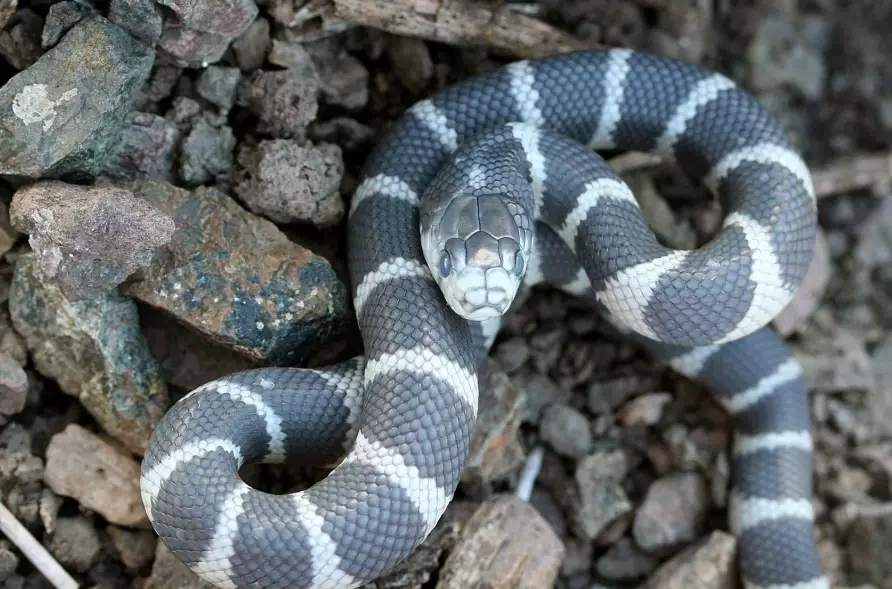
Common Mistakes to Avoid
After years in reptile forums and local clubs, I've noticed patterns. Here are pitfalls that even experienced keepers sometimes miss:
- Overfeeding: Kingsnakes are opportunistic eaters and can become obese. Stick to a schedule based on prey size, not snake enthusiasm.
- Ignoring quarantine: If you add new reptiles, quarantine for at least 30 days to prevent disease spread. I learned this the hard way with a mite outbreak.
- Using loose substrate with feeding: Aspen is great, but feed in a separate container to avoid ingestion of bedding, which can cause impaction.
- Neglecting vet visits: Find a reptile-savvy vet early. Annual check-ups catch issues like parasites or respiratory infections before they escalate.
Another subtle error: placing the enclosure in high-traffic areas. Snakes stress from constant vibration, so keep tanks in quiet spots. I moved mine from the living room to a spare bedroom, and its behavior improved noticeably.
Frequently Asked Questions
 What's the biggest challenge in keeping a kingsnake healthy?
 In summary, California kingsnakes make excellent pets for those willing to invest time in setup and routine care. They're not for everyone—if you want a pet to play fetch, look elsewhere. But if you enjoy observing a beautiful, low-maintenance creature, a kingsnake could be perfect. Start with research, connect with breeders, and prepare your enclosure before bringing one home. From my experience, the joy of seeing a healthy kingsnake thrive outweighs the initial learning curve.
Reader Comments