Quick Guide
- Getting to Know Your Musk Turtle: More Than Just a Smelly Reptile
- The Non-Negotiable Musk Turtle Habitat Setup
- Feeding Your Musk Turtle: It's Not Just Turtle Pellets
- Behavior and Handling: What's Normal for a Musk Turtle?
- Common Health Issues and How to Prevent Them
- Frequently Asked Questions (The Real Ones People Ask)
- Final Thoughts: Is a Musk Turtle Right for You?
So you're thinking about getting a musk turtle. Or maybe you already have one and you're staring at it, wondering if that tiny tank from the pet store is really enough. I've been there. I remember getting my first common musk turtle, a little guy I named Mortimer, and realizing the care sheet I got was about as useful as a screen door on a submarine. It said "easy to care for" and left out all the important stuff.
Let's cut through the noise. Musk turtles, especially the common musk turtle (Sternotherus odoratus), are popular for a reason. They're small, they have personality, and they don't need a swimming pool-sized tank. But "easy" doesn't mean "no maintenance." If you want your little shelled friend to live a full, healthy life (and they can live for decades!), you need to get the setup right from the start. This guide is everything I wish I'd known, mixed with advice from experienced keepers and reputable sources.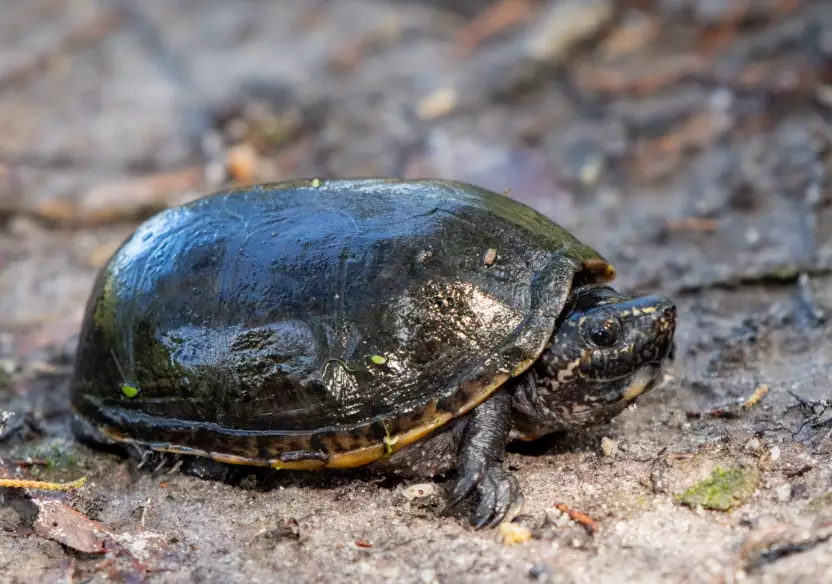
Quick Reality Check: A musk turtle is a 30+ year commitment. They're not a decoration. They need clean water, proper heat, the right food, and space to explore. If you're not ready for that, a plush toy might be a better choice. Seriously.
Getting to Know Your Musk Turtle: More Than Just a Smelly Reptile
The name "musk turtle" comes from their defense mechanism. When scared, they can release a musky, unpleasant odor from glands near the edge of their shell. It's not something they do all the time—my Mortimer has only done it a handful of times in years, usually when being handled by a new person. It's their way of saying "back off!"
They're primarily aquatic, but they are not strong swimmers. You'll often find them walking along the bottom of their tank rather than gracefully gliding through the water like a slider. They have long necks and a small, pointed head, which gives them a kind of curious, alert look. Their shell is highly domed and can range from dark brown to almost black, often with little specks or streaks.
Personality? They've got it.
Some are shy, hiding under logs all day. Others are voracious little beggars who will sprint (well, as much as a turtle can sprint) across the tank when they see you, hoping for food. This variability is part of the fun. You're not getting a generic pet; you're getting an individual.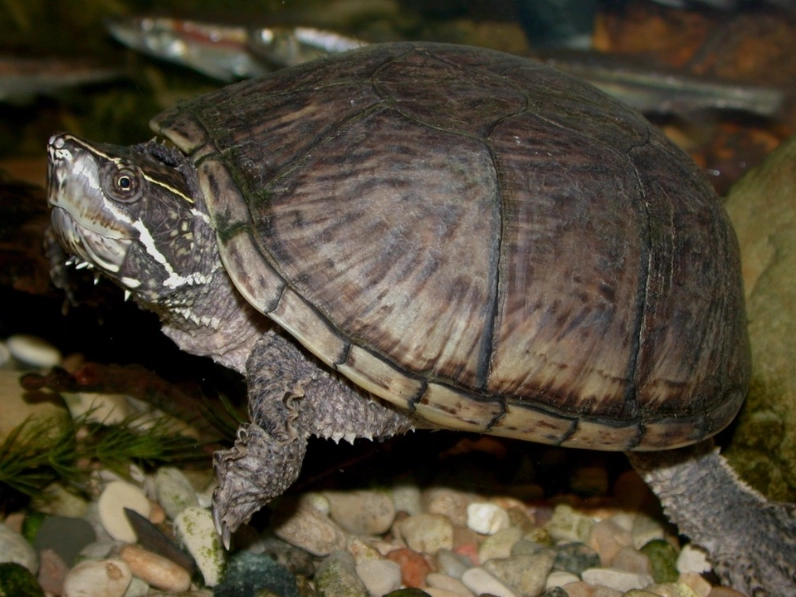
The Non-Negotiable Musk Turtle Habitat Setup
This is where most beginners go wrong. They follow the outdated "10 gallons per inch of shell" rule and end up with a cramped, dirty environment. For a single adult common musk turtle, I'm a firm believer in starting at a 40-gallon breeder tank (that's the wider, shorter version). It gives them floor space to roam, which is what they use most. A long, low tank is better than a tall, narrow one.
My Biggest Mistake: I started Mortimer in a 20-gallon "starter kit." Within a year, he was visibly bored and pacing the glass. Upgrading to a 40-gallon breeder was like night and day. He started exploring, digging, and just seemed more content. The initial cost is higher, but you'll save money and stress in the long run by not having to upgrade later.
Water: The Foundation of Everything
Water quality isn't just important; it's everything. Poor water leads to shell rot, skin infections, and a miserable turtle.
- Depth: Since they're not Olympic swimmers, provide a water depth of 1.5 to 2 times the length of the turtle's shell. For an adult, that's usually 10-16 inches of water. This gives them room to swim a bit but also ensures they can easily push off the bottom to reach the surface for air.
- Filtration: You need a filter rated for at least 2-3 times the volume of your tank. Turtles are messier than fish. A canister filter is the gold standard—it's quieter, more efficient, and easier to maintain than hang-on-back filters. I use a Fluval canister filter, and the water stays crystal clear for weeks.
- Heating: A submersible aquarium heater is essential. Musk turtles need a water temperature between 75°F and 80°F (24°C - 27°C). Get a heater with an external guard or place it inside a protective case so your curious turtle doesn't burn itself. A reliable thermometer (not the sticker kind) is mandatory to double-check the temperature.
Basking Area: Yes, They Absolutely Need One
I've heard people say, "My musk turtle never basks, so I didn't bother." This is backwards. You must provide the option. Even if they use it infrequently, it's crucial for regulating body temperature and drying out their shell, which helps prevent fungal infections.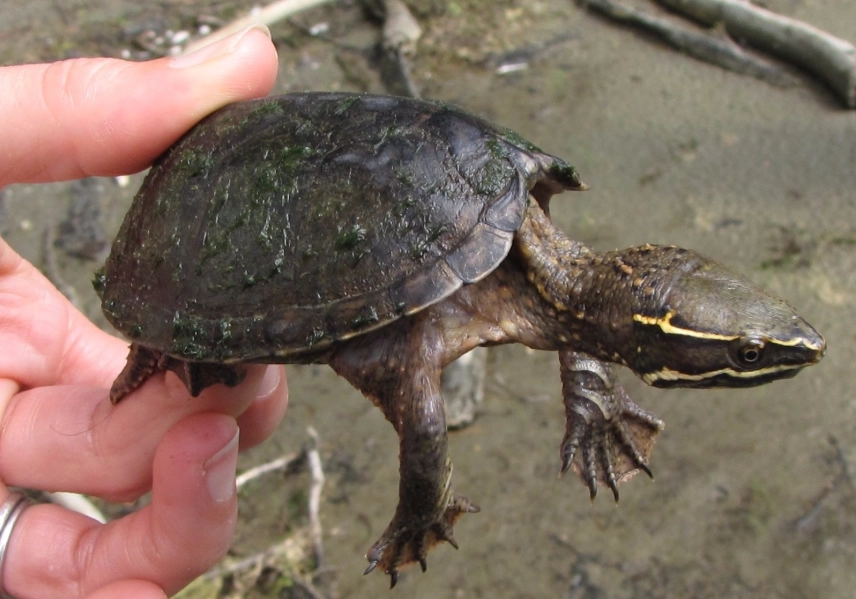
The basking spot should be completely out of the water, dry, and easily accessible. The air temperature at the basking site should be around 85°F - 90°F (29°C - 32°C). You achieve this with a heat lamp (like a ceramic heat emitter or a reptile basking bulb) positioned over the platform. A separate UVB lamp is also non-negotiable. UVB light allows the turtle to synthesize vitamin D3, which is necessary to metabolize calcium for strong bones and shell. Without it, they can develop Metabolic Bone Disease (MBD), a serious and painful condition.
Pro Tip: Don't skimp on the UVB bulb. Get a linear fluorescent tube (like Zoo Med's ReptiSun 5.0 or 10.0) that spans about half the tank's length. The compact coil bulbs just don't provide adequate coverage. Replace the UVB bulb every 6-12 months, even if it still lights up, as the UV output diminishes over time.
Substrate and Decor: Making it a Home
Bare-bottom tanks are easy to clean but offer zero enrichment. Fine sand or very small, smooth gravel is a good choice—just avoid anything they could possibly swallow. I use pool filter sand. It's cheap, inert, and my musk turtle loves to dig and bury himself in it.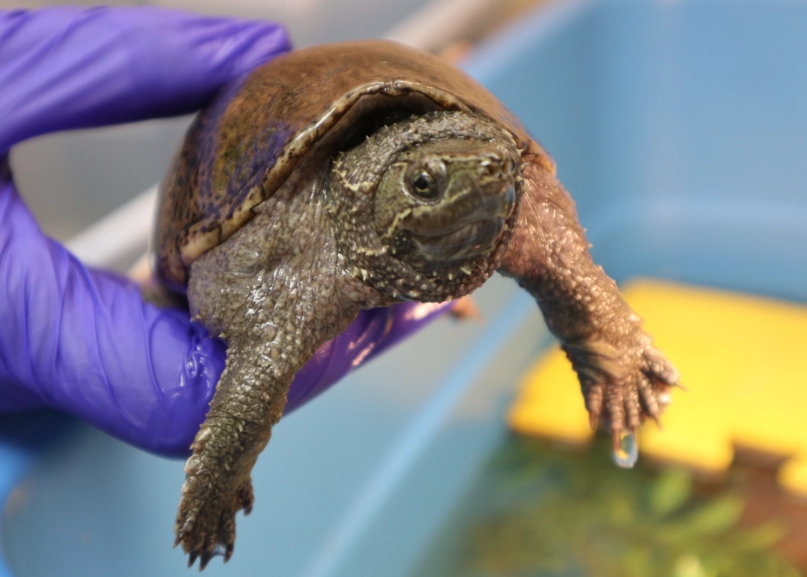
Add things to break up the space and provide hiding spots. PVC pipes, terracotta pots on their sides, and smooth rocks stacked securely are great. Live or artificial plants offer cover. Just know that a hungry musk turtle might nibble on live plants. Java fern and anubias are usually safe bets as they can be attached to decor above the substrate.
| Equipment | Minimum Recommendation | Why It's Critical |
|---|---|---|
| Tank Size | 40-gallon breeder for one adult | Provides adequate floor space for roaming and exploration, reducing stress. |
| Filter | Canister filter rated for 80+ gallons | Handles the high bioload of a turtle, keeping water clean and reducing ammonia/nitrite spikes. |
| Water Heater | Submersible, adjustable, with guard (e.g., 100-150W for 40 gal) | Maintains stable metabolic temperature. Cold water leads to inactivity, poor digestion, and illness. |
| Basking Platform | Dry, stable area large enough for the turtle to sit completely out of water | Allows for thermoregulation and shell drying, preventing shell rot and promoting overall health. |
| Heat Lamp & UVB Lamp | Separate fixtures: Basking bulb (50-75W) & T5 HO UVB 5.0/10.0 tube | Heat aids digestion; UVB is essential for calcium metabolism and preventing Metabolic Bone Disease. |
| Water Conditioner | Reptile-safe water conditioner (e.g., Seachem Prime) | Removes chlorine/chloramines from tap water, which are toxic to turtles and filter bacteria. |
Feeding Your Musk Turtle: It's Not Just Turtle Pellets
In the wild, common musk turtles are opportunistic omnivores, eating insects, snails, worms, small fish, and some plant matter. Replicating this variety is key to good health in captivity.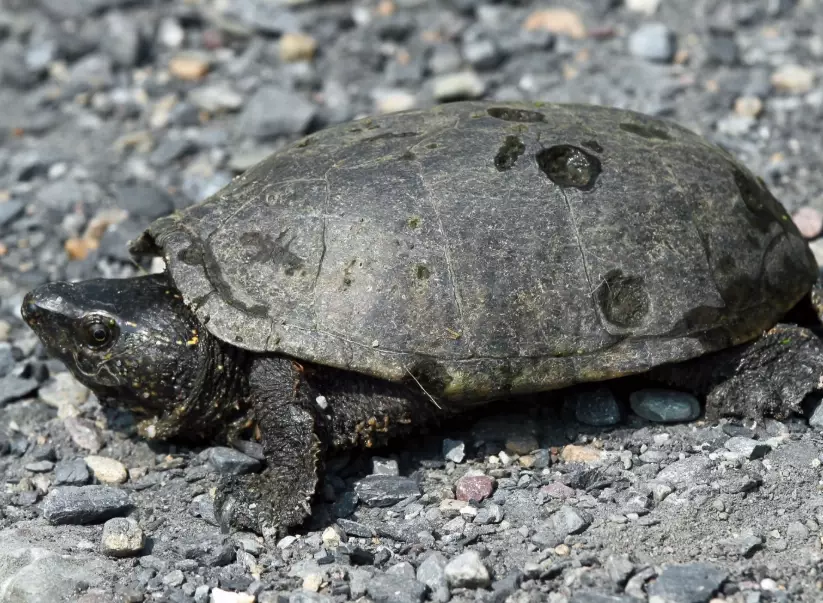
A high-quality commercial turtle pellet should form the base of the diet, but it shouldn't be the only thing. Look for pellets with a good protein source (like fish or shrimp meal) listed first. I rotate between a couple of brands to cover nutritional bases.
Now for the fun part: supplementation. Offer these as treats a few times a week:
- Protein: Live or frozen/thawed bloodworms, brine shrimp, mysis shrimp, small earthworms (cut up if needed), and the occasional feeder guppy or snail (which also provides shell-crushing enrichment).
- Greens/Vegetables: Musk turtles aren't huge plant eaters, but some will take bites of leafy greens like romaine lettuce, dandelion greens, or sliced zucchini. Don't force it, but always offer.
Mortimer goes absolutely crazy for earthworms. It's his favorite thing in the world. The way he tears into them is a little gruesome, but it's a clear sign of a happy, engaged turtle. Watching their natural hunting behaviors is one of the best parts of keeping them.
How much and how often? Juveniles should be fed daily, as much as they'll eat in a 5-10 minute period. Adults can be fed every other day, or a smaller amount daily. A good rule of thumb is to offer an amount of food roughly the size of the turtle's head (excluding the neck). Overfeeding is a huge problem—it leads to obesity, fatty liver disease, and pollutes the water faster.
Calcium is crucial.
Dust food with a pure calcium supplement (without added vitamin D3) once or twice a week. Since you're providing proper UVB, they'll make their own D3 to use that calcium. A cuttlebone (the kind sold for birds) can also be left floating in the tank; some turtles will gnaw on it directly.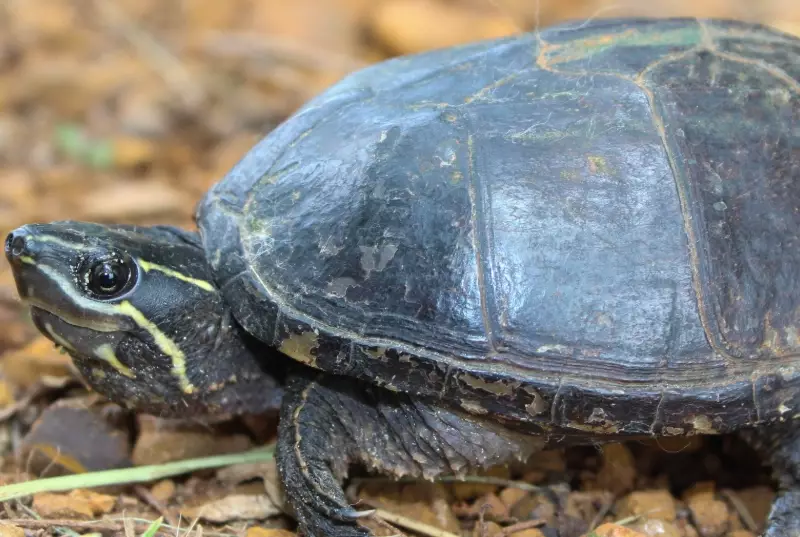
Behavior and Handling: What's Normal for a Musk Turtle?
Understanding their behavior helps you spot when something is wrong.
They are often most active at dawn, dusk, and night. Don't be alarmed if you rarely see your musk turtle moving during the middle of the day—that's normal. They spend a lot of time resting on the bottom, hidden under decor, or perched on a branch near the surface.
They can be surprisingly social with their own kind, but cohabitation requires caution and a much larger tank. Males can be territorial. If you want more than one, a heavily decorated tank with multiple visual barriers and basking spots is a must, and be prepared to separate them if aggression occurs.
As for handling, keep it to a minimum. They are observation pets, not cuddle buddies. Excessive handling causes stress. When you must handle them (for tank cleaning, etc.), be gentle and support their whole body. Always wash your hands before and after—they can carry Salmonella, though the risk is low with good hygiene and a healthy turtle.
Common Health Issues and How to Prevent Them
Most health problems stem from poor habitat conditions. Here’s what to watch for:
- Shell Rot (Ulcerative Shell Disease): This starts as white, pink, or discolored patches on the shell that may feel soft or smell bad. It's caused by bacteria or fungi thriving in dirty water or on a shell that never dries out. Prevention: Impeccable water quality and a proper, dry basking area. Treatment for mild cases involves dry-docking and topical antiseptics prescribed by a vet.
- Metabolic Bone Disease (MBD): Symptoms include a soft or rubbery shell, pyramiding (raised scutes), swollen limbs, and lethargy. It's caused by a lack of calcium, improper calcium-to-phosphorus ratio in the diet, or—most commonly—a lack of UVB light. Prevention: Proper UVB lighting, calcium supplementation, and a balanced diet. MBD is often irreversible in advanced stages.
- Respiratory Infections: Bubbles from the nose or mouth, wheezing, gasping at the surface, lethargy, and swimming lopsided. Often caused by water that is too cold or poor water quality. Prevention: Stable, warm water temperatures and clean water. Requires veterinary treatment with antibiotics.
- Parasites: Internal parasites are common in wild-caught turtles and can sometimes appear in captive-bred ones. Signs include diarrhea, weight loss despite a good appetite, or visible worms in feces. A fecal exam by an exotic vet can diagnose this.
The single best thing you can do for your musk turtle's health is to find a qualified exotic animal veterinarian before you have an emergency. Not all vets see reptiles. The Association of Reptilian and Amphibian Veterinarians (ARAV) has a directory to help you find one. Regular check-ups are a good idea.
Frequently Asked Questions (The Real Ones People Ask)
Do musk turtles need a water heater?
Absolutely, 100% yes. Unless your home is constantly between 75-80°F, you need an aquarium heater. Cold water suppresses their immune system and digestion. A heater with an adjustable thermostat is a basic requirement, not a luxury.
Why is my musk turtle not basking?
It could be several things. The basking area might be too exposed and they feel vulnerable. Try adding more visual cover around it. The temperature might be wrong—too hot or not hot enough. Check with a thermometer. Some individuals are just shyer and bask only when no one is around. Set up a cheap security camera to see if they use it at night!
Can musk turtles live with fish?
This is a classic "can" vs. "should" situation. Can they? Technically. Should they? Probably not. Most fish will eventually become an expensive snack. Fast fish like danios or white cloud minnows might survive longer, but you're essentially creating a live feeding environment. Also, some fish (like goldfish) are fatty and not nutritious for turtles. It's less stressful for everyone to keep them separate.
How often should I clean the musk turtle tank?
Daily: Remove any uneaten food after 15 minutes. Weekly: Use a gravel vacuum during a partial water change of 25-50%. Monthly: Rinse filter media in old tank water (never tap water, as it kills beneficial bacteria) and clean algae from the glass. The goal is stable, clean water, not sterile conditions. For detailed water quality guidelines, resources like the Partners in Amphibian and Reptile Conservation (PARC) offer general husbandry principles that emphasize consistency.
Is my musk turtle male or female?
Males typically have a longer, thicker tail with the vent (cloaca) positioned past the edge of the shell. Females have a shorter, thinner tail with the vent closer to the body. Males may also have rougher patches on the insides of their hind legs. It's easiest to sex them once they are near adult size.
Final Thoughts: Is a Musk Turtle Right for You?
Look, I love my musk turtle. He's a fascinating little creature that brings me a lot of joy. But I'm also honest about the work. You're committing to a pet that needs specific equipment, regular maintenance, and a specialized vet. The startup cost for a proper musk turtle setup can be several hundred dollars.
If you're willing to invest the time, money, and effort into creating the right environment, a common musk turtle can be a wonderfully rewarding pet. You'll get to observe a unique aquatic animal with its own personality and behaviors.
If you want a pet you can hold and play with daily, or if you're looking for a truly "low-maintenance" animal, this isn't it. But if you're captivated by the idea of creating a miniature aquatic ecosystem and watching a tiny dinosaur thrive because of your care, then welcome to the club. Do your research, set up the tank correctly before you bring the turtle home, and you'll be setting yourself—and your new musk turtle—up for decades of success.
Still have questions? Reputable forums and care sheets from organizations like the Herpetologists' League or detailed care guides from established exotic pet websites can provide further reading. Always cross-reference information.
Reader Comments