Quick Navigation
- Why a Ball Python? The Good, The Okay, and The "You Should Know"
- The Ball Python Enclosure: Building a Home, Not a Prison
- Tank vs. Tub vs. PVC Cage: The Great Debate
- The Non-Negotiables: Heat, Humidity, and Hides
- Heating: Creating a Sunny Spot and a Cool Corner
- Humidity: The Shedding Savior
- Hides: Security is Everything
- Feeding Your Ball Python: Navigating the Hunger Strikes
- Health Check: Knowing a Healthy Ball Python
- Handling and Enrichment: It's Not Just a Decoration
- Ball Python Morphs: A Rainbow of Genetics
- Your Ball Python Questions, Answered
- Top 3 Mistakes New Ball Python Owners Make (And How to Avoid Them)
So you're thinking about getting a ball python. Good choice. Really. Out of all the pet snakes out there, the ball python (scientifically known as Python regius) is often the one people point to when they say "beginner snake." And for the most part, they're right. These guys are generally docile, they don't get monstrously large, and their care requirements are pretty straightforward once you get the hang of it.
But here's the thing I wish someone had told me years ago when I got my first one: "straightforward" doesn't mean "set it and forget it." I made mistakes. My first ball python's enclosure was a sad, bare tub with a heat pad stuck to the bottom and a water bowl. He ate, he shed, he seemed fine. But looking back, it was just surviving, not thriving. There's a big difference.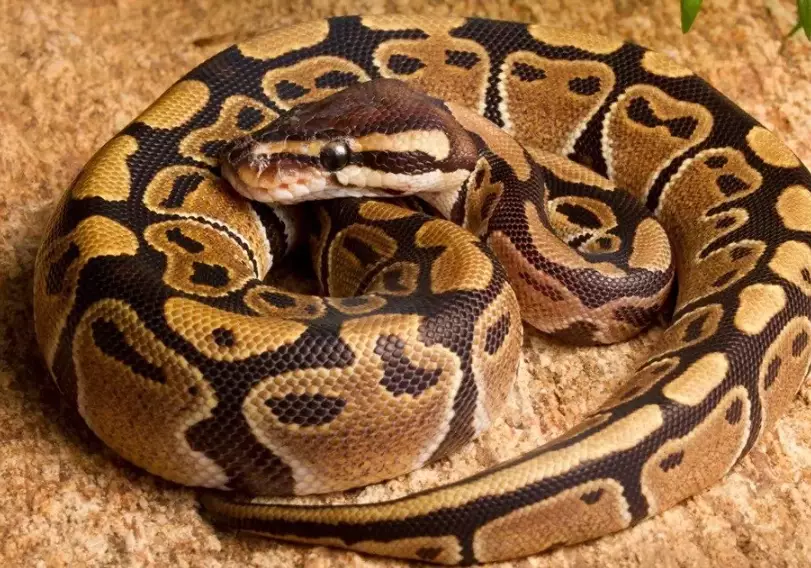
This guide is everything I've learned since then, through my own trial and error and chatting with breeders and reptile vets. We're going to skip the fluff and get into the real, practical stuff you need to know before you bring a ball python home, and everything to keep it healthy for the 20 to 30 years it might be with you. Yeah, they live that long. Commitment is real.
Why a Ball Python? The Good, The Okay, and The "You Should Know"
Let's be real, no pet is perfect. Everyone gushes about how great ball pythons are (and they are!), but let's balance that out.
The Undeniable Good Stuff
- Personality Plus (for a snake): They're known for being calm and tolerant of handling. Their famous "ball" defense mechanism—curling into a tight ball when scared—is more cute than threatening. They rarely bite, and when they do, it's usually a feeding mistake (more on that later).
- Size Matters (in a good way): Most adult ball pythons top out between 3 to 5 feet. You won't need a room-sized enclosure. A full-grown female might look impressively thick, but they're manageable.
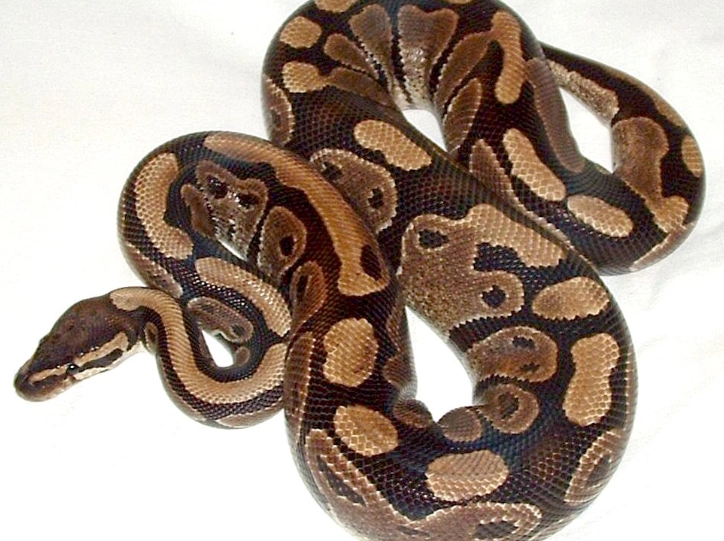
- The Variety is Insane: This is a huge draw. The world of ball python morphs is vast. From the classic "Normal" with its beautiful brown and gold pattern to stark white Blue-Eyed Lucys, pieds with big white patches, and everything in between. The genetics are fascinating, but it's a rabbit hole. A beautiful, expensive rabbit hole.
The "You Should Know" Side
- They Can Be Picky Eaters: This is the number one headache for new owners, hands down. A ball python might decide it doesn't like rats this week, or it only wants live, or it's going on a hunger strike because the seasons changed. It's stressful. You need patience.
- They're Nocturnal & Secretive: Don't expect a showpiece that's always out and about. Your ball python will spend most of its day hiding. That's normal and healthy! You'll see it most at dawn/dusk.
- Long-Term Commitment: I'm saying it again. 20-30 years. That's a potential lifetime pet. Think about your future plans.
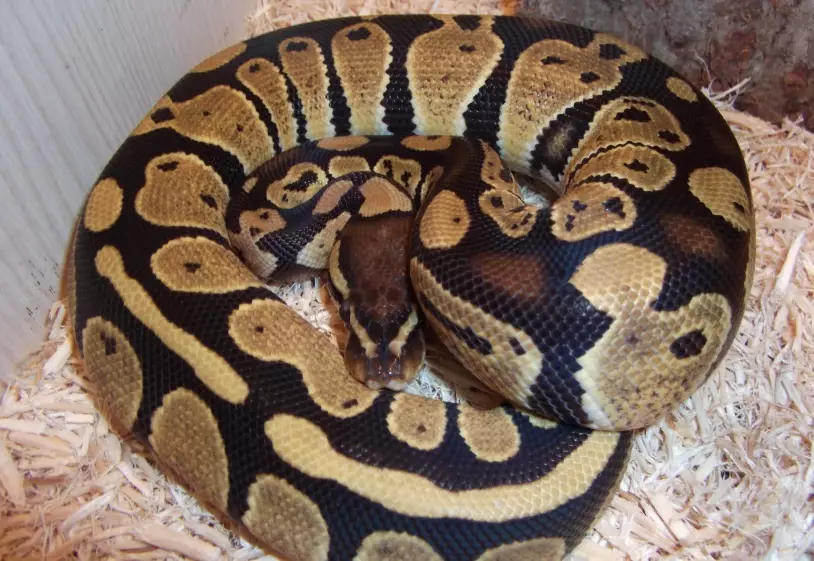
See? Balanced. If you're okay with a sometimes-finicky, often-hidden, long-lived pet that's otherwise wonderful, you're on the right track.
The Ball Python Enclosure: Building a Home, Not a Prison
This is where most first-timers, including past me, mess up. The enclosure isn't just a box to keep the snake in. It's its entire world. You need to replicate key parts of its West African grassland/forest floor home.
Tank vs. Tub vs. PVC Cage: The Great Debate
Let's break down the options, because each has pros and cons that really matter.
Temporary setups or very dry climates (with heavy modification).
Beginners on a budget or dedicated breeders. Function over form.
Any serious keeper. The investment is 100% worth it for a permanent home.
| Enclosure Type | Pros | Cons | Best For... |
|---|---|---|---|
| Glass Aquarium/Tank | Widely available, great visibility. | Terrible at holding heat/humidity, often too open/stressful, heavy. | Temporary setups or very dry climates (with heavy modification). |
| Plastic Storage Tub (Sterilite, etc.) | Cheap, excellent at holding heat/humidity, lightweight, private. | Looks unattractive, visibility is poor, can be chewed through if poorly secured. | Beginners on a budget or dedicated breeders. Function over form. |
| PVC Reptile Enclosure | Best overall. Great heat/humidity retention, front-opening doors, lightweight, looks clean. | More expensive upfront, usually shipped flat-pack. | Any serious keeper. The investment is 100% worth it for a permanent home. |
I started with a glass tank. I was constantly fighting to keep the humidity above 40%. I sprayed water 3 times a day. My snake had a terrible shed. I switched to a PVC cage from a company like Animal Plastics and it was a night-and-day difference. Seriously, just start with PVC if you can.
Size Does Matter Here Too
The old "20-gallon for life" rule is outdated and cruel in my opinion. A ball python should be able to fully stretch out. The Reptifiles care guide, which is an excellent resource, recommends a minimum of 4'x2'x2' (120 gallons) for an adult. That gives space for a proper thermal gradient, multiple hides, and some enrichment.
For a juvenile, you can start in a smaller tub or a 20-40 gallon enclosure, but plan to upgrade within a year or two.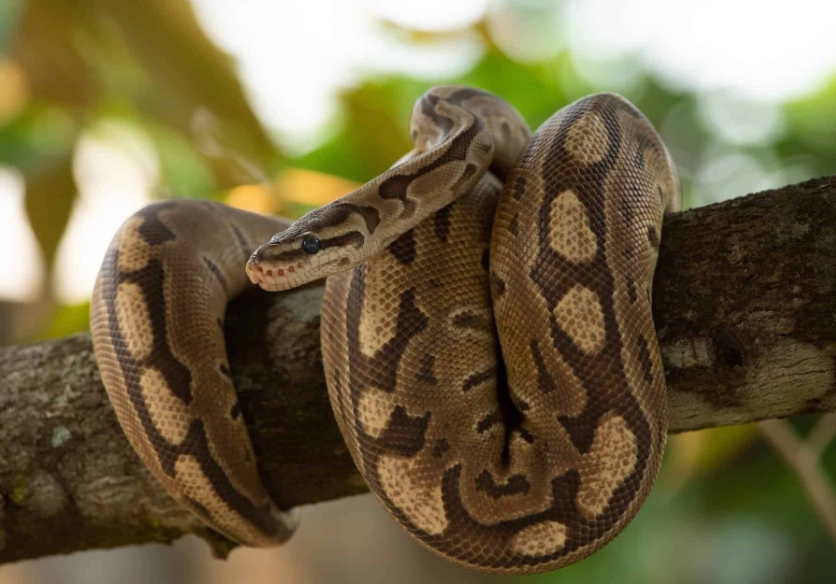
The Non-Negotiables: Heat, Humidity, and Hides
Get these three things wrong, and nothing else matters. Your ball python will get sick.
Heating: Creating a Sunny Spot and a Cool Corner
Ball pythons are ectotherms. They can't make their own heat. You need to provide a temperature gradient.
- Warm Side: 88-92°F (31-33°C). This is where you place the primary heat source (like a halogen flood bulb for day heat or a ceramic heat emitter for 24/7 heat) and the "warm hide."
- Cool Side: 76-80°F (24-27°C). No direct heat here. This is where the "cool hide" goes.
- Ambient/Night Temp: Can drop to the low 70s, but not below 75°F consistently.
Infrared temperature guns are your best friend for checking surface temps. Don't just rely on a sticky dial on the wall.
Humidity: The Shedding Savior
This is the silent killer of good sheds. Aim for 60-70% humidity at all times. Bump it to 70-80% when you see those blue, cloudy eyes that signal the start of a shed cycle.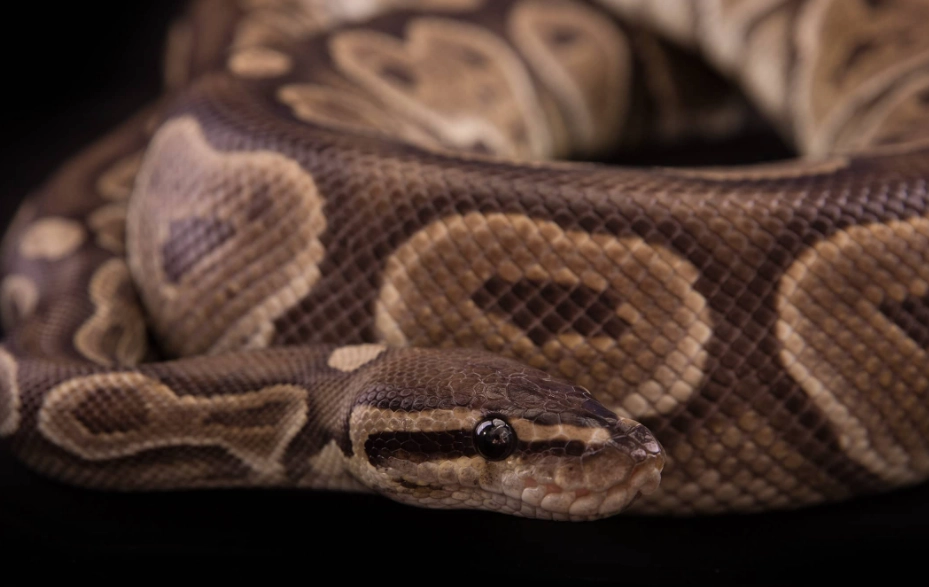
How to maintain it?
- Use a humidity-friendly substrate like coconut husk, cypress mulch, or a topsoil/sand mix.
- Pour water into the corners of the substrate (not just misting the surface) to wet the bottom layers.
- Use a PVC or tub enclosure that holds moisture in.
- Provide a humid hide—a fully enclosed box filled with damp sphagnum moss.
If your ball python's shed comes off in a dozen tiny pieces, your humidity is too low. A perfect shed comes off in one complete piece, like pulling off a sock.
Hides: Security is Everything
Two hides. Minimum.
One on the warm end, one on the cool end. They should be snug, with just enough room for the snake to curl up inside and touch the sides. A hide that's too big is useless. I like the simple, opaque plastic ones like Exo Terra's Snake Cave or even a sturdy cardboard box with a hole cut in it (replace when soiled).
Feeding Your Ball Python: Navigating the Hunger Strikes
Ah, feeding. The most common source of anxiety. Let's demystify it.
What to feed? Appropriately sized frozen/thawed rodents. Rats are better than mice for adults, as they are more nutritious. A good rule of thumb: the rodent should be about as wide as the widest part of the snake's body.
How often?
- Hatchlings/Juveniles (under 1 year): Every 5-7 days.
- Sub-Adults (1-3 years): Every 7-10 days.
- Adults (3+ years): Every 10-14 days, or even less for a large adult.
Overfeeding is a real problem and leads to a fat, unhealthy snake. A slightly lean ball python is a healthy one.
The Dreaded Hunger Strike: What to Do
Your ball python hasn't eaten in 6 weeks. Panic mode? Not yet. First, check your husbandry. Is the temperature and humidity perfect? Is it stressed (not enough hides, too much traffic)? If all is well, try these tricks:
- Switch Prey Type: Offer a rat if you usually offer a mouse, or vice versa.
- Switch Colors: Try an albino (white) rodent.
- Super Warm the Prey: Thaw it in hot water, then blast the head with a hairdryer right before offering. The heat signature is key.
- Try a Different Time: Offer it at night, in complete darkness.
Do NOT offer live prey out of desperation unless it's a last resort and you can supervise the entire process to prevent injury to your snake. A healthy adult ball python can go months without food. If it's losing significant weight, consult a reptile vet. Resources like the American Veterinary Medical Association can help you find one.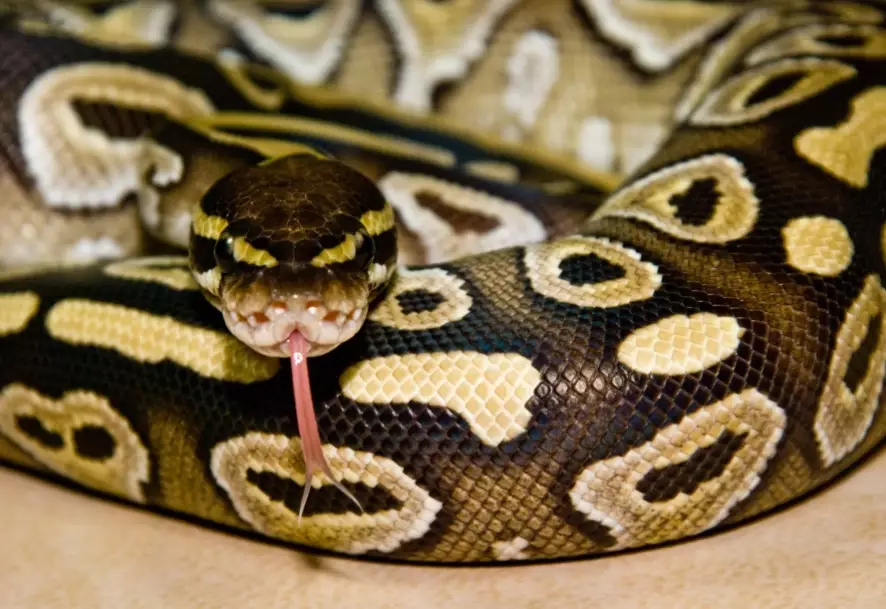
Health Check: Knowing a Healthy Ball Python
You need to know what "normal" looks like to spot "wrong."
- Eyes: Should be clear and bright (except when in "blue" for shed). No stuck eye caps.
- Body Condition: Rounded triangle shape, not a sharp ridge down the spine (underweight) or rolls of fat along the sides (overweight).
- Skin: Smooth, free of mites (look like tiny black/red moving dots), no retained shed.
- Mouth: Should be closed evenly, no bubbles or mucus (sign of respiratory infection).
- Behavior: Alert, tongue-flicking when exploring, strong and coordinated movement.
If you see any wheezing, mucus, lethargy, or persistent regurgitation, it's time for a vet. Don't wait.
Handling and Enrichment: It's Not Just a Decoration
Once your ball python is settled (give it at least a week after arriving, and after a successful feed), you can start short handling sessions. Keep them to 10-15 minutes, a few times a week. Support its body fully. Wash your hands before (so you don't smell like food) and after (salmonella is a low risk but real).
Enrichment is a hot topic now, and rightly so. A bored snake is a stressed snake. You don't need a jungle gym, but add things to explore:
- Fake plants (plastic or silk) to provide cover.
- Cork bark rounds or flats to climb on and hide under.
- Different textured rocks (cleaned and heated).
- Rearrange the decor every few months to give it a "new" environment to investigate.
You'll be surprised how active and curious your ball python can be when it feels secure.
Ball Python Morphs: A Rainbow of Genetics
This is the fun part, but it's complex. A "morph" is a genetic mutation that alters the snake's color and/or pattern. Some, like the classic Albino (lacking black pigment) or Piebald (patches of missing pattern), are single-gene traits. Breeders then combine them to make incredible combos: a Banana Pied or a Super Pastel Clown.
My first "fancy" morph was a Pastel. It just brightened up the normal colors. Now I have a Mojave, which has a gorgeous, high-contrast pattern. It's addictive. Sites like MorphMarket are dangerous for your wallet!
Important: Some morphs are linked to genetic issues. The most famous is the "Spider" morph and its associated "wobble"—a neurological condition that affects coordination. Research any morph thoroughly before buying. A responsible breeder will be upfront about these issues.
Your Ball Python Questions, Answered
Top 3 Mistakes New Ball Python Owners Make (And How to Avoid Them)
- Mistake 1: Prioritizing Looks Over Function. Choosing a screen-topped glass tank because it looks nice, then fighting a losing battle with humidity. Fix: Choose an enclosure designed for the animal's needs first (PVC, tub). You can make it look beautiful inside.
- Mistake 2: Underestimating Lifespan and Size. Getting a cute baby without planning for the 4-foot adult and the 30-year commitment. Fix: Do the math on the final adult enclosure cost and size before you buy the snake. Have a long-term plan.
- Mistake 3: Overhandling and Stressing the Snake. Wanting to show off the new pet every day. Fix: Let it settle for a full week with no handling. After that, short, calm sessions. Read its body language—if it's balling up tightly or hissing (rare), leave it alone.
Look, bringing a ball python into your life is a big deal. For them, you are their entire world—the keeper of their heat, their water, their food, their safety. It's a responsibility I take seriously, and I hope this guide helps you do the same.
The goal isn't just a snake that survives in a box. It's a thriving, curious, healthy animal that you get to observe and interact with for decades. When you get the setup right and see your ball python exploring its enclosure at night, drinking calmly from its bowl, or shedding perfectly in one piece, it's incredibly rewarding.
Do your research, invest in the right equipment from the start, and be patient. Your ball python will thank you for it with a long, healthy life.
Reader Comments