In This Guide
- The Heart of the Matter: Responsibility and What a 10-Year-Old Can Actually Do
- The Nuts and Bolts: What Does Leopard Gecko Care Really Look Like?
- Comparing Pets: Where Does a Leopard Gecko Stand for a 10-Year-Old?
- The Real Cost: Breaking Down the Budget
- The Lifespan Commitment: 15-20 Years is a Long Time
- The Verdict: Making Your Decision
You're probably here because your kid has been begging for a pet. Maybe they've seen cute pictures of these spotted lizards online, or a friend has one. The question "Is a leopard gecko a good pet for a 10 year old?" is bouncing around your head, mixing excitement with a healthy dose of parental worry. I get it. I've been there. We got our first leopard gecko, Sandy, when my nephew was about that age, and let me tell you, it was a learning experience for everyone.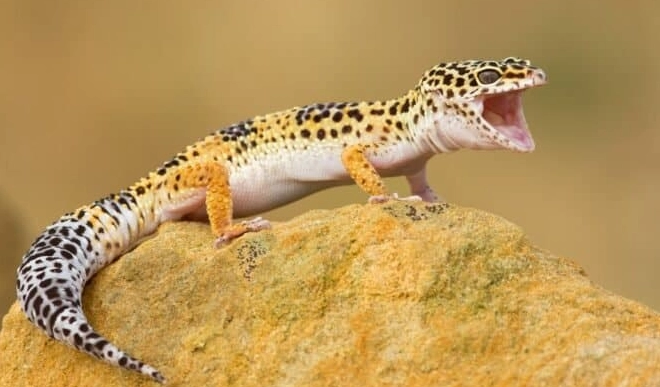
This isn't just a simple yes or no answer. It's about matching a living creature's needs with your child's maturity, your family's lifestyle, and let's be honest, your wallet. This guide won't sugarcoat things. We'll walk through the good, the challenging, and the downright messy parts of leopard gecko ownership through the lens of a family with a ten-year-old. By the end, you'll have a crystal-clear picture of what you're signing up for.
The Quick Snapshot: Pros and Cons for a 10-Year-Old's Family
The Good Stuff (The Pros):
- Generally Docile: They are known for their calm temperament. Biting is extremely rare if handled gently.
- Manageable Size: Adults are about 8-10 inches long. Not too big, not too small.
- Relatively Simple Diet: They eat insects (like crickets and mealworms), which can be a pro or con depending on your view of bugs!
- Nocturnal: Active in the evening, which can align well with a child's after-school schedule.
- Long Lifespan: They can live 15-20 years with proper care. This is a long-term commitment, which is great for teaching responsibility but a big one to consider.
The Challenging Bits (The Cons):
- Not a Cuddly Pet: They are look-don't-touch pets for a good part of the time. Handling should be limited and calm.
- Precise Environment Needed: They need specific heat, humidity, and lighting (no bright lights, but they do need heat). This isn't a "plop in a tank and forget" situation.
- Live Food Required: You need to buy, keep, and sometimes gut-load (feed nutritious food to) insects. This can be a hurdle.
- Potential for Vet Bills: They are prone to specific health issues like Metabolic Bone Disease if their care is off, and exotic vets are more expensive.
- Delicate: Their tails can drop if they are stressed or handled roughly, which is traumatic for the gecko (it grows back, but weirdly) and scary for a kid.
See what I mean? It's a mixed bag. The core of the question "is a leopard gecko a good pet for a 10 year old" hinges on whether your family is ready to manage those cons to enjoy the pros.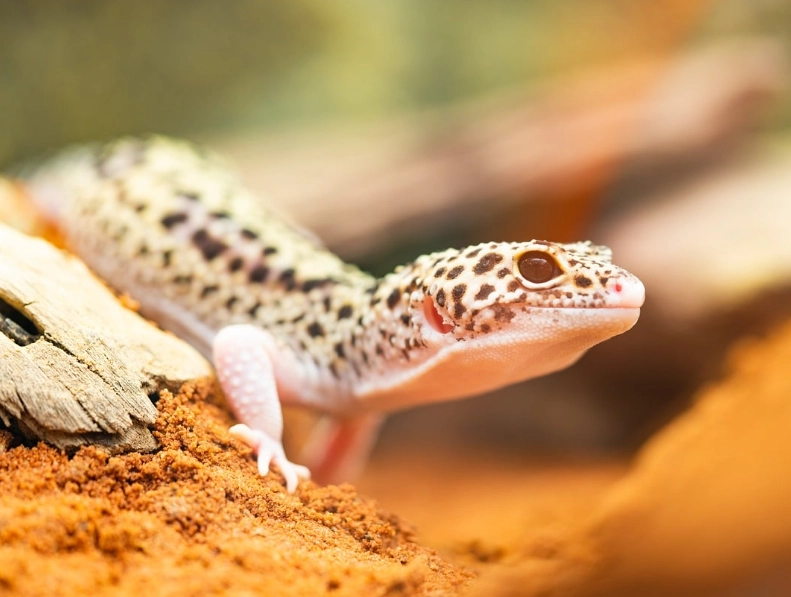
The Heart of the Matter: Responsibility and What a 10-Year-Old Can Actually Do
This is the big one. At ten, kids are at a great age to learn real responsibility, but their abilities vary wildly. One ten-year-old might be incredibly attentive and gentle; another might get distracted by a video game five minutes after feeding time. You know your child best.
When we got Sandy, my nephew was super excited for the first two weeks. He'd rush home to check on her. Then, the novelty wore off a bit. The reality of daily feeding and spot-cleaning set in. That's where the parent becomes the backup system, the safety net, and the ultimate project manager. Expecting a child to be 100% responsible for any pet's life is unrealistic. You are the adult, and the pet's welfare is ultimately your responsibility.
A Realistic Task Breakdown: Here’s what a motivated 10-year-old can typically handle with supervision, and what will likely fall to you.
- Child (with reminders): Feeding the pre-prepared insects with tweezers. Filling the water dish with fresh water. Telling you when the tank looks dirty. Gentle, supervised handling for short periods (10-15 minutes, a few times a week).
- Parent/Adult: All setup and maintenance. This is non-negotiable. Setting up the correct tank with proper heating (like an under-tank heater regulated by a thermostat—crucial!), humidity hides, and substrates. Buying the live food and ensuring it's nutritious. Performing weekly deep cleans of the enclosure. Monitoring the gecko's health, weight, and behavior. Scheduling and taking the gecko to the vet if needed. Managing the thermostat and any lighting timers.
If you look at that list and think, "I can handle being the project manager on this," then you're on the right track. If the idea of managing a temperature-controlled insect buffet makes you queasy, maybe pause.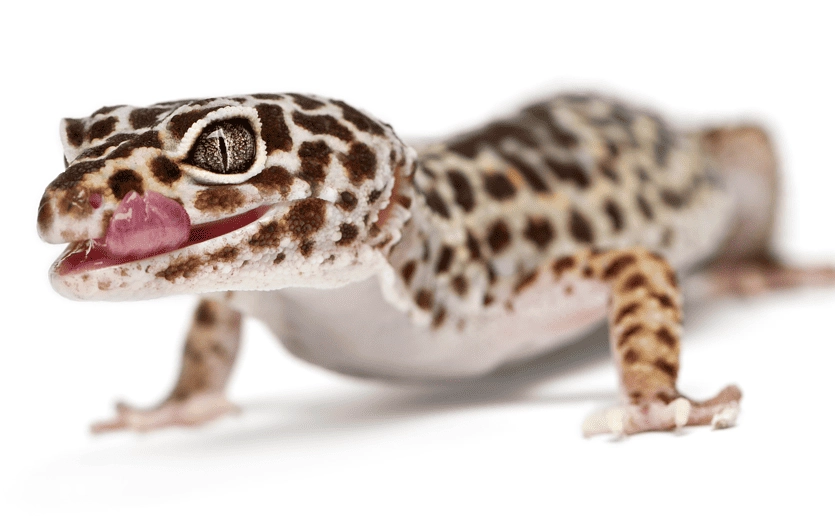
The Nuts and Bolts: What Does Leopard Gecko Care Really Look Like?
Let's move past the abstract and into the daily grind. What does answering "is a leopard gecko a good pet for a 10 year old" mean in practical terms?
The Habitat: It's More Than Just a Tank
You can't just use an old fish tank. Leopard geckos are terrestrial (ground-dwelling) and need floor space more than height. A 20-gallon long tank is the absolute minimum for one adult, but many enthusiasts now recommend 40-gallon breeders as a better standard for allowing proper thermal gradient and enrichment. This isn't a small piece of furniture.
Inside, you need a temperature gradient: a warm side around 88-90°F (31-32°C) for digestion and a cool side around 75°F (24°C). This is almost always achieved with an under-tank heating pad placed under ONE SIDE of the tank and, this is critical, connected to a thermostat to prevent burns. They do not need bright, overhead heat lamps like desert reptiles; in fact, those can stress their eyes.
They also need at least two hides: one on the warm, dry side and one on the cool, moist side (filled with damp sphagnum moss or paper towels to aid shedding). Add some safe decorations for climbing and exploring. For substrate, avoid sand, especially calcium sand, which can cause fatal impaction if ingested. Paper towel, slate tile, or a specific reptile-safe soil/sand mix are safer choices.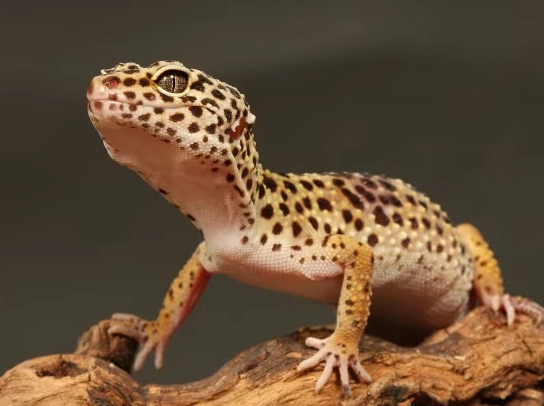
The Food: Welcome to the World of Bugs
Your grocery bill will now include crickets, mealworms, dubia roaches, or waxworms (as treats). You'll need to keep these insects alive and well-fed (a process called "gut-loading") so they're nutritious for your gecko. You'll also need to dust them with calcium and vitamin D3 powder a few times a week.
A young, growing leopard gecko needs daily feeding. Adults eat every other day or so. This means maintaining a supply of live insects. Some kids love this; others are squeamish. Are you okay with having a tub of mealworms in the pantry? Can your child handle using tweezers to offer a wiggling cricket? These are the real questions behind "is a leopard gecko a good pet for a 10 year old."
And remember, you can't go on a weekend trip without planning. You'll need a pet sitter who isn't freaked out by insects or a trusted neighbor you can train to feed them.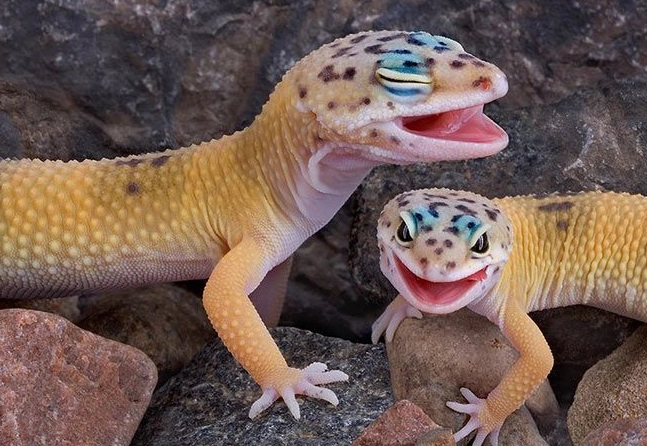
Health and Handling
Leopard geckos are generally hardy, but they communicate illness subtly. A good parent-gecko manager needs to watch for signs: loss of appetite, lethargy, stuck shed (especially on toes), watery droppings, or difficulty walking (a sign of Metabolic Bone Disease from lack of calcium/D3).
Handling should be a calm, seated activity. No running around, no sudden movements. Support their whole body. Teach your child to read the gecko's mood. If it's wriggling a lot or seems stressed, it's time to go back home. The goal is trust, not forced interaction.
The Tail Drop Warning: This is a big one for kids to understand. Leopard geckos can "drop" their tails if they feel threatened, are grabbed by the tail, or get overly stressed. It's a defense mechanism. While the tail regrows, it never looks the same (it becomes more bulbous), and it's a huge stressor for the animal. It teaches a powerful lesson about gentle care, but it's a scary experience. Supervised handling is key to preventing this.
Comparing Pets: Where Does a Leopard Gecko Stand for a 10-Year-Old?
It helps to see how they stack up against other common "first pet" contenders. This table breaks it down from a practicality-for-families standpoint.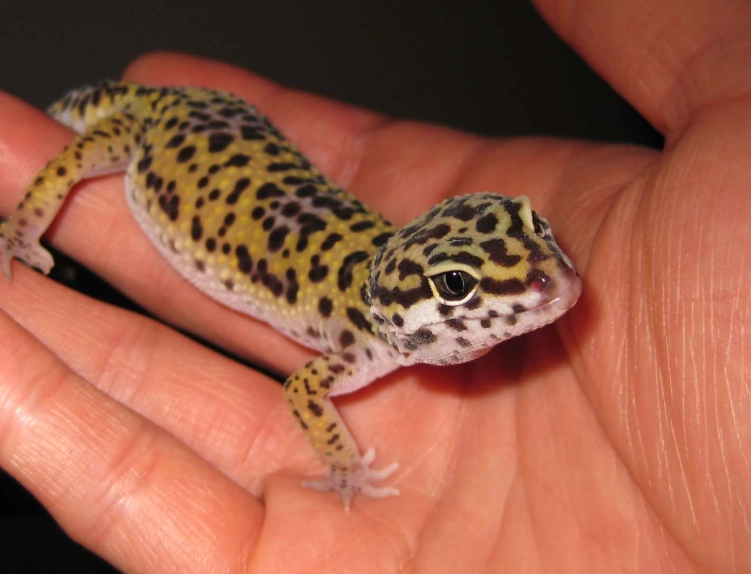
| Pet Type | Pros for a 10-Year-Old | Cons for a 10-Year-Old/Family | Parental Involvement Level |
|---|---|---|---|
| Leopard Gecko | Docile, quiet, interesting to observe, teaches reptile-specific care, handling is possible. | Precise habitat setup, live insect diet, potential for delicate health issues, long lifespan. | High. Must manage habitat, health, and food supply. |
| Hamster/Gerbil | Fuzzy, active, can be handled, simpler diet (pellets/veg). | Nocturnal & can bite if startled, short lifespan (2-3 yrs), can be smelly, need secure cages. | Medium. Oversee handling, cage cleaning. |
| Guinea Pig | Social, vocal, diurnal (active during day), gentle, longer handling sessions. | Needs large space, daily veggie prep, social (need at least two), messy, vet bills can be high. | High. Daily care, social needs, space management. |
| Betta Fish | Beautiful, low handling, teaches aquatic care. | Fragile water parameters, not interactive, easy to neglect in a small bowl. | Medium-High. Must manage tank cycling and water quality. |
| Corn Snake | Eats frozen/thawed rodents (dealbreaker for some), can escape easily, some people have phobia. | High. Must manage feeding and secure locking lid. |
Looking at this, a leopard gecko isn't the easiest, nor is it the hardest. It occupies a unique middle ground that depends heavily on your comfort with its specific needs.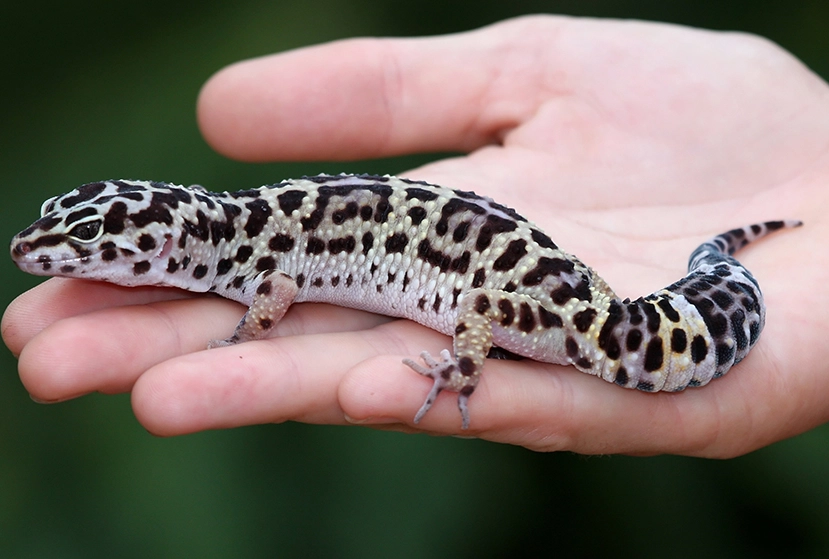
The Real Cost: Breaking Down the Budget
That $30 gecko at the pet store is the tip of the iceberg. The startup costs are significant. Here's a realistic breakdown, because nobody likes hidden expenses.
- Enclosure (40-gallon breeder tank or front-opening terrarium): $100 - $250+
- Heating (Under-tank heater + Thermostat): $50 - $80
- Hides & Decor: $30 - $60
- Substrate & Basics (water dish, etc.): $20 - $40
- Gecko itself (from a reputable breeder): $50 - $150+
- Initial Vet Check-up: $60 - $100
That's a likely $300 - $700+ just to get started properly.
Ongoing Monthly Costs: Live insects ($15-$30), electricity for heating, occasional replacement items. Then there's the annual vet check and the emergency fund for potential issues like impaction or infection.
The Lifespan Commitment: 15-20 Years is a Long Time
This point can't be overstated. When you get a leopard gecko for your ten-year-old, you are potentially making a commitment that will last until your child is in their mid-twenties to thirties. Think about that.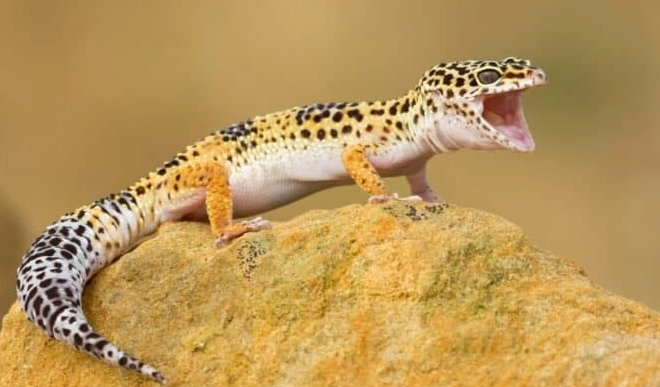
What happens when your kid goes to college? Goes on extended trips? Decides reptiles aren't their thing anymore at 16? The gecko is still there, needing care. This is an adult family pet that the child can help with and learn from, but the ownership cannot realistically transfer to the child until they are fully independent adults with stable housing. This is the single biggest factor that makes many families pause, and rightfully so.
Common Questions Parents Ask (The FAQ)
The Verdict: Making Your Decision
So, after all this, is a leopard gecko a good pet for a 10 year old?
It can be an EXCELLENT pet IF:
- You, the parent, are genuinely interested and willing to be the primary manager of its care.
- Your child shows sustained interest in reptiles and is generally gentle and observant.
- You have the budget for the proper setup and potential vet care.
- You are comfortable with the live insect aspect.
- You understand and are ready for the 15+ year commitment.
- You view it as a family learning experience in biology and responsibility.
It is likely a POOR choice IF:
- You are looking for a low-maintenance pet that your child can handle completely alone.
- Your child wants a cuddly, interactive playmate.
- The idea of managing heat pads, thermostats, and insect gut-loading overwhelms you.
- Your lifestyle involves frequent, unplanned travel.
- You are hesitant about the long-term commitment.
For us, getting a leopard gecko was the right call. My nephew learned incredible lessons about respecting an animal's needs, reading non-verbal cues, and the daily rhythm of care. I learned a ton about reptile husbandry. But it worked because I was all-in as the project lead.
If you're still on the fence, my advice is to dive deeper into research. Read care guides from the RSPCA or other animal welfare organizations. Watch setup videos together with your child. Maybe even visit a reptile expo just to look and ask breeders questions. The more informed you are, the better your decision will be—for your family, and for the little spotted gecko whose life will be in your hands.
Ultimately, answering "is a leopard gecko a good pet for a 10 year old" is deeply personal. It depends entirely on the specific ten-year-old and the specific adults in their life. But if you go in with eyes wide open, ready for the project, it can be a uniquely rewarding chapter in your family's story.
Reader Comments