So you're thinking about getting a fat-tailed gecko, huh? I don't blame you. These little guys have this calm, almost wise demeanor that's just captivating. They're like the quiet, thoughtful roommates of the reptile world. But before you rush out to find one for sale, let's have a real chat about what it actually takes to keep a fat-tailed gecko healthy and happy for the long haul. Because I've seen too many people jump in after watching a cute TikTok video, only to realize there's more to it than just a heat lamp and some mealworms.
This guide isn't going to sugarcoat things. We'll talk about the good, the bad, and the sometimes messy reality of keeping these West African natives. By the end, you'll know exactly what you're signing up for.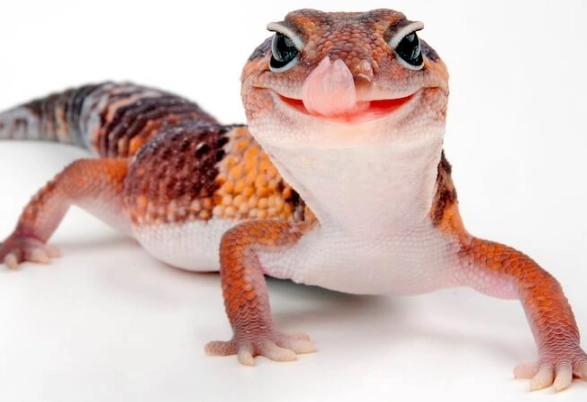
In This Guide
Quick Fact: The scientific name for the most common pet fat-tailed gecko is Hemitheconyx caudicinctus. They're often called AFTs (African Fat-Tailed Geckos) by hobbyists. They're cousins to the more famous leopard gecko, but with a temperament and care needs that are all their own.
Why Choose a Fat-Tailed Gecko as a Pet?
Let's start with the big question: why a fat-tailed gecko and not some other reptile? I've kept a few different species over the years, and AFTs have a special place for me.
First off, their temperament is generally fantastic. They're known for being docile and tolerant of handling, much more so than some other geckos that can be skittish. My first one, who I named Toffee, would just sit calmly in my hand, her little fat tail resting against my wrist. It's a peaceful experience. They're also nocturnal, which is perfect if you're at work or school all day. Your pet is sleeping while you're out, and becomes active in the evening when you're home to enjoy watching it.
Size is another plus. An adult fat-tailed gecko typically reaches 7 to 9 inches, including their chunky tail. They're a substantial, satisfying size to hold without being so big they need a whole room. Their care, while specific, is considered intermediate. It's not as dead-simple as some claim, but it's absolutely manageable if you do your homework—which you're doing right now!
But here's a bit of a negative, or at least a consideration: they can be a bit... shy. If you want a pet that's constantly out and about performing for you, a crested gecko might be more your speed. Fat-tails love their hides. You might go a couple of days only seeing a glimpse of a nose poking out. That's normal behavior, not a sign of illness. You have to appreciate their more secretive nature.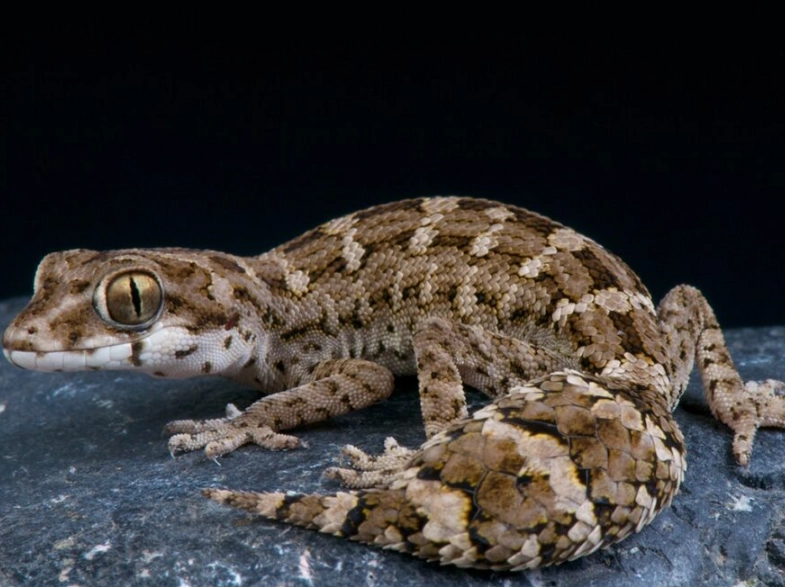
Setting Up the Perfect Fat-Tailed Gecko Habitat
This is where most beginners either nail it or fail it. The enclosure isn't just a box; it's their entire world. Getting it wrong can lead to stress, refusal to eat, and health problems. Let's break it down so you get it right from the start.
Tank Size and Type
A 20-gallon long tank is the absolute minimum for one adult fat-tailed gecko. That's 30 inches long by 12 inches wide. Honestly? I'd recommend going bigger if you can, like a 30-gallon breeder (36"x18"). More floor space is always better. They're terrestrial, meaning they live on the ground, so floor space is far more important than height.
Glass aquariums with secure screen lids work well. Front-opening terrariums are fantastic because you don't have to reach down from above—which can feel like a predator attack to them. Whichever you choose, security is non-negotiable. These guys are escape artists, and a loose lid is an invitation for a lost pet.
Heating and Temperature Gradients
This is critical. Fat-tailed geckos, like all reptiles, are ectotherms. They can't regulate their own body temperature. You have to create a thermal gradient in their tank.
- Warm Side: One end of the tank needs a basking spot surface temperature of about 88-92°F (31-33°C). You achieve this with an under-tank heating pad (UTH) or a heat mat placed under one-third of the tank. Always connect it to a thermostat. An unregulated heat mat can and will overheat and burn your gecko. I learned this the hard way with a cheap mat that spiked in temperature—scared me to death.
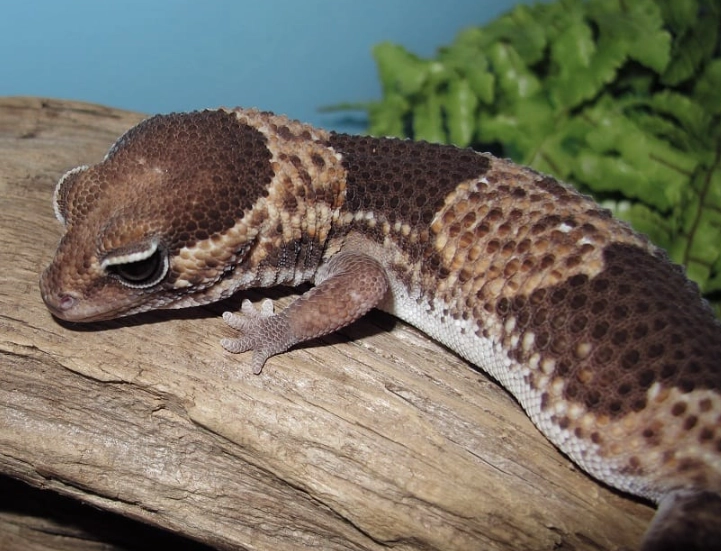
- Cool Side: The opposite end should be around 75-80°F (24-27°C).
- Nighttime Temp: It can drop to 70-75°F (21-24°C). No night-time heat source is needed unless your house gets very cold.
Forget heat rocks. They're notorious for causing severe thermal burns. A digital thermometer with a probe is your best friend—don't rely on those stick-on analog ones, they're often inaccurate.
Warning: Do not use heat lamps as the primary heat source for a fat-tailed gecko. They are secretive animals that feel exposed under bright lights. Overhead heat can also dry out the tank too much. Under-tank heating is the preferred and most natural method, as it mimics the warmth of the sun-baked ground.
Lighting and UVB: A Controversial Topic
Here's a hot topic in the reptile community. Fat-tailed geckos are nocturnal, so they don't *strictly* require UVB lighting if their diet is properly supplemented with calcium and Vitamin D3. However, more and more evidence suggests that low-level UVB exposure can be beneficial for their overall health, bone density, and well-being.
The UV Guide UK is an excellent resource for understanding reptile lighting. If you choose to provide UVB, use a low-output, forest-grade (2% or 5% UVB) fluorescent tube, placed over the screen lid, and ensure there are plenty of shaded hides so the gecko can escape the light. Provide a photoperiod of about 10-12 hours of light per day.
If you skip UVB, you must dust their insects with a calcium powder that contains Vitamin D3 at every feeding. It's not an optional step.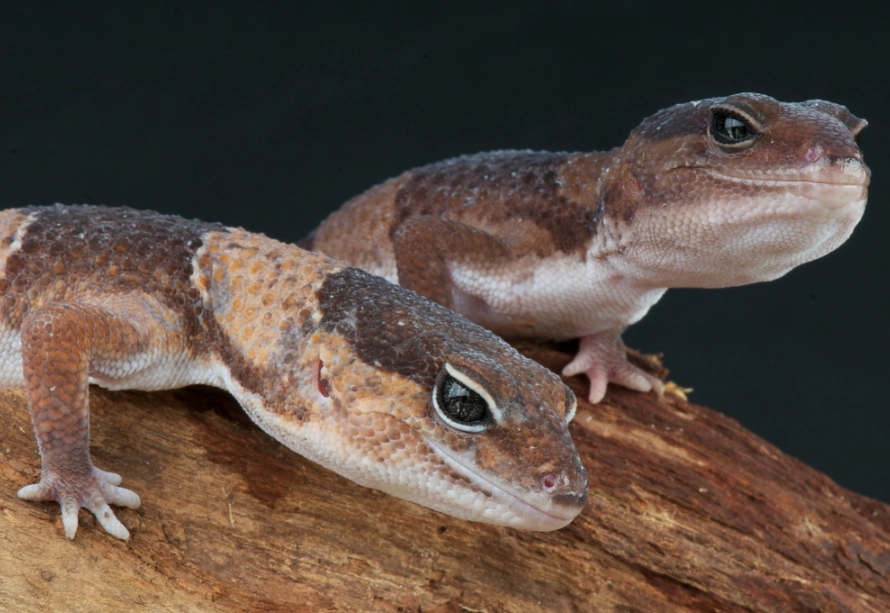
Substrate (Bedding): Choosing Wisely
The stuff you put on the bottom of the tank is a big deal. You want something that holds humidity a bit, is safe if ingested, and allows for natural digging behavior.
| Substrate Option | Pros | Cons | Best For |
|---|---|---|---|
| Paper Towels/Newspaper | Super cheap, very safe, easy to clean. | Looks ugly, doesn't hold humidity, not natural. | Quarantine tanks, sick geckos, or super beginners. |
| Reptile Carpet | Reusable, looks decent, no ingestion risk. | Can snag claws, needs frequent washing, bacteria can grow underneath. | People who want a simple, reusable option. |
| Coconut Fiber (Eco Earth) or Cypress Mulch | Natural look, holds humidity well, allows for digging. | Can be dusty, may mold if too wet, small risk of impaction if large amounts are eaten (rare). | Most recommended for established, healthy geckos. Provides enrichment. |
| Calcium Sand or Pure Sand | Looks "desert" like. | HIGH risk of fatal impaction. Avoid completely. | Nobody. Seriously, just don't. |
I use a mix of coconut fiber and cypress mulch for my geckos. It holds the humidity for their moist hide perfectly and they love to rearrange it at night.
Hides, Humidity, and Decor
You need a minimum of three hides:
- A warm hide placed directly over the heat mat.
- A cool hide on the opposite side.
- A moist hide placed in the middle or on the cool side. This is non-negotiable for a fat-tailed gecko. Line a small container (like a Tupperware) with damp sphagnum moss or paper towels, cut an entrance hole, and keep it moist at all times. This hide helps them shed their skin properly. Without it, they can get stuck shed, especially on their toes, which can lead to infection or loss of toes.
Other decor can include fake plants for cover, cork bark flats, and smooth rocks. Avoid anything with sharp edges. A shallow, sturdy water dish with fresh water daily is a must.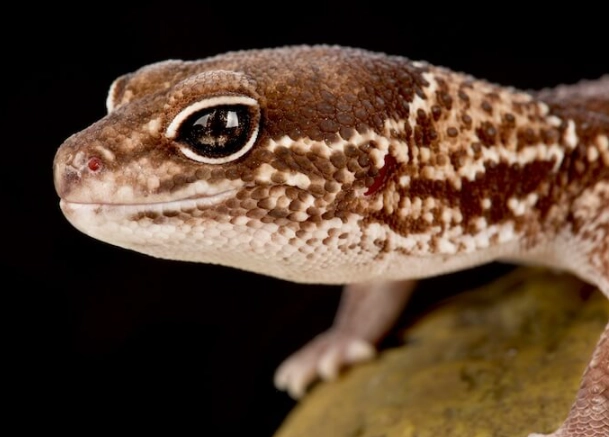
Feeding Your Fat-Tailed Gecko: Diet and Nutrition
Fat-tailed geckos are insectivores. That means bugs, bugs, and more bugs. No fruit, no veggies.
What's on the menu? Staple feeders include:
- Dubia Roaches: My top pick. Nutritious, can't climb smooth surfaces, don't smell, and geckos love them.
- Discoid Roaches: A great alternative where Dubias are restricted.
- Crickets: A classic, but they smell, die quickly, and can bite your gecko if left uneaten.
- Black Soldier Fly Larvae (Calciworms/BSFL): Excellent calcium content, no dusting needed.
- Mealworms and Superworms: Use as occasional treats, not staples. They're higher in fat and have a tougher chitin shell.
How to feed: Always "gut-load" your insects 24-48 hours before feeding by giving them nutritious veggies (carrots, sweet potato, leafy greens). Then, right before feeding, dust them with a high-quality calcium powder (with D3 if no UVB). For adult geckos, offer food every other day. Juveniles need daily feeding. A good rule of thumb is to offer 2-3 appropriately sized insects per inch of your gecko's length. The insect should be no wider than the space between the gecko's eyes.
Remove uneaten crickets after 15-20 minutes. They're annoying.
Common Health Issues to Watch For
Knowing the signs of a sick fat-tailed gecko can save its life. Here are the big ones:
- Stuck Shed: Especially on toes, tail tip, and eyes. Caused by low humidity. Always check after a shed. A warm, shallow bath can help loosen it.
- Metabolic Bone Disease (MBD): The #1 killer of pet reptiles. Symptoms include rubbery jaw, bowed legs, tremors, difficulty walking. It's caused by lack of calcium and/or Vitamin D3. It is 100% preventable with proper diet and supplementation.
- Impaction: A blockage in the gut. Symptoms include lethargy, loss of appetite, a swollen abdomen, and no droppings. Caused by eating indigestible substrate (like sand) or overly large prey. Prevent it by using safe substrate and proper feeder size.
- Tail Loss: Unlike leopard geckos, fat-tailed geckkos can drop their tails if severely stressed or grabbed by the tail, but they are less prone to it. The regrown tail will look like a smooth, rounded knob—not the original beautiful fat tail. Handle with care to avoid this.
- Parasites: Weight loss, runny or smelly stools. Requires a vet visit for diagnosis and treatment.
The Association of Reptilian and Amphibian Veterinarians (ARAV.org) has a fantastic "Find a Vet" tool. Locate an exotic vet before you have an emergency. Regular check-ups are a good idea, too.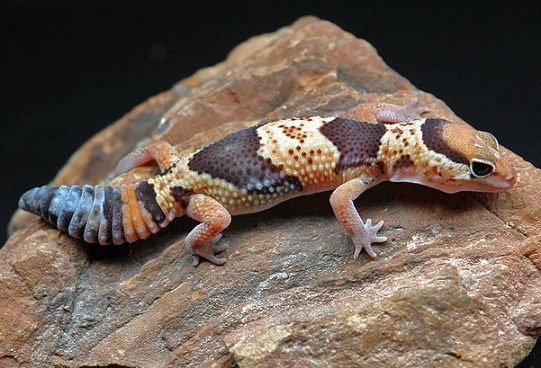
Handling and Behavior: Building Trust
Give your new fat-tailed gecko at least a full week to settle in with no handling. Let it learn where its hides and food are.
Start handling sessions slowly. Sit on the floor in a safe, enclosed space. Gently scoop them up from below—never grab from above. Keep initial sessions to 5-10 minutes. If they seem stressed (hissing, trying to jump, tail wagging), put them back and try again later.
With time and patience, most become very tolerant. They may even climb onto your hand willingly. Remember, they are observational pets more than interactive ones. The joy is in caring for them and watching their natural behaviors.
Fat-Tailed Gecko vs. Leopard Gecko: Which is Right for You?
This is the most common comparison. Both are great, but different.
- Humidity: Fat-tails need higher humidity (50-70%) than leopard geckos (30-40%). This means more attention to the moist hide and substrate.
- Temperament: Both are docile, but many keepers find fat-tails to be even more calm and "placid."
- Activity: Leopard geckos are often more visible in their enclosures. Fat-tails are true hide-loving, nocturnal creatures.
- Tail: The fat-tailed gecko's tail is, well, fatter and more cylindrical. A leopard gecko's tail is more segmented and stores fat differently.
If you can manage slightly higher humidity and appreciate a more secretive pet, the fat-tailed gecko is a wonderful choice.
Frequently Asked Questions (FAQs)
So, is a fat-tailed gecko the right pet for you? If you've read this far, you're clearly serious about providing good care. They demand specific conditions, but in return, they offer years of quiet companionship and the unique satisfaction of successfully tending to a fascinating creature. Do the setup right from day one, be patient, and you'll have a amazing little scaled friend for a very long time.
Got more questions? The community on forums dedicated to gecko care is usually pretty helpful. Just remember, you're now the steward of a little life that depends entirely on you. It's a big responsibility, but honestly, watching your fat-tailed gecko explore its tank on a quiet evening, knowing you've created a little slice of West Africa for it, makes it all worthwhile.
Reader Comments