You've seen the pictures. A leaf-tailed gecko, a Uroplatus, clinging to a branch, its body a perfect, uncanny replica of a dead leaf. It's the ultimate camouflage, a masterpiece of evolution. And the thought hits you: "I want one." Before you search for a breeder, let's get the hard truth out of the way. For 99% of people asking if leaf-tailed geckos are good pets, the answer is a firm no. They are spectacular display animals for advanced keepers, but terrible "pets" in the traditional, hands-on sense. I've seen too many of these incredible creatures suffer in the wrong hands. This guide isn't to sell you on them; it's to show you exactly why they're a expert-level commitment.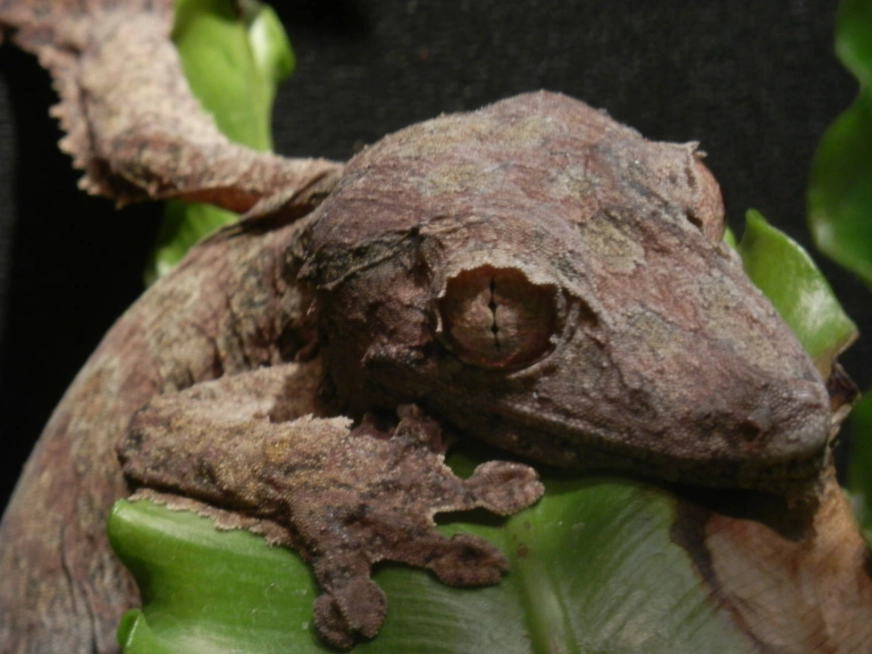
What You'll Find in This Guide
Why "Good Pet" is the Wrong Question for Leaf-Tails
Most people define a "good pet" as something you can handle, that's somewhat forgiving, and interacts with you. Leaf-tailed geckos fail on all three counts.
Handling is a hard no. These are not leopard geckos. They are incredibly fragile. Their skin is thin and tears easily. Their tails, while not as delicate as some geckos', can still be dropped under extreme stress. More importantly, handling causes them immense psychological stress. They are cryptic, nocturnal ambush predators. Being picked up simulates a predator attack. You'll see their heart pounding through their chest. It's cruel.
Zero forgiveness on environment. A crested gecko might tolerate a day of lower humidity. A leaf-tail will start to struggle. Their health is directly tied to near-perfect enclosure parameters 24/7. There's no room for "I'll fix it tomorrow."
Their "interaction" is you watching them. The joy comes from creating a perfect slice of their Malagasy rainforest home and observing their bizarre, secretive behaviors at night with a red light. You're a biosphere curator, not a playmate.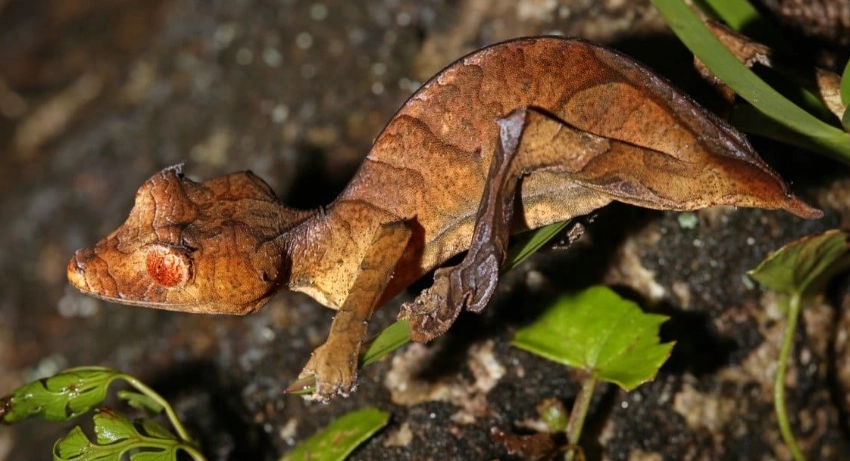
A subtle mistake I see: People get a Uroplatus sikorae (Mossy Leaf-Tail) thinking its smaller size makes it easier. It doesn't. The care requirements are just as stringent, and their smaller size can make monitoring health more difficult.
The Non-Negotiable Care Requirements: A Realistic Breakdown
If the warnings haven't scared you off, and you're committed to providing expert care, here's exactly what it entails. This isn't a suggestion list; it's the minimum.
1. The Vertical, Humid Jungle
Think tall, not long. A single adult needs an enclosure at least 18"x18"x24" (H), but 24"x18"x36" (H) is better. Screen tops are your enemy—they let all the humidity out. You need a front-opening glass or PVC terrarium with minimal ventilation, usually just a strip along the front top.
Humidity must spike to 80-100% at night and not drop below 70% during the day. This isn't achieved with a light misting. It requires an automated misting system (like MistKing) on a timer, 2-3 times per night, and possibly a fogger for the dry hours. You'll need digital hygrometers at both the top and bottom of the tank.
2. Temperature & Lighting: The Delicate Balance
They need a cool temperature gradient. The warm spot should be around 75-78°F (24-26°C), created by a low-wattage heat bulb or a heat mat on the side (never under) on a thermostat. The rest of the enclosure should drop to 68-72°F (20-22°C) at night.
No UVB? Think again. While debated for years, emerging best practices from breeders like those cited in the Journal of Herpetological Medicine and Surgery suggest low-level UVB (a shadedweller or 5.0 T5 tube, 6-8 hours a day) is beneficial for calcium metabolism and overall vitality. It must be carefully positioned to provide shaded areas.
3. Diet: It's Not Just Crickets
Gut-loaded crickets and roaches are the staple. But here's the kicker—they need variety. Weekly offerings should include silkworms, hornworms, and the occasional waxworm as a treat. Every single insect must be dusted with a high-quality calcium + D3 supplement, and a multivitamin once a week. They are prone to nutritional deficiencies.
How Do You Set Up the Perfect Leaf-Tailed Gecko Enclosure?
Here's a step-by-step, assuming you're starting from scratch. The cost for this setup, excluding the animal, easily runs $500-$800.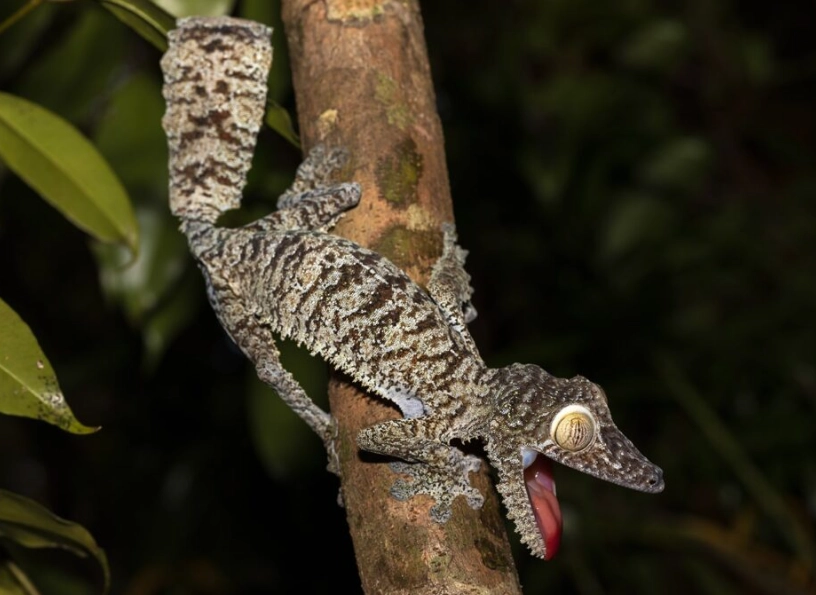
- Step 1: The Foundation. Place the empty PVC/glass terrarium where it will live—away from direct sun, drafts, and loud noises. Install a background of cork bark or expanding foam carved to look like bark. This gives climbing surface and hides.
- Step 2: The Hardscape. Secure several branches of varying diameters diagonally and horizontally. Use ghostwood, manzanita, or Malaysian driftwood. Everything must be firmly anchored with silicone or screws. A fall can be fatal.
- Step 3: The Bioactive Heart (Recommended). Add a drainage layer (clay balls), a mesh separator, and a deep substrate of soil, sphagnum moss, and leaf litter. Introduce a clean-up crew: springtails and isopods (like dwarf whites). They break down waste and prevent mold.
- Step 4: The Green. Plant it heavily. Use sturdy plants like pothos, philodendron, snake plants, and bromeliads. The plants help regulate humidity and provide security. Let it grow in for a month before adding the gecko.
- Step 5: The Tech. Install the lighting and heating on timers. Set up the misting system nozzles. Install your digital thermometers and hygrometers. Let the system run for at least 48 hours, monitoring and adjusting until parameters are stable.
Leaf-Tailed Gecko vs. Other Popular Pet Geckos
This table isn't about which is "better," but which is appropriate for your skill level.
| Species | Handling Tolerance | Humidity Needs | Diet Complexity | Best For |
|---|---|---|---|---|
| Leaf-Tailed Gecko (Uroplatus) | Extremely Low (Avoid) | Very High (70-100%) | High (Varied, Supplements Critical) | Advanced Keepers Only |
| Leopard Gecko | High | Low (Dry with moist hide) | Low-Medium (Insects) | Absolute Beginners |
| Crested Gecko | Medium (With care) | Medium (60-80%) | Low (Prepared diet + insects) | Beginners to Intermediate |
| Gargoyle Gecko | Medium (With care) | Medium (60-80%) | Low (Prepared diet + insects) | Beginners to Intermediate |
See the gap? If you're new to reptiles, start with a crested or leopard gecko. Master their care for a few years. Then reconsider a leaf-tail.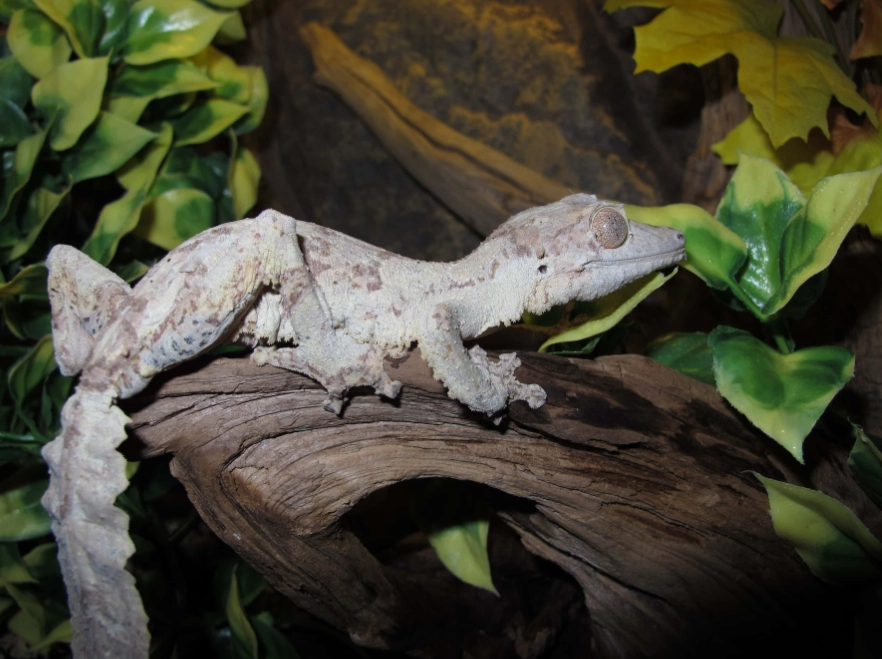
Your Leaf-Tailed Gecko Questions, Answered Honestly
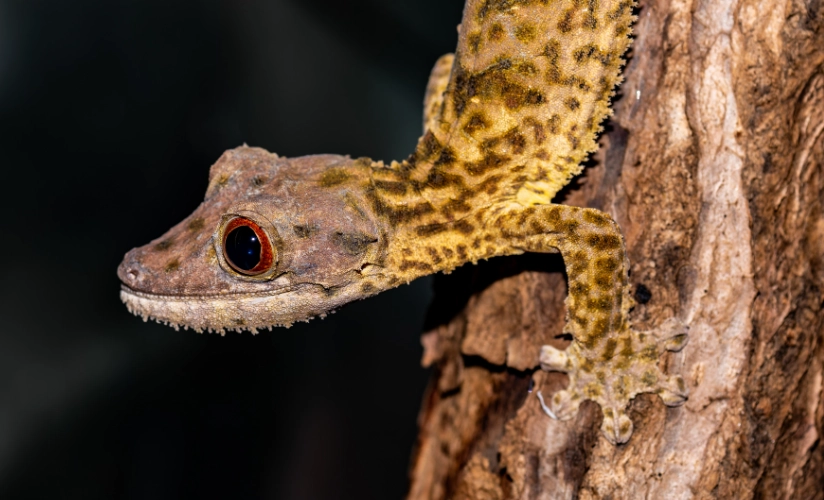 So, are leaf-tailed geckos good pets? For the vast majority seeking companionship and ease, absolutely not. They are a profound responsibility, a significant financial investment, and a test of your husbandry skills. But for the right person—the detail-oriented, patient observer who finds joy in engineering a perfect ecosystem—they are among the most captivating creatures you can care for. Be honest about which category you fall into. Their well-being depends on it.
Reader Comments