So you're thinking about getting a leopard gecko, or maybe you just brought one home and the internet's advice is all over the place. Good. You're in the right spot. I've kept these spotted buddies for over a decade, and I've seen the same mistakes trip up beginners again and again. This isn't just a list of facts. It's a roadmap based on what actually works, not just what gets repeated on forums.
In This Article
How to Set Up a Leopard Gecko Tank?
Let's start with the house. A 20-gallon long tank is the absolute minimum for one adult gecko. I personally recommend starting with a 30 or 40-gallon front-opening terrarium. The extra floor space is worth every penny for their comfort and your viewing pleasure. Glass tanks work fine, but ensure the screen top is secure. Ventilation is key to prevent stagnant, humid air.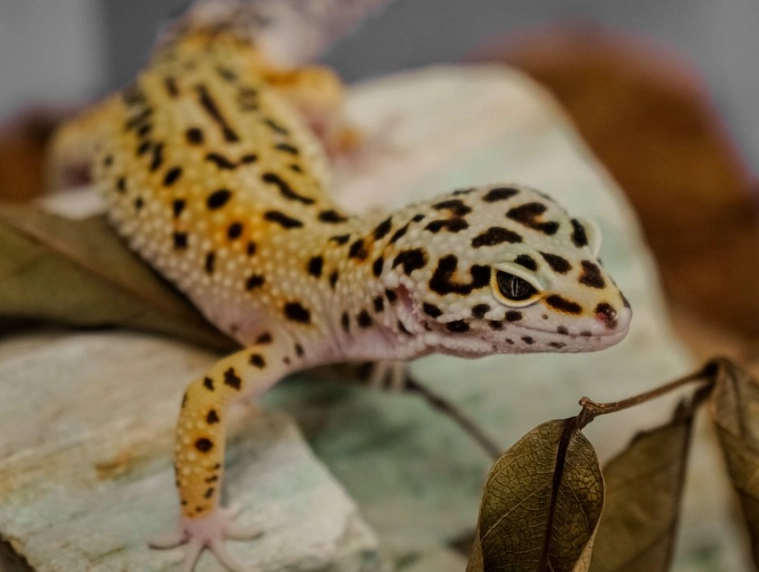
Quick Setup Shopping List: 20-40 gallon tank, secure screen lid, under-tank heater (UTH) or ceramic heat emitter, thermostat, two digital thermometers (one for warm side, one for cool side), at least three hides (warm, cool, humid), shallow water dish, food dish, and safe substrate.
The most critical element? Hides. You need a minimum of three. One on the warm side over the heat mat, one on the cool side, and one in the middle that you'll keep humid (a simple plastic container with a hole cut in the lid and filled with damp sphagnum moss works perfectly). This humid hide is non-negotiable for clean, successful sheds.
Temperature and Lighting: What You Really Need
Forget complicated UVB setups for a moment. Leopard geckos are crepuscular. They don't bask under a sun lamp like a bearded dragon. Their primary heat should come from below. An under-tank heater (UTH) stuck to the bottom of the tank on one side is the standard. But here's my non-consensus take: a UTH alone often struggles to heat the air in the warm hide. I pair mine with a low-wattage ceramic heat emitter (CHE) on a thermostat set to 88-90°F. This creates a perfect, stable warm zone.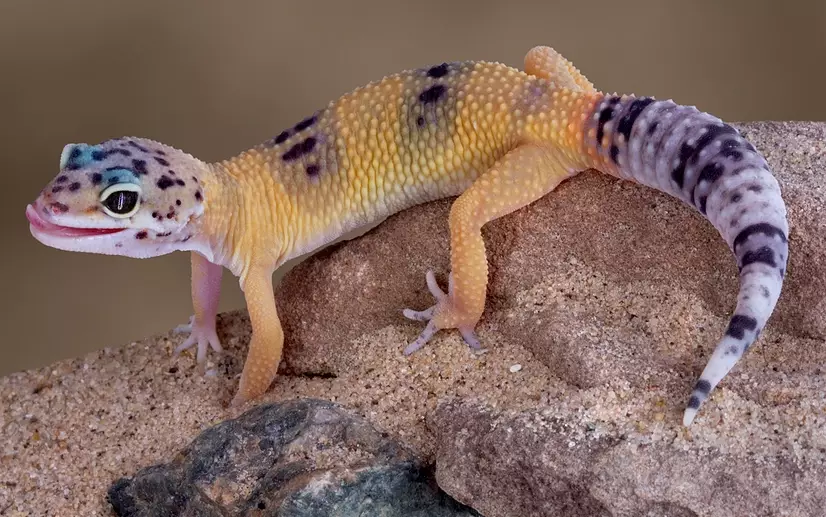
Your temperature gradient should look like this:
- Warm side (floor temperature): 88-92°F (31-33°C). This is where digestion happens.
- Cool side: 70-77°F (21-25°C).
- Nighttime temp: Can drop to the high 60s°F (~20°C). No colored lights at night.
The Big Mistake: Using heat rocks. Never. Ever. They cause horrific thermal burns. All heat sources must be regulated by a thermostat. A $25 thermostat will save your gecko's life.
Do Leopard Geckos Need UVB?
This is a hot topic. Historically, we said no. Newer research, like that discussed by reptile veterinarians, suggests low-level UVB (like a 5.0 or 2% T5 bulb) can be beneficial for bone health and overall well-being, mimicking natural low-level exposure. It's not strictly necessary if you're using proper calcium supplements with D3, but it's becoming a mark of advanced care. If you use UVB, provide plenty of shade and don't run it more than 10-12 hours a day.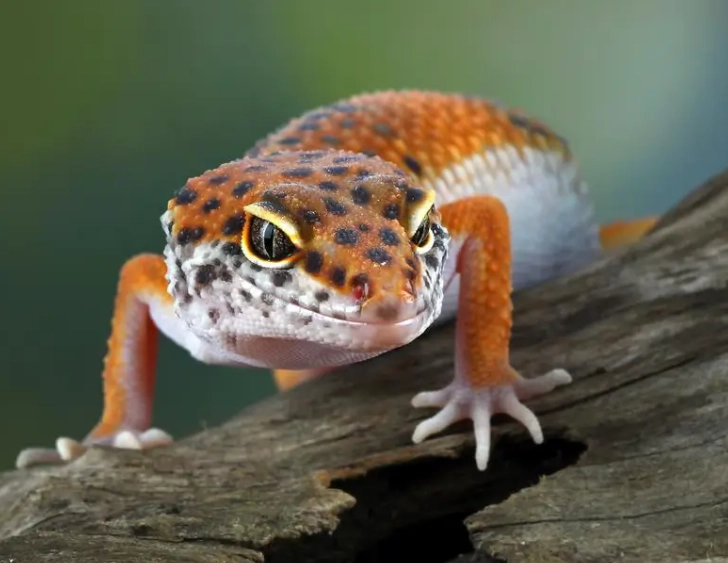
The Substrate Choice: Avoiding Impaction
What you put on the tank floor matters more than you think. The number one fear is impaction—where a gecko eats loose substrate and gets blocked up.
For beginners, the safest, easiest choice is paper towel. It's cheap, disposable, and lets you monitor poop for health. Once you're confident in your husbandry, many keepers switch to a 70/30 mix of topsoil (with no fertilizers or pesticides) and playsand, which allows for natural digging behaviors. Reptile carpet gets dirty fast and can snag tiny toes and teeth. I'm not a fan.
What to absolutely avoid: Calci-sand, crushed walnut shell, pure sand, or any loose substrate marketed as "edible." They are impaction risks and offer no benefit.
Feeding and Nutrition: A Practical Guide
Leopard geckos are insectivores. Crickets and mealworms are the staples. Dubia roaches are a fantastic, nutritious option if they're legal in your area. Variety is good. I rotate between crickets, dubias, and the occasional treat like a waxworm or silkworm.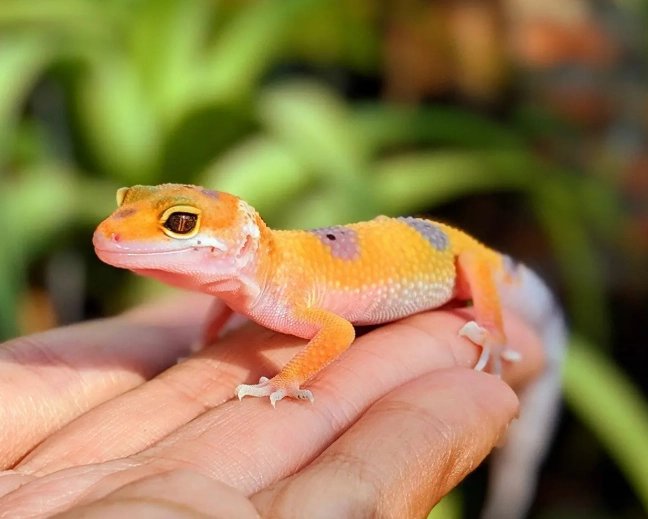
| Gecko Age/Size | Feeding Frequency | Food Items per Meal | Staple Insects |
|---|---|---|---|
| Baby/Juvenile | Daily | 5-10 small insects | Small crickets, small mealworms |
| Adult (over 1 year) | Every 2-3 days | 5-10 medium insects | Crickets, dubia roaches, mealworms |
Gut-loading is not optional. Feed your insects nutritious food (commercial gut-load, veggies like carrot and squash) 24-48 hours before feeding them to your gecko. You are what you eat, and so is your pet.
Supplementation is critical. You need two powders: a plain calcium powder (without D3) and a calcium powder with D3 or a multivitamin. A common schedule is: dust with calcium+D3 twice a week, dust with multivitamin once a week, and keep a small bottle cap of plain calcium in the tank at all times for them to lick as needed.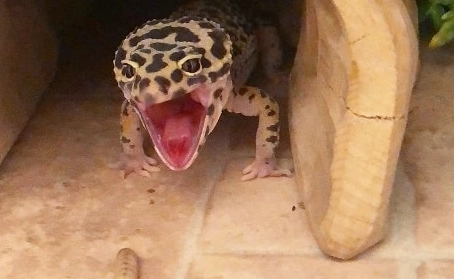
Health and Daily Routine
Your daily check takes 30 seconds. Glance at the water dish (fresh water daily), check for poop (remove it), and just look at your gecko. Are their eyes bright? Is their tail nice and plump? A fat tail is a healthy tail—it's their energy reserve.
Watch for these red flags: weight loss (thin tail), lethargy, stuck shed (especially on toes), mucus around nose/mouth, or persistent refusal to eat. A good resource for understanding reptile health is the Association of Reptilian and Amphibian Veterinarians (ARAV) website. Find a vet before you have an emergency.
Shedding happens every few weeks for juveniles, less for adults. Ensure that humid hide is moist. They'll eat their shed—it's normal and provides nutrients.
Handling and Building Trust
Give your new gecko at least a full week, maybe two, to settle in with zero handling. Let them learn their home is safe. Start by just putting your hand in the tank, motionless, for a few minutes each day. Then progress to gently sliding your hand under their belly. Support their whole body. Never grab them by the tail—it can detach (they grow it back, but it's stressful).
Keep initial sessions short, 5-10 minutes, over a soft surface like a bed or couch. Some geckos never become "cuddly," and that's okay. Respect their personality.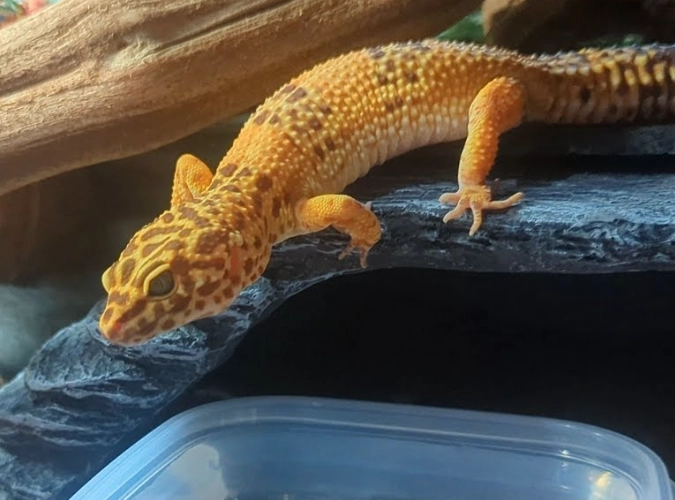
Your Leopard Gecko Questions, Answered
The biggest secret to leopard gecko care isn't a secret at all. It's consistency. Get the temperatures right, feed them well, give them security, and pay attention. They're remarkably hardy and rewarding pets when their basic needs are met. You've got this.
Reader Comments