Let's cut to the chase: gargoyle geckos are fantastic pet lizards. They're relatively hardy, don't need massive space, and have these incredible, almost prehistoric looks with bumpy skin and a permanent, curious grin. But here's the thing I've learned after over a decade of keeping them—many care sheets gloss over the subtle details that separate a surviving gecko from a truly thriving one. Getting the basics right is easy. Nailing the nuances is what makes you a great keeper. This guide is for anyone who wants to do more than just follow a checklist; it's for getting into the rhythm of what these amazing animals actually need.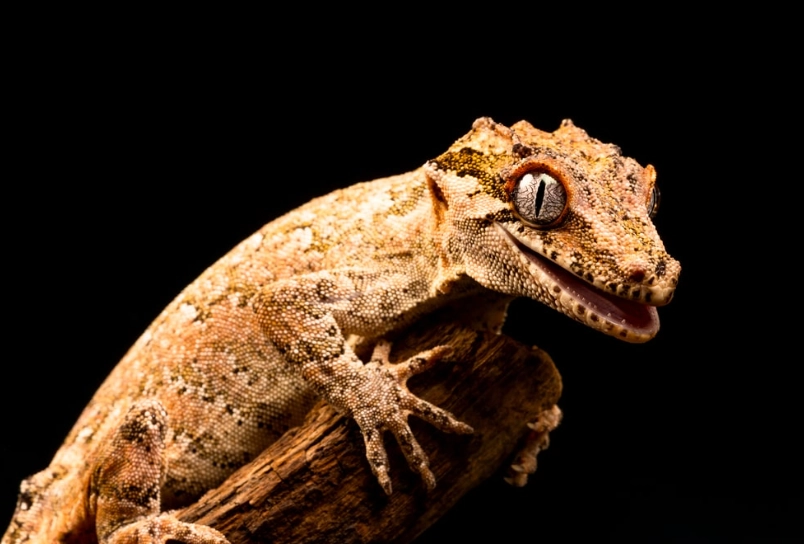
What's Inside This Guide?
- Why Choose a Gargoyle Gecko?
- How to Set Up the Perfect Gargoyle Gecko Enclosure
- Temperature & Humidity: The Non-Negotiables
- The Gargoyle Gecko Feeding Guide: More Than Just Powder
- Health, Handling & Common Behaviors
- Exploring Gargoyle Gecko Color Morphs
- Your Questions, Answered (The Nitty-Gritty Stuff)
Why Choose a Gargoyle Gecko?
If you're comparing your first reptile pet, you've probably seen gargoyle geckos alongside their more famous cousin, the crested gecko. They're similar in many ways, but gargoyles have a few distinct advantages. They tend to be a bit more robust and forgiving of minor husbandry slips, especially when it comes to humidity fluctuations. Their tails, unlike cresties', can regenerate if dropped (though it's a stressful event you should always avoid).
Their temperament is generally calm. Most become quite handleable with regular, gentle interaction. They're primarily nocturnal, so you'll see them become active in the evening—perfect for people who work during the day. A single adult can live happily in an 18"x18"x24" tall enclosure for its entire life, which is a manageable footprint for most homes. With proper care, a lifespan of 15-20 years is common, so they're a long-term commitment, but a rewarding one.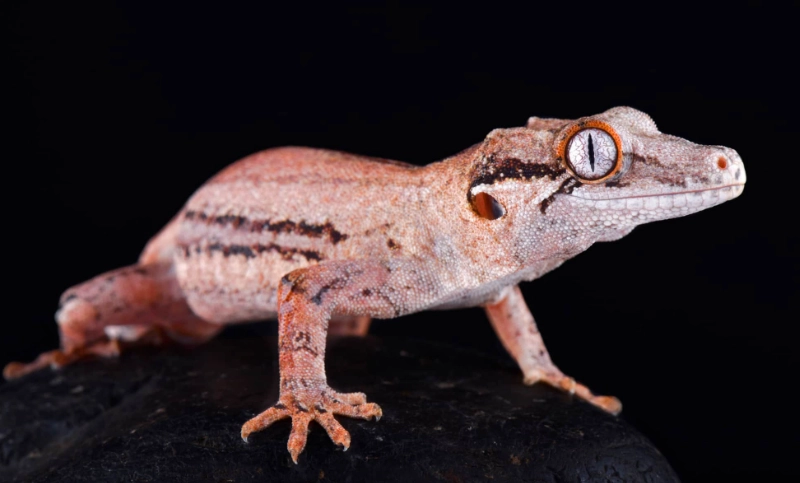
How to Set Up the Perfect Gargoyle Gecko Enclosure
Think vertical. These are arboreal lizards. Floor space is less important than height. For a single adult, the 18"x18"x24" size is the gold standard. You can start a juvenile in a 12"x12"x18" but will need to upgrade. Glass terrariums with front-opening doors are my top recommendation—they hold humidity well and make access easy without looming over your gecko from above.
The Substrate Debate: Loose vs. Solid
This is where I diverge from some common advice. Many guides insist on a bioactive setup with loose substrate. While fantastic, it's not mandatory for success and can be intimidating for beginners. A simpler, foolproof method is using a solid substrate like reptile carpet, paper towel, or slate tiles for the bottom, with a deep layer of moisture-retaining substrate (like coconut fiber or cypress mulch) in a large planted pot or hide. This gives you a safe, easy-to-clean floor while still providing a humid microclimate. The key mistake I see? Using pure sand or fine particulate substrate alone—it's a compaction and impaction risk.
Furnishings: Clutter is Your Friend
Your gecko needs to feel hidden and secure. The enclosure should be packed with climbing and hiding options.
- Cork Rounds & Flats: Essential. They provide climbing surfaces, hides, and help maintain humidity.
- Live or Artificial Plants: Dense foliage (like pothos, snake plants, or sturdy fake vines) creates visual barriers and increases humidity through transpiration.
- Feeding Ledges: Magnetic or suction-cup ledges placed midway up the glass are the perfect spot for food dishes, keeping food clean and mimicking their natural feeding height.
- A Humid Hide: Stuff a plastic hide with damp sphagnum moss. This is critical, especially during shedding.
Temperature & Humidity: The Non-Negotiables
Getting this wrong is the fastest way to cause health issues like respiratory infections or stuck shed.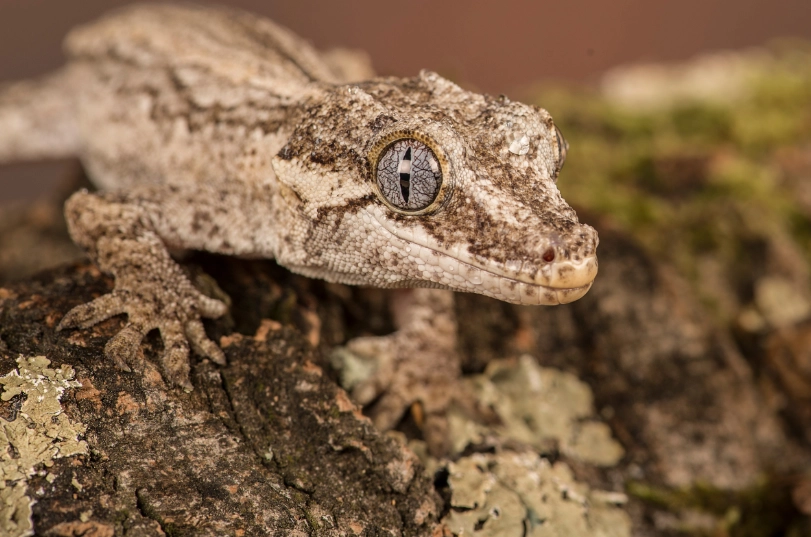
| Parameter | Daytime Range | Nighttime Range | How to Achieve It |
|---|---|---|---|
| Temperature | 72-78°F (22-26°C) | 65-72°F (18-22°C) | Low-wattage heat mat on side of tank (connected to a thermostat!) or ceramic heat emitter. Never use a heat rock. |
| Humidity | 60-70% | Spike to 80-100% | Heavy misting with a spray bottle 1-2 times daily, focusing on evening. Use a digital hygrometer. |
The humidity cycle is crucial. It should drop during the day and spike significantly at night when they are active. This mimics the fog and dew of their native New Caledonia. A common pitfall is keeping humidity constantly high—this stifles airflow and promotes mold and bacterial growth. The enclosure needs to dry out partially between mistings.
The Gargoyle Gecko Feeding Guide: More Than Just Powder
The backbone of their diet is a commercially prepared, powdered crested/gargoyle gecko diet (like those from Pangea or Repashy). You mix it with water to a ketchup-like consistency. Offer this fresh every other day for juveniles, and 2-3 times a week for adults. Remove uneaten food after 24-48 hours.
But here's the extra step many miss: live insect supplementation. While the complete diets are nutritionally balanced, offering appropriately sized gut-loaded insects (like small crickets, dubia roach nymphs, or black soldier fly larvae) once a week provides enrichment, encourages natural hunting behavior, and can be a great bonding tool during hand-feeding sessions. Dust the insects lightly with calcium powder.
Health, Handling & Common Behaviors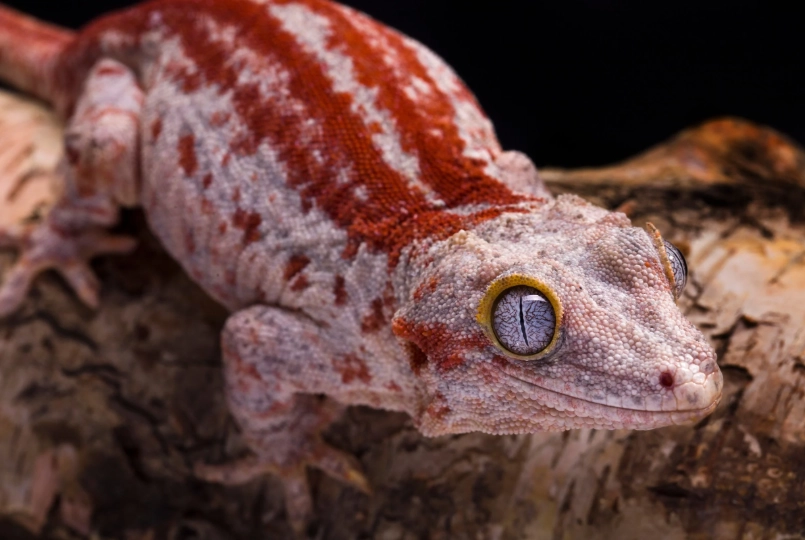
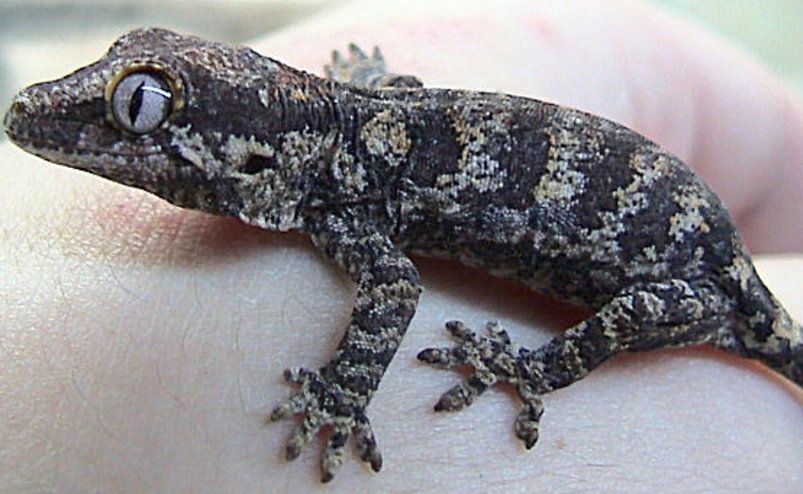
A healthy gargoyle gecko is alert, has clear, bright eyes, a plump tail (their fat store), and a good appetite. Their droppings should have a firm, dark fecal portion and a white urate.
Handling Your Gecko
Start slow. Let them get used to your presence. Never grab them. Scoop them up from below, supporting their body and legs. Keep initial sessions short (5-10 minutes). They may jump—always handle them close to a soft surface like a bed or over a table. Their skin is more delicate than it looks, so avoid squeezing.
Watch For These Red Flags
- Weight Loss/Thin Tail: The tail should be plump. A skinny tail is a major warning sign of underfeeding, illness, or parasites.
- Stuck Shed: Especially on toes or the tip of the tail. This can constrict and lead to loss of the digit. Ensure your humid hide is always available and damp.
- Lethargy & Loss of Appetite: Can indicate temperature issues, stress, or illness. A reptile-savvy vet (find one via the Association of Reptilian and Amphibian Veterinarians (ARAV) website) is essential for persistent problems.
- Clicking or Wheezing: A potential sign of a respiratory infection, often due to incorrect temperature/humidity.
Exploring Gargoyle Gecko Color Morphs
Beyond the standard gray and brown patterns, selective breeding has produced stunning color and pattern variations, known as morphs. Prices vary widely based on rarity and lineage. Here are a few popular ones:
Remember, a morph's beauty is secondary to its health. Always buy from a reputable breeder who can answer questions about the animal's history and care.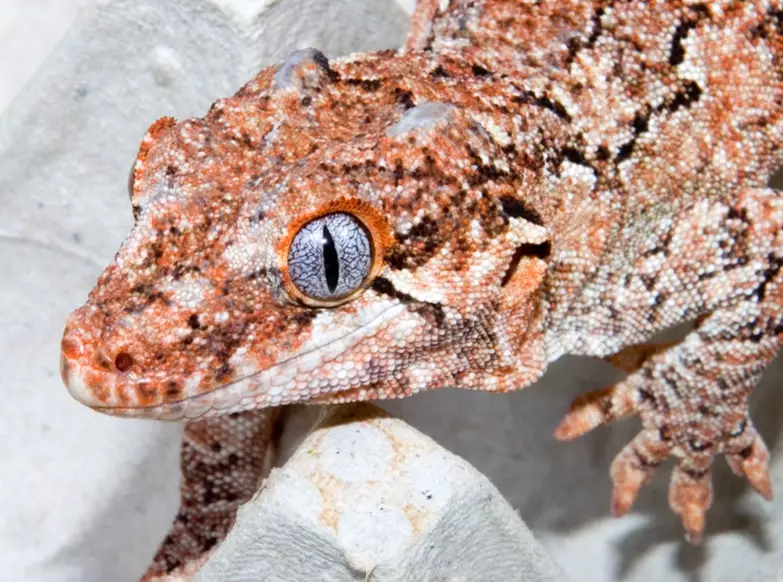
Your Questions, Answered (The Nitty-Gritty Stuff)
Reader Comments