If you're thinking about getting a leopard gecko or already have one, you probably want to know how long they'll stick around. Let's cut to the chase: with good care, these little lizards can live 15 to 20 years easily. I've seen some hit 25 years, and there are reports of ones pushing 30. But here's the kicker—most don't make it past 10 because of simple, avoidable mistakes. I've kept geckos for over a decade, and I'll share what really matters to stretch their lifespan.
What You'll Learn in This Guide
Factors That Determine How Long Your Leopard Gecko Lives
It's not just luck. Several things come into play, and some are more critical than others. I like to break it down into four buckets.
Genetics and Where You Get Your Gecko
This is the foundation. If you buy from a pet store that sources from mass breeders, you might get a gecko with weak genetics—prone to health issues. Reputable breeders, like those recommended by the Association of Reptilian and Amphibian Veterinarians, often focus on hardy lines. I learned this the hard way: my first gecko, from a big-box store, only lived 8 years despite my best efforts. Later, I got one from a specialist breeder, and she's still thriving at 15.
Diet and Nutrition: More Than Just Crickets
Feeding is where many go wrong. Leopard geckos are insectivores, but not all insects are equal. Mealworms, for example, are high in fat and chitin, which can cause impaction if overfed. A varied diet of gut-loaded crickets, dubia roaches, and occasional waxworms works best. Dust with calcium powder (without D3 if you use UVB lighting) and a multivitamin weekly. I've seen geckos develop metabolic bone disease from calcium deficiency—their bones become soft, and it's often fatal if not caught early.
Habitat Setup: Temperature and Humidity Are Key
These guys come from arid regions in Afghanistan and Pakistan. They need a thermal gradient: a warm side at 88-90°F and a cool side at 75-80°F. Without it, they can't digest food properly. Use an under-tank heater controlled by a thermostat—heat lamps can dry them out too much. Humidity should hover around 30-40%. Too low, and shedding gets stuck; too high, and respiratory infections creep in. A simple hygrometer helps monitor this.
Veterinary Care: Don't Wait for Emergencies
Exotic vets aren't just for when your gecko looks sick. Annual check-ups can catch parasites or early signs of disease. Many owners skip this, thinking reptiles are low-maintenance. But a vet can do fecal exams and weight checks that prevent big issues. According to resources from the Merck Veterinary Manual, common ailments like crypto or adenovirus can shorten lifespan if untreated.
Top Mistakes That Cut Your Leopard Gecko's Life Short
I've visited reptile forums for years, and the same errors pop up. Here's my list of what to avoid.
Overfeeding or Underfeeding: It's tempting to give treats, but obesity strains their organs. Adults only need feeding every 2-3 days. Juveniles eat daily, but portion control matters.
Wrong Substrate: Sand might look natural, but it causes impaction if ingested. Paper towels or reptile carpet are safer. I once rescued a gecko that had sand compacted in its gut—it didn't make it.
Ignoring Quarantine: Adding a new gecko without a 30-day isolation period? That's how diseases spread. I always keep newcomers in a separate tank to monitor for signs like lethargy or odd stools.
Inconsistent Temperatures: Fluctuations stress them out, weakening their immune system. Invest in a reliable thermostat; the cheap ones fail.
A Step-by-Step Guide to Maximizing Your Leopard Gecko's Lifespan
Let's get practical. Follow these steps, and you'll give your gecko a fighting chance for a long life.
Step 1: Set Up the Ideal Enclosure
Start with a 20-gallon tank minimum for one adult. Add hides on both warm and cool sides—they need security. Use a digital thermometer at each end. For substrate, I prefer slate tiles; they hold heat well and are easy to clean. Avoid loose materials.
Step 2: Establish a Feeding Routine
Feed insects that are no wider than the space between your gecko's eyes. Gut-load them with veggies like carrots 24 hours before offering. Dust with calcium powder at every feeding for juveniles, and twice a week for adults. Here's a quick table to summarize:
| Age Group | Feeding Frequency | Insect Types | Supplement Schedule |
|---|---|---|---|
| Juvenile (0-12 months) | Daily | Crickets, small dubia roaches | Calcium daily, multivitamin weekly |
| Adult (1+ years) | Every 2-3 days | Crickets, dubia roaches, occasional mealworms | Calcium 2-3 times weekly, multivitamin bi-weekly |
Step 3: Monitor Health Regularly
Weigh your gecko monthly using a kitchen scale. Sudden weight loss can signal illness. Check for clear eyes, a plump tail (fat storage), and smooth skin. If you notice anything off, consult a vet—don't rely on home remedies from the internet.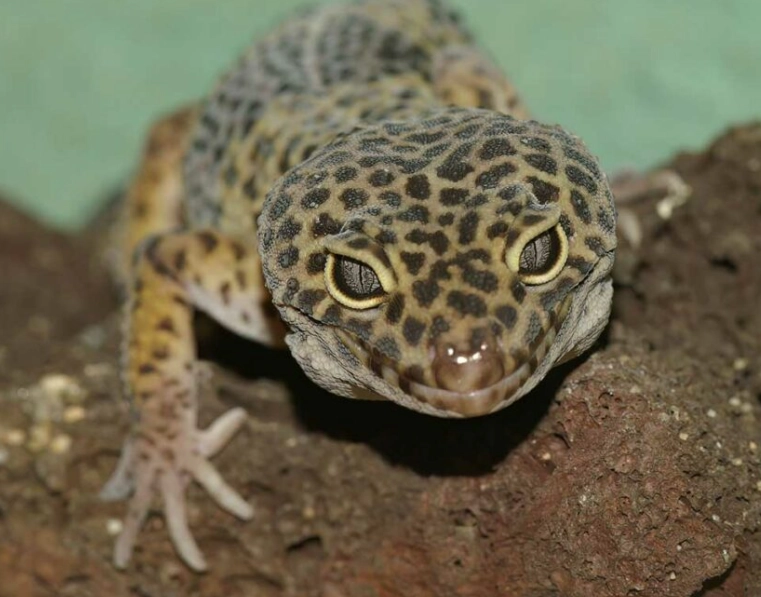
Step 4: Enrich Their Environment
Boredom isn't just a mammal thing. Add climbing branches or shallow water dishes for soaking. Change up the layout occasionally to stimulate them. My geckos seem more active when I do this, which keeps their metabolism healthy.
Real-Life Case Study: My Leopard Gecko, Spike, Who Lived to 22
Spike was my second gecko, from a local breeder. He lived from 2000 to 2022. What made him last so long? Consistency. I kept his tank at a steady 88°F warm side, fed him dubia roaches primarily, and took him for vet check-ups every year after he turned 10. The vet caught early kidney issues at age 15, and we adjusted his diet to lower-protein insects. He slowed down around 18, eating less, but remained alert until the end. The lesson: small, consistent care adds up over decades.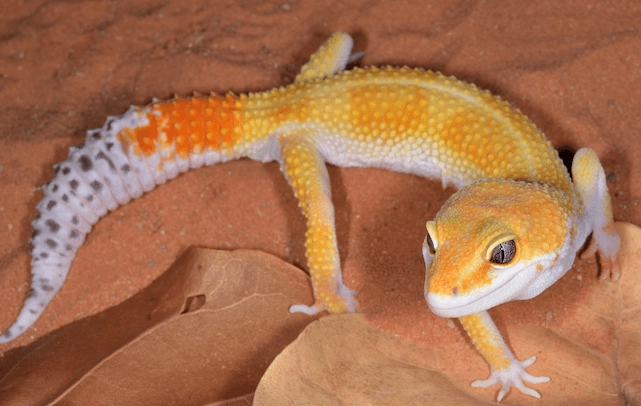
Frequently Asked Questions About Leopard Gecko Lifespan
So, how long do leopard geckos live as pets? It's up to you. Commit to the details—temperature, diet, vet visits—and you might have a companion for two decades. Skip them, and you risk losing years. Start today by checking your setup and making small tweaks. Your gecko will thank you with every healthy shed.
Reader Comments