Quick Navigation
- What Exactly Is a Red-footed Tortoise? Beyond the Pretty Colors
- The Red-Footed Tortoise Habitat: Building Their World
- The Red-Footed Tortoise Diet: It's Not Just Lettuce
- Daily, Weekly, and Monthly Care Routine
- Common Health Issues in Red-footed Tortoises
- Red-Footed Tortoise Behavior: What's Normal?
- Frequently Asked Questions (The Stuff You're Actually Searching)
- The Real Cost of a Red-footed Tortoise
- Final Thoughts: Is a Red-footed Tortoise Right for You?
So, you're thinking about getting a Red-footed Tortoise? I get it. Those curious faces, the striking red or orange scales on their legs, that slow, deliberate pace—they're incredibly charismatic creatures. I remember when I first got mine, a little guy I named Rusty. I was drowning in conflicting advice online. Some sources made it sound as easy as keeping a pet rock, while others painted a picture of veterinary nightmares and complex ecosystems.
The truth, like with most pets, is somewhere in the middle. A Red-footed Tortoise isn't a hamster, but it's also not a hyper-sensitive orchid. With the right information—the kind that cuts through the fluff—you can provide a fantastic home for one of these South American natives. This guide isn't about selling you on the idea; it's about giving you the unfiltered, practical details so you can decide if this decades-long commitment is right for you. We'll talk costs, daily chores, common mistakes, and that unique personality you just don't get with a cat or dog.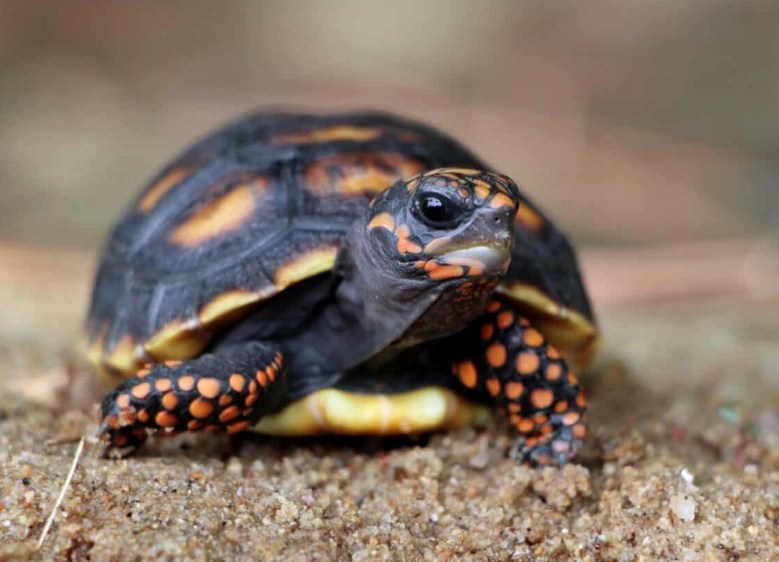
What Exactly Is a Red-footed Tortoise? Beyond the Pretty Colors
Before we dive into tubs and thermostats, let's understand who we're inviting into our homes. The Red-footed Tortoise hails from the edges of rainforests and savannas across northern South America. They're not desert dwellers like some tortoises. This is the most important piece of the puzzle—their natural habitat dictates everything about their care.
They're considered a medium-sized species. Hatchlings are about the size of a ping-pong ball, adorable and fragile. Adults typically reach 10 to 14 inches in shell length, with some big females getting even larger. Males are usually slightly smaller but have a more concave plastron (the bottom shell) and a longer, thicker tail. The "red-foot" name comes from the vivid red, orange, or sometimes yellow scales on their legs, tail, and head. Their shell is typically dark brown or black with lighter, yellowish or tan centers on each scute (the individual plates).
Personality-wise? They're often described as one of the more inquisitive and food-motivated tortoise species. My Rusty hears the fridge door and comes plodding over with surprising speed. They can recognize their keepers, not in a dog-like way, but they do lose some shyness. They're not cuddly, but watching them explore, dig, and bask has its own unique reward.
A word on sourcing: Always, always seek out captive-bred Red-footed Tortoises.
Wild-caught individuals are still sadly in the trade, and they come with a host of problems: heavy parasite loads, stress, and difficulty adapting. A reputable breeder is the only ethical choice. Organizations like the California Turtle & Tortoise Club and the United States Association of Reptile Keepers (USARK) often have resources for finding ethical breeders. It might cost more upfront, but it saves heartache (and vet bills) later.
The Red-Footed Tortoise Habitat: Building Their World
This is where most beginners stumble, and honestly, it's where you'll spend most of your money. You can't skimp here. A stressed, cold, or dry Red-footed Tortoise is a sick one. Let's break it down.
Indoor Enclosure: Bigger is Always Better
Forget the tiny plastic terrariums sold at pet stores. A single adult Red-footed Tortoise needs a minimum of an 8x4 foot enclosure. Many keepers use custom-built wooden tortoise tables, large stock watering tanks, or repurposed garden beds. For hatchlings and juveniles, you can start smaller, but plan for the upgrade from day one. They grow faster than you think.
Heat & Lighting: Creating a Microclimate
Red-foots need a temperature gradient. One end warm, one end cooler. They are not basking lizards that need a scorching hot spot. Their needs are more subtle.
- Basking Area: 88-95°F (31-35°C). Use a ceramic heat emitter or a low-wattage basking bulb in a dome fixture. Never use heat rocks—they cause terrible burns.

- Cool End: 75-80°F (24-27°C).
- Nighttime Temp: Can drop to 70-75°F (21-24°C). A ceramic heat emitter on a thermostat is perfect for maintaining this without light.
- UVB Lighting: This is non-negotiable. They need UVB to synthesize vitamin D3 and metabolize calcium. A fluorescent tube-style UVB light (like a T5 HO 10.0 or 12%) that spans half the enclosure is best. Replace it every 10-12 months, even if it still lights up—the UV output degrades. The Association of Reptilian and Amphibian Veterinarians (ARAV) has excellent care sheets that emphasize the critical role of UVB.
Humidity & Substrate: The Tropical Duo
This is what separates Red-foot care from, say, a Russian tortoise. They need humidity, ideally between 60-80%. Low humidity leads to pyramiding—a lumpy, deformed shell growth that's a sign of chronic low-grade health issues.
Good substrate holds moisture and allows for digging. My top mix is:
- Orchid Bark (Fir Bark): The gold standard. Holds humidity well, doesn't mold easily, and is safe if ingested a little.
- Coconut Coir: Holds tons of moisture. I mix it with bark for a perfect consistency.
- Topsoil (Organic, no fertilizers/pesticides): Great for planting edible greens right in the enclosure.
Avoid sand (impaction risk), cedar/pine shavings (toxic fumes), and anything overly dry like newspaper.
To maintain humidity, pour water into the corners of the substrate (not just misting the surface) and use a large, shallow water dish for soaking. A humid hide—a plastic box with a hole, filled with damp sphagnum moss—is a tortoise favorite.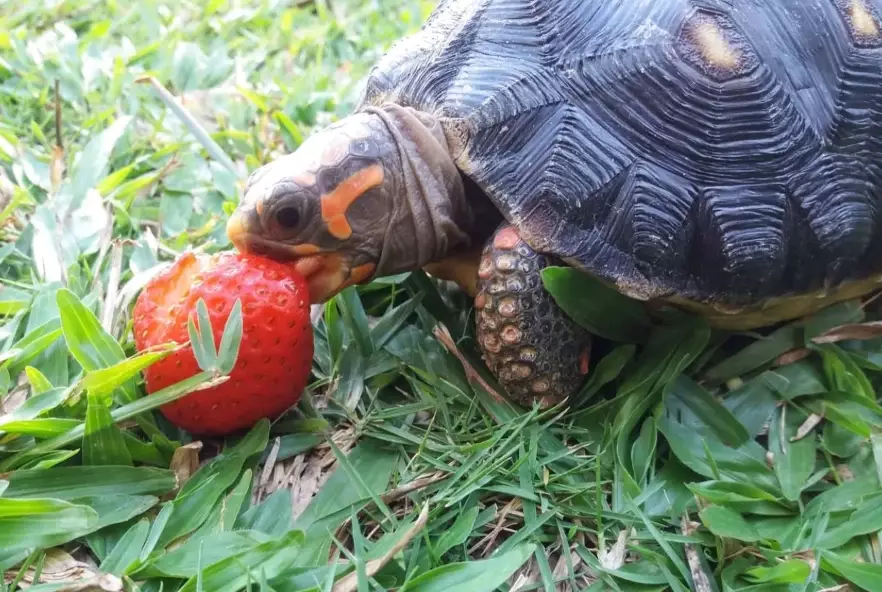
Enclosure Furnishings: More Than Just Decor
Think enrichment and function.
- Hides: At least two, one in the warm end, one in the cool end. They need to feel secure.
- Water Dish: Large, shallow, and heavy enough not to tip. Terra cotta plant saucers are perfect.
- Food Plate: A flat stone or tile. Keeps food clean and helps wear down nails.
- Plants: Live, tortoise-safe plants like spider plants, hibiscus, or wheatgrass add humidity and can be snacks.
- Things to Climb Over: Flat rocks, half-logs. It provides exercise and interest.
The Red-Footed Tortoise Diet: It's Not Just Lettuce
If there's one area where people get it spectacularly wrong, it's diet. The classic image of a tortoise eating a wedge of iceberg lettuce is a recipe for malnutrition. Red-footed Tortoises are actually more omnivorous than many of their cousins. In the wild, they eat a staggering variety: fallen fruit, flowers, leaves, fungi, and even the occasional snail or carcass.
We aim to replicate that variety. A good rule of thumb is about 60% leafy greens/vegetables, 15% vegetables, 15% fruits, and 10% animal protein.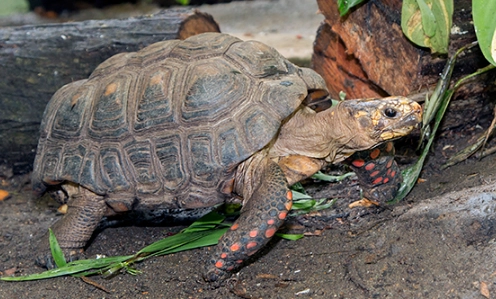
| Food Category | Examples (The Good Stuff) | Frequency |
|---|---|---|
| Leafy Greens (Staples) | Spring mix, escarole, endive, radicchio, dandelion greens, turnip greens, mulberry leaves, hibiscus leaves/flowers. | Daily, as base of diet. |
| Vegetables | Grated squash, pumpkin, sweet potato (cooked), bell peppers, opuntia cactus pads. | Several times a week. |
| Fruits (Treats!) | Mango, papaya, berries, melon, figs, prickly pear fruit. Avoid citrus. | 1-2 times per week. |
| Animal Protein | Boiled egg (occasionally), low-fat dog food (a tiny bit), snails, worms, moistened high-quality primate chow. This is key for growth and shell health. | For adults: Once every 7-14 days. For juveniles: Once a week. |
| Calcium Supplement | Plain calcium carbonate powder (no D3 if using proper UVB). | Light dusting on food 3-4 times a week. |
How much to feed? A good amount is roughly the size of the tortoise's shell. For adults, many keepers follow a "feed every other day" schedule to prevent obesity. Always remove uneaten fresh food at the end of the day.
Daily, Weekly, and Monthly Care Routine
What does owning a Red-footed Tortoise actually look like on a Tuesday? It's not overwhelming, but it's consistent.
Daily: Check temperatures/humidity. Spot clean poop. Offer fresh food and water. Just a quick 5-minute check-in.
Weekly: Soak your tortoise. This is crucial, especially for young ones and in drier climates. Place them in a tall-sided tub with warm (not hot) shallow water—just up to where the top and bottom shells meet (the bridge). Soak for 15-20 minutes. They'll often drink and defecate. It's great for hydration and helps you monitor their health. Also, do a more thorough clean of the food/water dishes.
Monthly: Complete substrate change or deep clean. Disinfect the enclosure with a reptile-safe cleaner (diluted chlorhexidine or F10). Trim overgrown beak or nails if needed (ask a vet to show you how first!).
Common Health Issues in Red-footed Tortoises
An ounce of prevention is worth a pound of cure, especially with exotic vets. Here are the big things to watch for:
- Respiratory Infections (RI): Symptoms include bubbly or runny nose, wheezing, lethargy, open-mouth breathing. Almost always caused by incorrect temperatures or humidity. This is a veterinary emergency.
- Shell Rot: Soft, smelly, or discolored patches on the shell. Caused by a dirty, wet environment or injury. Treatable with diligent cleaning and topical antifungals/antibiotics from a vet.
- Parasites: Even captive-bred tortoises can have them. Signs include diarrhea, lack of growth despite eating, visible worms in feces. A fecal exam by a vet is a good idea for any new tortoise.
- Metabolic Bone Disease (MBD): The big one. Caused by lack of UVB and/or calcium. Symptoms include soft shell, rubbery jaw, swollen limbs, difficulty walking. It's preventable with proper setup.
Find a vet before you have an emergency.
Not all vets see reptiles. Use the ARAV Find-a-Vet tool to locate a qualified reptile veterinarian in your area. A check-up for a new pet Red-footed Tortoise is a smart investment.
Red-Footed Tortoise Behavior: What's Normal?
Understanding their behavior helps you spot problems early.
Hiding a lot: Normal for a new tortoise or if temperatures are off. If established and hiding constantly, check your setup.
Digging: Very normal! They dig to thermoregulate, find moisture, or just for fun. Provide deep substrate.
Not eating for a day or two: Can be normal, especially for adults or during weather changes. More than a few days is a concern.
Pacing the walls: Often a sign the enclosure is too small or lacks enrichment.
Hissing: It's not aggression! It's just the sound of air being rapidly expelled from their lungs when they pull into their shell quickly. Don't be alarmed.
Frequently Asked Questions (The Stuff You're Actually Searching)
Are Red-footed Tortoises good for beginners?
They are often recommended as a good "first tortoise" due to their hardiness and forgiving nature compared to some species. However, a "beginner" reptile keeper should still be prepared for the significant space requirements, long lifespan, and need for specific humidity. Do your homework first.
Can I keep my Red-footed Tortoise outside?
Absolutely, and if you live in a suitable climate (warm and humid), it's the best thing for them. They need a secure, predator-proof pen with shaded areas, hiding spots, and a sheltered house for night or bad weather. The pen must be dug into the ground or have a solid footer to prevent digging out. Always acclimate them slowly in spring.
Do Red-footed Tortoises hibernate?
No. They come from tropical regions and do not brumate (the reptile equivalent of hibernation). You must maintain warm temperatures year-round. Lowering temperatures will make them sick.
Can I keep two Red-footed Tortoises together?
This is tricky and often not recommended, especially for beginners. Males can be territorial and fight. Two females in a very large enclosure can sometimes work. A male and female will lead to constant breeding stress for the female. Housing them separately is usually the safest, least stressful option.
How can I tell if my Red-footed Tortoise is male or female?
It's difficult until they are sub-adult (around 5-6 inches). Males tend to have a longer, thicker tail that they often tuck to the side, a concave plastron, and a more "hourglass" shaped shell. Females have a shorter tail, a flat plastron, and a rounder, broader shell.
The Real Cost of a Red-footed Tortoise
Let's talk money, because surprises are not fun. The tortoise itself from a good breeder might cost $200-$500. The real expense is the setup.
- Adult-sized enclosure (materials or custom-built): $300 - $800+
- UVB Light & Fixture: $70 - $100
- Heat Emitters, Domes, Thermostat: $100 - $150
- Substrate, Décor, Dishes: $100 - $200
- Initial Vet Check-up: $80 - $150
Total Startup (Realistic): $650 - $1,500+
Ongoing Monthly: Food, electricity, substrate replacement: $30 - $60.
It's a commitment. But spread over 50 years, that initial investment doesn't look so bad.
Final Thoughts: Is a Red-footed Tortoise Right for You?
Getting a Red-footed Tortoise isn't an impulse decision. It's bringing home a quiet, slow-moving roommate that will likely outlive your current car, maybe even your mortgage. They don't show affection like a mammal, but there's a profound satisfaction in creating a slice of the tropics in your home and watching a creature thrive because of your care.
If you're daunted by the space needs or the upfront cost, that's okay. It means you're thinking it through. If you're excited by the prospect of building a habitat, learning about their diet, and observing their ancient rhythms, then you might just be the perfect keeper for a Red-footed Tortoise. Start by connecting with experienced keepers, visit a reptile expo to see them in person, and build that enclosure before you bring one home. Do it right, and you'll have a fascinating companion for a very, very long time.
And if you do take the plunge? Welcome to the club. It's a weird and wonderful hobby. Now, if you'll excuse me, I need to go pick some dandelions for Rusty before he starts giving me the stink-eye from his favorite corner.
Reader Comments