Quick Guide
You know that sound on a warm summer night? That short, melodic trill that seems to come from the trees? Chances are, you're listening to an Eastern Gray Tree Frog. These little guys are the soundtrack to countless evenings east of the Mississippi, but most people have never actually seen one up close. They're masters of disguise, after all.
I remember the first time I finally spotted one. I'd heard the call for years—a sound I confused with birds at first—but the frog itself remained a mystery. Then one rainy night, there it was, plastered against my window, a perfect lump of mottled gray looking more like bark than an animal. That's the magic of Hyla versicolor (that's its scientific name, but we'll stick with Eastern Gray Tree Frog for now).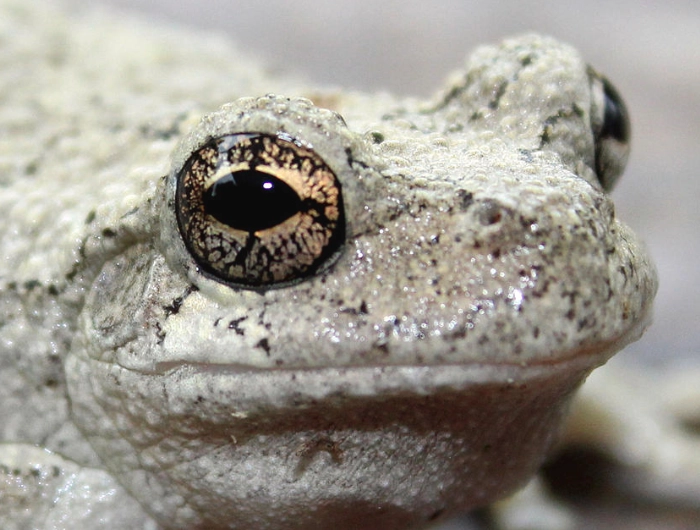
This guide is everything I wish I'd known back then. Whether you're a curious backyard naturalist, a teacher with a classroom terrarium, or someone who's just fallen in love with that iconic call, we're going to dig into the whole story. From their wild lives in the woods to the specifics of keeping one healthy in captivity (which is a bigger responsibility than you might think), consider this your one-stop shop.
Here's a fun one to start with: The "gray" in their name is almost a joke. An individual Eastern Gray Tree Frog can shift its skin color to match its surroundings, showing off shades of green, brown, or even a near-black, all with that classic lichen-like pattern. The gray is just one option in its wardrobe.
So, What Exactly Is an Eastern Gray Tree Frog?
Let's get the basics down. The Eastern Gray Tree Frog is a small, nocturnal amphibian native to the eastern United States and parts of southeastern Canada. They're arboreal, meaning they live in trees and shrubs, and they have those iconic sticky toe pads that let them climb just about any surface, including your sliding glass door.
Now, here's where it gets tricky, and most articles don't make this clear enough. There are actually two species that look identical: the Eastern Gray Tree Frog (Hyla versicolor) and the Cope's Gray Tree Frog (Hyla chrysoscelis). You can't reliably tell them apart by sight—they're twins. The key difference is in their calls and their genetics (Cope's has half the chromosomes). For the average person, if you're in the eastern woods hearing that trill, you're probably dealing with Hyla versicolor, the true Eastern Gray Tree Frog. Their range is broader. The call is slightly slower and more melodic than their Cope's cousin's faster, harsher trill.
I think this confusion is why so much info online is a bit generic. We're specifically talking about Hyla versicolor here.
Quick ID Checklist: Chubby body, bumpy (warty) skin, large toe pads, a bright yellow or orange flash of color on the inner thighs. Size-wise, they max out at about 2 to 2.5 inches (5-6 cm) from snout to rear. That's smaller than your average smartphone.
Living the Wild Life: Behavior, Habitat, and That Famous Call
In the wild, these frogs are all about adaptation. They spend most of their time high up in deciduous trees, coming down to breed in temporary or permanent ponds in the spring and summer. They're not picky about their water source—a forest pool, a swampy area, even a large ditch will do.
But their real party trick is survival. How does a soft, moist-skinned animal survive freezing northern winters? They don't migrate. They don't burrow deep. They freeze solid. Well, almost. The Eastern Gray Tree Frog produces massive amounts of glycerol in its blood, which acts as a natural antifreeze. Its heart stops. It doesn't breathe. Up to 65% of the water in its body can turn to ice. Come spring, it thaws out and hops away like nothing happened. It's one of the most incredible feats in the amphibian world. The U.S. Fish & Wildlife Service has some great general resources on amphibian adaptations that touch on these incredible survival strategies.
The Sound of Summer: Understanding the Gray Tree Frog Call
This is what everyone searches for. That call. It's not a "ribbit." It's a short, flute-like, melodic trill that lasts about a second, repeated every few seconds. People often describe it as peaceful or musical. You'll hear it most on humid evenings from late spring through summer, especially after a rain. Males call to attract females, and a single pond can have a whole chorus going, which is just magical to experience.
Want to hear the difference between the Eastern and Cope's calls? The best resource out there is the Cornell Lab of Ornithology's Macaulay Library (yes, they have frog sounds too!). Search for Hyla versicolor and you'll find pristine recordings. The Eastern's trill has a slower pulse rate.
*trill... trill... trill...*
Thinking of Keeping an Eastern Gray Tree Frog as a Pet?
This is a big section because it's a big decision. They can make fascinating pets, but they are not low-maintenance like a piece of decor. They're a living, breathing wild animal with specific needs. First and foremost, never take one from the wild. It's often illegal, it disrupts local ecosystems, and wild-caught animals are stressed and can carry parasites. Always seek a reputable breeder.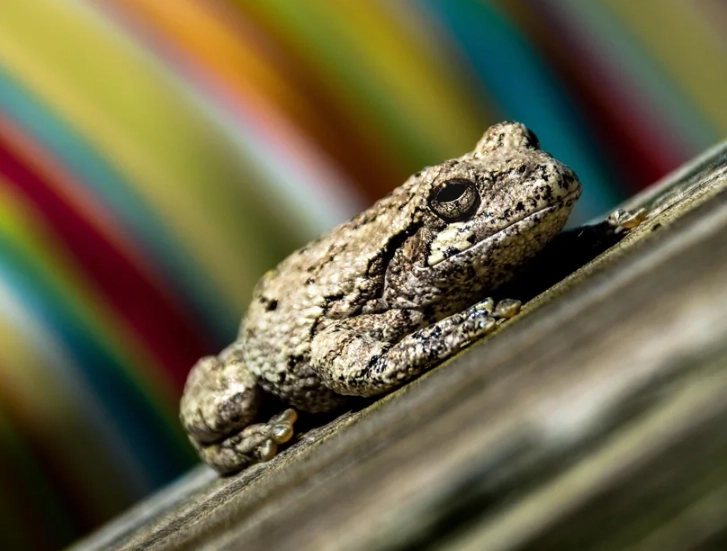
My personal take? They're observational pets. You don't cuddle them. You'll do a lot of work for the privilege of watching a beautifully camouflaged frog sit very still. If you're okay with that—and the nightly summer serenades if you have a male—then read on.
Building the Perfect Terrarium: A Shopping List
Your goal is to recreate a vertical slice of their forest home. A tall tank is non-negotiable. Here’s what you’ll need, broken down.
| Item | Specifications & Details | Why It's Important |
|---|---|---|
| Enclosure | Tall glass terrarium (e.g., 18"L x 18"W x 24"H minimum for 1-2 frogs). Screen top for ventilation. | They climb. Floor space is less important than height. Good airflow prevents stagnant, moldy air. |
| Substrate | Moisture-retaining mix: coconut fiber, sphagnum moss, orchid bark. Avoid small gravel or sand. | Holds humidity and is safe if accidentally ingested during feeding. You can plant directly in it. |
| Heating & Lighting | Low-wattage heat lamp on one side, creating a gradient (75-80°F warm side, 65-70°F cool side). No special UVB is strictly needed but some keepers use low-level UVB for plant/animal health. | They are ectotherms and need warmth to digest food. A gradient lets them choose. No under-tank heaters—they burrow to cool down! |
| Humidity | Digital hygrometer. Maintain 50-70% humidity. Mist daily with dechlorinated water. | Prevents fatal dehydration. Their skin needs to stay moist for respiration. |
| Furnishings | **Lots** of branches, cork bark tubes, and live/artificial plants (Pothos, Philodendron are great). Create hiding spots at all levels. | Provides security, climbing surfaces, and enriches their environment. A stressed, exposed frog is an unhealthy frog. |
| Water Dish | Shallow, sturdy dish large enough for the frog to sit in. Change water daily. | For soaking and hydration. They absorb water through their skin. |
Setting this up isn't cheap, and it takes time to get the humidity and temperature balance right. Don't just throw a frog in a bare tank with a water bowl—it won't end well.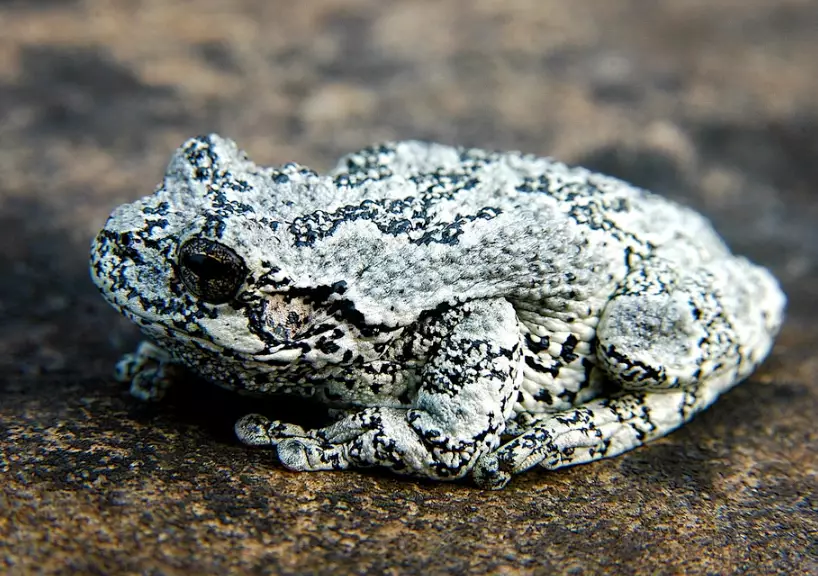
What's on the Menu? Feeding Your Eastern Gray Tree Frog
In the wild, they're opportunistic insectivores. A flying moth, a crawling beetle, a hapless spider—it's all food. In captivity, you need to provide variety.
- Staple Diet: Gut-loaded crickets, dubia roaches, and black soldier fly larvae are excellent staples. "Gut-loading" means feeding the insects nutritious food 24-48 hours before offering them to your frog.
- Occasional Treats: Waxworms, mealworms (sparingly—they're fatty), and small silkworms.
- The Golden Rule: **Dust with supplements.** Every other feeding, dust insects with a high-quality calcium + vitamin D3 powder. Once a week, use a multivitamin powder. This prevents Metabolic Bone Disease (MBD), a common and fatal ailment in pet amphibians caused by nutritional deficiency.
Feed juveniles more frequently (daily or every other day), adults 2-3 times a week. Offer only as many insects as the frog will eat in 15-30 minutes. Escaped crickets can nibble on your frog, so remove uneaten ones.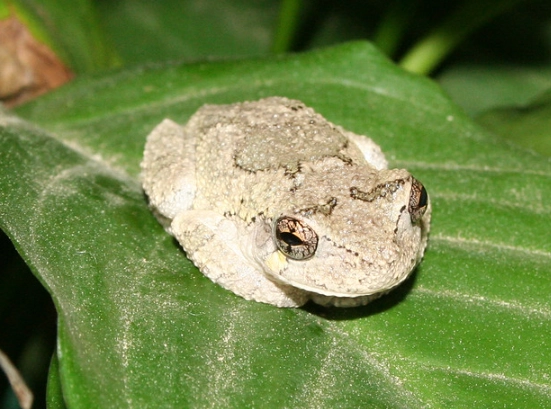
Answering Your Biggest Questions (FAQ)
- Provide water: A shallow, sloping pond or even a large, buried container with aquatic plants and easy exit points.
- Go chemical-free: Avoid pesticides and herbicides. They kill the frogs' food and can poison the frogs directly.
- Leave some mess: Piles of leaves, fallen logs, and dense shrubbery provide perfect hiding and foraging spots.
- Turn off exterior lights: Lights attract insects, which is good, but they also disorient nocturnal frogs. Use motion-sensor lights instead.
Creating a wildlife habitat is incredibly rewarding. Your local county extension service (like those linked through USDA) often has guides on building backyard ponds for wildlife.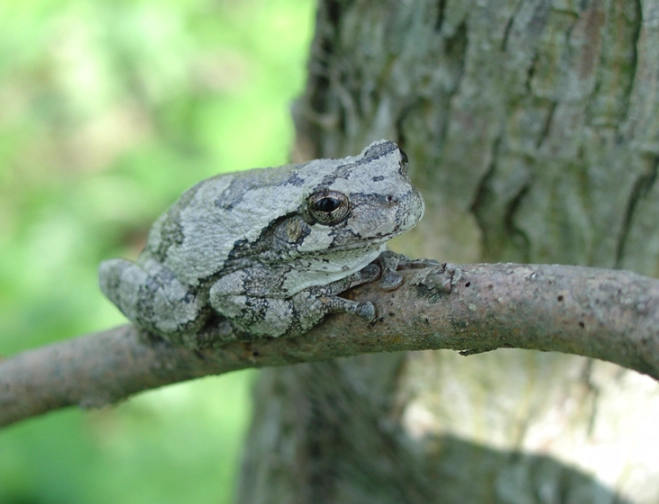
Common Health Issues to Watch For
Even with perfect care, things can go wrong. Knowing the signs is key.
- Red-Leg Disease: A serious bacterial infection. Symptoms include lethargy, loss of appetite, and reddening of the skin, especially on the belly and legs. Requires immediate veterinary care from an exotic vet (not all vets see frogs).
- Metabolic Bone Disease (MBD): As mentioned. Symptoms include a soft, rubbery jaw, difficulty catching prey, lethargy, and eventually limb deformities. Prevention through proper diet and supplementation is 100% easier than treatment.
- Dehydration: A frog that is shriveled, has sunken eyes, and is listless is severely dehydrated. Soak in shallow, clean water and ensure your humidity is consistently high.
- Parasites: More common in wild-caught frogs. Weight loss, abnormal stools, bloating. A vet can diagnose and prescribe treatment.
The bottom line? Find an exotic veterinarian before you have an emergency. It's part of the responsibility.
Final Thoughts: Respect for a Tiny Marvel
The Eastern Gray Tree Frog is more than just a cute face or a pleasant sound. It's a complex animal perfectly tuned to its environment—a color-changing, freeze-tolerant, climbing insectivore that has thrived for millennia. Whether you're simply learning to identify its call on a evening walk or committing to years of care for a captive one, understanding its needs is the first step.
They remind us that wildness exists in our own backyards, in those small, mysterious voices from the trees. With a bit of knowledge and a lot of respect, we can ensure those voices keep calling for generations to come.
You'll hear the world a little differently.
Reader Comments