Let's be real for a second. When most people think "tarantula," they picture one big, scary, hairy spider. Maybe it's the one from a movie. But if you're here, you probably already suspect there's more to it. You're right. The world of types of tarantulas is vast, colorful, and full of surprises. Some are calm enough for a beginner's first pet. Others... well, let's just say you should admire those from the other side of a very secure glass.
I remember walking into my first reptile expo years ago, thinking I'd just look at snakes. Then I saw a vendor with dozens of small, clear containers. Inside were little creatures ranging from jet black to electric blue to flaming orange. I was hooked. But I also had no clue where to start. Sound familiar?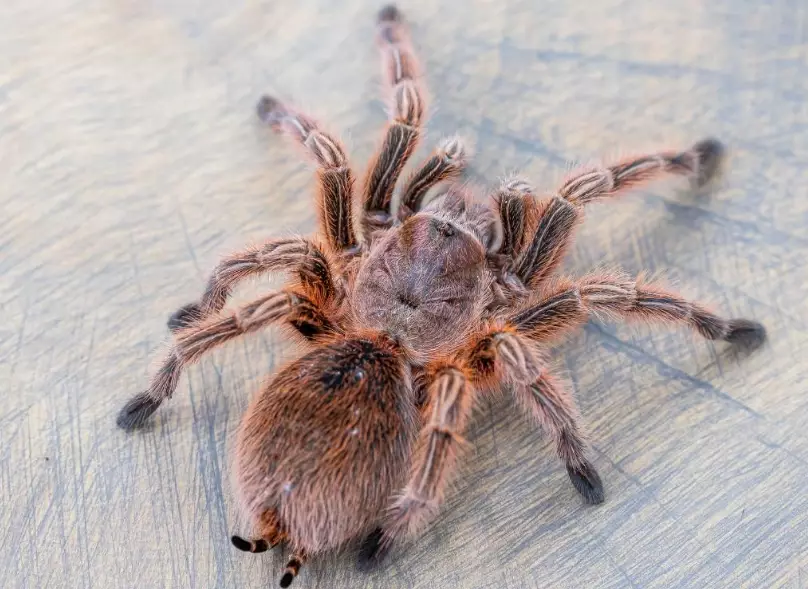
This guide is the one I wish I'd had. We're going to cut through the confusion and look at the real differences between the main types of tarantulas. We'll talk about which ones are chill, which ones are feisty, what they need to thrive, and how to pick one that matches your experience (and courage) level. No fluff, just the stuff you actually need to know.
Quick Guide
The Biggest Split: New World vs. Old World Tarantulas
This is the single most important way to categorize tarantula species. It's not about how old they are. It's about geography, and more importantly, behavior and defense mechanisms. Getting this wrong can lead to a very bad day.
New World Tarantulas (The Americas)
These are the tarantulas from North, Central, and South America. They're generally the recommended starting point for newcomers, and for good reason.
Their signature move isn't a painful bite. It's something much weirder. They have special urticating hairs on their abdomen. When threatened, they'll kick a cloud of these microscopic, barbed hairs toward whatever's bothering them. For you, it feels like getting fiberglass insulation on your skin—intense itching, rash, and misery if it gets in your eyes or lungs. It's a brilliant, long-range defense that lets them avoid a fight.
In terms of personality, many New World species are slower-moving and more reluctant to bite. They'd rather hide or flick hairs. That's not to say they're cuddly—they're still wild animals—but they're more predictable. Popular beginner types of tarantulas like the Chilean Rose Hair, Mexican Redknee, and Brazilian Black all fall into this category.
Old World Tarantulas (Africa, Asia, Australia, Europe)
These tarantulas from the Eastern Hemisphere play by different rules. They evolved without mammalian predators that urticating hairs would deter, so most species do not have them.
So what do they do when threatened? They rely on speed, aggression, and a medically significant bite. We're talking lightning-fast movements, a willingness to stand their ground and strike, and venom that, while rarely life-threatening to a healthy adult, packs a serious punch. Pain, muscle cramps, sweating—it's not fun.
Old World tarantulas are breathtakingly beautiful. Think the electric blue Cobalt Blue (*Cyriopagopus lividus*) or the intricate patterns of an Ornamental (*Poecilotheria* species). But they are almost universally considered advanced-level pets. They're for looking, not handling.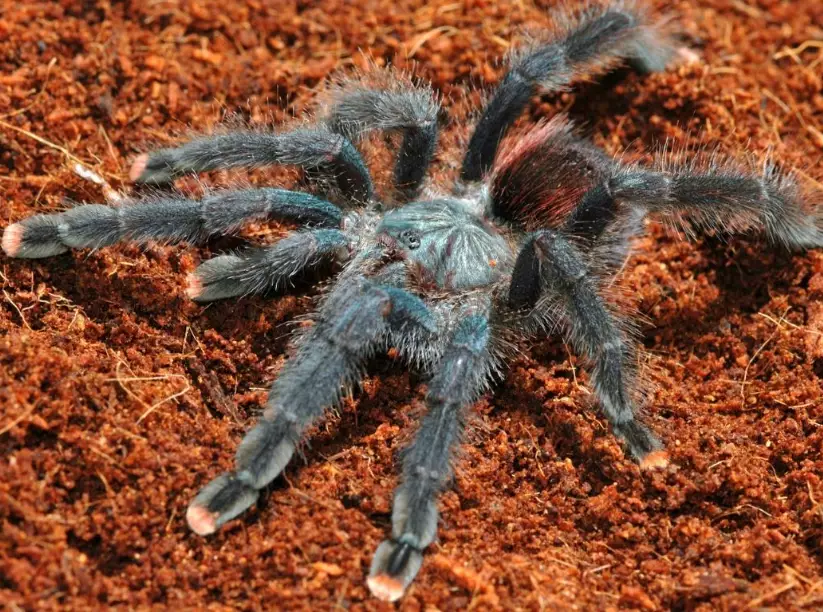
That's the core divide. Now, let's get into the specific types of pet tarantulas you'll see for sale.
Popular Tarantula Species: From Beginner to Expert
Here’s a breakdown of some of the most commonly kept species, organized by temperament and care difficulty. This table should give you a quick snapshot.
| Common Name | Scientific Name | Region (World) | Temperament | Growth Rate | Key Feature / Note |
|---|---|---|---|---|---|
| Chilean Rose Hair | Grammostola rosea/porteri | New World (Chile) | Very Docile, Often Inactive | Slow | The "classic" pet store tarantula. Can fast for months. |
| Mexican Redknee | Brachypelma hamorii | New World (Mexico) | Generally Docile | Very Slow | Iconic orange/black knees. Long-lived, hardy. |
| Curly Hair Tarantula | Tliltocatl albopilosus | New World (C. America) | Docile, Good Eater | Medium | Fuzzy, teddy-bear appearance. Forgiving of mistakes. |
| Brazilian Black | Grammostola pulchra | New World (Brazil) | Extremely Docile | Slow | Jet-black, velvety appearance. Calm disposition. |
| Pink Toe Tarantula | Avicularia avicularia | New World (S. America) | Skittish, Rarely Bites | Medium-Fast | Arboreal (lives in trees). Needs cross-ventilation. |
| Greenbottle Blue | Chromatopelma cyaneopubescens | New World (Venezuela) | Active, Slightly Nervous | Fast | Incredible blue/green/orange colors. Heavy webber. |
| Cobalt Blue Tarantula | Cyriopagopus lividus | Old World (Asia) | Defensive, Aggressive | Fast | Stunning blue legs. Fossorial (deep burrower). |
| King Baboon Tarantula | Pelinobius muticus | Old World (Africa) | Defensive, Aggressive | Slow | Massive size, rusty color. Loud hissing sound. |
| Gooty Sapphire Ornamental | Poecilotheria metallica | Old World (India) | Fast, Defensive | Fast | Unreal blue patterning. Arboreal. Potent venom. |
See how that splits out? The New World ones dominate the "beginner-friendly" side for a reason. Now, let's dig a bit deeper into a few standout types of tarantulas.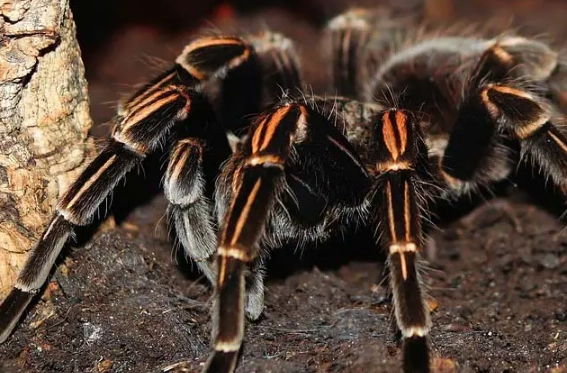
Top Picks for First-Time Owners
If you're just starting out, you want something hardy, with a predictable temperament, and simple needs. Here are my top recommendations based on years in the hobby and talking to breeders.
The Curly Hair (*Tliltocatl albopilosus*) might be the perfect true beginner tarantula. They're almost always hungry, which is rewarding to watch. They grow at a decent pace so you see progress. They're terrestrial (ground-dwelling), so a simple enclosure works. And that fuzzy body is just charming. They're less prone to the years-long hunger strikes some *Grammostola* species are famous for.
The Brazilian Black (*Grammostola pulchra*) is the gentleman/lady of the tarantula world. They are famously calm, almost regal in their movements. Their deep, uniform black color is incredibly sleek. The downside? They grow painfully slow and can be pricey for a sling (spiderling). But if patience is your virtue, you get an amazing pet.
The Mexican Redknee (*Brachypelma hamorii*), as I mentioned, is a classic for a reason. They're visually stunning, their care requirements are well-documented, and they have a long lifespan. Just be ready for a pet that spends a lot of time doing absolutely nothing. That's most tarantulas, honestly.
For the Intermediate Keeper: Active & Showy Species
Once you've got the basics down, you might want a tarantula that's more of a showpiece. These are still New World, but they have quirks that require a bit more attention.
The Greenbottle Blue (*Chromatopelma cyaneopubescens*) is a crowd-pleaser. It's not just one color—it's a brilliant mix of metallic green carapace, blue legs, and orange abdomen. They're active, build extensive, gorgeous webs, and are always out on display. They do have a bit of a nervous kick-hair reflex, so you'll learn to move slowly around their enclosure.
Pink Toes (*Avicularia* and *Caribena* species) introduce you to arboreal care. Instead of a wide tank, they need height, things to climb, and crucially, good airflow to prevent stagnant moisture which can kill them. Watching them build a silky retreat in the top corner of their tank is fascinating. They can be skittish and have a unique defense of shooting feces (yes, really), but they're rarely aggressive.
Choosing Your Tarantula: It's More Than Just Looks
So, you see a pretty picture online and you want that one. Hold on. Let's match the spider to your lifestyle and expectations. Ask yourself these questions.
How much space do I have? A large terrestrial species like a Chaco Golden Knee needs a wider tank. An arboreal Pink Toe needs a tall one. A fossorial (burrowing) species like a Cobalt Blue will need deep substrate and you may almost never see it.
Do I want a pet I can observe often? Some tarantula species are pet holes. They dig a burrow as slings and you might only see feet at the entrance for years. Others, like the Greenbottle Blue, are almost always out in the open. If you need visual confirmation your pet is alive, avoid heavy burrowers.
What's my handling policy? I need to be blunt: tarantulas do not benefit from handling. They gain no enjoyment from it. It's a stress event with risk of injury (a fall can be fatal). Some calm New World species can tolerate it occasionally. If handling is a must for you, stick to the most docile New World types and do so rarely, close to the ground. Old World tarantulas are not for handling. Period.
What's my budget? Costs include the spider itself (from $20 for a common sling to $200+ for rare species), the enclosure ($30-$100), substrate, hides, a water dish, and food (crickets, roaches).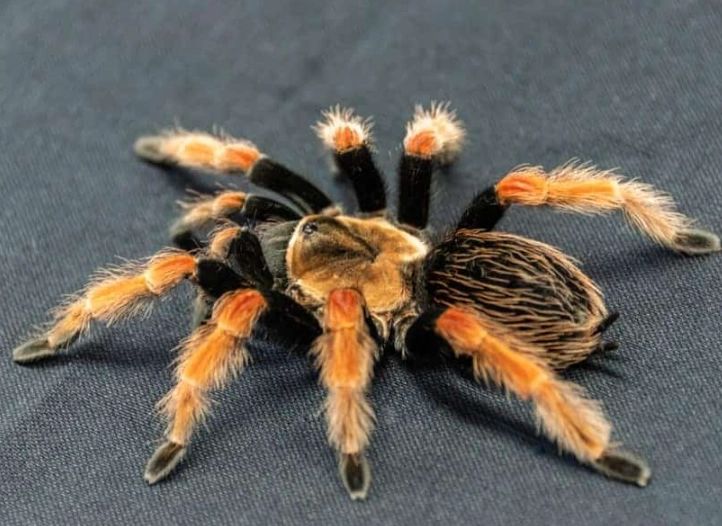
Essential Care Basics Across All Types of Tarantulas
While specifics vary, these core principles apply to almost every type of pet tarantula.
Housing (The Enclosure)
Escape-proof is the rule. A secure, ventilated lid is non-negotiable. For terrestrial species, the enclosure length should be about 3 times the spider's legspan, and width about 2 times. Height isn't as critical but a fall from more than 1.5x their legspan can rupture their abdomen. For arboreals, height is key—they need space to climb.
Substrate is typically coconut fiber or topsoil (without fertilizers/pesticides). It should be deep enough for burrowing species to dig, and for all species to absorb moisture.
Feeding
Tarantulas are obligate carnivores. They eat live prey. The general rule: the prey item should be no larger than the tarantula's abdomen. Crickets, dubia roaches, and mealworms are staples. Adults may only eat once a week or even less. They can fast for astonishingly long periods, especially before a molt. Don't panic if they refuse food.
Molting
This is the coolest and most stressful process. To grow, they must shed their exoskeleton. They'll often stop eating, become lethargic, and may make a silky "molting mat." During the molt itself, they flip on their back. DO NOT DISTURB THEM. Do not feed them. Their new skin is soft and vulnerable. Humidity is often critical for a successful molt. Afterward, they'll be fragile for days or weeks until their new exoskeleton hardens.
Temperature & Humidity
Most common pet tarantulas do fine at standard room temperature (70-78°F or 21-26°C). Avoid direct heat sources like heat lamps placed directly on the tank—they can cook your spider. Under-tank heaters on the side can work. Humidity needs vary wildly. Desert species need it dry with a water dish. Tropical species need moist substrate and higher humidity. Research your specific species! The American Tarantula Society has excellent, detailed care sheets for many species.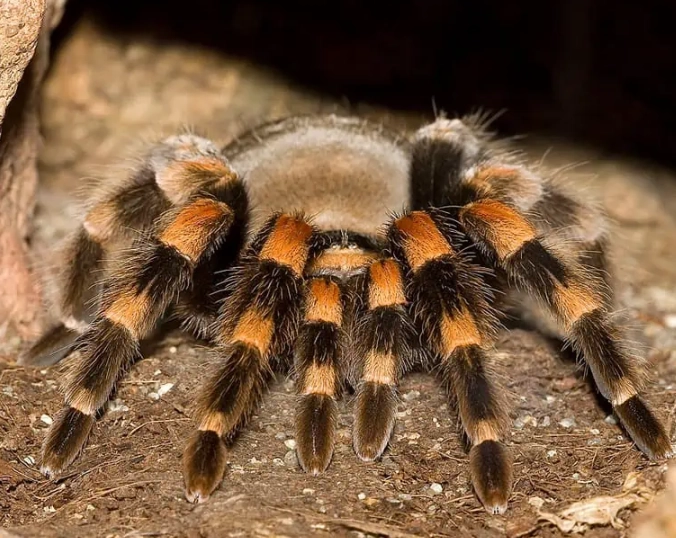
Common Questions (Stuff People Really Want to Know)
A Few Parting Thoughts
Diving into the hobby of keeping types of tarantulas is incredibly rewarding. It teaches patience, observation, and respect for a profoundly misunderstood group of animals. They are quiet, clean, and fascinating living sculptures.
Start slow. Do your research—not just on care, but on the specific behaviors of the tarantula species you want. Join online forums or local groups. The community is full of helpful people. And always, buy captive-bred. It's better for the animal, better for wild populations, and you'll get a healthier pet. Reputable breeders are your best source.
Whether you end up with a fuzzy Curly Hair or just enjoy learning about them from afar, understanding the diversity within these incredible spiders changes how you see the natural world. There's a type of tarantula out there for almost every kind of enthusiast, if you know where to look.
Reader Comments