So you've got a stunning Mack Snow, a beautiful Blizzard, or maybe a striking Eclipse leopard gecko. You call them "fancy" for a reason. But here's a thought that keeps many owners up at night: does their dazzling appearance mean they need a fancier diet? The short answer is yes and no. The core principles are the same, but the devil—and the health of your gecko—is in the details most care sheets gloss over.
I've seen too many vibrant morphs lose their luster or develop health issues because their diet was on autopilot. Feeding a fancy leopard gecko isn't just about dropping insects in a tank. It's a targeted nutrition strategy.
What’s Inside: Your Quick Guide
The "Fancy" Difference: It's Not Just Color
Let's clear this up first. A "Fancy" leopard gecko isn't a separate species. It's a trade term for the eye-catching morphs bred for unique patterns and colors—think albinos, patternless stripes, and giant morphs. Their digestive system is identical to a "normal" leopard gecko's. So why the special focus?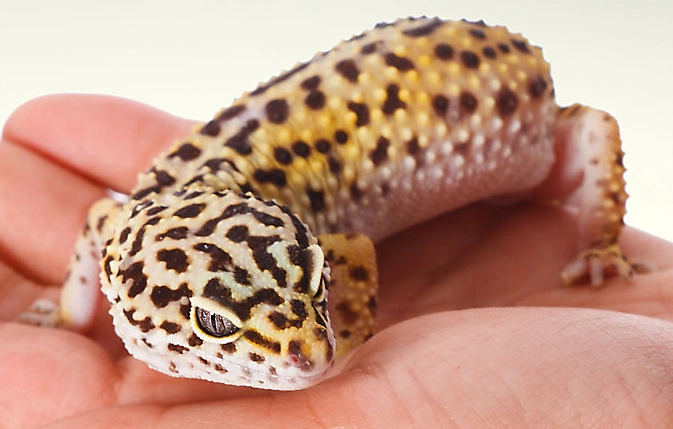
Two reasons: sensitivity and selective breeding. Some morphs, particularly albinos and other light-eyed variants, have a well-documented sensitivity to bright light. This impacts how they process synthetic vitamin D3 from supplements, a nuance we'll dive into deeply. Secondly, the intense selective breeding for appearance might (though not conclusively proven) make some lines slightly more prone to specific issues. A rock-solid diet is your best preventive medicine.
The goal isn't to complicate things. It's to refine them. Your fancy gecko needs the same core nutrients—protein, calcium, vitamins—but the source and balance require a more watchful eye.
Building the Perfect Feeder Insect Team
Think of feeder insects as your gecko's ingredients. You wouldn't make every meal from just potatoes. Variety isn't just nice; it's non-negotiable for preventing nutritional gaps and picky eating.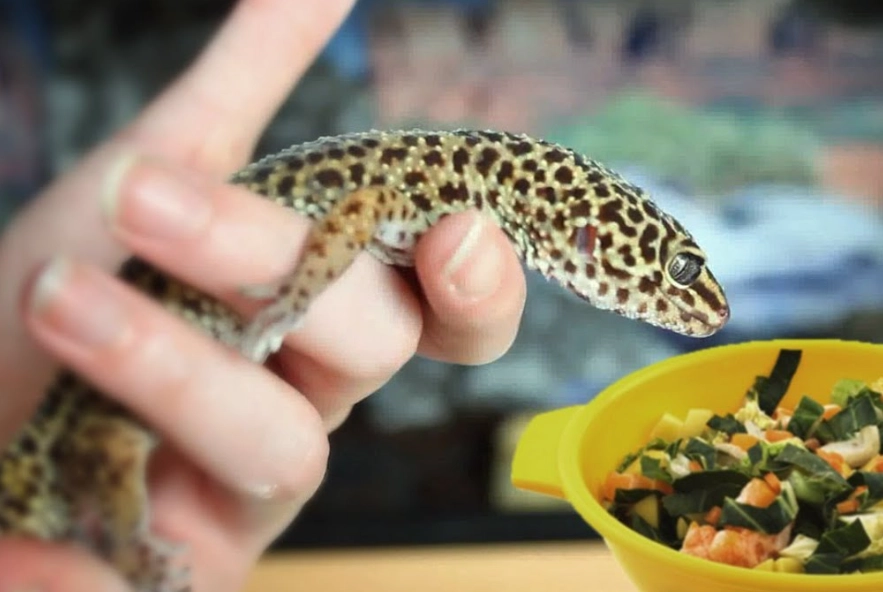
Here’s my roster, ranked by nutritional value and role:
- Dubia Roaches (The MVP): My absolute staple. Their meat-to-shell ratio is fantastic, they're packed with protein, easy to digest, and can't climb or jump. They're also less likely to carry parasites than crickets. Gut-load them with veggies for 48 hours, and you've got a perfect food.
- Black Soldier Fly Larvae (Calcium Hero): These are a secret weapon. Their calcium content is naturally so high they often don't need dusting. They're also low in fat. I use them as a regular part of the rotation, especially for growing juveniles or gravid females.
- Crickets (The Exercise Tool): Nutritious when gut-loaded, but their real value is stimulation. The movement encourages natural hunting behavior. The downside? They're noisy, smell, and can bite your gecko if left uneaten. Always remove leftovers.
- Mealworms & Superworms (The Controversial Carbs): High in fat and chitin. I treat them like pasta—a occasional side, not the main course. Overuse is a straight path to obesity and impaction risk. Superworms are larger and should only be for adult geckos.
- Hornworms & Waxworms (The Dessert): Hornworms are fantastic for hydration (they're like cucumber sticks) but low in protein. Waxworms are pure fat and addictive. Both are strictly treats—once a week max, if that.
Gut-loading is not optional. It means feeding your insects highly nutritious foods (sweet potatoes, carrots, dark leafy greens, commercial gut-load formulas) for 24-48 hours before feeding them to your gecko. You are what you eat, and so is your gecko. A cricket fed cardboard is a hollow calorie.
The Supplement Game: Where Most Owners Fail
This is the single most important section. Dusting isn't sprinkling fairy dust; it's precise nutrient delivery. Get it wrong, and you risk Metabolic Bone Disease (MBD) or vitamin toxicity. I see three common, critical mistakes.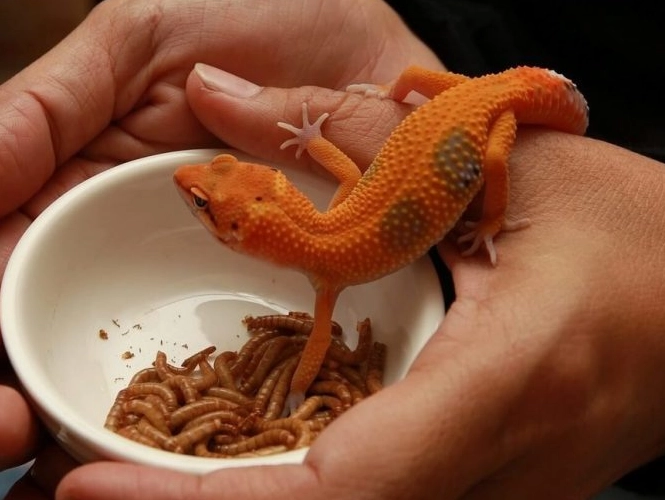
Mistake 1: Using the Wrong Calcium for Albinos
Most calcium powders come with added vitamin D3. D3 helps them absorb calcium. For normal geckos, using this most feedings is fine. For albinos and other light-sensitive morphs? It's risky. Their systems can't handle high doses of synthetic D3 as well. The protocol I follow, backed by breeder consensus and vets, is this:
- Use a pure, phosphorus-free calcium powder (NO D3) for every dusting.
- Only once a week, swap that for a calcium powder with D3 or a high-quality multivitamin.
This prevents D3 overdose while ensuring they get enough for calcium absorption. For non-albino fancy morphs, you can use calcium with D3 more frequently, but still rotate with a multivitamin.
Mistake 2: Ignoring the Multivitamin
Calcium alone isn't enough. They need vitamins A, E, and other trace minerals. A dedicated reptile multivitamin (like Repashy Supervite or Herptivite) is essential. For adults, I dust with this instead of the calcium+D3 once every 7-10 days.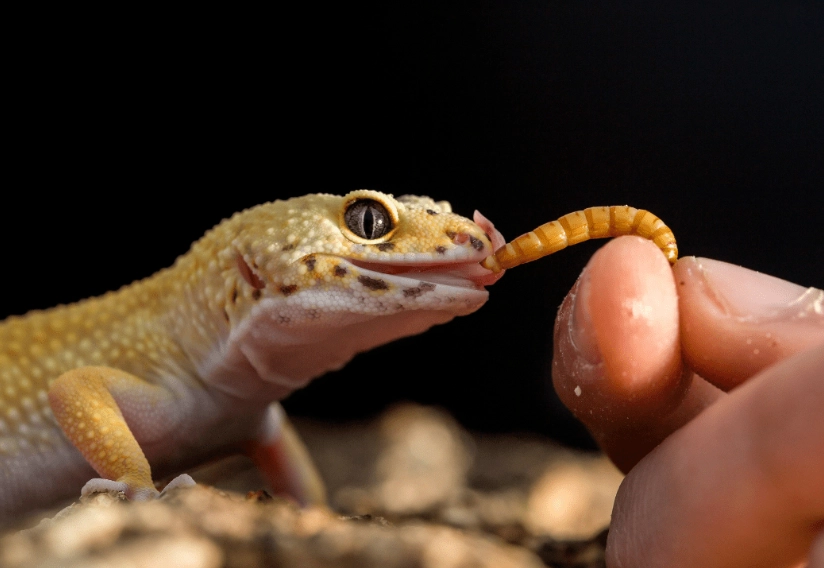
Mistake 3: The "Dust Every Insect" Fallacy
You don't need to coat every insect until it looks like a powdered donut. A light roll is sufficient. Over-dusting can put them off their food. Also, if you're using Black Soldier Fly Larvae regularly, you can often skip the calcium dusting for that feeding—they've already got it covered.
Your Sample Feeding Schedule & "Fancy Feast" Menu
Let's make this practical. Here’s a weekly schedule I've used for my adult fancy leopard geckos. Juveniles eat daily; adults every other day.
See the rotation? Protein, calcium, vitamins, variety. It keeps them interested and fully nourished. Adjust quantities based on your gecko's body condition—you should see a gentle taper from neck to tail, not a bulging sausage body.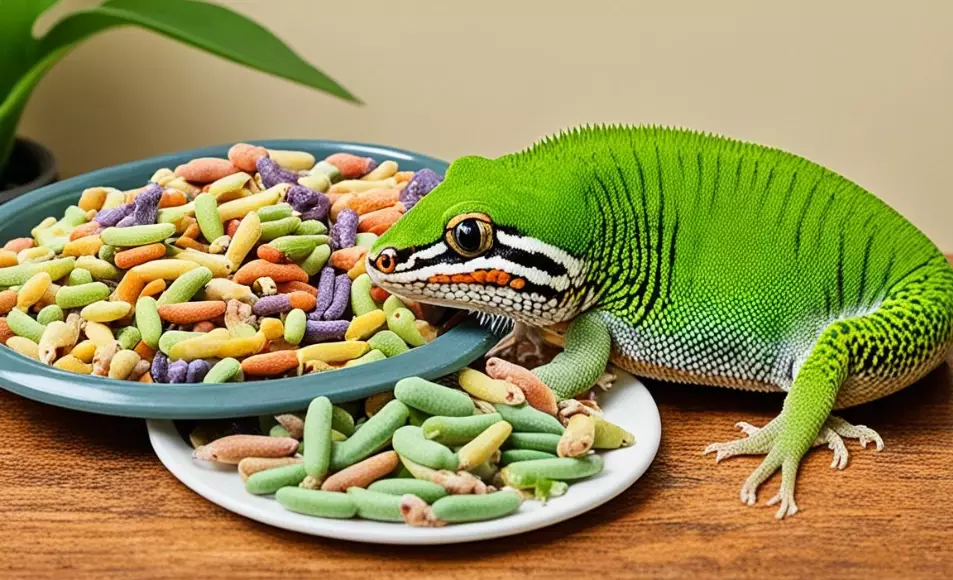
Troubleshooting: The Picky Eater & Health Red Flags
What if your gecko turns its nose up at dubias? First, ensure the tank temperatures are correct (88-92°F on the warm side). A cold gecko won't digest properly and loses appetite.
For picky eaters, try "braining" a treat insect (gently piercing the head of a waxworm to release scent) and offering it alongside the healthier option. Sometimes, skipping a meal or two encourages them to be less choosy. A healthy gecko can go several days without food, so don't panic and give in with junk food immediately.
Red flags: Lethargy, weight loss, struggling to walk or climb, a soft or crooked jaw, or persistently runny droppings. These aren't just "off days." They signal potential parasites, infection, or the onset of MBD. Stop guessing and see a qualified reptile vet. A study in the Journal of Herpetological Medicine and Surgery notes that nutritional disorders are among the top reasons for vet visits in captive reptiles—and they're largely preventable.
Your Questions, Answered
Feeding your fancy leopard gecko isn't about finding one magic food. It's about building a system—a rotation of quality insects, precise supplementation, and observant care. It might seem like a lot at first, but once you get the rhythm, it becomes second nature. And the reward is a gecko that doesn't just survive, but thrives, showing off those brilliant colors and patterns for years to come. That’s the real goal.
Reader Comments