Quick Navigation
Let's get straight to the point. Cleaning your crested gecko tank isn't about following a rigid calendar; it's about observing your pet and its environment. After keeping these geckos for over ten years, I've seen too many owners mess this up by either overcleaning or neglecting the tank. The sweet spot? Spot clean daily, do a partial clean weekly, and a full deep clean monthly. But that's just the start—let's dive into the details.
I remember when I first got my crested gecko, Zippy. I thought a monthly wipe-down was enough. Within weeks, the tank smelled like a damp basement, and Zippy started hiding more. A vet visit later, I learned about the importance of consistent cleaning. Now, I'll share the hard-earned lessons so you don't make the same mistakes.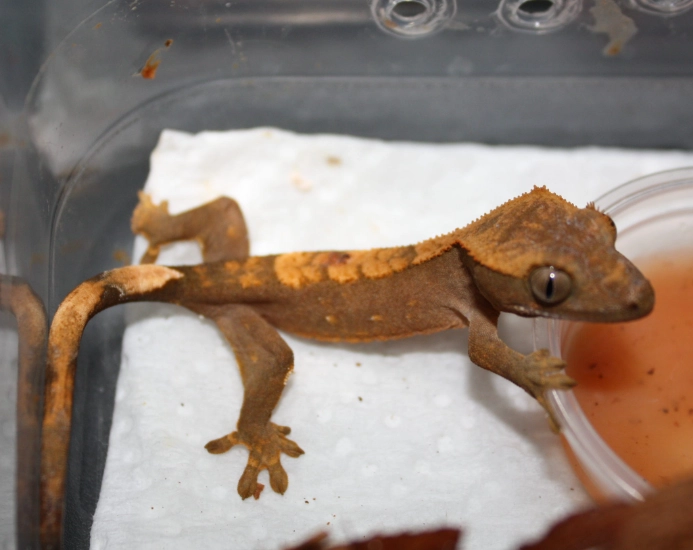
Why Cleaning Frequency Matters for Crested Geckos
Crested geckos are sensitive to their environment. A dirty tank doesn't just look bad; it can lead to serious health issues. Bacteria and mold thrive in warm, humid conditions—exactly what these geckos need. If left unchecked, you might deal with respiratory infections, skin problems, or stress-induced behaviors.
Think of it this way: in the wild, they live in clean rainforest canopies. Captivity means we have to replicate that cleanliness. A study from the Journal of Herpetological Medicine and Surgery highlights that poor enclosure hygiene is a leading cause of reptile illnesses. So, skipping cleans isn't just lazy; it's risky.
Health Risks from Poor Cleaning
Mold growth can cause fungal infections. Ammonia from waste buildup irritates their lungs. I've seen geckos develop scale rot from constant contact with dirty substrate. It's not pretty. Regular cleaning prevents these issues before they start.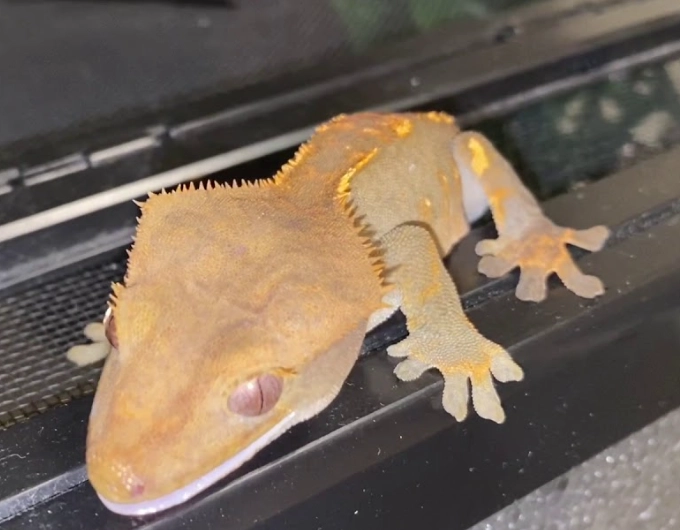
Daily Cleaning Tasks: The 5-Minute Routine
Daily cleaning is non-negotiable. It takes less than five minutes and makes a huge difference. Here's what I do every morning:
- Remove visible waste: Use a small scoop or tweezers to pick up feces and uneaten food. Crested geckos often poop in the same spots, so you'll learn where to look.
- Check water dish: Dump out old water, rinse the dish, and refill with fresh dechlorinated water. Algae can grow fast, so a quick scrub with a brush helps.
- Wipe down glass: If there are nose prints or condensation streaks, use a damp cloth to clean the inside glass. Avoid cleaners here—just water.
Some owners skip this, thinking weekly is enough. But daily spot cleaning reduces odor and prevents waste from breaking down into harmful substances. Trust me, your nose will thank you.
Pro tip: Keep a dedicated set of tools—like a mini dustpan and brush—by the tank. It makes daily cleans effortless and prevents cross-contamination from other household items.
Weekly Cleaning Routine: The Partial Overhaul
Every week, set aside 15-20 minutes for a more thorough clean. This isn't a deep clean, but it keeps things fresh between monthly sessions. Here's my weekly checklist:
- Remove and clean decorations: Take out fake plants, hides, and climbing branches. Rinse them with warm water and scrub off any debris. If there's stubborn gunk, soak in a vinegar solution (1 part vinegar to 3 parts water) for 10 minutes, then rinse well.
- Replace substrate in high-traffic areas: Spot-replace substrate where waste accumulates. For bioactive setups, this might be less frequent, but still check for mold.
- Disinfect food ledges and feeding areas: Crested geckos often lick surfaces, so use a reptile-safe disinfectant. I like F10SC Veterinary Disinfectant—it's effective and safe when diluted properly.
- Check humidity and temperature gauges: Wipe them down to ensure accuracy. A dirty gauge can give false readings, messing up your habitat control.
I used to skip weekly cleans when busy, and the tank would quickly turn into a mess. Now, I schedule it every Sunday morning—it's become a ritual.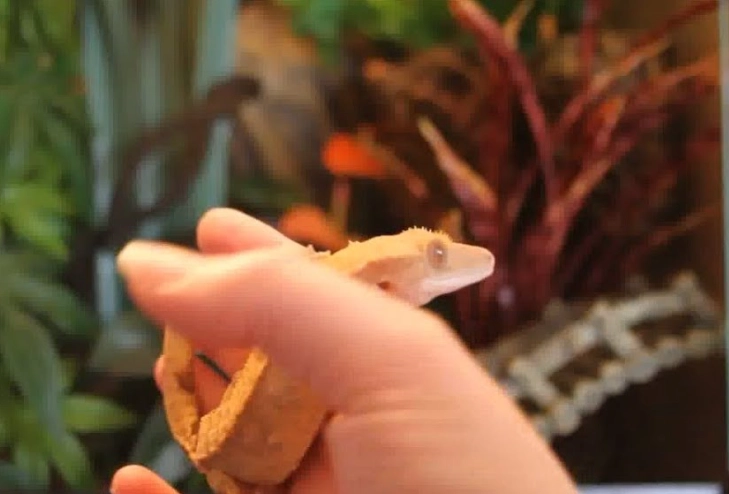
Monthly Deep Clean: The Full Reset
Once a month, plan for a 30-45 minute deep clean. This is where you strip everything down and start fresh. Here's the step-by-step process I follow:
| Step | Action | Tools Needed |
|---|---|---|
| 1 | Remove your gecko to a temporary holding container with ventilation. | Small carrier or critter keeper. |
| 2 | Take out all decorations, substrate, and fixtures. | Gloves, trash bag. |
| 3 | Disinfect the empty tank with a reptile-safe cleaner. Vinegar-water mix works well. | Spray bottle, cloth, sponge. |
| 4 | Rinse thoroughly to remove any cleaner residue. Let it air-dry completely. | Towels, fan for drying. |
| 5 | Clean decorations separately—soak, scrub, rinse, and dry. | Bucket, brush. |
| 6 | Add new substrate and reassemble the tank. Ensure everything is dry to prevent mold. | Fresh substrate, decorations. |
| 7 | Return your gecko and monitor for stress signs. | Patience—geckos can be skittish after changes. |
Why monthly? It breaks the cycle of pathogen buildup. Even with daily and weekly cleans, bacteria can linger in corners or under substrate. A deep clean resets the environment. I've found that doing this on a consistent schedule—say, the first weekend of every month—keeps things manageable.
One thing many guides don't mention: avoid over-disinfecting. Using harsh chemicals too often can strip beneficial microbes in bioactive setups. If you have a bioactive tank, deep cleans might be less frequent, but you still need to monitor and spot-clean aggressively.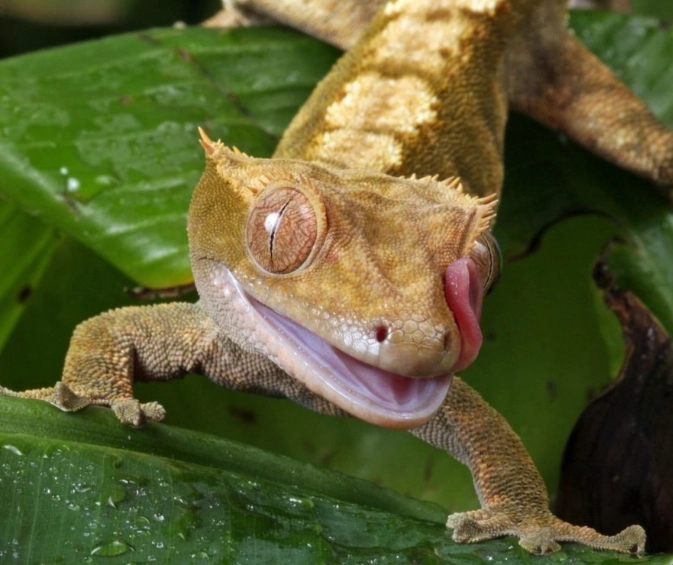
Common Mistakes to Avoid: Lessons from Experience
Over the years, I've seen—and made—plenty of errors. Here are the big ones to watch out for:
- Using the wrong cleaners: Household sprays like Lysol or bleach can leave toxic residues. Even if rinsed, fumes might linger. Stick to reptile-specific products or natural options like vinegar. I once used a multipurpose cleaner and my gecko developed a rash—never again.
- Neglecting hard-to-reach spots: Corners, under ledges, and behind decorations are breeding grounds for mold. During weekly cleans, move things around to check these areas.
- Overcleaning: Yes, it's possible. Cleaning too often can stress your gecko by constantly disrupting its territory. Stick to the schedule unless there's a visible issue.
- Ignoring humidity levels: High humidity from over-misting can accelerate mold growth. After cleaning, ensure proper ventilation to balance humidity. A hygrometer is essential.
Another subtle mistake: not washing your hands before and after tank maintenance. You can introduce contaminants or spread bacteria. It sounds basic, but it's often overlooked.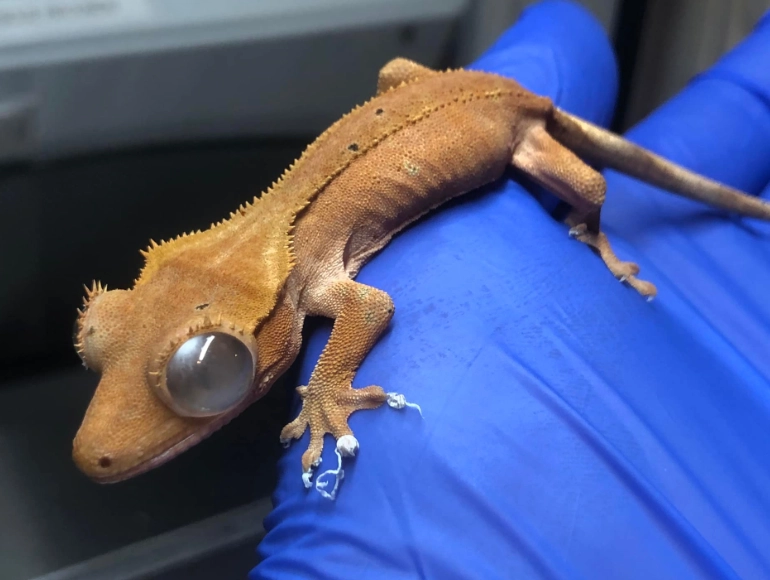
Expert insight: Many new owners focus on the tank interior but forget external surfaces. Dust and grime on the outside glass or lid can affect air quality. Wipe them down during weekly cleans.
Frequently Asked Questions
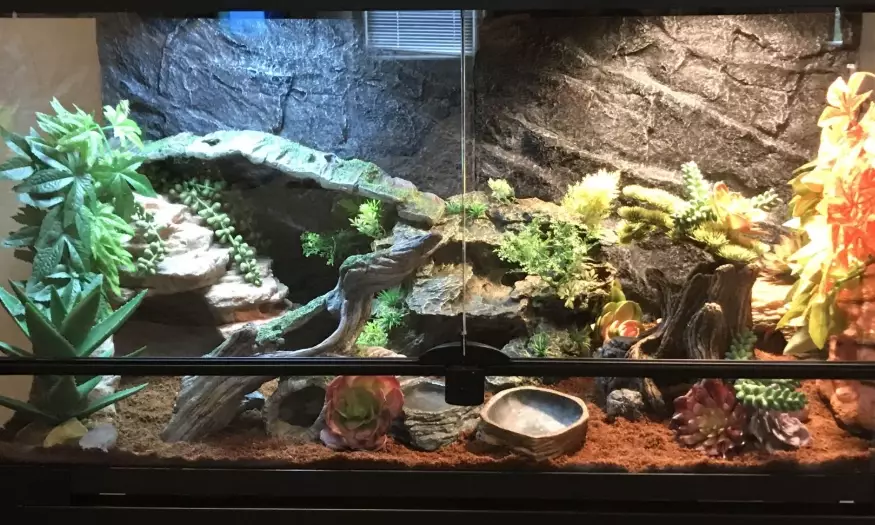
Cleaning a crested gecko tank isn't rocket science, but it does require consistency. Start with daily spot checks, ramp up to weekly partial cleans, and don't skip the monthly deep clean. Your gecko's health and happiness depend on a clean home. If you're ever unsure, err on the side of cleaning—but with the right methods. Now, go give that tank some love!
Reader Comments