I remember the first time I saw a Giant Leaf-Tailed Gecko (Uroplatus fimbriatus) in person. It wasn't in a pet store, but in a dedicated breeder's room. The animal wasn't moving. It was just... gone. Blended into a piece of cork bark so perfectly that my brain refused to see it for a solid minute. That's the magic of this creature. It's not just a pet; it's a living puzzle, a piece of the Malagasy rainforest that demands a specific kind of attention. If you're thinking about getting one, or just fell down a YouTube rabbit hole of their incredible camouflage, you need to know this isn't your average leopard gecko. This guide cuts through the basic info and dives into the nitty-gritty of what it really takes to keep one of these prehistoric-looking marvels thriving.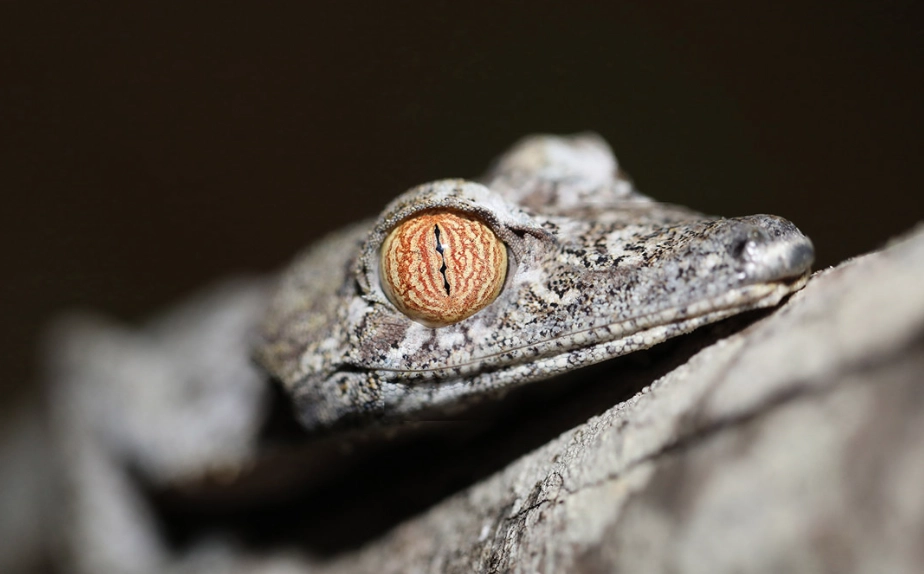
What’s Inside? Your Quick Navigation
More Than Just a Flat Tail: Biology & Natural Habitat
The name "Giant" is relative. We're talking about the largest member of the Uroplatus genus, but that means a total length of 10 to 12 inches, with a good chunk of that being a spectacularly leaf-like tail. They're endemic to Madagascar, meaning they're found nowhere else on Earth. Their world is the humid, primary rainforests on the eastern side of the island.
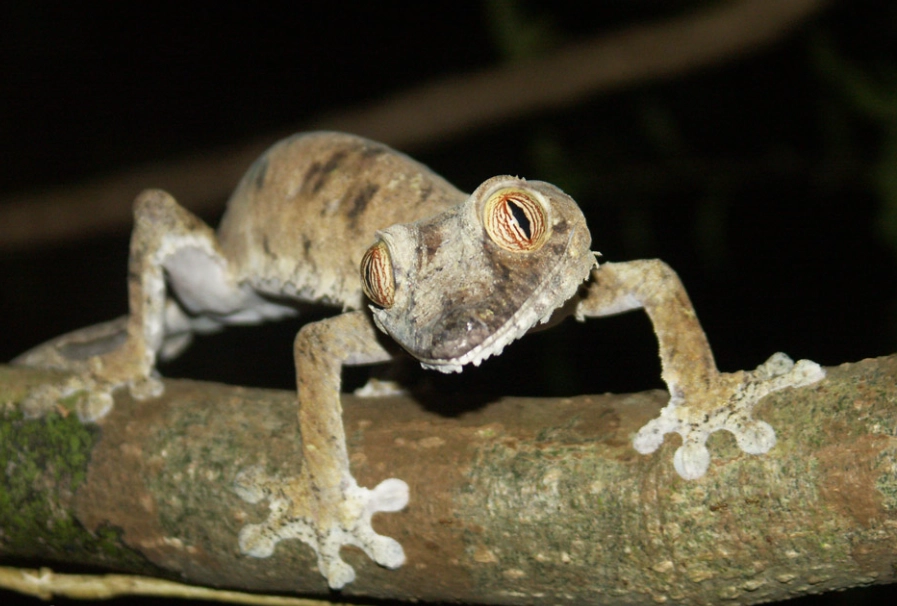
Every part of them is an adaptation for a life spent vertically, head-down on tree trunks. Their skin has intricate patterns that mimic bark and lichen. Fringed flaps of skin run along their lower jaw, body, limbs, and tail, breaking up their outline against a rough surface. Their eyes, lacking eyelids, have a vertical pupil that can close to a series of pinholes, perfect for a nocturnal hunter to manage light. They don't have sticky toe pads like many geckos; instead, they have claws and specialized scales that help them grip.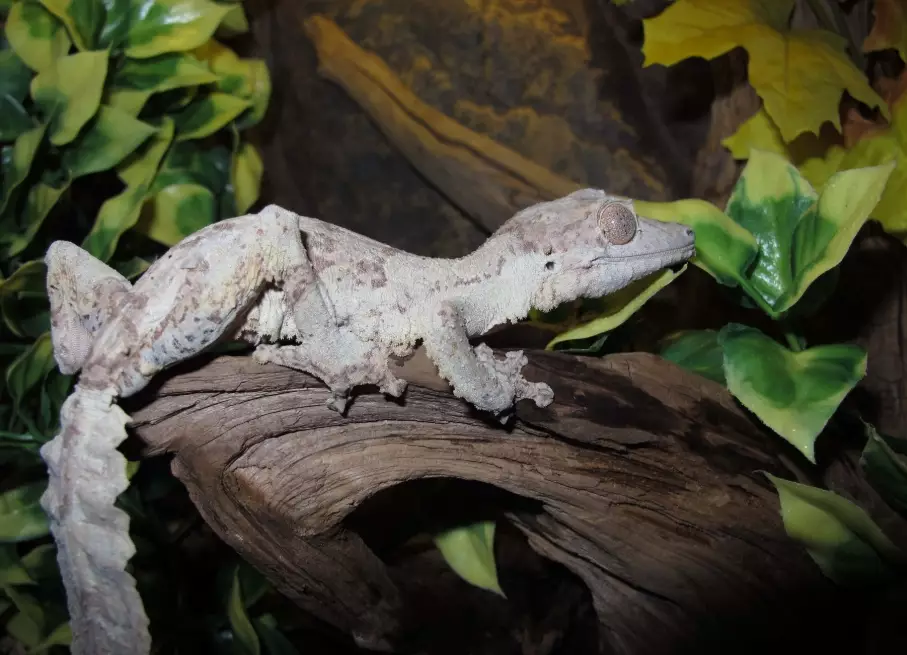
The Complete Giant Leaf-Tailed Gecko Care Guide
This is where most guides stop at the basics. Let's go deeper.
Enclosure: Think Vertically, Not Horizontally
A 20-gallon long tank is the absolute bare minimum for a single adult, and I'd argue it's insufficient. These are climbers. A 18"x18"x24" tall terrarium is a much better starting point. For a pair, go even bigger—24"x18"x36". Screen tops are fine, but you'll be battling humidity loss. A front-opening glass terrarium with partial mesh top offers better control.
The interior is everything. You need a complex network of vertical climbing surfaces. This isn't about one big branch. It's about creating highways and hiding spots at all levels.
- Cork Bark Tubes & Flats: The gold standard. They provide hiding spots, climbing surfaces, and help maintain humidity.
- Driftwood & Manzanita Branches: Create the main climbing structure.
- Live or Safe Artificial Plants: Pothos, Philodendron, and sturdy Bromeliads are excellent. They add cover, humidity, and enrichment. Fake plants work but need to be dense and offer hiding spots.
The Humidity & Temperature Tightropev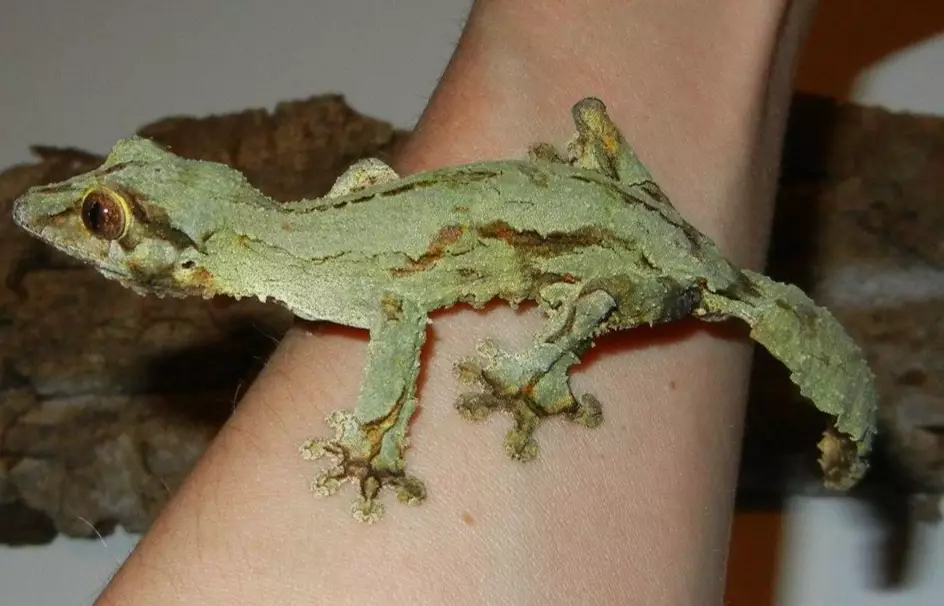
This is the single biggest point of failure for new keepers. The numbers you see online (70-80% humidity, 72-78°F) are averages, but the cycle is crucial.
Humidity: It must spike. A constant 75% is stagnant and can lead to respiratory infections. You need a nightly spike to 90-100% and a daytime drop to around 60-70%. This mimics the natural dew and evaporation cycle of the forest. How? With a heavy morning misting using a hand sprayer or a misting system. The substrate should be damp, not swimming. I've seen more issues from perpetually wet substrate (scale rot, fungal growth) than from slightly lower humidity.
Temperature: They are cool-forest geckos. The warmest spot in the enclosure should not exceed 78°F (25.5°C). An ambient range of 70-75°F (21-24°C) is perfect.
Substrate: It’s a Function, Not Just Flooring
The substrate is your primary humidity reservoir. A deep, bioactive substrate is ideal but not mandatory for beginners.
| Substrate Type | Pros | Cons & Keeper Notes |
|---|---|---|
| Bioactive Mix (Soil, Sand, Charcoal, Leaf Litter) | Self-cleaning, maintains humidity cycles, most natural. | Requires setup with clean-up crews (springtails/isopods). Can be messy if not established. The best long-term choice. |
| Coconut Fiber/Coir | Holds moisture well, inexpensive, mold-resistant. | Can be too dusty when dry. Doesn't support plant roots well long-term. A good, simple option. |
| Paper Towel/Newspaper | Sterile, easy to monitor for feces. | Terrible for humidity. Looks awful. Only use for temporary quarantine enclosures. |
| Sphagnum Moss Top Layer | Great for boosting local humidity. | Never use as the only substrate. Mix into or layer on top of a soil-based substrate. |
Diet & Feeding: The Nocturnal Hunt
They are insectivores. Crickets, dubia roaches, discoid roaches, and the occasional hornworm or silkworm are staples. Gut-load your feeders with nutritious veggies (sweet potato, collard greens) for 24-48 hours before feeding. Dust with a high-quality calcium supplement (with D3 if no UVB light is provided) at most feedings, and a multivitamin once every 1-2 weeks.
Feed at dusk or after lights out. Don't just dump insects in. Offer them with long tweezers or in a shallow dish. Watch. A healthy U. fimbriatus is a voracious and accurate striker. If they stop eating, it's your first sign something is off—usually temperature or humidity.
The Real Challenges: What Nobody Tells You
Beyond setup, here are the subtle struggles.
1. The "I Can't Find My Gecko" Panic: They are that good. You will lose them in their own enclosure. This is normal. Don't tear the tank apart. Check gently at night with a red light.
2. The Fragility Factor: They are not handleable pets. Their skin is delicate, and their tails, while not as prone to dropping as some geckos, can be injured. Stress from handling can lead to refusal to eat. They are display animals, observers of a miniature world you built.
3. Sourcing: Never buy a wild-caught (WC) specimen. They are often loaded with parasites, severely stressed, and their capture harms wild populations. Insist on Captive-Bred (CB) or Captive-Farmed (CF) individuals from reputable breeders. Expect to pay significantly more—$300 to $600 or more for a healthy CB animal. This price is your assurance of better health and ethical sourcing.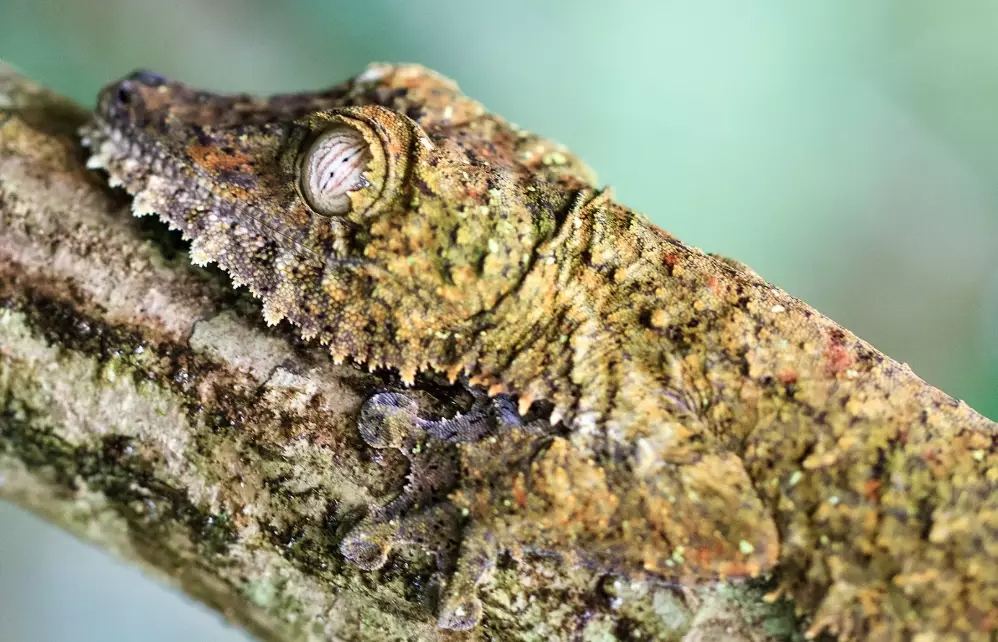
Reading the Room: Understanding Their Behavior
You won't get cuddles. Your reward is observing natural behaviors.
A gecko pressed flat against the glass with its mouth open in a wide gape is not being "cute." It's stressed and telling you to back off. A healthy gecko during the day is a master of stillness. At night, they become active hunters, slowly stalking along branches. Listen for soft clicks or chirps—they do vocalize. Watch for their incredible "leaf drop" defense where they freeze, tuck their limbs, and let their flattened body and tail do the camouflaging.
Beyond the Terrarium: Conservation & Ethics
The Giant Leaf-Tailed Gecko is listed as Vulnerable on the IUCN Red List due to habitat destruction from deforestation in Madagascar. The pet trade, particularly for wild-caught animals, is an additional pressure. This is why supporting captive breeding is non-negotible. Organizations like the Madagascar Biodiversity Partnership work on habitat conservation. As keepers, we have a responsibility to ensure our hobby does not contribute to the decline of such a unique species. Buying captive-bred is the most direct action you can take.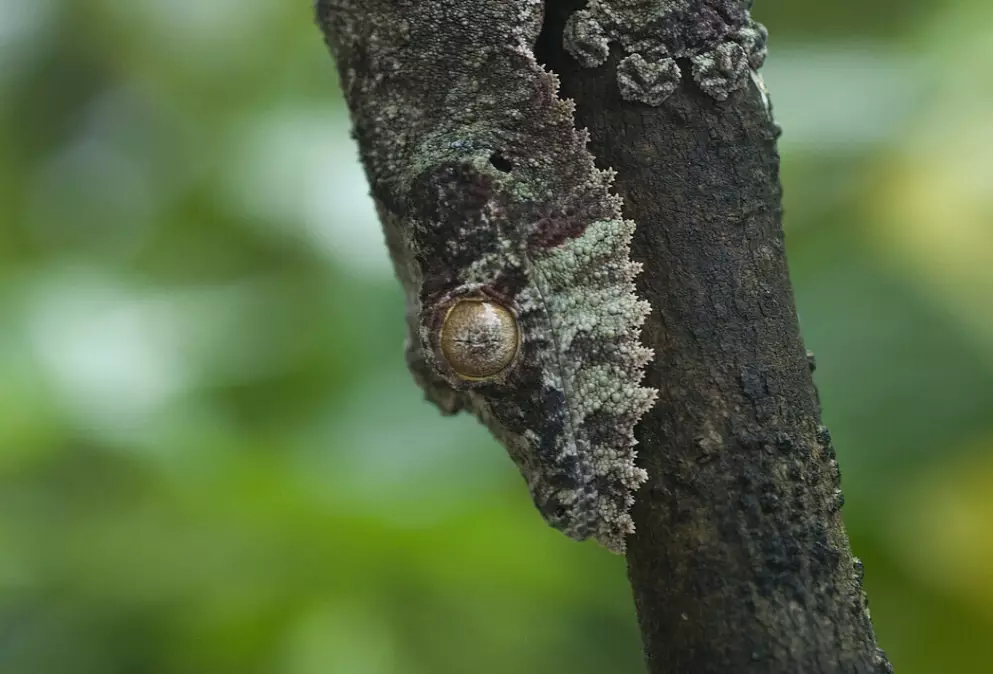
Your Questions, Answered (By an Experienced Keeper)
 Do they need UVB lighting?
Reader Comments