So you're thinking about getting a leopard gecko. Good choice. I remember my first one, a little guy I named Sandy because, well, I was twelve. Over the years, I've learned that what most guides tell you is only half the story. The other half is in the small, easy-to-miss details that make the difference between a pet that survives and one that truly thrives.
Leopard geckos (Eublepharis macularius) are fantastic beginner reptiles. They're hardy, have great personalities, and don't need a rainforest in your bedroom. But "beginner-friendly" doesn't mean "no maintenance." It means their needs are logical and consistent once you understand them. This guide will skip the fluff and give you the actionable steps, plus the insider tips most people figure out only after their first mistake.
What You'll Find in This Guide
How to Set Up the Perfect Leopard Gecko Tank
Getting the enclosure right from day one prevents a huge percentage of future problems. Think of it as building a little desert studio apartment with all the amenities.
Tank Size and Type: Bigger is Better, Seriously
The old standard of a 10-gallon tank is, frankly, outdated and cramped. It's like living in a walk-in closet. For a single adult leopard gecko, a 20-gallon long tank (30 inches long, 12 inches wide) is the absolute minimum I'd recommend. If you can start with a 40-gallon breeder (36"x18"), you'll have a much happier gecko with room to explore. Front-opening terrariums are worth the extra cost—they're easier to access and less likely to spook your pet when you reach in from above.
Heat and Light: Creating the Desert Sun
Leopard geckos need heat to digest their food. They don't bask in bright sun like bearded dragons; they are crepuscular (active at dawn/dusk).
- Heat Source: Use an under-tank heater (UTH) placed under one side of the tank, controlled by a thermostat. This is non-negotiable. The thermostat probe should be sandwiched between the UTH and the bottom glass, or placed on the substrate directly above it. Set it to 88-92°F (31-33°C). This creates a warm floor for belly heat.
- Ambient Heat/Light: A low-wattage halogen bulb or ceramic heat emitter on the warm side can help with ambient air temperature. You don't need a blazing hot lamp.
- The UVB Debate: For years, we said they didn't need UVB. Newer thinking, supported by places like Reptiles Magazine, suggests low-level UVB (like a 5.0 or 7% ShadeDweller bulb) can be beneficial for long-term health and calcium metabolism. It's not strictly necessary if you use proper supplements, but it's a good practice.
You must have a cool side too, around 75-80°F (24-27°C). This thermal gradient lets your gecko regulate its body temperature.
Substrate and Hides: The Furniture
This is where many beginners slip up.
| Substrate Type | Good For | Watch Out For |
|---|---|---|
| Paper Towel/Newspaper | Quarantine, sick geckos, babies. Super easy to clean. | Not natural looking. |
| Slate/Rock Tiles | My top recommendation. Retains heat, easy to clean, no impaction risk. | Need to be cut to fit. |
| Reptile Carpet | Looks decent, reusable. | Can snag claws, traps bacteria if not washed frequently. |
| Bioactive Mix (70% topsoil, 30% sand) | Most natural, supports live plants. | Advanced setup. Must be kept dry. |
You need at least three hides:
- Warm Hide: Placed directly over the UTH.
- Cool Hide: On the opposite side of the tank.
- Humid Hide: In the middle. Use a plastic container with a hole cut in the lid, filled with damp sphagnum moss or paper towels. This is essential for shedding.
A shallow water dish and a dish for calcium powder (without D3) round out the setup. Skip the fancy décor; they love simple, secure caves.
How to Feed Your Leopard Gecko the Right Way
Feeding seems simple, but the devil's in the supplementation details.
Staple Diet: What's on the Menu?
Leopard geckos are insectivores. Their main food should be live insects. Here’s a quick breakdown:
- Dubia Roaches/NutriGrubs (BSFL): The best staples. Nutritious, easy to keep, don't smell.
- Crickets: A classic, but they die quickly, smell, and can bite your gecko.
- Mealworms: Fine in rotation, but fatty and have a hard exoskeleton. Don't use as the only food.
- Waxworms/Hornworms: Treats only. Like gecko candy. Too many cause obesity and refusal of other foods.
Feed juveniles daily, adults every other day. Offer as many insects as they will eat in 10-15 minutes. A general rule is 2 insects per inch of the gecko's length.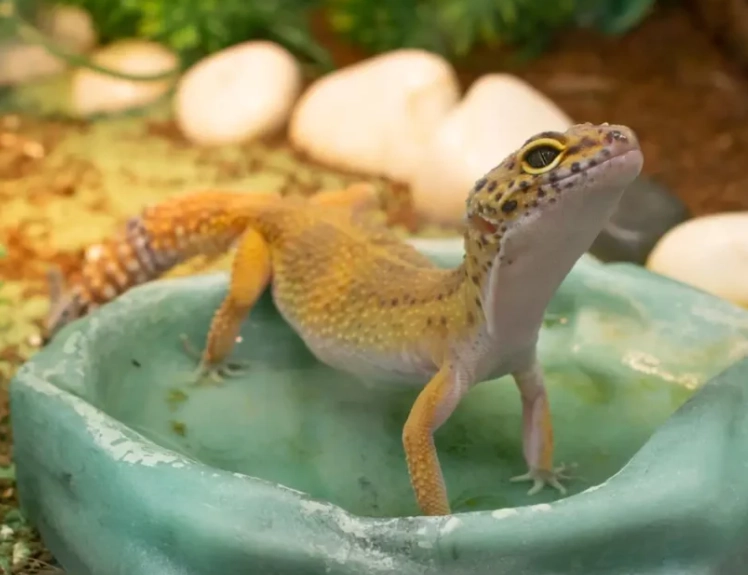
The Supplementation Secret Most Guides Get Wrong
You must "gut-load" the insects 24 hours before feeding them to your gecko. Feed the insects nutritious veggies (carrots, sweet potato, leafy greens) and commercial gut-load food. A well-fed insect is a nutritious meal.
Then, you need to dust them. This is the critical part everyone oversimplifies.
- Calcium without D3: This should be available in a small dish in the tank at all times. Your gecko will lick it as needed. I use Repashy SuperCal NoD.
- Calcium with D3: Dust the insects with this once a week. D3 helps absorb calcium, but too much is toxic.
- Multivitamin: A reptile-specific multivitamin (with vitamin A, not just beta-carotene) once a week. I dust with this on a different day than the Calcium with D3.
That three-part system prevents Metabolic Bone Disease (MBD), the most common and devastating health issue in pet reptiles.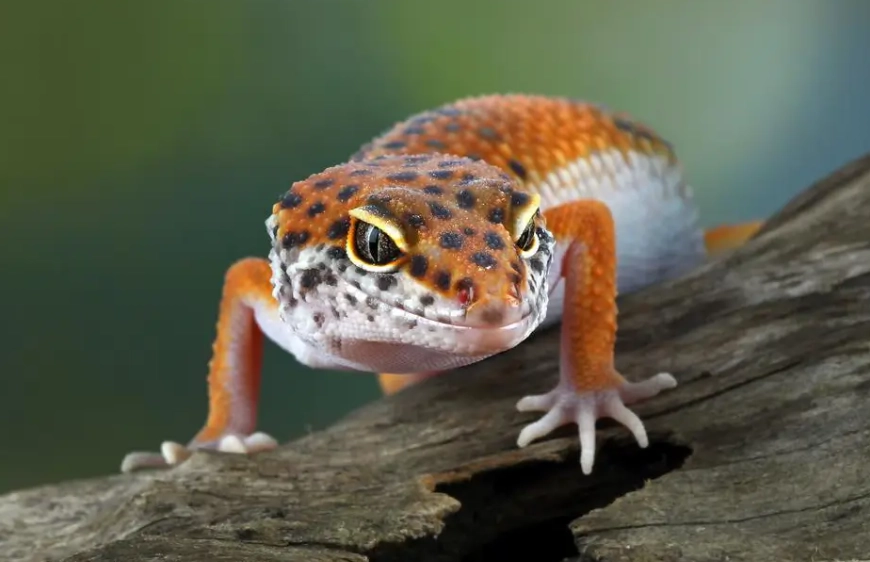
Handling, Health, and Common Problems
Give your new gecko at least a week to settle in before you try handling. Start with short, 5-minute sessions. Let them walk from hand to hand. Never grab from above—scoop from below. If they drop their tail (autotomy), don't panic. It will grow back, but it will look different. Keep the tank extra clean while it heals.
Spotting Trouble Early
Watch for these signs: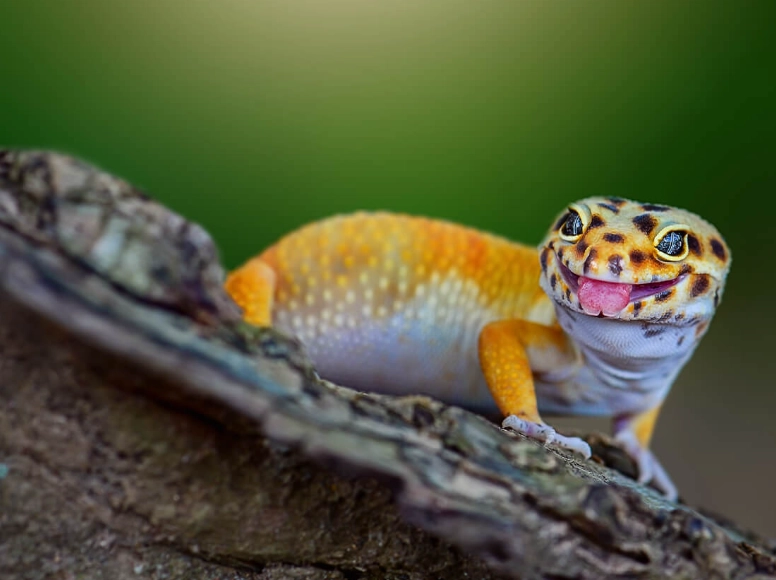
- Stuck Shed: Especially on toes and the tip of the tail. This can cut off circulation. Ensure your humid hide is damp. For stuck shed, a 10-minute soak in shallow lukewarm water and gentle rubbing with a Q-tip usually works.
- Lethargy & Loss of Appetite: Usually a temperature issue. Check your thermostat and thermometer readings. It could also be parasites, which require a vet.
- Weight Loss/Thin Tail: The tail is their fat store. A plump tail is a healthy gecko. A skinny tail means they're not eating enough or have parasites.
Find a vet who specializes in exotics or reptiles before you have an emergency. The Association of Reptilian and Amphibian Veterinarians (ARAV) has a locator on their website.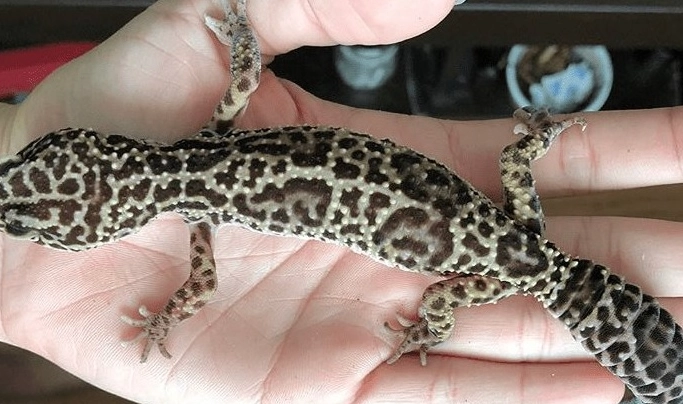
Your Questions, Answered by Experience
Do leopard geckos need a UVB light if I use supplements?
It's not a strict requirement for survival, but the consensus among advanced keepers is shifting. Think of it like a vitamin supplement for humans—you can survive without it, but it optimizes health. Low-level UVB helps them synthesize their own D3 more naturally, which can improve calcium absorption and overall vitality. If you choose not to use UVB, you must be meticulous with your calcium-with-D3 dusting schedule. I use one because I've noticed better activity levels and coloration in my geckos with it.
My gecko won't eat mealworms or dubias, only crickets. What should I do?
They can be picky, just like kids. First, stop offering crickets for a week. Offer the preferred alternative (dubia, BSFL) every evening. A healthy gecko will not starve itself. You can try "brainning" a mealworm (gently squishing the head to release scent) or holding a dubia roach with tongs and wiggling it to trigger a feeding response. Persistence is key. This pickiness is often why I recommend starting babies on a variety of feeders.
How often should I clean the tank, and what's the best method?
Spot clean feces and dead insects daily. A full breakdown and clean should happen every 4-6 weeks. Remove everything, wash the tank and décor with a 10% bleach solution (rinse EXTREMELY thoroughly and let air dry), and replace the substrate. For tile, just scrub it. This routine prevents bacterial and fungal buildup. A common mistake is only cleaning the glass and leaving waste to fester in the corners.
Can I house two leopard geckos together?
I strongly advise against it, especially for beginners. The internet is full of cute pictures, but the reality is they are solitary in the wild. Cohabitation often leads to stress, competition for food and heat, and injury. One will inevitably become dominant, and the submissive one will suffer, often losing weight or getting bitten. It's not worth the risk. Give each gecko its own properly sized enclosure.
What's the one piece of advice you wish you knew as a beginner?
Invest in a good digital thermometer/hygrometer with probes. Those cheap dial stick-on ones are notoriously inaccurate. Knowing your exact temperatures on the warm side, cool side, and inside the warm hide is the single most important piece of data for troubleshooting. Most health problems I've seen trace back to incorrect temperatures. Spend the $20 on a reliable tool—it will save you hundreds in vet bills and heartache.
Leopard gecko care is a rewarding hobby. It's less about constant attention and more about setting up a correct, stable system and then enjoying your pet's quirky behaviors. Start with the right-sized tank, nail the heat and supplementation, and you'll have a fascinating, low-maintenance companion for 15-20 years.
It's okay if it feels like a lot at first. Take it one step at a time. Get the tank set up and running for a few days before you even bring your gecko home. That way, you're both starting off on the right foot.
Reader Comments