Quick Guide
- What Exactly Is an American Green Tree Frog?
- Where Do They Live? The Natural Habitat of Hyla Cinerea
- Bringing the Swamp Home: The American Green Tree Frog Care Sheet
- Common Health Issues: What to Watch For
- Breeding American Green Tree Frogs in Captivity
- Frequently Asked Questions (FAQs)
- The Bigger Picture: Conservation and Ethics
You've probably heard it on a warm, humid night. That distinct, almost duck-like quank-quank-quank echoing from a pond or a dense patch of trees. It's one of the classic sounds of the American Southeast, and more often than not, it's the call of the American green tree frog (Hyla cinerea). These little emerald jewels are everywhere in their range, and they've also become one of the most popular pet frogs in the world. But there's a lot more to them than just a pretty face and a funny call.
I remember the first time I saw one up close. It wasn't in a swamp, but clinging perfectly still to the glass of my friend's aquarium, looking more like a piece of living art than an animal. That perfect, vibrant green. Those long, slender limbs. It sparked a curiosity that led me down a rabbit hole of care sheets, scientific papers, and conversations with breeders. What I found was that while they're often marketed as "beginner" frogs, getting it right for an American green tree frog takes a bit more nuance than some pet stores let on.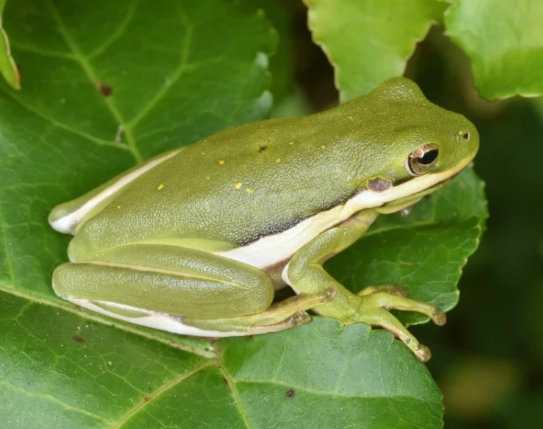
What Exactly Is an American Green Tree Frog?
Let's start with the basics, because common names can be tricky. When someone says "American green tree frog," they're almost certainly talking about Hyla cinerea. It's a species native to the southeastern United States, from coastal Virginia all the way down to Florida and over to Texas. They're part of the treefrog family (Hylidae), which means they've got those brilliant toe pads that let them climb just about anything.
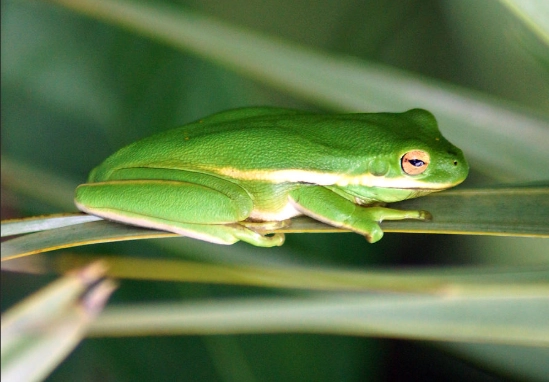
But here's where it gets interesting. They're not always green. I know, the name is a bit of a giveaway. Their base color is usually a bright, grassy green, which is perfect camouflage against leaves. But they can change their shade based on temperature, humidity, and even their activity level. A cooler, resting frog might be more of a dull olive or even a brownish color. It's a subtle shift, not like a chameleon, but it's there. A key identifying mark, one that rarely fails, is the crisp white or pale yellow stripe that runs from the edge of the jaw all the way down the side of the body. It's like they're wearing a racing stripe.
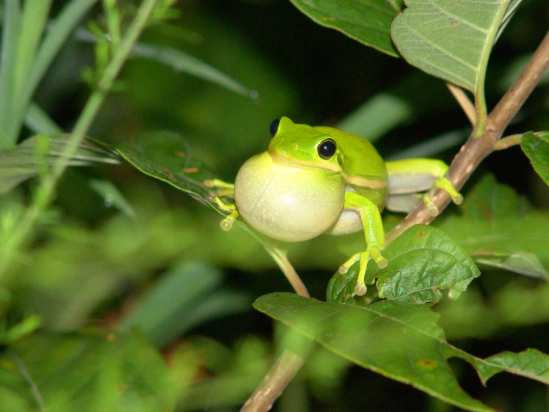
They're not huge frogs. Adults typically top out at about 2.5 inches (6 cm) from snout to vent. Females tend to be slightly larger than males. The males have that iconic loud call and a slightly wrinkled, grayish vocal sac on their throat. In the wild, their life isn't long—maybe a few years with all the predators and elements to contend with. But in a safe, well-maintained terrarium, an American green tree frog can live 6 years or even longer. I've heard of a few accounts of them pushing past the 8-year mark with exceptional care.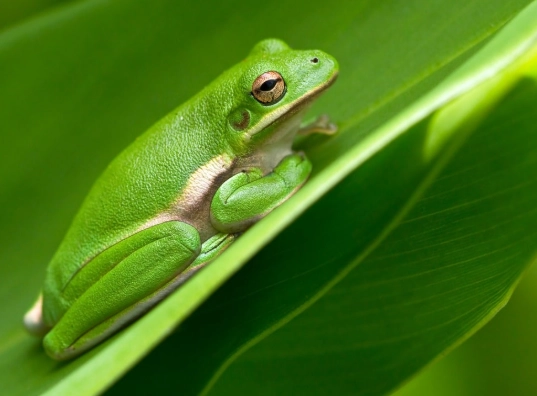
Where Do They Live? The Natural Habitat of Hyla Cinerea
If you want to keep any animal well, you need to understand where it comes from. Mimicking nature is the golden rule. So, where does the wild American green tree frog spend its time?
Forget deep, dark forests. These are frogs of the edges. They love wetlands, but specifically areas with lots of emergent vegetation—places where water meets plenty of tall grasses, cattails, shrubs, and trees. Think:
- The flooded margins of cypress swamps and marshes.
- Ponds and lakes with lots of lily pads and overhanging branches.
- Slow-moving streams and bayous.
- Even man-made ditches and canals, if there's enough plant life.
They are, as their name insists, arboreal. They spend the vast majority of their time off the ground. During the day, they'll hunker down, perfectly camouflaged, on the underside of a broad leaf, tucked into a clump of Spanish moss, or pressed against a tree trunk. They become active at dusk, hunting and calling. That call is all about reproduction. Males gather near water and sing to attract females, who will then lay small clusters of eggs on the water's surface, attached to floating plants.
The climate is consistently warm and humid. Summers are hot and muggy, and even winters in their range are mild. This is crucial for their captive care. A resource I always find myself coming back to for solid, range-based information is the Virginia Herpetological Society website. Their species account for Hyla cinerea is detailed and grounded in local observation.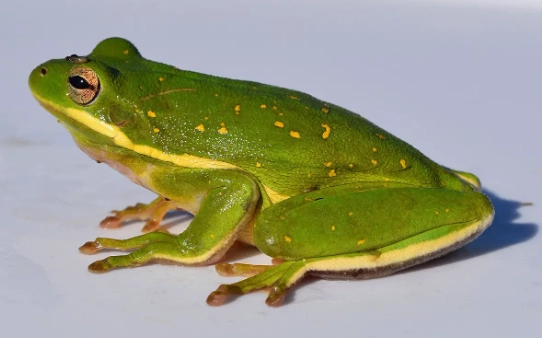
Bringing the Swamp Home: The American Green Tree Frog Care Sheet
Okay, this is the meat of it. You're thinking of getting one (or maybe you already have one and are looking to up your game). Here’s how to build a home that doesn’t just keep your frog alive, but lets it thrive.
The Enclosure: Size and Type
Biggest mistake I see? Small tanks. These frogs are active climbers and jumpers. A standard 10-gallon tank is the absolute bare minimum for a single frog, and it feels cramped. I'd argue it's not really suitable. For one or two American green tree frogs, start with a 20-gallon tall tank. More height is always better than more floor space. Screen lids are a must—they need the ventilation to prevent stagnant, moldy air, but you'll have to work harder to maintain humidity.
Glass is fine. Well-ventilated PVC or acrylic terrariums designed for arboreal animals are excellent, as they hold heat and humidity better. The goal is a vertical space stuffed with climbing opportunities.
Heat, Light, and Humidity: Getting the Numbers Right
This is the trifecta, and where most setups succeed or fail.
| Parameter | Target Range | How to Achieve It | Why It Matters |
|---|---|---|---|
| Temperature | 75°F - 85°F (24°C - 29°C) during the day. A slight drop at night to 70°F-75°F (21°C-24°C) is natural. | Use a low-wattage ceramic heat emitter or a heat pad on the side (not under) the tank, controlled by a thermostat. Never use hot rocks. | They are ectotherms. Too cold and their metabolism slows, they stop eating, become prone to illness. Too hot is fatal. |
| Humidity | 60% - 70% consistently. Spikes to 80%+ after misting are fine. | Daily misting with dechlorinated water. A shallow water dish (water level no higher than the frog's chin) helps. A partial glass lid can help, but monitor for airflow. | Prevents dangerous dehydration, aids in skin shedding, and supports respiratory health. |
| Lighting | Not for heat, but for a day/night cycle. Low-level UVB lighting (like a 5.0 or 2.0 bulb) is a hot topic. | A simple LED or fluorescent plant light on a 12-hour timer provides a cycle. Many keepers now recommend low-level UVB for potential health benefits. | Regulates their circadian rhythm. UVB may help with calcium metabolism, though it's less critical than for diurnal reptiles. |
You need digital gauges for this. Those little analog dials you get at pet stores are notoriously inaccurate. Invest in a digital thermometer/hygrometer combo. It's non-negotiable.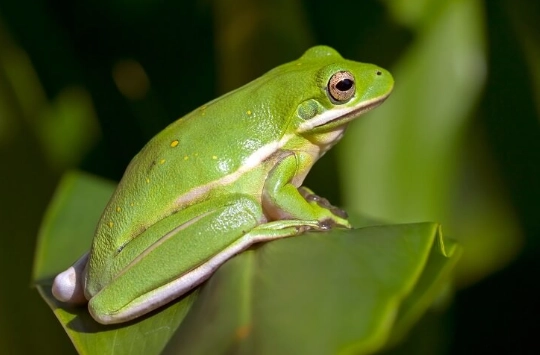
Furnishing the Perfect Frog Apartment
Substrate? Something that holds moisture but isn't soggy. Coconut fiber, sphagnum moss, or a bioactive mix are great. Avoid gravel or anything they could accidentally swallow.
Now for the fun part: the climbables. You want a veritable jungle gym.
- Branches: Various diameters, securely anchored. Ghost wood, mopani wood, and grapevine are excellent.
- Live Plants: The gold standard. Pothos, Philodendron, Snake Plants (Sansevieria), and Bromeliads are tough, humidity-loving, and provide the best hiding spots. Their roots also help a bioactive setup.
- Artificial Plants: Perfectly fine, especially good quality silk ones. They're easy to clean and provide cover.
- Background: A foam or cork tile background gives the entire back wall for climbing, which they will use extensively.
The layout should feel dense. Your goal is to make the frog feel secure and hidden at all levels of the tank.
What's on the Menu? Feeding Your American Green Tree Frog
In the wild, they're opportunistic insectivores. A flying moth, a crawling beetle, a hapless fly—it's all fair game. In captivity, variety is not just the spice of life, it's the foundation of good health.
Staple Diet: Gut-loaded crickets are the classic. Dubia roaches are superior nutritionally and don't jump or smell. Other good staples include black soldier fly larvae and silkworms.
Treats and Variety: Waxworms (very fatty, use sparingly), hornworms (great for hydration), and the occasional flightless fruit fly for younger frogs.
How often? Adults 2-3 times a week, as many appropriately-sized insects as they will eat in 15-20 minutes. The insect should be no wider than the space between the frog's eyes. This is critical to prevent impaction.
And here's the most important part of feeding: dusting with supplements. Insects raised in captivity are not nutritionally complete. You must dust them. A general rule of thumb:
- Calcium + Vitamin D3 powder: Lightly dust insects at almost every feeding.
- Multivitamin powder: Dust insects once a week.
This supplementation regimen helps prevent Metabolic Bone Disease (MBD), a common and tragic ailment in captive amphibians that leads to soft, deformed bones. The AmphibiaWeb database, a service of UC Berkeley, is an authoritative source on amphibian biology and underscores the importance of proper nutrition in captivity.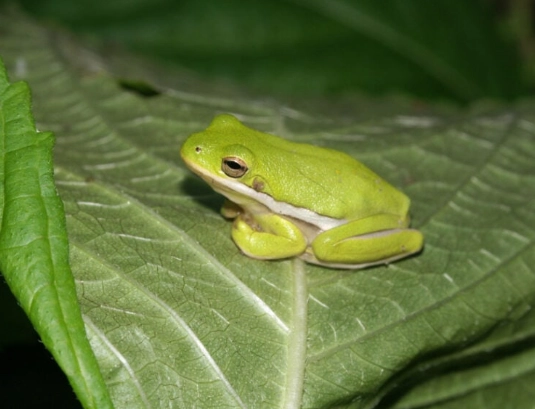
Common Health Issues: What to Watch For
Even with perfect care, things can happen. Knowing the signs is half the battle. The key with amphibians is that they often hide illness until it's advanced, so subtle changes matter.
- Red-Leg Disease: A serious bacterial infection. Symptoms include redness on the belly and legs, lethargy, and skin ulcers. Requires immediate veterinary care. Often linked to poor water quality or unsanitary conditions.
- Metabolic Bone Disease (MBD): As mentioned. Symptoms include a wobbly gait, difficulty climbing, a soft or rubbery jaw (the lower jaw may sag), and eventually visible bone deformities. Prevention through proper dusting is 100% easier than treatment.
- Dehydration: The frog looks shriveled or skinny, its eyes appear sunken, and it spends excessive time in the water dish. Check your humidity levels immediately.
- Parasites: Internal parasites can cause weight loss despite a good appetite. A fecal exam by an exotics vet is the only way to diagnose and treat this.
- Skin Issues: Difficulty shedding (retained skin), or cloudy patches on the skin could indicate a fungal issue. Quarantine and vet.
The best piece of advice I can give? Find an exotics veterinarian who sees amphibians before you have an emergency. Not all vets are comfortable with frogs. Have one lined up.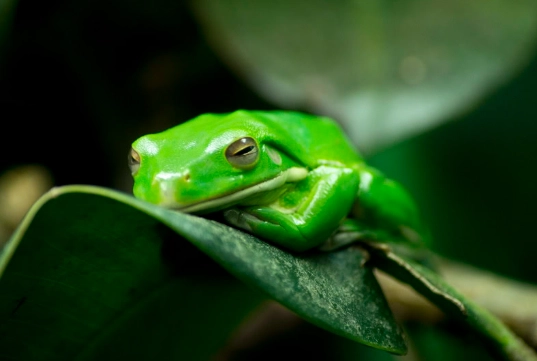
Breeding American Green Tree Frogs in Captivity
This is an advanced topic, but it's fascinating. If you have a healthy, established pair, you can attempt to simulate their breeding cycle. It's not for beginners, as you'll need separate enclosures and be prepared to raise hundreds of tiny tadpoles.
The basic trigger is a simulated "rainy season." You gradually reduce misting and feeding for a few weeks (a dry period), then introduce a dramatic increase in misting—several times a day, even simulating heavy rain with a sprayer. A significant drop in barometric pressure (hard to simulate) often helps, but the rain simulation is key. Lowering the water level and then suddenly filling it with fresh, dechlorinated water can also mimic flooding rains.
If successful, the male will call vigorously. Amplexus (the mating embrace) occurs, and the female will lay several hundred eggs in the water, attached to plants. The tadpoles are herbivorous, feeding on algae, and will metamorph into tiny froglets within a, in two weeks.
Frequently Asked Questions (FAQs)
No. They are not poisonous to humans or other pets. However, all amphibians have permeable skin and can secrete mild toxins as a defense against predators. Always wash your hands before and after handling, and never let a dog or cat mouth them. The secretions can irritate mucous membranes.
Yes, they can be kept in small groups, provided the enclosure is large enough. A 20-gallon tall is okay for two, but for three, I'd jump to a 30-gallon tall or larger. Avoid mixing species (no other frogs or animals), as this spreads disease and causes stress. And never house two males with one female in a small space—the competition can be stressful.
The short answer: as little as possible. They are pets to observe, not to cuddle. Their skin is delicate and absorbs oils, salts, and chemicals from your hands. If you must move them, wear clean, damp, powder-free gloves or gently coax them into a small container. Handling causes them significant stress.
This is a big red flag. Common reasons: 1) The temperature is too low, slowing its metabolism. 2) It's stressed (new environment, improper hides). 3) The prey is too large. 4) It has an internal parasite or infection. Check your husbandry first (heat, humidity, security). If all is correct and it refuses food for more than 10 days, see a vet.
It's trying to hydrate itself. This is a classic sign that the humidity in the rest of the enclosure is too low. Check your hygrometer and increase your misting frequency. Make sure the water is shallow enough that the frog can sit in it without being submerged.
The Bigger Picture: Conservation and Ethics
Most American green tree frogs in the pet trade are captive-bred, which is excellent. It takes pressure off wild populations. However, it's crucial to source your frog from a reputable breeder, not from a big-box pet store that may have questionable sourcing and care standards. A healthy, captive-bred frog will be less stressed and less likely to introduce parasites to your home.
In the wild, Hyla cinerea is currently listed as a species of "Least Concern" by the IUCN, meaning their populations are stable. However, they face threats from habitat loss, pollution, and climate change. Wetland drainage is a major issue. Supporting wetland conservation efforts helps not just the American green tree frog, but entire ecosystems. Organizations like the Amphibian Survival Alliance work on global amphibian conservation, and their work is vital.
Keeping an American green tree frog is a privilege, a window into a fascinating corner of the natural world that happens to fit in your living room. It's not about having a cool-looking accessory; it's about stewardship. It's about creating a tiny, thriving piece of the southeastern wetlands on your shelf, and in doing so, developing a deeper appreciation for the delicate and beautiful creatures that fill our nights with sound. If you're willing to commit to the daily misting, the careful feeding, and the quiet observation, you'll be rewarded with a truly captivating pet.
Just listen for that quank-quank-quank. It might be coming from your tank next.
Reader Comments