What's Inside This Guide?
Let's cut to the chase. You've seen the pictures. A lizard with a tail that looks like it was borrowed from a scorpion, clinging to a branch with giant, lidless eyes. It's an incredible creature. The question burning in your mind is simple: Are scorpion-tailed geckos good pets?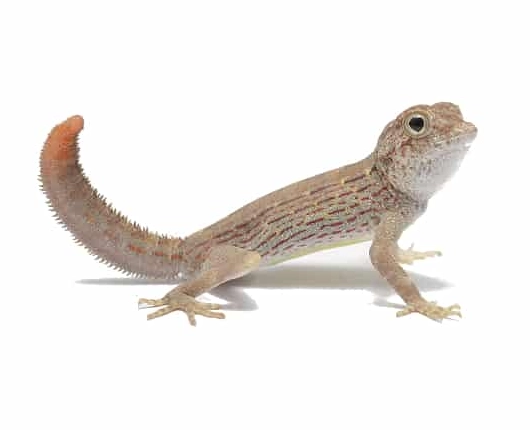
The short, honest answer is: They can be fantastic pets, but not for everyone. In fact, they are a terrible choice for a first-time reptile owner. If you're a beginner dreaming of a handleable, day-active lizard, look at a bearded dragon. But if you're an intermediate keeper fascinated by unique biology and stunning camouflage, and you're okay with a pet you observe more than you hold, then read on. This guide won't sugarcoat it. We'll dive into the specific challenges, the real costs, and the undeniable rewards of keeping Uroplatus henkeli.
What Exactly is a Scorpion-Tailed Gecko?
First, let's clear up the name. "Scorpion-tailed gecko" usually refers to one species: Uroplatus henkeli, also called Henkel's leaf-tailed gecko. They're part of the Uroplatus genus from Madagascar, famous for their insane camouflage. The "scorpion tail" is a flattened, leaf-like appendage used for disguise and balance, not for stinging.
They are nocturnal, arboreal (tree-dwelling), and can grow to a respectable 10-12 inches (25-30 cm) in total length. Those huge eyes are for gathering every speck of light in the dark Malagasy forests. In your home, they'll spend their days plastered against a cork tube, looking like a piece of bark, and become active hunters after lights out.
The Reality of Scorpion-Tailed Gecko Care
Here’s the core of the "are they good pets?" debate. It's a balance sheet of their natural behaviors against typical pet owner expectations.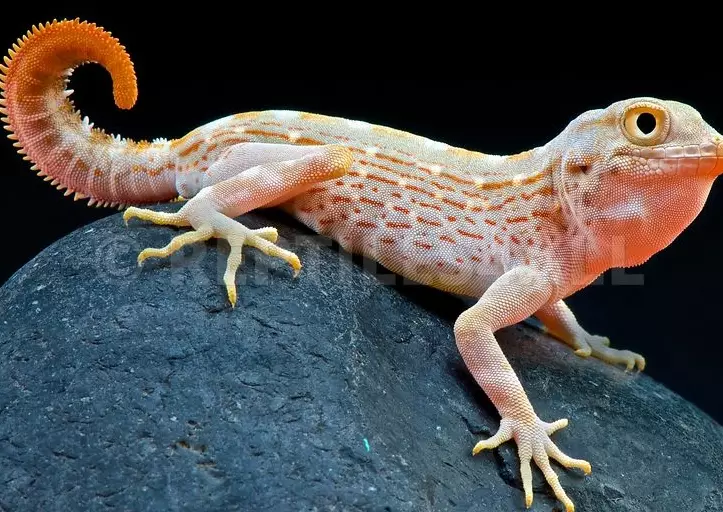
| The Good (The Pros) | The Challenging (The Cons) |
|---|---|
|
|
I've seen too many people buy one on impulse, dazzled by its looks, only to struggle with the humidity gauge or get frustrated because it "hides all the time." That's a fast track to an unhealthy gecko and a disappointed owner.
Who Should (and Shouldn't) Own One
This is the most important section. Be brutally honest with yourself.
The Ideal Scorpion-Tailed Gecko Owner:
- Has prior experience with reptiles, especially tropical or nocturnal species.
- Is a watcher, not just a holder. Finds joy in creating a ecosystem and observing natural behaviors.
- Is committed to the upfront cost ($500-$1000 for a proper setup + the gecko itself).
- Is meticulous about routine: misting, feeding, supplement dusting, and spot-cleaning.
- Understands that vet bills for an exotic pet can be significant.
Look for a Different Pet If:
- This is your first reptile.
- You want a pet to cuddle or sit on your shoulder while you game.
- You're on a tight budget.
- The idea of culturing roaches or crickets grosses you out.
- You travel frequently and lack a reliable pet sitter who knows exotics.
Think of it like this: a leopard gecko is like a reliable sedan. A scorpion-tailed gecko is a specialized sports car. It's incredible when conditions are right, but it demands more expertise and attention.
How to Set Up the Perfect Enclosure
This is where most failures happen. A 10-gallon tank with a heat lamp and a water bowl will kill this animal. Their health is directly tied to their environment.
You need a tall, front-opening terrarium. Minimum for one adult: 18" x 18" x 24" (Exo Terra Terrarium Large/X-Tall is a popular choice). Bigger is always better.
The Non-Negotiable Parameters
Temperature: They come from the cooler, high-altitude forests of Madagascar. They do not like it hot.
- Daytime Ambient: 72-78°F (22-26°C)
- Basking Spot: A very gentle 80-82°F (27-28°C) at most, provided by a low-wattage bulb or a heat mat on the side (never under).
- Nighttime Drop: Can safely drop to 65-72°F (18-22°C). No heat at night is usually fine in a heated home.
A common mistake is blasting them with 85°F+ basking spots meant for bearded dragons. This causes chronic stress and dehydration.
Humidity: This is critical. They breathe through their skin and need moisture to shed properly.
- Daytime: 60-70%
- Nighttime Spike: 80-90%. This mimics the fog and dew of their natural habitat.
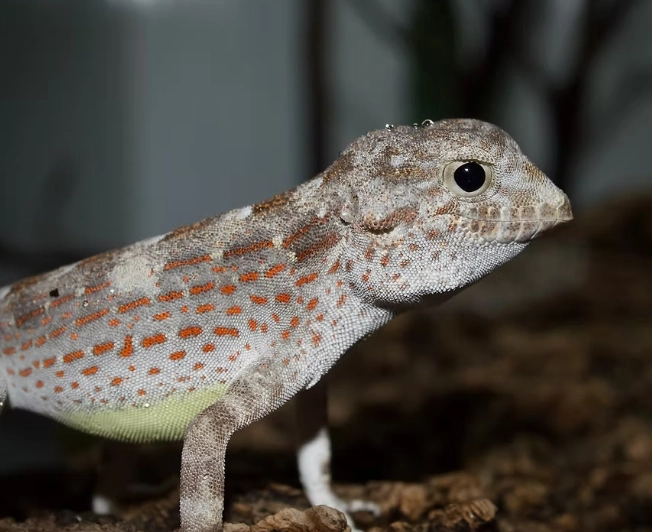
You achieve this with a combination of a deep, bioactive substrate (ABG mix is the gold standard), live plants like pothos or bromeliads, and twice-daily misting with a hand sprayer or an automatic misting system. A fogger can help but isn't a substitute for thorough misting. You must have a digital hygrometer to monitor this.
Substrate & Hardscape: Go bioactive. A drainage layer, substrate barrier, and 3-4 inches of ABG mix. Add a clean-up crew (springtails and isopods) to break down waste. This creates a living, humidity-buffering foundation. Then, add a jungle gym of cork bark tubes, branches, and vines. They need vertical and horizontal pathways. They feel secure when they can flatten their bodies against a surface.
Lighting: No UVB is strictly necessary (they are nocturnal), but many keepers use a low-output 5.0 UVB bulb for plant health and potential behavioral benefits. A standard LED plant light is essential for your live plants. Lights should be on a 12-hour on/off timer.
Quick Care Parameters Cheat Sheet
| Parameter | Requirement | Tool Needed |
|---|---|---|
| Enclosure Size | Min. 18x18x24" (Tall) | Front-opening terrarium |
| Temperature (Day) | 72-78°F (22-26°C) | Digital thermometer, low-watt heat source |
| Humidity (Night) | 80-90% spike | Digital hygrometer, misting system/sprayer |
| Substrate | Bioactive (ABG mix) | Drainage layer, barrier, clean-up crew |
| Diet | Gut-loaded insects | Calcium + D3, multivitamin supplements |
What Do Scorpion-Tailed Geckos Eat?
They are obligate insectivores. In the wild, they eat anything that crawls or flies past them at night. In captivity, variety is key to nutrition.
Staple Feeders: Dubia roaches, discoid roaches, crickets, and black soldier fly larvae are excellent. The insect should be no larger than the space between the gecko's eyes.
The Supplementation Ritual (Do Not Skip): Every insect, at every feeding, must be dusted. This is non-negotiable.
- Calcium with Vitamin D3: Used for most feedings.
- Multivitamin: Used once every 7-14 feedings (follow product guidelines).
Gut-load your feeders 24-48 hours before feeding with high-quality veggies (carrots, squash, leafy greens) and commercial gut-load food. A well-fed insect is a nutritious insect.
Feeding Schedule: Offer 3-5 appropriately sized insects every other night for adults. Juveniles may eat daily. Observe their body condition; a healthy gecko should have a slight pear shape when viewed from above, but its ribs should not be visible.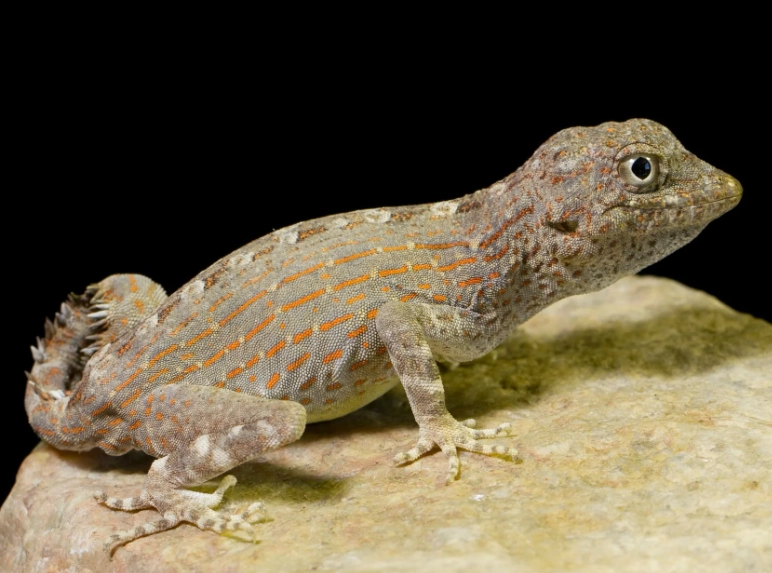
Health, Handling, and Daily Care
Handling: Keep it to an absolute minimum. If you must move them, let them walk onto your hand or a piece of cork bark. Never grab them. Their skin is delicate, and their primary defense is to drop their tail. A dropped tail will regrow, but it will never look the same—it becomes a stubby, scaly nub. The stress of the event can also make them refuse food.
Health Checks: During evening feedings, do a visual check. Clear eyes, alert posture, a full tail, and no retained shed (especially on the toes) are good signs. Weight loss, sunken eyes, lethargy during their active time, or mucus around the mouth/nose are red flags requiring a vet who specializes in reptiles.
Shedding: With correct humidity, they should shed in one complete piece, often eating it for nutrients. If you see stuck shed, especially on toes or the tail tip, increase misting frequency. A humid hide packed with damp sphagnum moss can be a lifesaver during shed cycles.
The daily routine is simple but non-negotiable: morning mist, evening mist/feed, spot-clean any obvious waste, check temperatures. Once a month, deep-clean the glass and check equipment.
Your Questions, Answered
So, are scorpion-tailed geckos good pets? For the right person—someone with experience, patience, and a passion for creating a slice of Madagascan forest in their living room—they are an utterly captivating and rewarding pet. For the unprepared, they are a source of frustration and a pet that will likely not thrive. Do your research, be honest about your commitment, and if you decide to take the plunge, you'll be hosting one of nature's most masterful illusions.
Reader Comments