Let's cut to the chase. If you're imagining a leopard gecko snuggling into your hand like a puppy, you're setting yourself up for disappointment. The short, realistic answer is no, leopard geckos do not "like" being held in the way mammals do. They don't seek out cuddles for affection. However—and this is a big however—many can learn to tolerate handling remarkably well, and some even seem curious about the interaction. The difference between a stressful ordeal and a neutral (or even positive) experience boils down to your approach, timing, and ability to read their subtle language. I've kept these incredible reptiles for over a decade, and the most common mistake I see is owners projecting human emotions onto them. Success isn't measured by their enjoyment, but by their calm acceptance.
What's Inside: Your Quick Guide
The Truth About "Enjoyment" vs. Tolerance
Reptile brains aren't wired for social bonding like ours. A leopard gecko's world revolves around security, warmth, food, and shedding. Your hand is, initially, a giant, warm, potentially dangerous predator. The goal of taming isn't to create affection but to build trust that you are not a threat. When done correctly, handling becomes a non-event for them—a bit like you sitting in a familiar chair. That's the win.
I remember my first gecko, Ember. For weeks, she'd bolt at the slightest shadow. The breakthrough wasn't when she "liked" me; it was the first time she didn't flinch when my hand entered the tank to change water. That moment of neutrality was more rewarding than any forced cuddle. This mindset shift is crucial. It prevents you from pushing too fast and eroding the very trust you're trying to build.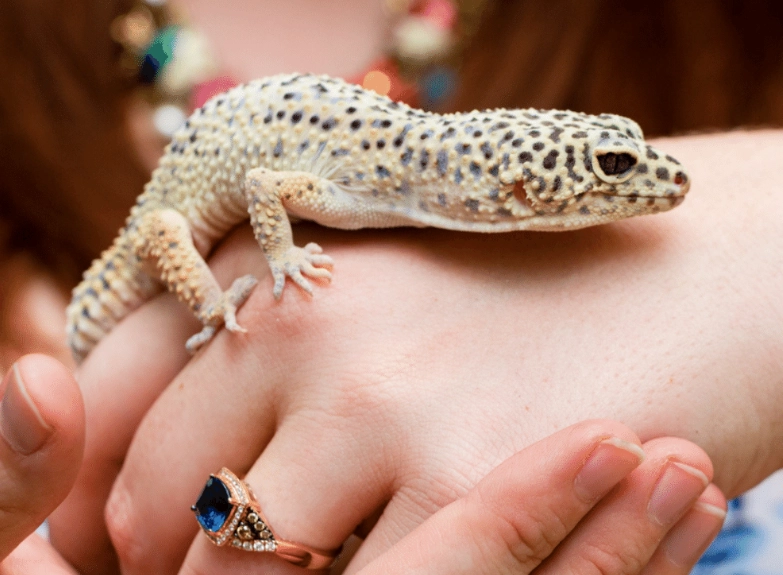
How to Read Your Gecko: Stress vs. Comfort Signs
Ignoring their body language is the fastest way to create a skittish, unhappy pet. They communicate constantly, just not with sounds.
Signs Your Gecko is Stressed or Scared (Stop Handling!)
- Tail Rattling: A rapid, vibrating shake of the tail tip. This is a major "back off" signal, often mistaken for excitement.
- Huffing or Squeaking: A quick, sharp exhale. It's a surprise/distress sound.
- Attempting to Jump/Flee: Frantic scrambling off your hand.
- Hiding Its Head: Burying its head in your hand or crevice (the "if I can't see you, you can't see me" logic).
- Refusing Food: A gecko that normally eats well but refuses after handling sessions is likely stressed.
Signs Your Gecko is Calm and Tolerant (You're Doing It Right)
- Slow, Deliberate Movements: Walking calmly across your hand, not sprinting.
- Voluntarily Approaching: Sniffing your finger or walking onto your offered hand.
- Licking: Using its tongue to investigate you. This is how they gather chemical information.
- Relaxed Body Posture: Not tensed up, belly resting lightly on your hand.
- Closing Eyes Briefly: A sign of comfort, but be careful—prolonged eye closure can also mean shutting down from stress. Context is key.
A Step-by-Step Guide to Taming Your Leopard Gecko
Throw out the idea of a 3-day taming miracle. This is a marathon, not a sprint, especially for juveniles or rescues. Here’s a phased approach I've used successfully for years.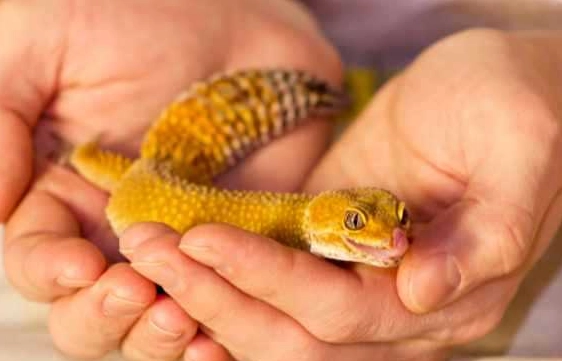
Phase 1: The Settling-In Period (Week 1-2)
Do not handle. I know it's tempting. Don't. Let them acclimate to their new home. Just be present—sit near the tank, talk softly, let them get used to your presence as a harmless part of the environment. Perform maintenance quickly and calmly.
Phase 2: Hand-in-Tank Familiarization (Week 3-4)
Place your clean, scent-free hand flat and still in the tank for 5-10 minutes daily, preferably during their evening active period. Don't try to touch them. Let them come investigate. You're just a weird, warm rock. Offer a treat (like a mealworm) from tweezers near your hand to build positive association.
Phase 3: The First Lift (Week 5+)
Once they reliably approach or ignore your hand, slide your palm gently under their belly. Lift them just an inch inside the tank for a few seconds, then lower them. Repeat over days, gradually increasing height and duration. The golden rule: Keep sessions short—5 minutes max for beginners.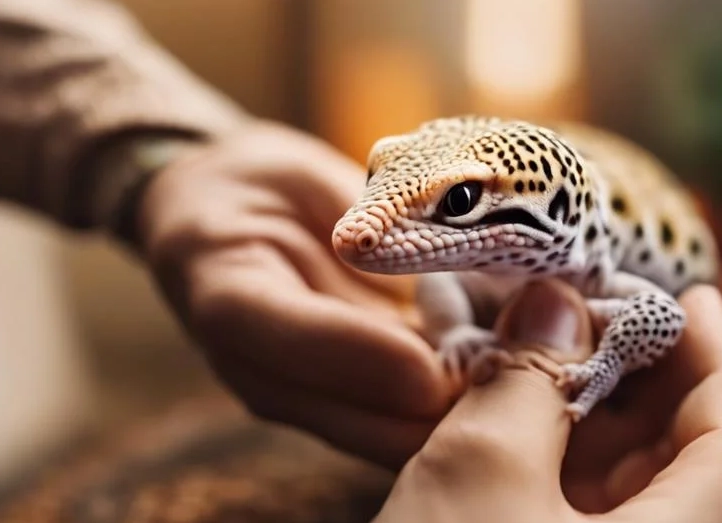
Phase 4: Supervised Exploration
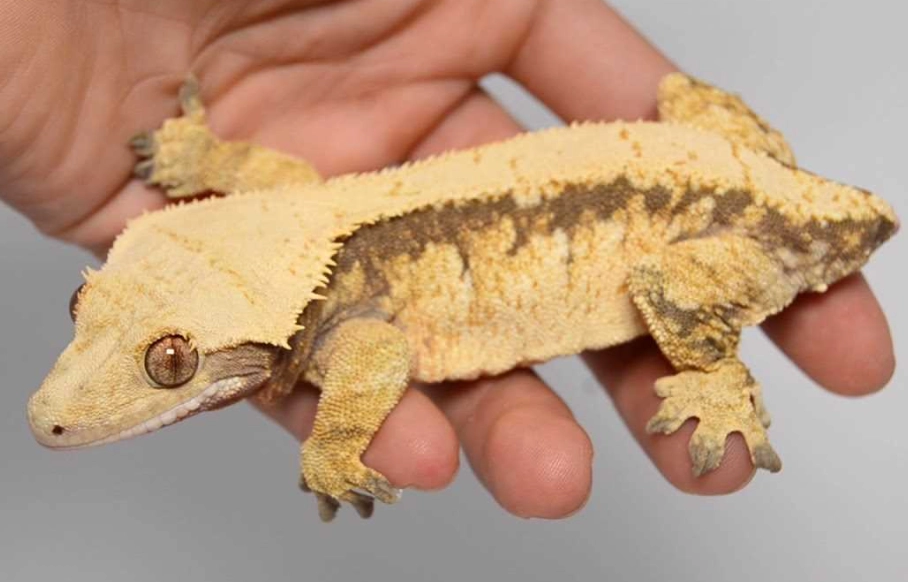
Allow them to walk from hand to hand in a secure, seated area. A bed or sofa works if you create a barrier. Always handle them close to a soft surface. Leopard geckos are not grip climbers like cresteds; they can and will slip.
Understanding the 3 Common Leopard Gecko Personalities
Not all geckos are the same. Recognizing their innate temperament helps set realistic expectations.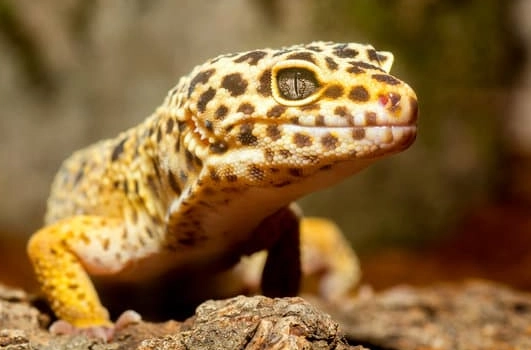
- The "Curious Explorer": Actively sniffs and walks onto hands. May even climb your arm. These are the easiest to handle but still don't "like" it—they're just bold. About 30% of my geckos fit this.
- The "Tolerant Log": The majority. They don't seek handling but will sit placidly once picked up, maybe walking a bit. They accept the interaction without obvious stress or enthusiasm. This is your most likely outcome.
- The "Nervous Nellie": Always skittish, tail-rattles easily, prefers hiding. With immense patience, they can become "Tolerant Logs," but may never enjoy it. Forcing it will make things worse. Sometimes, the kindest thing is to minimize handling and enjoy observing them.
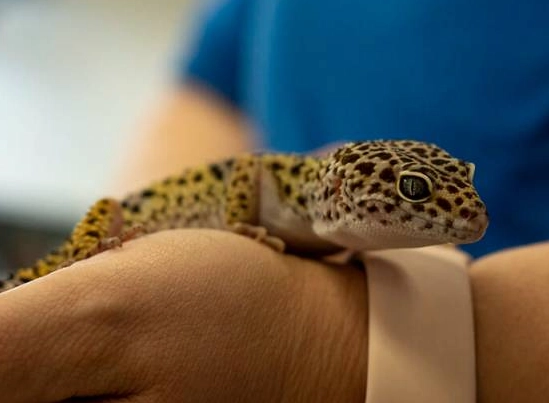
I have one like this, a Mack Snow named Ghost. After three years, he tolerates brief health checks but clearly prefers his hide. I respect that. Our relationship is based on me providing excellent care, not physical interaction.
When You Should Absolutely Not Handle Your Gecko
Timing is everything. Handling at the wrong time can destroy trust.
- During the Day: They are crepuscular/nocturnal. Waking them up is like someone shaking you awake at 3 AM. Handle in the evening.
- During Shedding: Their skin is tight, vision is impaired, and they feel vulnerable. Handling is uncomfortable and can tear the shed.
- For 48 Hours After Eating: Let them digest to avoid regurgitation.
- If They Are Showing Any Stress Signs: Pushing through their warnings is counterproductive.
- When They Are New: Revisit Phase 1. Give them time.
Your Handling Questions, Honestly Answered
My leopard gecko runs away when I try to hold it. What am I doing wrong?
You're likely moving too fast, both in your approach and in your expectations. Chasing them around the tank teaches them you're a predator. Go back to Phase 2. Let your motionless hand become a boring fixture. Success is measured in weeks, not days. Also, assess your tank—if it's barren with few hides, they feel exposed and will be flightier. A secure gecko is a braver gecko.
How often can I hold my leopard gecko?
For a well-tamed adult, 3-4 short sessions per week is a safe maximum. Daily handling is overkill and adds unnecessary stress, even for the calm ones. Think of it as an occasional activity, not a daily routine. Juveniles should be handled even less frequently, focusing more on brief, positive interactions.
Is it okay to let my leopard gecko walk around on my bed or floor?
On a bed, if you're seated and watching like a hawk, it can be okay for a calm gecko. Never on the floor. The risks are huge: they can dart under furniture, pick up fibers or chemicals, or be stepped on. They are also masters of disappearing into impossibly small spaces. The safest practice is to handle them while seated, over a soft surface, with your body forming a contained area.
Can handling help tame my gecko faster?
This is a classic misconception. Forced, frequent handling does the opposite of taming—it habituates them to stress, which is not trust. Trust is built during the calm, non-invasive moments. The 10 minutes your hand is in the tank not touching them is often more valuable for building trust than the 10 minutes you're holding them while they're tense. Quality and context of interaction trump quantity every time.
My gecko just sits there and doesn't move when I hold it. Is it scared?
Not necessarily. Freezing can be a fear response ("playing dead"), but in a well-acclimated gecko, it's often just... being a log. A scared gecko will be tense, possibly tail-rattling, and will try to bolt the second it sees an opportunity. A calm, tolerant gecko that's freezing is often just relaxed and warm. Check for other signs: is its body soft? Is it breathing slowly? Does it eventually start exploring? That's tolerance. If it's rigid, eyes wide, and hyper-alert, give it a break.
The bottom line is this: Leopard geckos can become wonderful, handleable pets, but the relationship is on their terms. Your reward isn't sloppy kisses, but the privilege of having a calm, healthy animal willingly exist in your space. It's a subtle, quiet trust that, when earned, is incredibly special. Focus on reading their cues, respecting their boundaries, and valuing their wellbeing over your desire to hold them. That's how you build a lasting bond with your spotted friend.
Reader Comments