You see a photo of a crested gecko online. Its sides are splashed with bold, creamy stripes against a dark background, and the pattern seems to creep up over its back. The caption says "Harlequin." Then you see another labeled "Flame" that looks… pretty similar. And another called "Extreme Harlequin." The terminology in the reptile morph world can feel like a secret code. So let's crack it. What actually defines a Harlequin crested gecko, and how is it different from the other patterns out there?
It's not just about looking cool (though they absolutely do). Understanding the Harlequin trait means getting into the nitty-gritty of reptile genetics, breeder lingo, and the specific visual markers that separate a true Harlequin from its lookalikes. I've spent over a decade breeding and raising these animals, and I still see mislabeled geckos all the time. The confusion often starts with a basic misunderstanding of where the pattern is supposed to be.
What You’ll Discover in This Guide
The Visual Signature of a Harlequin Crested Gecko
Forget fancy names for a second. Let's talk about paint. Imagine a crested gecko's base color—say, dark brown or olive. Now, take a brush with a lighter color (cream, yellow, white, tan) and paint thick, irregular stripes or blotches along its sides, from the jawline down the flanks to the tail base. That's the start.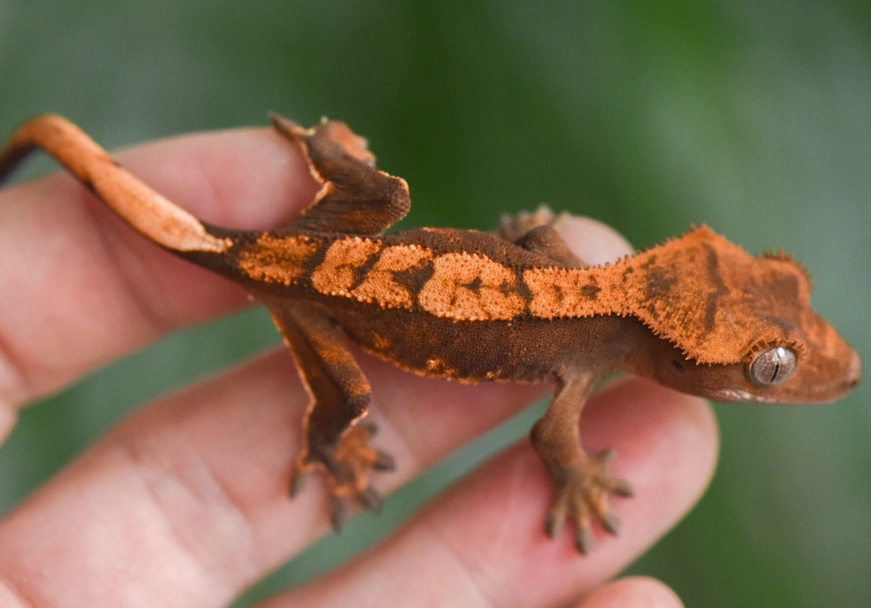
Here’s the crucial part that many beginners miss: On a true Harlequin, that side patterning doesn't stay put. It extends upward, reaching onto the gecko's back (the dorsal area). It might create a partial "saddle," connect across the spine in spots, or send bold fingers of light color over the dark background. This dorsal invasion is the single most reliable indicator.
Pro Tip: Get side-on and top-down views of any gecko labeled "Harlequin." If the light patterning is strictly confined to the flanks and doesn't significantly cross the spine, you're likely looking at a high-quality Flame, not a Harlequin. The line can be blurry, which is why terms like "Harlequin influence" exist.
Other key visual hallmarks include:
- Leg Markings: The patterning continues onto the upper legs (the "pants"), often creating distinct bands or spots.
- Head Markings: Light-colored "headlights" above the eyes and patterning on the back of the head are common.
- High Contrast: While not exclusive to Harlequins, the best examples have a stark contrast between the light pattern and the dark base color.
Now, let's clear up the biggest point of confusion: Harlequin vs. Flame.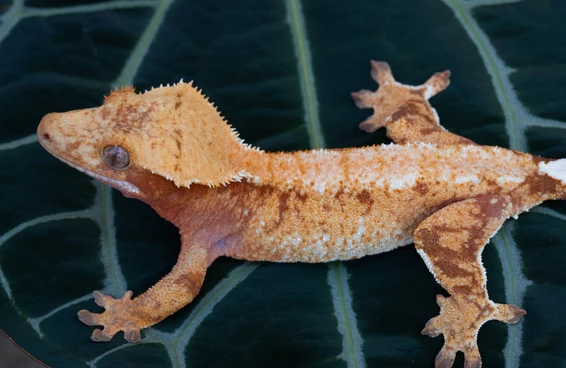
| Trait | Flame Morph | Harlequin Morph |
|---|---|---|
| Pattern Location | Primarily confined to the flanks (sides). Minimal to no patterning on the dorsal (back). | Patterning originates on the flanks and extends significantly onto the back and dorsal area. |
| Leg Markings | Usually minimal or absent on the legs. | Distinct patterning on the upper legs ("pants") is common. |
| Visual Effect | Looks like flames licking up the sides. | Looks like a mismatched, patchwork suit—hence the name "Harlequin." |
| Terminology | "Flame," "High-Contrast Flame" | "Harlequin," "Extreme Harlequin" (for very heavy patterning), "Harley" (slang) |
See the difference? It's all about real estate. A Harlequin's pattern claims more territory.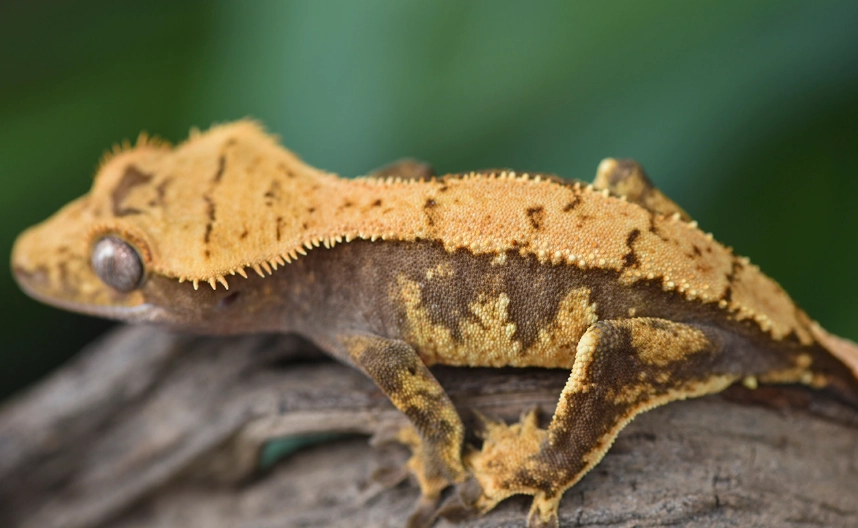
The Genetics Behind the Harlequin Pattern
This is where it gets interesting, and where a lot of online info oversimplifies. You'll often read that Harlequin is a "dominant" trait. That's not entirely accurate in the classic Mendelian sense (like brown eyes vs. blue eyes in humans).
Harlequin is what we call a polygenic trait. This means multiple genes interact to produce the pattern, its intensity, and its placement. Think of it like height in humans—many genes contribute, resulting in a spectrum of outcomes. This is why breeding two stunning Harlequins doesn't automatically produce a whole clutch of identical, extreme babies. You get a range, from low-expression Harlequins to knockouts, with some that might look more like Flames.
However, for practical breeding purposes, the trait behaves with incomplete dominance or is additive. Here’s what that looks like in practice:
- Harlequin x Harlequin: Highest probability of producing Harlequin offspring, including some with more extreme patterning than the parents (transgressive segregation).
- Harlequin x Flame/Classic: Will likely produce a mix. Some offspring may show clear Harlequin traits, others may be Flames, and some may be classic with little pattern. This shows the complex genetic interplay.
- Flame x Flame: Typically produces more Flames or classics. You won't suddenly get a true Harlequin from two pure Flame lines.
The color of the pattern (yellow, cream, white, orange) is a separate genetic trait, often influenced by genes for coloration like Lilly White, Red, or various "fired up" hues. This is how you get specific combos like a "Harlequin Pinstripe" (pattern plus dorsal spikes) or a "Flame Harlequin" (a debated term usually meaning a Harlequin with very flame-like, sharp patterning).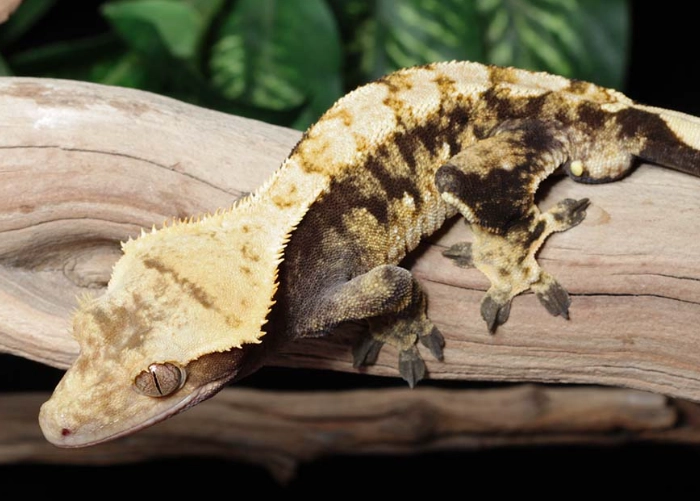
How Are Harlequin Crested Geckos Bred?
Breeding for consistent Harlequin patterns is more art than guaranteed science. It involves selective pairing over generations. A responsible breeder isn't just slapping any two patterned geckos together.
They start by analyzing the lineage. What did the parents and grandparents look like? A gecko from a long line of strong Harlequins carries those polygenic "cards" and is more likely to pass them on. I made the mistake early on of buying a beautiful Harlequin female with unknown lineage. She produced nice babies, but the patterning was all over the map. Her mate, from a known Harlequin project line, consistently threw better-patterned offspring with other females. The genes just weren't as stacked in her.
The goal is to concentrate the genes for dorsal pattern spread and high contrast. This sometimes means breeding a fantastic Harlequin back to one of its well-patterned parents (backcrossing) to solidify the trait. It's a slow process. A true breeding "project" takes years.
Here’s a reality check many care sheets don't mention: even in a clutch from two extreme Harlequins, you might get one or two babies that look underwhelming as hatchlings. Pattern can develop and intensify with age. Don't judge a baby gecko's final potential too harshly in the first few months. Their contrast often increases after their first few sheds.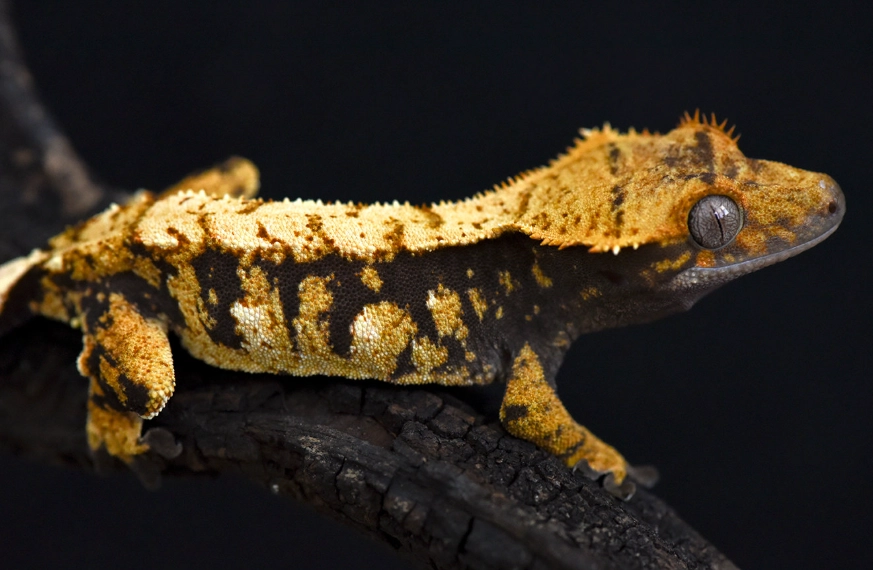
An Ethical Note on Breeding
Chasing pattern alone is a trap. Health and structure must come first. I've seen geckos with incredible Harlequin patterning but weak jawlines or slightly kinked tails because the breeder only cared about color. Always choose breeders who prioritize robust, well-formed animals and can speak knowledgeably about the lineage, not just the price tag.
Care, Cost, and Common Myths
Let's bust the biggest myth right away: Harlequin crested geckos require no special care. Their needs are 100% identical to any other crested gecko. The pattern is skin deep. They need the same temperature (72-78°F), the same humidity cycles (60-80% with a nightly spike), the same vertical space filled with climbing branches and leaves, and the same diet of a high-quality commercial crested gecko diet (like Repashy or Pangea) with occasional insect treats.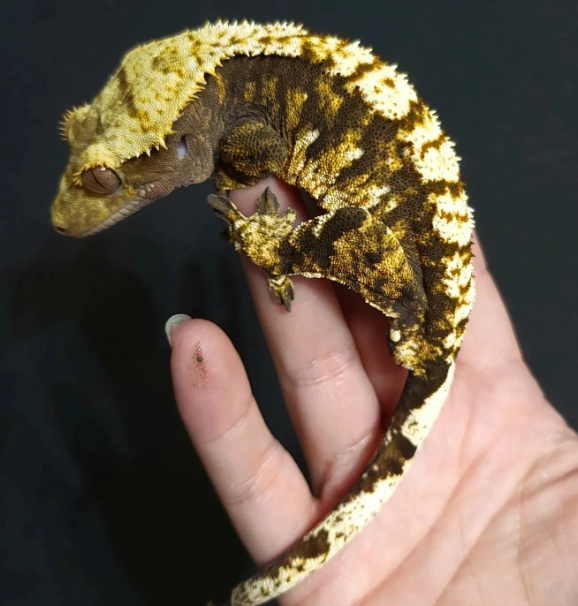
So, what are you paying for? You're paying for aesthetics and genetics. Here’s a rough breakdown:
- Classic/Wild Type: $40 - $80. Your standard, beautiful pet.
- Low-Expression Harlequin: $75 - $150. Has the defining dorsal patterning, but maybe lower contrast.
- High-Contrast Harlequin: $200 - $400. This is the showstopper with stark light/dark contrast and heavy patterning.
- Extreme Harlequin + Color Combo: $500+. Think a bright orange "halloween" Harlequin or one from a top-tier breeder's project.
The price reflects the time, selective breeding, and rarity of the look. Is it worth it? That's purely personal. A $50 classic gecko can be just as personable and wonderful a pet as a $500 one.
One subtle care note that applies to all patterned geckos, especially high-contrast ones: their beauty is best appreciated on a proper background. A dark, naturalistic enclosure with green plants will make their light patterns pop visually. A bare, bright white tank can wash them out. Set up their home to showcase them.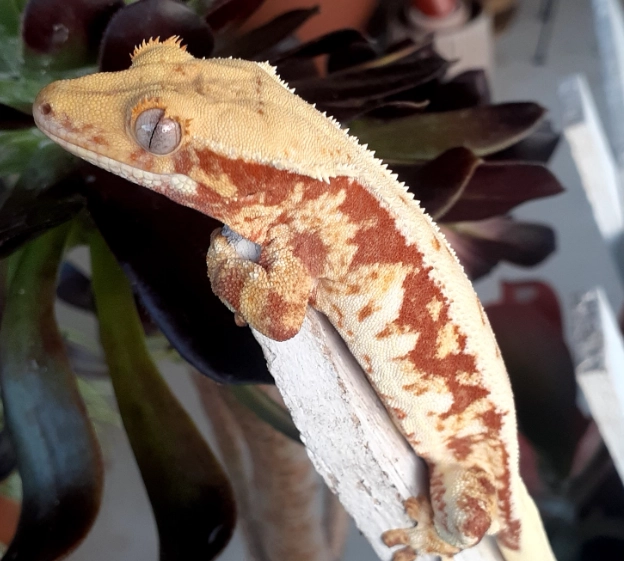
So, what makes a crested gecko a Harlequin? It's that specific, heritable tendency for its lateral patterning to boldly cross over onto its back and dorsal area, creating a patchwork, "harlequin" effect. It's a spectrum of expression governed by complex genetics, not a single gene. Understanding this lets you appreciate the work that goes into breeding them, accurately identify what you're looking at, and most importantly, choose a healthy, wonderful pet—whether it costs $50 or $500.
Look past the label. See the pattern. And you'll never confuse a Flame for a Harlequin again.
Reader Comments