Yes, you absolutely can have a jumping spider as a pet. In fact, over the last five years, they've quietly become one of the most popular "micro pets" for people who want something fascinating, interactive, and surprisingly low-maintenance. I got my first bold jumper, a female I named Pixel, about three years ago after keeping more traditional reptiles. The switch was eye-opening. Forget the creepy-crawly stereotype; these are curious, intelligent little hunters with personalities that can fill a room.
But here's the thing most care sheets gloss over: keeping a jumping spider isn't just about throwing it in a jar. It's about understanding a predator that sees the world in high-definition slow motion. It's about creating an environment where it can exhibit its natural behaviors—stalking, pouncing, building silk retreats. If you do it right, you get a front-row seat to one of nature's most precise predators. Do it wrong, and you'll have a stressed, short-lived pet.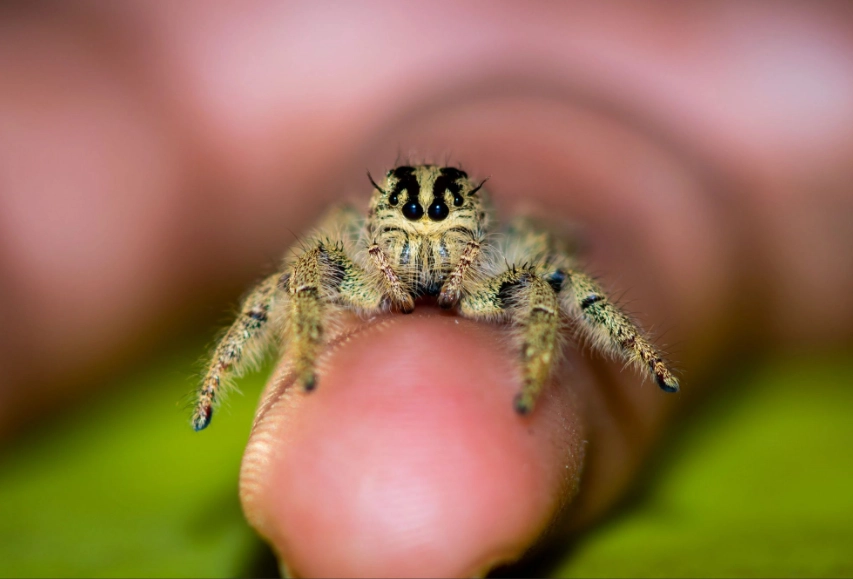
Your Quick Jumping Spider Care Map
- Why a Jumping Spider Makes a Surprisingly Great Pet
- Setting Up the Perfect Jumping Spider Habitat (Step-by-Step)
- Feeding and Nutrition: What, How Often, and Common Mistakes
- Handling and Interaction: Can You Actually Bond?
- Health, Lifespan, and Knowing When Something's Wrong
- Your Jumping Spider Questions, Answered
Why a Jumping Spider Makes a Surprisingly Great Pet
Let's cut to the chase. You're not getting a cuddly puppy. The appeal is different, and it hinges on a few key traits that set them apart from almost any other invertebrate pet.
Their intelligence is off the charts for a spider. Studies, like those referenced by the British Arachnological Society, note their exceptional problem-solving skills and visual acuity. They plan routes, remember locations, and will actively watch you move around the room. Pixel learned to associate the opening of her enclosure's door with feeding time and would come to the front.
They're diurnal. This is huge. Unlike tarantulas that hide all day, jumping spiders are active during daylight hours. You get to watch them explore, clean their faces, and sunbathe under a gentle lamp.
Minimal space and cost. A proper setup can cost under $50 initially. Their enclosure is tiny—a well-ventilated 4"x4"x6" tall container is a mansion for most species. No need for expensive heat pads or massive tanks.
The Personality Factor: This is the non-consensus bit most experts don't emphasize enough. Individual spiders have distinct "personalities." Some are bold and curious, constantly exploring. Others are more shy and methodical. You don't train them, but you learn to read their moods based on posture and movement speed. A spider with its front legs raised might be curious, while one tucked low and moving slowly might be stressed.
But it's not all perfect. The biggest downside is their lifespan. Females of common pet species like Phidippus regius (Regal Jumper) live 1-2 years. Males often live less than a year. You're committing to a beautiful, brief friendship.
Setting Up the Perfect Jumping Spider Habitat (Step-by-Step)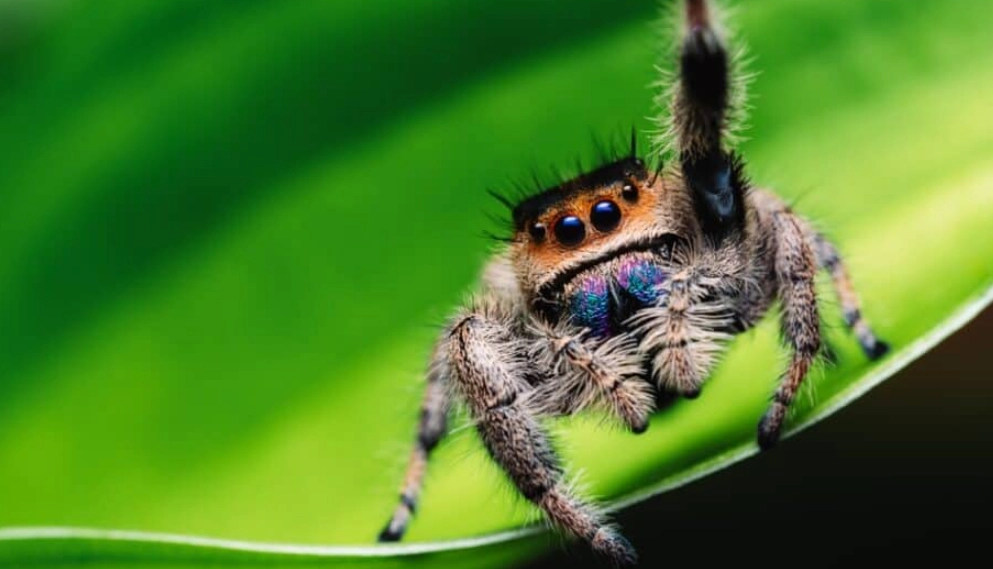
This is where most beginners make subtle, critical errors. The goal isn't just containment; it's to create a secure, enriching vertical landscape.
The Container: Think Vertical, Not Horizontal
Jumping spiders are arboreal. They climb and jump. A tall, narrow enclosure is better than a wide, short one. I prefer front-opening acrylic or glass terrariums designed for small geckos or tarantulas. Zilla Micro Habitats or Exo Terra Nano Talls are excellent. Avoid deep, smooth-sided jars. If they fall, they can't climb back up the glass and may injure themselves.
Ventilation is non-negotiable. Cross-ventilation (holes on opposite sides) is ideal to prevent stagnant, mold-prone air. Mesh tops work, but ensure the mesh is fine enough that tiny feeder insects like fruit flies can't escape.
Substrate and Decor: Building a 3D World
You need layers.
- Bottom Layer (Substrate): A 1-2 inch layer of coconut fiber, peat moss, or a bioactive soil mix. This holds a bit of moisture for humidity. Do not use potting soil with fertilizers or pesticides.
- Middle & Top Layer (Clutter): This is the fun part. You're creating anchor points for webbing and launch pads for jumps. Use twisty vines, thin branches, fake or safe live plants (like pothos cuttings), cork bark flats, and even lightweight aquarium decor. Hot glue is your friend for securing things to the sides.
A common mistake is making the space too open. They feel exposed. Create little nooks, overhangs, and leaf clusters where they can retreat and feel safe.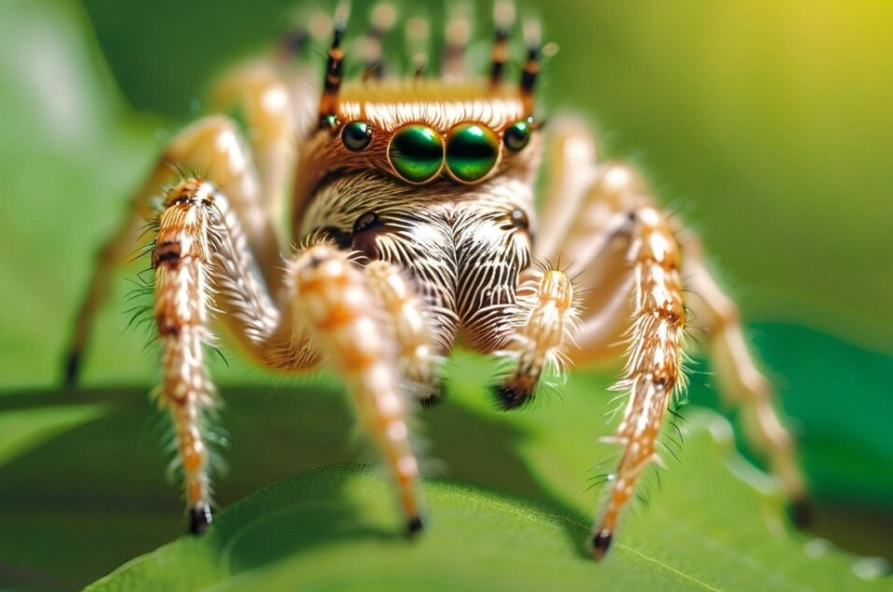
Watch Out For: Avoid anything with sharp edges. Their exoskeleton is surprisingly delicate. Also, steer clear of sticky adhesives inside the enclosure. If they get stuck on glue, it's often fatal.
Heat and Humidity: The Goldilocks Zone
Most common pet jumpers are comfortable at standard room temperature (68-78°F or 20-25°C). You rarely need a heat mat. If your room is cold, a small heat mat on the side of the enclosure (never underneath) is safer.
Humidity is more about providing a gradient. Mist one side of the enclosure lightly with a spray bottle every 2-3 days. The other side should stay dry. They'll drink from the droplets and choose their preferred spot. Over-misting leads to mold.
Feeding and Nutrition: What, How Often, and Common Mistakes
Feeding a jumping spider is a spectator sport. But it's easy to get wrong.
| Spider Size (Legspan) | Ideal Prey | Feeding Frequency | Notes |
|---|---|---|---|
| Spiderling (tiny) | Flightless Fruit Flies (Drosophila melanogaster) | Every 2-3 days | Culture these yourself; it's cheap and easy. |
| Juvenile/Medium | Green Bottle Fly Spikes, Small Crickets (1/8") | Every 4-5 days | Pinhead crickets can sometimes bite back. Crush their heads first. |
| Adult (Large, e.g., Regal Jumper) | House Flies, Blue Bottle Flies, Small Mealworms | Every 5-7 days | Mealworms are fatty; use as a treat, not a staple. |
The number one mistake is overfeeding. A fat, sluggish spider is an unhealthy spider. Their abdomen should be plump but not grossly distended. If they refuse food, don't panic. They can go weeks without eating, especially before a molt. Just remove uneaten live prey to prevent stress.
They get all their water from droplets. A daily, fine mist on decor is better than a water dish, which they can drown in. Some keepers use a moistened cotton ball tip, but I find misting simpler.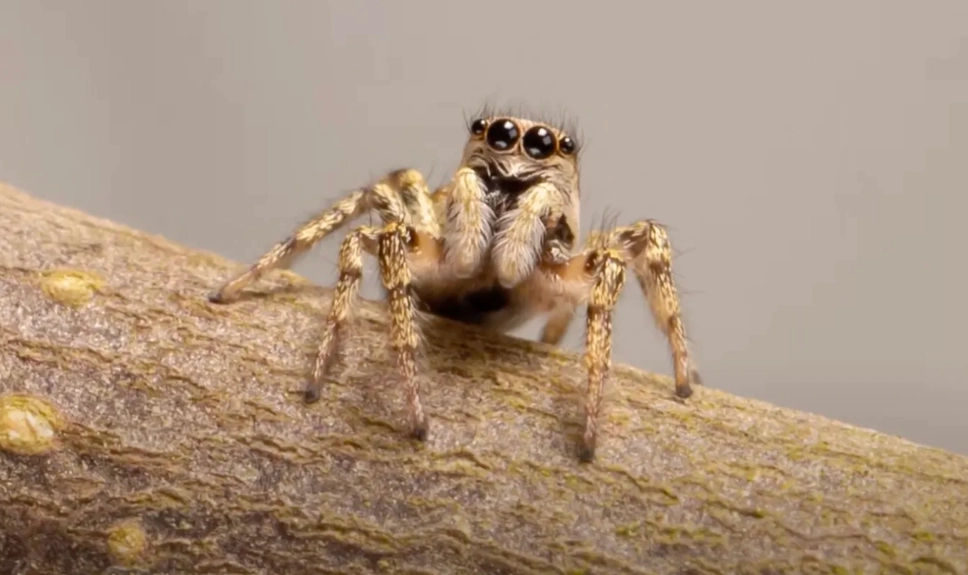
Handling and Interaction: Can You Actually Bond?
You can, but it's not "handling" in the mammalian sense. It's more like guided exploration. Their primary sense is sight, and they will watch you. I've had spiders turn to track my finger moving outside the glass.
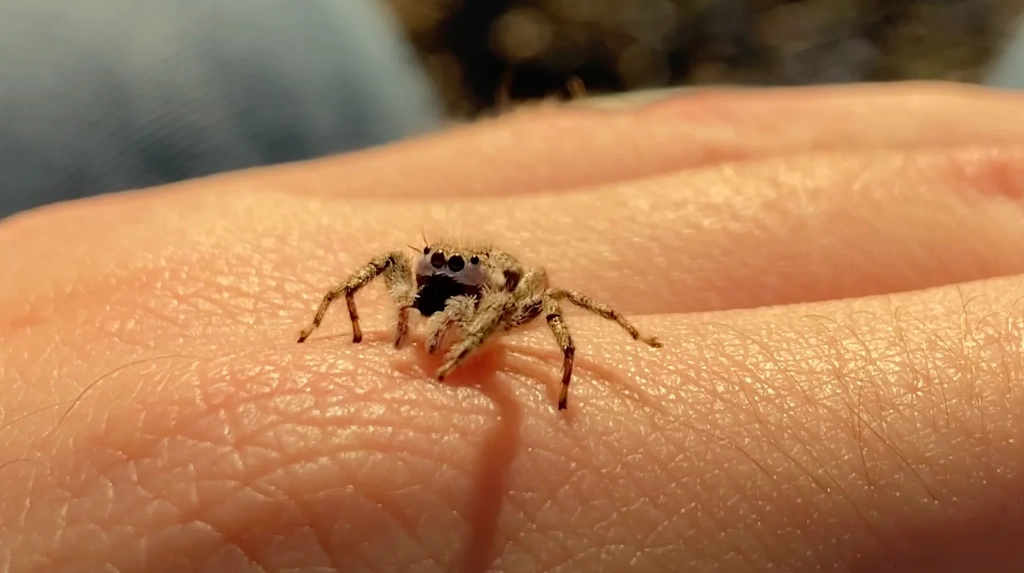
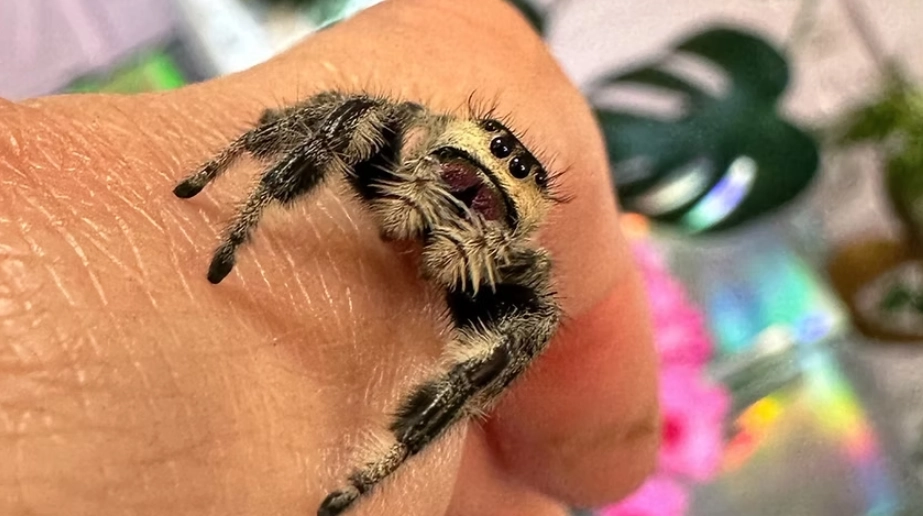
If you choose to let them out, do it in a completely secure, padded area like a empty bathtub with a towel on the bottom. Let them walk onto your hand voluntarily. Never grab them. Their bodies are fragile, and a fall from table height can be fatal.
Most of the interaction is observational. You'll see them build silken "sleeping bags" (pup tents) at night. You'll watch them stalk prey with a slow, calculated turn of their cephalothorax. That's the real reward—not holding them, but witnessing their natural behaviors up close.
Health, Lifespan, and Knowing When Something's Wrong
With proper care, they are hardy. The main health issues stem from environment.
- Dehydration: Shriveled abdomen, lethargy. A gentle misting often revives them.
- Injury from Falls: A ruptured abdomen is usually fatal. Prevent falls with proper enclosure setup.
- Failed Molt: Stuck in old skin. Often caused by low humidity. If you catch it early, raising humidity might help, but intervention is rarely successful.
- Parasitic Mites: Tiny moving dots on the spider or enclosure. Requires complete habitat breakdown and cleaning. Isolate the spider on clean paper towel.
As they near the end of their natural lifespan (often over a year for females), they become less active, may refuse food, and their colors can fade. It's a peaceful decline. It's the hardest part of keeping them.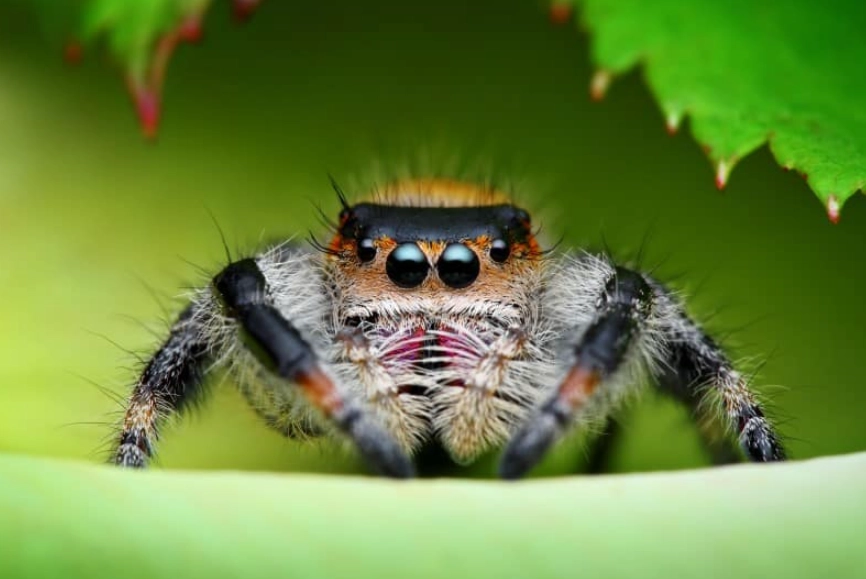
Your Jumping Spider Questions, Answered
 My jumping spider hasn't moved from its nest for days. Is it dead?
 Jumping spiders as pets offer a unique window into a miniature world of intelligence and precision. They demand respect for their fragility and their nature, not affection in the traditional sense. If you're willing to meet them on their terms—providing a safe, enriching vertical space and watching more than touching—you'll be rewarded with one of the most captivating pet experiences available. It's a quiet hobby, but one filled with daily moments of wonder. Just be prepared for how attached you might get to a creature that lives such a brief, brilliant life.
Reader Comments