If you're searching for the most rare gecko, you're probably picturing a creature so scarce it's almost mythical. The truth is, "rarity" isn't a single title one species holds forever. It's a complex mix of tiny population numbers, shrinking habitats, and the sheer difficulty of finding them. In the first 100 words, let's cut to the chase: the top contenders for the world's rarest gecko include the New Caledonian Giant Gecko (Rhacodactylus leachianus subspecies), the St. Lucia Pygmy Gecko, and several others hovering on the very edge of extinction. But understanding why they're rare—and what's being done to save them—is where the real story lies.
In This Article
How Do We Define ‘Rare’ in Geckos?
Most people think rarity is just about how many are left. That's part of it, but herpetologists look at a bigger picture. A truly rare gecko usually hits several of these marks:
Critically Low Population: We're talking about species with estimated adult numbers in the hundreds, or even fewer. Some might have populations under 50 mature individuals in the wild.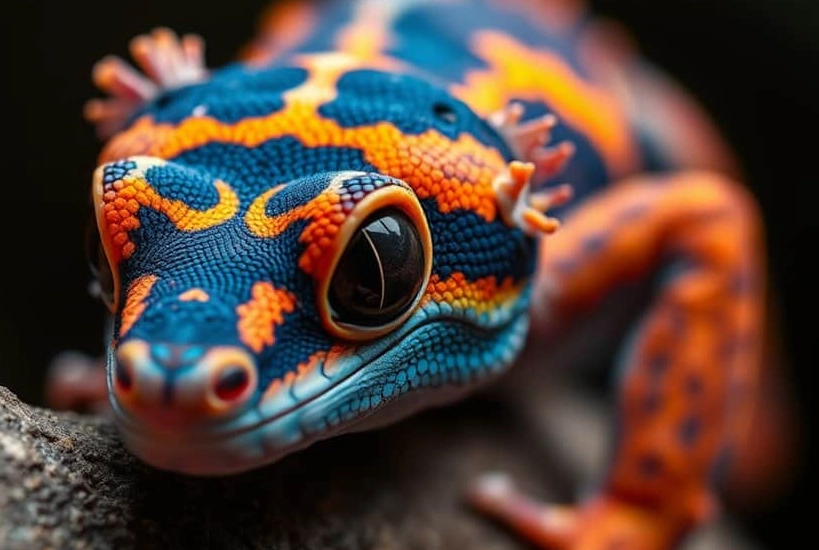
Extremely Limited Range: These geckos often live on a single, tiny island, one specific mountain ridge, or a solitary forest fragment. Their entire world might be less than 10 square kilometers. A great example is the Union Island Gecko (Gonatodes daudini), found only on one 3-square-mile island in St. Vincent and the Grenadines.
Rapid Decline: Even if the current number seems somewhat stable, a history of catastrophic loss—like 80% of the population gone in 10 years—flags a species as critically endangered and incredibly rare.
Data Deficiency: Sometimes, the rarest are the ones we know almost nothing about. A gecko might have been seen a handful of times since its discovery and not seen again for decades. Is it extinct, or just impossibly good at hiding? The uncertainty itself is a marker of extreme rarity.
The Top Contenders for the World’s Rarest Gecko
Based on the criteria above, here are the geckos consistently mentioned in scientific circles as being among the most endangered and elusive on Earth. This isn't just a list; it's a snapshot of biodiversity hanging by a thread.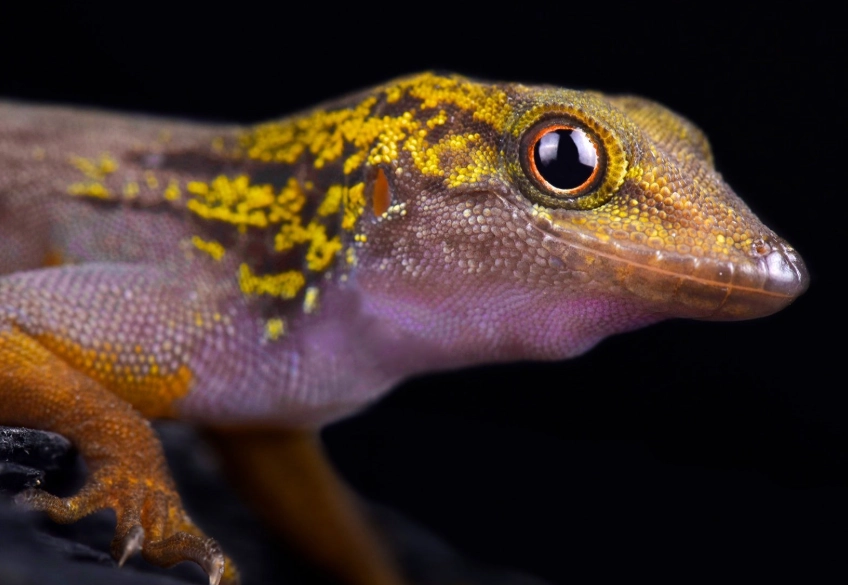
| Gecko Species (Common Name) | Scientific Name | Where It's Found | Estimated Wild Population | Primary Threat | IUCN Status |
|---|---|---|---|---|---|
| New Caledonian Giant Gecko (Leach's Giant Gecko, specific subspecies) | Rhacodactylus leachianus (subspecies henkeli or others) | Small islets off New Caledonia (e.g., Brosse, Duu) | Likely fewer than 200-500 total individuals per subspecies | Habitat degradation, invasive species, limited range | Endangered to Critically Endangered |
| St. Lucia Pygmy Gecko | Sphaerodactylus microlepis | Maria Major island, St. Lucia | Possibly under 100 mature individuals | Extreme micro-endemism (single tiny island), habitat quality | Critically Endangered |
| Union Island Gecko | Gonatodes daudini | Union Island, St. Vincent and the Grenadines | Fewer than 10,000 (concentrated in a tiny area) | Severe illegal collection for the pet trade | Critically Endangered |
| Mount Augustus Spiny-tailed Gecko | Strophurus spinigerus (Augustus population) | Mount Augustus, Western Australia | Unknown, but range is less than 1 sq km | Wildfires, climate change, extreme habitat specificity | |
| Jamaican Iguana (Rock Iguana) - not a gecko, but a classic case study in rarity | Cyclura collei | Hellshire Hills, Jamaica | ~200-300 adults after rediscovery | Predation by invasive mongooses, habitat loss |
Looking at that table, the New Caledonian Giant Gecko subspecies stand out. I've been fortunate to speak with researchers who work there. The populations on the tiny offshore islets are genetically distinct and incredibly vulnerable. A single rat introduction or a severe storm could wipe out an entire lineage. That's the level of fragility we're discussing.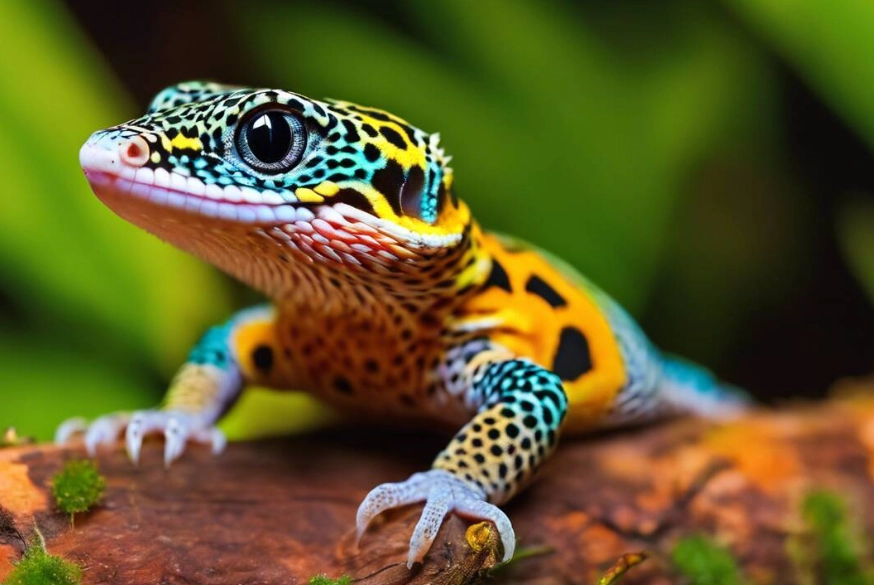
The St. Lucia Pygmy Gecko is another ghost. Its entire existence is tied to the 12-hectare Maria Major island. You can walk across its whole world in an afternoon. Any change—a landslide, a plant disease—could be catastrophic.
The Illicit Trade Problem: A Case Study
The Union Island Gecko tells a modern horror story. This stunning, coin-sized gecko was relatively secure until high-resolution photos hit the internet. Within years, organized criminal groups were reportedly smuggling them out for the black-market pet trade, where a single animal could sell for thousands. Its population plummeted. This isn't old-school habitat loss; it's a digital-age threat where online forums and social media directly drive a species toward extinction. The International Union for Conservation of Nature (IUCN) has detailed reports on this crisis.
Why Are These Geckos So Rare? The Main Threats
It's rarely one thing. It's a perfect storm of problems that stack up against a species with a small range.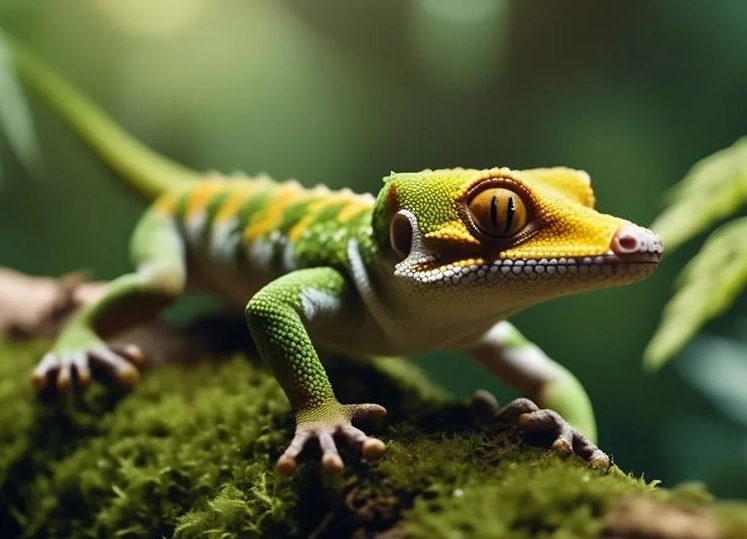
Habitat Loss and Fragmentation: This is the big one. Logging, agriculture, and urban development turn continuous forest into isolated patches. A gecko that can't cross open ground is trapped in a shrinking prison. In New Caledonia, nickel mining has been a major driver.
Invasive Species: Rats, cats, and even invasive ants are apocalyptic for island geckos. They eat adults, eggs, and compete for food. Native species have no evolved defenses against them.
Climate Change: For a gecko on a single mountain top, a slight shift in temperature or rainfall can make its entire habitat uninhabitable. There's literally nowhere up to go.
The Illegal Pet Trade: As the Union Island case shows, rarity begets demand. Some collectors prize owning something almost no one else has, creating a vicious cycle that pushes species closer to the brink.
A subtle point many miss: natural history ignorance. We can't protect what we don't understand. For some of these rarest geckos, we lack basic data on their breeding cycles, diet, or micro-habitat needs. Conservation efforts sometimes have to guess, which wastes precious time and resources.
Saving the Rarest: Conservation Status and Efforts
Listing a species as Critically Endangered on the IUCN Red List is a crucial first step. It sounds the alarm. But what happens next?
Protected Areas and Island Biosecurity: For island species, creating strict nature reserves and implementing biosecurity to keep invasive species out is fundamental. The success with the Jersey Giant Gecko proves this works.
Captive Breeding and Assurance Colonies: Organizations like the Association of Zoos and Aquariums (AZA) run Species Survival Plans (SSPs). For some geckos, a healthy captive population is an insurance policy against extinction in the wild. The key is that these programs must be scientifically managed, not just for the pet market.
Legislation and Enforcement: Laws like the U.S. Endangered Species Act and the CITES (Convention on International Trade in Endangered Species) treaty make it illegal to trade these animals. Enforcement, especially against online trafficking, is the ongoing challenge.
Community Involvement: The most successful programs involve local communities. If people living near the last population of a rare gecko see value in its survival—through eco-tourism or as part of their natural heritage—they become its best guardians.
I'm cautiously optimistic. The tools exist. The science is there. It often boils down to political will, funding, and international cooperation.
Your Questions on Rare Geckos Answered
Can I keep a rare gecko as a pet?
For the species listed as Critically Endangered and discussed here, the answer is almost certainly no, and it should be no. Legally, international trade is banned under CITES. Ethically, removing even one animal from a wild population of under 100 is detrimental. The desire to own the rarest often fuels the illegal trade that is causing their extinction. If you love geckos, support conservation breeding programs for threatened species or choose abundant, captive-bred species like Leopard Geckos or Crested Geckos (which were once rarer but are now thriving due to responsible captive breeding).
How do scientists find and count such elusive geckos?
It's painstaking work. Teams spend weeks in the field, often in rugged terrain. They use systematic searches of potential micro-habitats—under specific bark, in rock crevices, on certain plants at night. For nocturnal species, headlamps are essential as their eyes reflect light. They might use pitfall traps or cover boards. Counting is usually done via mark-recapture studies or detailed transect surveys. For the rarest, a single sighting is a major event documented with photos and GPS coordinates.
What's the difference between 'rare' and 'endangered'?
In common use, they're mixed, but technically: Rare describes a species with a small total population or limited geographic range, regardless of immediate threat. Endangered is a formal conservation status (like IUCN's "Endangered" or "Critically Endangered") that means a species faces a very high risk of extinction in the wild. All the geckos in our table are both rare and officially endangered. A species could be rare but stable (not endangered), or formerly common but now endangered due to a sudden threat.
Are there any rare geckos that have gone extinct recently?
Thankfully, confirmed modern extinctions of geckos are few, partly because they are so good at hiding. However, many are labeled "Possibly Extinct" or have not been seen in decades. The Delcourt's Giant Gecko (Hoplodactylus delcourti) of New Zealand is a famous and tragic case. Only one specimen, over 50 cm long, was ever found (in a museum basement in France!). It's presumed extinct, a ghost known from a single skin. It serves as a haunting reminder of what we can lose without ever knowing it existed.
As an individual, how can I help protect the world's rarest geckos?
You can make a real difference. First, educate yourself and others. Share articles like this. Second, support reputable conservation NGOs working on the ground, like the IUCN or species-specific groups. Third, be a responsible pet owner. Never buy a wild-caught reptile of uncertain origin. Ask for and choose only captive-bred animals. Finally, advocate. Support strong environmental laws and funding for biodiversity protection. The fate of these tiny, rare creatures is tied to the health of our entire planet.
Reader Comments