Let's clear something up right away. "Chameleon gecko size" is one of those search terms that can mean a few things. Sometimes people are looking for info on a specific animal (there's no single species officially called that), sometimes they want to compare the two, and often they just want to know how big their pet will get. I've seen countless new reptile owners get this wrong, buying a cage that's too small within a year. We're going to cover all of it—actual sizes, how to measure, the factors everyone misses, and why getting the size right is the difference between a thriving pet and a stressed one.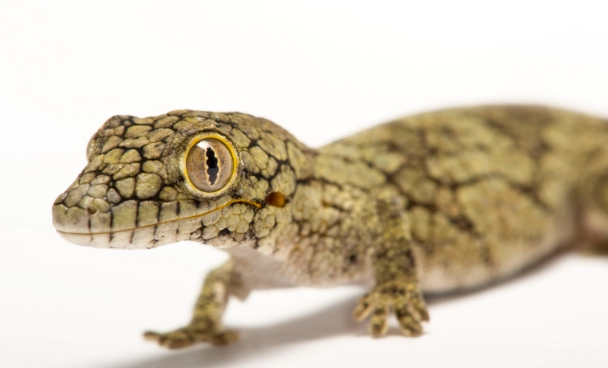
What's Inside This Guide
Defining the Size Range: From Thumbnail to Forearm
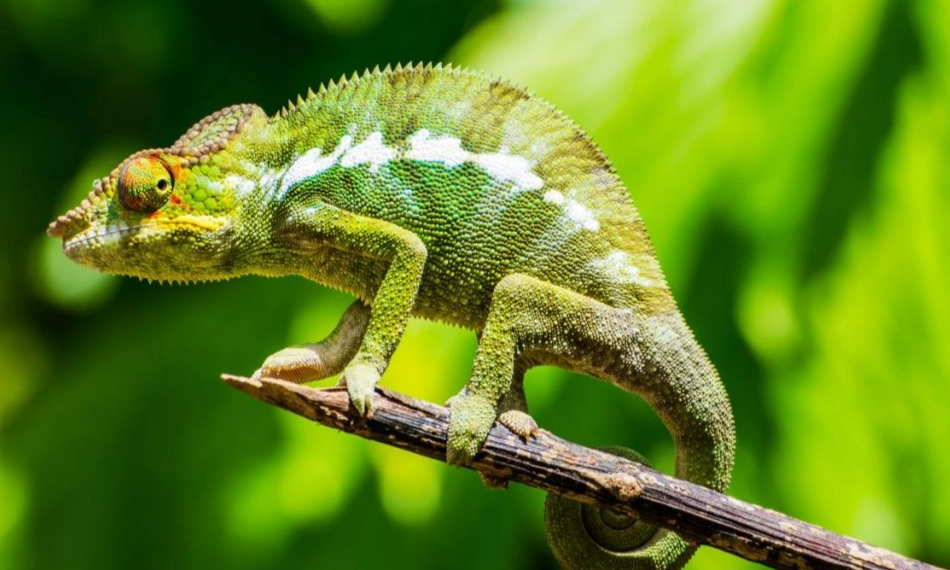
The diversity is staggering. You have geckos like the Virgin Islands dwarf gecko that could comfortably sit on a dime, and at the other extreme, the Parson's chameleon which is about as long as your forearm. Throwing around "small" or "large" is useless without context. A "large" gecko is a "small" chameleon. Let's get specific.
For chameleons, length is typically measured from snout to vent (SVL), excluding the tail, as their tails are prehensile and not a reliable indicator of body mass. Then you add the tail length separately. Weight is a crucial but often overlooked metric, especially for species like the Veiled Chameleon, where males can be twice as heavy as females of the same length.
| Common Chameleon Species | Snout-to-Vent Length (SVL) | Total Length (with tail) | Average Adult Weight | Key Size Note |
|---|---|---|---|---|
| Veiled Chameleon (Male) | 10-14 inches (25-35 cm) | 17-24 inches (43-61 cm) | 100-200 grams | Males have prominent casques (helmets) adding height. |
| Panther Chameleon | 8-12 inches (20-30 cm) | 14-20 inches (36-51 cm) | 90-180 grams | Males are larger and more colorful than females. |
| Jackson's Chameleon | 6-10 inches (15-25 cm) | 10-14 inches (25-36 cm) | 50-120 grams | Known for three horns on males; more compact build. |
| Parson's Chameleon | 12-16 inches (30-40 cm) | 22-27 inches (56-69 cm) | 400-700 grams | The true giant; requires expert-level care. |
See the difference? A Panther chameleon might be longer than a Jackson's, but a robust male Jackson's could weigh more than a slender female Panther. This is why online care sheets that only list length can be misleading.
Gecko Size Deep Dive: It's Not Just Length
When people search "gecko size," they're usually thinking of the popular pet species like the Leopard Gecko or Crested Gecko. Here, tail condition massively affects perceived size. A fat, regenerated tail on a Leopard Gecko can make it look 30% heavier than its actual body condition.
Leopard Geckos are the classic example. Hatchlings start at about 3 inches and 2-3 grams. A healthy adult male typically reaches 8-10 inches (20-25 cm) total length and 60-90 grams. Females are often slightly smaller, 7-9 inches and 50-70 grams. But I've seen overfed, sedentary males push 120 grams—that's not healthy size, that's obesity.
Crested Geckos are measured by weight, not length, for health assessment. A hatchling is 1.5-2 grams. A mature adult should sit between 35-55 grams. Anything over 60 grams for a typical adult is usually overweight, and over 70 grams is a serious health concern. Their length is variable due to posture and tail loss.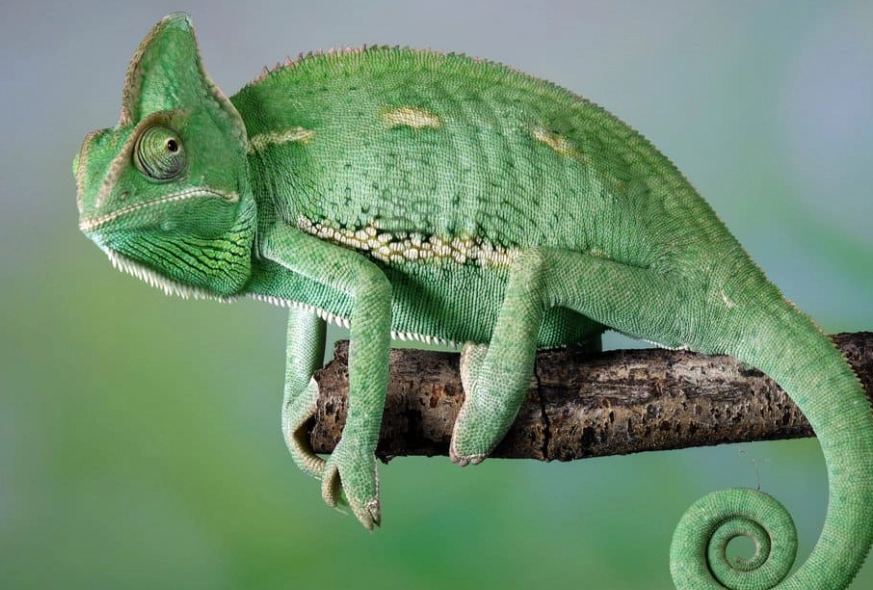
Why Tank Dimensions Lie to You
This is my pet peeve. A "20-gallon long" tank is 30 inches long. Sounds great for an 8-inch gecko, right? Wrong. The usable floor space is what matters for terrestrial geckos. After accounting for a warm hide, a cool hide, a moist hide, and a water dish, the actual roaming area shrinks dramatically. For a full-grown Leopard Gecko, the minimum floor dimensions should be 36" x 18" (like a 40-gallon breeder), not based on the tank's volume label. The Reptile Rampage community and advanced keepers have been pushing this for years, but many beginner guides still quote outdated tank sizes.
What Really Influences Final Size? (Beyond Genetics)
Genetics set the potential, but husbandry determines what you get. You can have two siblings from the same clutch end up 20% different in size based on how they're raised.
Diet Quality, Not Just Quantity: It's not about how much you feed, but what you feed. A gecko fed a variety of gut-loaded, calcium-dusted crickets and dubia roaches will develop a better bone structure and reach a healthier adult size than one fed only mealworms, even if the mealworm gecko eats more by volume. For chameleons, consistent access to properly supplemented, varied feeders is non-negotiable.
Thermal Gradient & Metabolism: Reptiles are ectotherms. If the warm side of the enclosure isn't at the correct species-specific temperature, they cannot digest food efficiently. Chronic under-digestion means they aren't absorbing all the nutrients needed for growth, leading to stunting. A common scenario: a keeper sees their chameleon eating well but not growing. The first place to check is basking spot temperature with a reliable infrared thermometer.
Early Life Care: The first six months are critical. Animals that experience stress, inconsistent feeding, or improper humidity during this period may never catch up to their genetic potential, even with perfect care later. This is often the hidden reason behind "runts."
A Case of Mistaken Size: Alex's "Stunted" Gecko
Alex bought a young Leopard Gecko and housed it in a 10-gallon tank. After a year, it was only 7 inches long and 45 grams—smaller than expected. Alex thought it was genetics. When they upgraded to a 40-gallon breeder with a proper temperature gradient, something changed. Within 8 months, with the same diet, the gecko became more active, started using the entire space, and grew to a robust 9 inches and 75 grams. The constraint wasn't food or genes; it was living space and thermal behavior. The small tank limited movement and made maintaining a proper heat gradient nearly impossible.
How to Measure Your Pet Correctly (Most People Mess This Up)
You can't manage what you can't measure. Guessing leads to wrong feeder sizes, wrong tank upgrades, and missed health issues.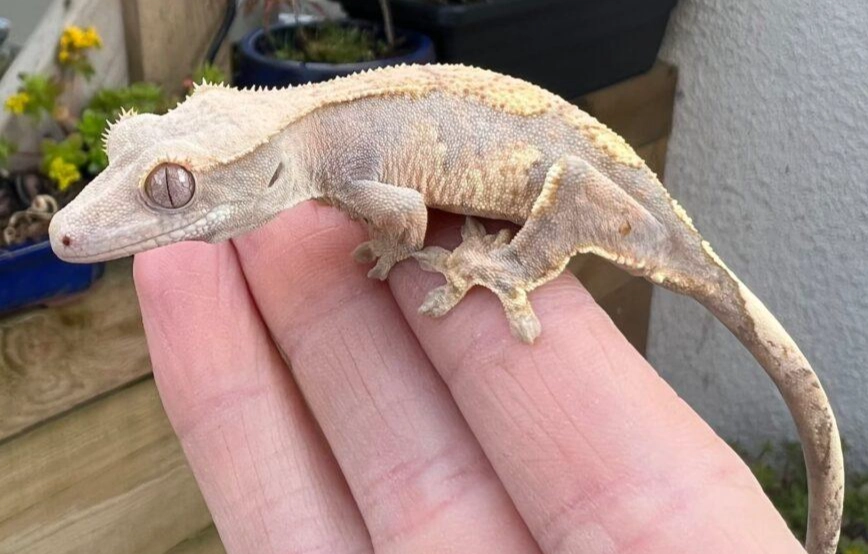
The Step-by-Step Guide to Getting It Right:
- For Length (Snout-to-Vent): Use a clear plastic ruler or a soft sewing tape. Gently position your animal along the ruler on a flat, non-slip surface. For chameleons, measure from the tip of the snout to the vent (the cloacal opening at the tail base). Do not include the tail. Take a photo from above if the animal won't stay still—you can measure the photo.
- For Total Length: Follow the curve of the tail with the soft tape measure for an accurate figure. Straightening a chameleon's prehensile tail is stressful and inaccurate.
- For Weight: This is the most important metric. Use a digital kitchen scale that measures in grams. Place a small, empty deli cup or container on the scale, tare it to zero, then gently place your reptile inside. Record the weight monthly. A stable or slowly increasing weight in an adult is good; sudden drops or gains signal a problem.
- Body Condition Scoring: Look beyond the numbers. For Leopard Geckos, the thickest part of the tail should be about as wide as the neck. For chameleons, the casque should be filled out, the eyes not sunken, and the hips not protruding. The Association of Reptilian and Amphibian Veterinarians (ARAV) has visual guides for body condition in some species.
Measuring once isn't enough. Keep a simple log: date, SVL, weight, and notes on body condition. This log is gold for your vet if problems arise.
Your Size Questions, Answered
 How do I choose the right size tank from the start to avoid multiple upgrades?
Reader Comments