Leaf-tailed geckos are some of the most bizarre and captivating reptiles on the planet. If you've ever stumbled upon a photo of what looks like a dead leaf come to life, you've probably seen one. These creatures, scientifically known as Uroplatus, hail from Madagascar and have evolved to blend into their surroundings so perfectly that they often go unnoticed even by experienced herpetologists. But there's more to them than just looks—they're complex animals with specific needs, whether in the wild or as pets. Let's dive right in.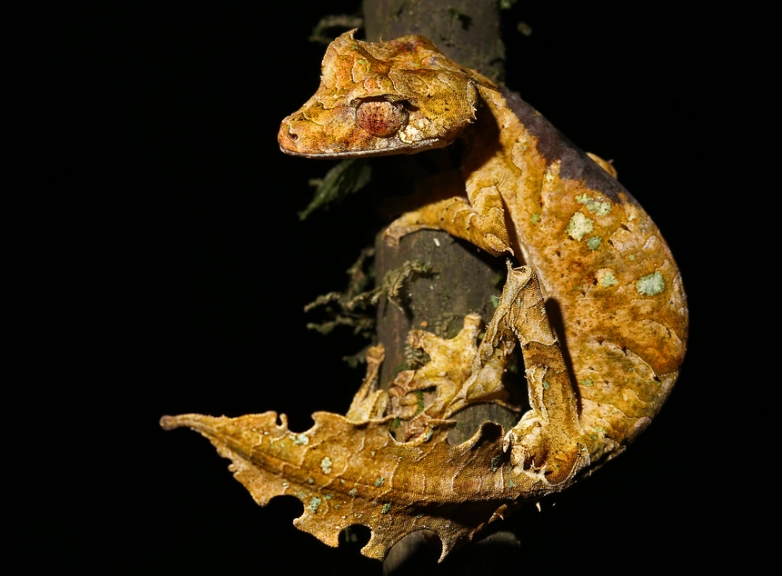
What You'll Find in This Guide
- What Exactly Are Leaf-Tailed Geckos?
- The Magic of Their Camouflage: How It Works
- Species Spotlight: A Look at Different Uroplatus
- Habitat and Distribution: Home in Madagascar
- Keeping Leaf-Tailed Geckos as Pets: A Realistic Guide
- Health and Wellness: Keeping Your Gecko Healthy
- Conservation: Why These Geckos Need Protection
- Frequently Asked Questions
What Exactly Are Leaf-Tailed Geckos?
Leaf-tailed geckos belong to the genus Uroplatus, which is Greek for "tail plate"—a nod to their unique flattened tails. They're endemic to Madagascar, meaning you won't find them anywhere else naturally. These geckos are part of the Gekkonidae family, and they've been around for millions of years, adapting to the island's diverse ecosystems. Most people know them for their leaf-like appearance, but that's just the start.
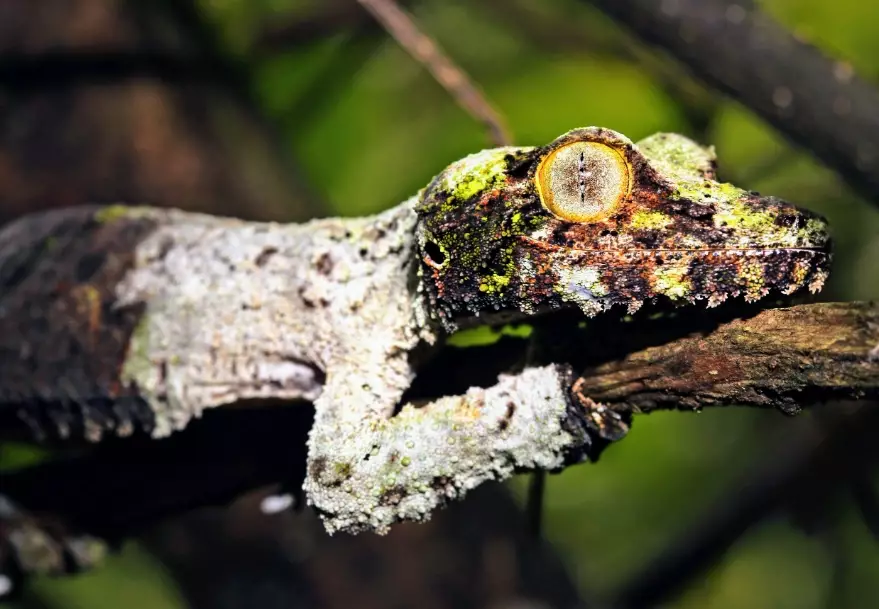
They're nocturnal, meaning they're active at night, and they're insectivores, feeding on things like crickets and moths. Size varies by species, but they generally range from 4 to 12 inches in length, including the tail. What really sets them apart is their skin texture and coloration. It's not just green or brown; it mimics bark, moss, and even lichen, with fringes and flaps that break up their outline. I remember the first time I saw one in person—it was clinging to a branch, and I almost brushed it off thinking it was a piece of debris.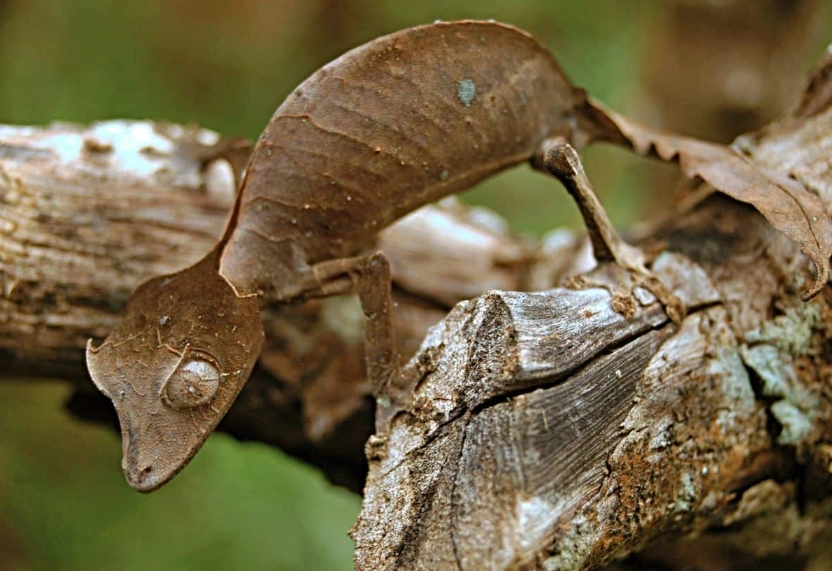
The Magic of Their Camouflage: How It Works
Their camouflage isn't just a passive trait; it's an active survival strategy. When threatened, they press their bodies against surfaces, flattening out to minimize shadows. The fringes along their sides and legs help scatter light, making them nearly invisible against tree bark. Some species, like the Satanic leaf-tailed gecko (Uroplatus phantasticus), can even sway gently to mimic a leaf moving in the wind.
Here's a detail most guides miss: the coloration changes based on their environment and stress levels. In captivity, if the humidity is off, their skin might look dull, which is a sign of poor health. I've seen owners panic when their gecko turns darker, thinking it's sick, but it's often just adjusting to light or temperature. That's a subtle error beginners make—assuming color changes are always bad.
Species Spotlight: A Look at Different Uroplatus
There are over 20 species of leaf-tailed geckos, but a few are more common in the pet trade or research. Let's break down some key ones.
| Species | Common Name | Size | Key Feature | Conservation Status (IUCN) |
|---|---|---|---|---|
| Uroplatus fimbriatus | Giant Leaf-Tailed Gecko | Up to 12 inches | Largest species, with extensive skin flaps | Near Threatened |
| Uroplatus phantasticus | Satanic Leaf-Tailed Gecko | 3-4 inches | Small, with a tail that looks like a dead leaf | Least Concern |
| Uroplatus sikorae | Mossy Leaf-Tailed Gecko | 6-8 inches | Mottled skin resembling moss | Vulnerable |
| Uroplatus henkeli | Henkel's Leaf-Tailed Gecko | 8-10 inches | Broad head and cryptic patterns | Endangered |
This table gives a snapshot, but each species has its quirks. For instance, U. fimbriatus is often recommended for experienced keepers due to its size and humidity needs, while U. phantasticus is popular for its bizarre looks but can be delicate. I've kept U. sikorae for years, and their ability to blend into a terrarium's background still amazes me—sometimes I lose track of them even when I know where they are.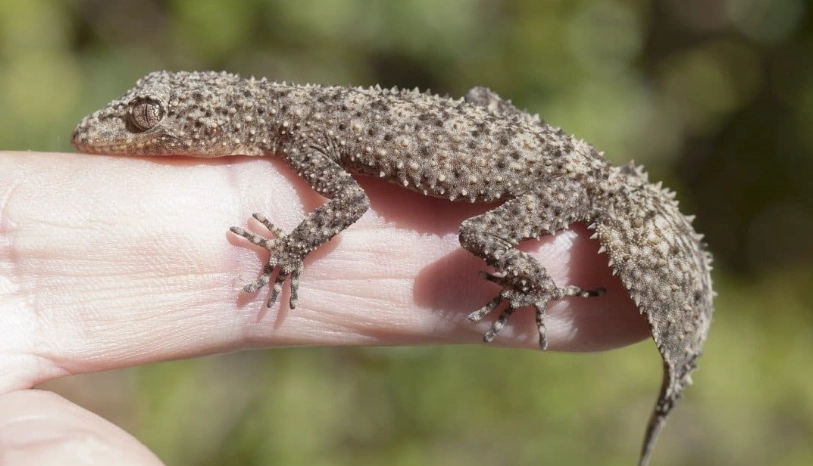
Habitat and Distribution: Home in Madagascar
Madagascar is a biodiversity hotspot, and leaf-tailed geckos are a prime example. They're found in the eastern rainforests, dry deciduous forests, and even some montane regions. Each species has adapted to specific microhabitats. For example, Uroplatus fimbriatus prefers dense, humid forests with tall trees, while Uroplatus ebenaui might be found in drier areas with sparser vegetation.
Deforestation is a huge threat here. According to reports from the IUCN Red List, habitat loss due to logging and agriculture has pushed several species toward endangerment. If you're thinking of getting one as a pet, it's crucial to source from captive-bred lines to avoid supporting illegal wild collection. I've visited Madagascar, and seeing the fragmentation firsthand drove home how fragile these ecosystems are.
Keeping Leaf-Tailed Geckos as Pets: A Realistic Guide
So, you're tempted to keep one? It's not for everyone. These geckos require precise conditions, and skimping on setup is a recipe for disaster. Let's walk through the essentials.
Setting Up the Perfect Enclosure
A vertical terrarium is a must—they're arboreal, meaning they live in trees. For a single adult, a minimum of 18x18x24 inches is recommended, but bigger is always better. Use live plants like pothos or bromeliads to mimic their natural environment and help with humidity. Substrate should retain moisture, such as coconut fiber or sphagnum moss.
Temperature and humidity are critical. Daytime temps should be 72-78°F, with a slight drop at night to 68-72°F. Humidity needs to stay between 70-80%, which means misting twice daily and possibly using a fogger. I made the mistake early on of relying on a cheap hygrometer; it was off by 10%, and my gecko started having shedding issues. Invest in quality equipment.
Diet and Feeding: What They Really Eat
In the wild, they eat insects, so in captivity, offer gut-loaded crickets, roaches, and occasional waxworms. Dust prey with calcium and vitamin D3 supplements twice a week to prevent metabolic bone disease—a common killer in captive geckos. Feed adults every other day, juveniles daily. Don't overfeed; obesity is a silent problem I've seen in older pets.
Common Mistakes New Owners Make
Here's where experience talks. First, people often use screen tops that let humidity escape. Switch to glass or acrylic with ventilation holes. Second, handling should be minimal; these are display animals, not cuddly pets. Stress from frequent handling can lead to appetite loss. Third, skipping quarantine for new additions—I learned this the hard way when a new gecko introduced mites to my collection.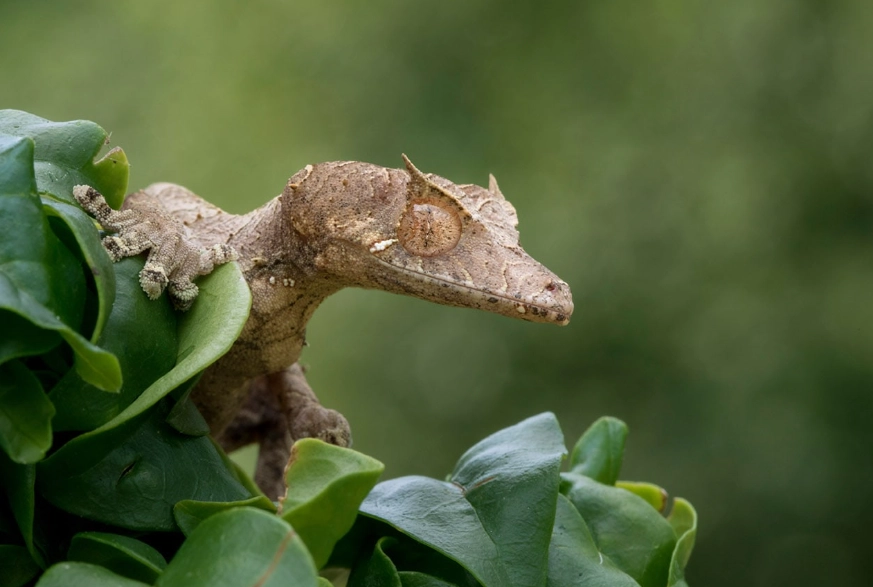
Health and Wellness: Keeping Your Gecko Healthy
Leaf-tailed geckos are generally hardy if cared for properly, but they're prone to specific issues. Metabolic bone disease (MBD) from calcium deficiency is top of the list. Symptoms include soft jaws, tremors, and difficulty climbing. Prevention is straightforward: proper UVB lighting (low levels, as they're nocturnal but still benefit from it) and supplementation.
Respiratory infections can occur if humidity is too high or stagnant. Look for wheezing, mucus around the nostrils, and lethargy. Parasites like mites are another concern; regular enclosure cleaning and vet check-ups help. I recommend a herp vet visit annually, even if your gecko seems fine. Catching problems early saves lives.
Pro Tip: Keep a health journal. Note feeding, shedding, and behavior changes. It sounds tedious, but when my gecko stopped eating for a week, the journal helped the vet pinpoint a temperature fluctuation I'd missed.
Conservation: Why These Geckos Need Protection
Many leaf-tailed gecko species are threatened. The IUCN lists several as Vulnerable or Endangered, primarily due to habitat destruction and illegal pet trade. Organizations like the Madagascar Biodiversity Partnership work on conservation, but it's an uphill battle. As a keeper, you can contribute by supporting captive breeding programs and avoiding wild-caught specimens.
Education is key. When I give talks, I emphasize that keeping these geckos isn't just a hobby—it's a responsibility to ensure their survival. If you're in the US, check CITES regulations; some species require permits.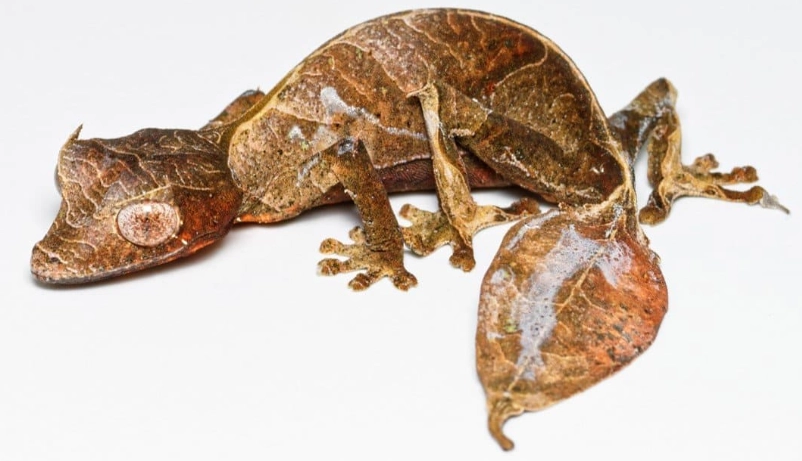
Frequently Asked Questions
 Leaf-tailed geckos are more than just oddities; they're windows into evolution and conservation. Whether you're a curious observer or a potential keeper, understanding their needs deepens appreciation. If you decide to bring one home, do your homework—it's a commitment that rewards with endless fascination.
Reader Comments