Quick Navigation
- So, What Exactly Is a Waxy Monkey Tree Frog?
- Setting Up the Perfect Home: The Waxy Monkey Tree Frog Terrarium
- Feeding Your Waxy Monkey Tree Frog: Diet and Nutrition
- Common Health Issues and How to Spot Them
- Frequently Asked Questions (The Stuff You're Really Wondering)
- Wrapping Up: Is the Waxy Monkey Tree Frog Right for You?
Let's be honest, the first time you see a picture of a waxy monkey tree frog, you do a double-take. It looks like a little green alien that's been sculpted from clay, with these huge, expressive eyes and limbs that seem just a bit too long. The name itself is a mouthful—waxy monkey tree frog—and it perfectly captures its weird charm. It's waxy to the touch, it sits in a way that reminds you of a primate, and it lives in trees. Nailed it.
But beyond the quirky appearance lies a fascinating amphibian with some incredible adaptations. I remember when I first got into the hobby, seeing one at a reptile expo. It wasn't leaping around like other frogs; it was just calmly walking along a branch, hand over foot, like it was thinking deep thoughts. I was hooked. If you're curious about these creatures, whether you're just browsing or seriously considering bringing one home, you've probably got a bunch of questions. Are they hard to care for? What's up with that "waxy" skin? Where do they even come from?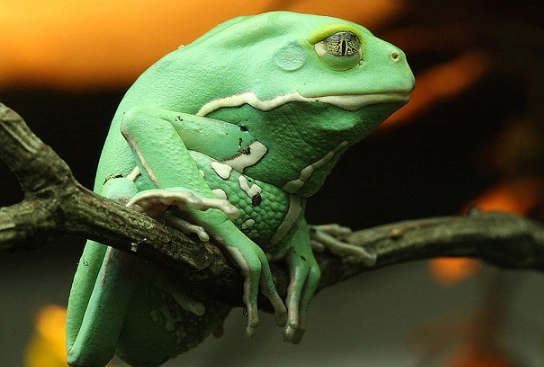
This guide is here to walk you through all of it. We'll ditch the textbook jargon and talk about what it's really like to live with a Phyllomedusa sauvagii (that's its scientific name, but we'll stick with the monkey frog most of the time).
Quick Take: The waxy monkey tree frog is a medium-sized, nocturnal, arboreal frog from South America's dry forests. Its nickname comes from its deliberate, walking movement and the waxy secretion it uses to prevent water loss. It's a popular choice for intermediate amphibian keepers due to its hardiness and unique behaviors.
So, What Exactly Is a Waxy Monkey Tree Frog?
Let's start with the basics. This isn't your average pond frog. Native to the Gran Chaco region—a hot, dry area spanning parts of Argentina, Bolivia, Paraguay, and Brazil—the waxy monkey tree frog has evolved to handle conditions that would desiccate most other amphibians. We're talking scrub forests and dry savannas where rain is seasonal, not constant.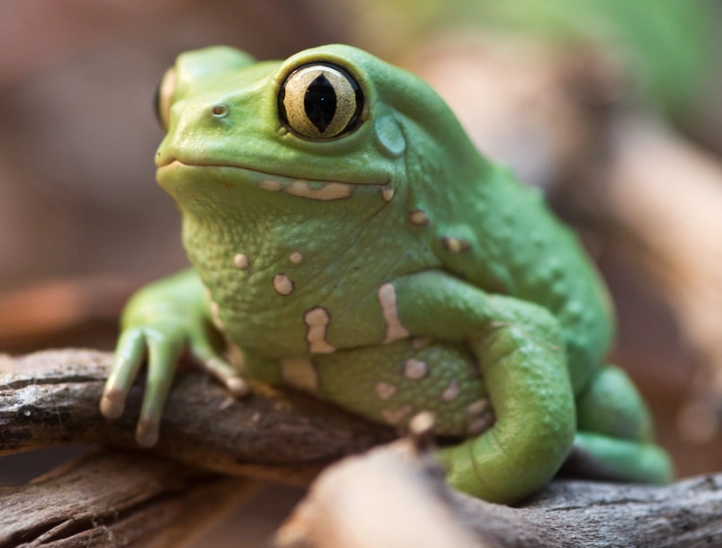
Their most famous trick is their skin. It's not actually waxy like a candle. Instead, they secrete lipids—basically frog sunscreen and moisturizer in one—and spread it all over their body with deliberate leg-wiping motions. This coating drastically reduces water loss, allowing them to bask in the sun and tolerate lower humidity than many tropical frogs. Pretty smart, right?
They're also built for life in the trees. Those long, slender limbs and large, padded toes are perfect for grasping branches. They move slowly and methodically, which is where the "monkey" comparison really shines. You'll almost never see them frantically hopping. They're the thoughtful, contemplative climbers of the frog world.
A quick personal aside: I made a mistake early on by treating their tank like a rainforest. Kept the humidity sky-high. Big error. One of my frogs started showing signs of a bacterial infection, likely because the environment was too wet and stagnant for a species built for drier air. I had to relearn that "tree frog" doesn't always mean "soaking wet." It was a tough lesson.
Key Physical Features and Behaviors
What should you look for in a healthy waxy monkey tree frog?
- Color: Typically a bright, almost lime green on the back with a creamy white or yellow belly. Some individuals might have subtle white or yellow spots along their sides.
- Size: Females are larger, reaching up to 3.5-4 inches (9-10 cm) from snout to vent. Males are smaller, usually 2.5-3 inches (6-8 cm).
- Eyes: Large, golden, with a vertical pupil. They have a calm, almost wise expression.
- Posture: They often sit with their limbs tucked close, reducing surface area to conserve moisture. When they sleep during the day, they often tuck their bright belly away, presenting only their green back to the world—a neat camouflage trick.
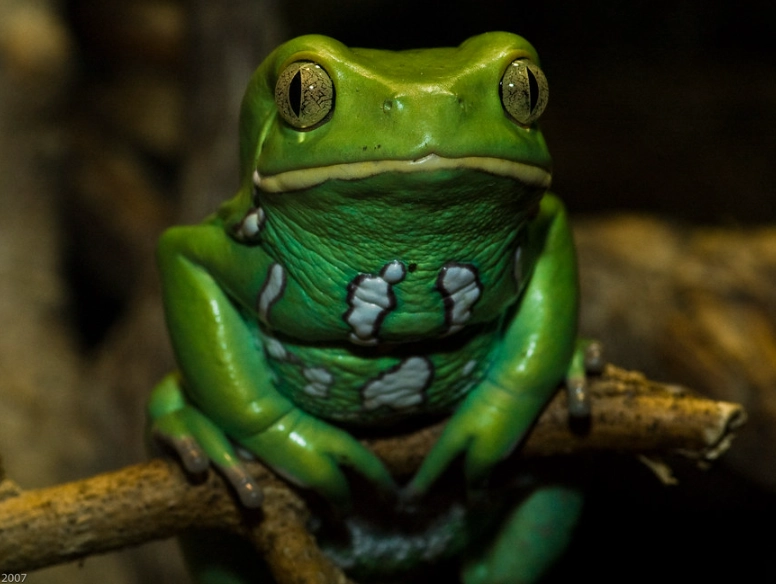
Their behavior is a big part of their appeal. They're nocturnal, so they become active in the evening. That's when you might hear the male's call—a soft, rattling or grating sound, not too loud. They're also known for a funny "rain dance" behavior where they vibrate their back feet rapidly on a leaf surface, which is thought to help them find drinking water.
Setting Up the Perfect Home: The Waxy Monkey Tree Frog Terrarium
This is where many new owners go wrong. You can't just plop them in a standard, soggy frog tank. You need to think "dry forest canopy."
The single most important purchase is a tall terrarium. These frogs climb, they don't swim. Floor space is less critical than height. For a pair of waxy monkey tree frogs, I'd recommend a minimum of an 18x18x24 inch (45x45x60 cm) tall enclosure. Bigger is always better, giving you more room for a complex vertical landscape.
Pro Tip: Front-opening terrariums are a game-changer. Trying to maintain plants and decor while reaching in from the top is a hassle and stresses the frogs. A front door makes everything easier.
The Non-Negotiables: Heating, Lighting, and Humidity
Getting the environment right is crucial for their health and activity levels.
Temperature: They like it warm, but not tropical. A gradient is ideal. Aim for a basking spot around 80-85°F (27-29°C) at the top of the tank, created by a low-wattage heat bulb or a ceramic heat emitter in a thermostat-controlled lamp. The cooler end of the tank should drop to about 70-75°F (21-24°F). Nighttime drops into the high 60s°F (around 20°C) are perfectly fine and natural.
Lighting: They don't require special UVB lighting for calcium metabolism like some reptiles, but a low-level UVB light (like a 5.0 or 2.0 strength) for 10-12 hours a day is increasingly considered beneficial for their overall well-being and helps live plants thrive. At the very least, provide a regular LED plant light or a gentle daylight-spectrum bulb to simulate a day/night cycle. This keeps their internal clock on track.
Humidity: Here's the key difference. Don't aim for constant 80% humidity. That's a recipe for problems. Instead, target 40-60% during the day. Let it spike to 70-80% for a few hours after you mist in the evening, then let it fall back down. This mimics the dew and occasional rains of their native habitat. A good digital hygrometer is essential. Mist the enclosure heavily once a day, usually in the late afternoon or evening when they wake up.
Furnishing Their Arboreal Playground
The decor isn't just for looks; it's their furniture and gym.
- Substrate: Go for something that holds a little moisture but doesn't stay soggy. A mix of coconut fiber, orchid bark, and sphagnum moss works well. You want a couple of inches at the bottom.
- Branches and Vines: This is their highway system. Use a variety of diameters—cork branches, ghost wood, manzanita. Create pathways that lead to different levels and hiding spots. Secure everything well so it doesn't collapse.
- Live Plants: Highly recommended. They help with humidity control, air quality, and look amazing. Choose sturdy plants that can handle the climbing. Pothos, snake plants, bromeliads (which can hold drinking water!), and some philodendrons are great choices.
- Hides: Even though they're out in the open sometimes, they need secure places to sleep during the day. Cork bark tubes, flat pieces of bark leaned against the glass, or dense plant cover all work.
A bare tank with a single stick is a sad sight for a creature this intelligent and active. Invest in the scenery.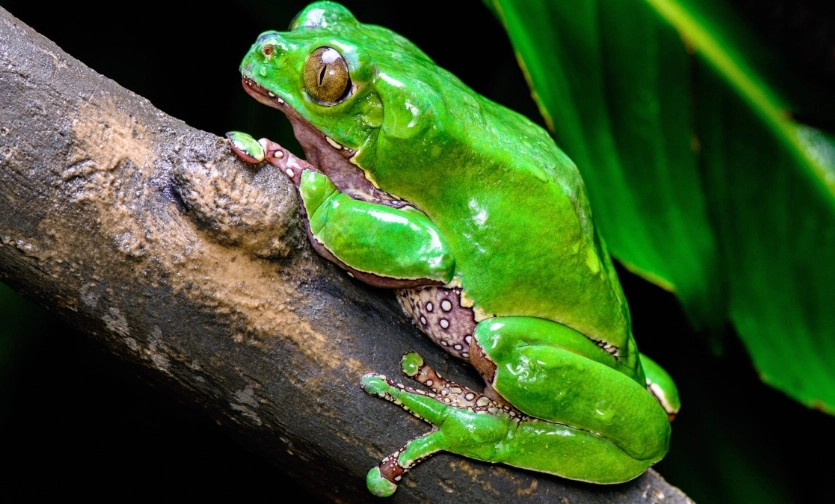
Feeding Your Waxy Monkey Tree Frog: Diet and Nutrition
Good news: they have a great appetite and aren't usually picky eaters. Bad news: you need to provide variety and supplement properly, or you'll run into health issues fast.
In the wild, they're opportunistic insectivores. In captivity, their diet should be a rotating mix of gut-loaded insects. "Gut-loading" means feeding your feeder insects nutritious foods (like fresh veggies and commercial gut-load diets) 24-48 hours before offering them to your frog. This passes the nutrition on.
| Feeder Insect | Frequency | Notes & Benefits |
|---|---|---|
| Crickets | Staple (2-3 times a week) | Readily available, good for gut-loading. Can be noisy. |
| Dubia Roaches | Excellent staple (1-2 times a week) | High in protein, quiet, can't climb smooth surfaces. My personal favorite. |
| Black Soldier Fly Larvae (Calci-Worms®) | Regular part of rotation | Naturally high in calcium, great for bone health. |
| Silkworms | Occasional treat | Soft-bodied, highly nutritious, but can be expensive. |
| Waxworms or Butterworms | Rare treat only | High in fat. Use like candy—too many cause obesity. |
How much to feed? For an adult waxy monkey tree frog, offering 4-6 appropriately sized insects every 2-3 days is a good rule. The insect should be no wider than the space between the frog's eyes. Juveniles need to be fed more frequently, every day or every other day.
Critical Warning: You MUST dust their food with supplements. This is non-negotiable in captivity. Use a high-quality calcium supplement (without Vitamin D3 if you use UVB lighting, with D3 if you don't) on most feedings. Then, once or twice a week, use a multivitamin powder specifically formulated for reptiles/amphibians. This prevents Metabolic Bone Disease (MBD), a crippling and fatal condition caused by calcium deficiency.
They typically won't eat from a bowl. You'll need to offer insects with long tweezers or release them into the enclosure for the frog to hunt at night. Watching a waxy monkey tree frog slowly stalk and grab a cricket is a lesson in patience and precision.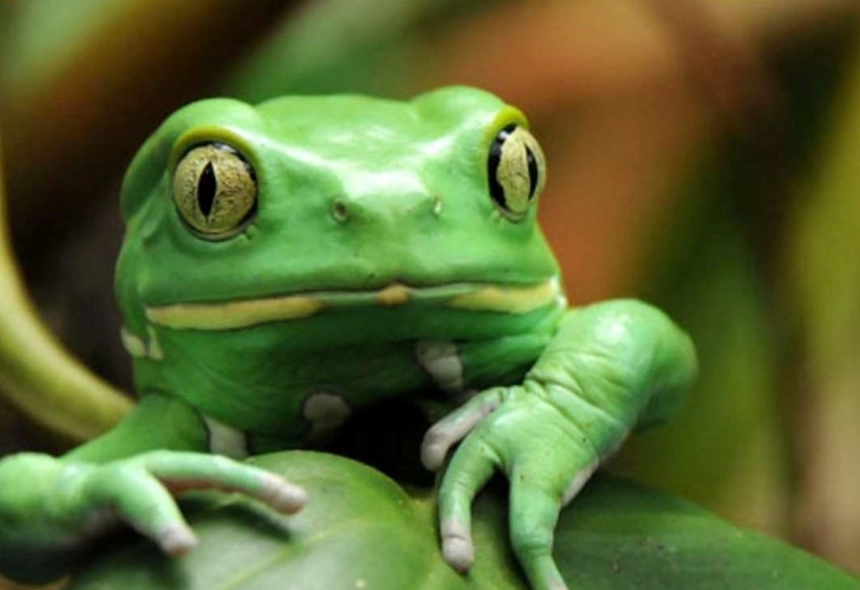
Common Health Issues and How to Spot Them
Even with great care, things can go wrong. Knowing the signs can save your frog's life.
- Metabolic Bone Disease (MBD): The big one. Symptoms include a wobbly gait, difficulty climbing, a soft or rubbery jaw (the lower jaw may droop), and eventually, deformed limbs or spine. Prevention through proper supplementation is 100% key.
- Bacterial or Fungal Skin Infections (Red-Leg): Often appears as reddening on the belly or thighs, skin ulcers, or a slimy film. Usually caused by dirty conditions, stress, or humidity that's consistently too high. Keeping the tank clean and well-ventilated is the best defense.
- Parasites: Internal parasites can cause weight loss, lethargy, and abnormal droppings. A fecal exam by an exotic vet is the only way to diagnose and treat these.
- Dehydration: Despite their waxy coating, they can dehydrate. Signs include sunken eyes, loss of skin elasticity (the skin doesn't snap back quickly if gently pinched), and lethargy. Ensure they have access to fresh, clean water (in a shallow dish or in plant axils like bromeliads) and that your misting routine is consistent.
- Obesity: A fat frog is an unhealthy frog. It stresses their organs. If your frog starts looking round like a little green potato instead of sleek, cut back on fatty feeders like waxworms and reduce feeding frequency slightly.
See anything off? Don't wait.
If you suspect illness, the best course of action is to seek a veterinarian who specializes in exotic pets or herpetology. General dog-and-cat vets often lack the specific knowledge for amphibians. The Association of Reptilian and Amphibian Veterinarians (ARAV) has a “Find a Vet” tool on their website that can be incredibly helpful.
Frequently Asked Questions (The Stuff You're Really Wondering)
Are waxy monkey tree frogs good for beginners?
I'd put them in the "intermediate" category. They're hardy compared to some ultra-delicate frogs, but their specific humidity and temperature needs, along with the critical supplement regimen, mean they aren't as forgiving as, say, a White's tree frog. If you've kept other reptiles or amphibians successfully, you're probably ready. If this is your first foray into exotic pets, do a ton of research first—maybe start with something a bit more straightforward.
Are they poisonous?
No, they are not poisonous to humans. Their skin secretions are antimicrobial and help them prevent water loss, but they are not toxic like a poison dart frog. Still, it's always good practice to wash your hands thoroughly both before and after handling any amphibian to protect both you and them from transferring oils, lotions, or bacteria.
How long do waxy monkey tree frogs live?
With excellent care, they are surprisingly long-lived. A lifespan of 10 years in captivity is common, and there are reports of individuals living well into their teens. That's a decade-long commitment, so think carefully.
Can you house them together?
Yes, they can be kept in pairs or small groups, provided the enclosure is large enough. Generally, it's best to avoid housing multiple males together, as they can compete. A male-female pair or a group of females usually does fine. Just make sure there are enough branches and hiding spots to prevent competition for prime basking perches.
Where can I buy a healthy waxy monkey tree frog?
Avoid big chain pet stores. Their animals often come from mass breeders and can have hidden health problems. Your best bets are:
- Reputable Breeders: Found at reptile expos or online through well-reviewed sources. Breeders can often provide detailed history and care advice.
- Specialty Reptile/Amphibian Stores: Local shops that focus on exotics usually source from better breeders and take better care of their stock.
Always look for a frog that is alert (at night), has clear eyes, clean skin, and a plump but not obese body. Ask about its feeding history and what it's been eating.
I made the mistake of buying my first one on a whim from a questionable source. It never thrived and died within a year, likely from underlying parasites. It was a hard, expensive lesson. Wait for a healthy animal from a good source. It's worth the extra money and patience.
Do they need a water feature or pond?
No, and it can be dangerous. They are not strong swimmers. A deep water dish is a drowning risk. Provide a very shallow dish of fresh, dechlorinated water (use a reptile water conditioner) for drinking, or rely on the water that collects in leaf axils after misting. They often prefer to drink droplets from leaves and glass.
Wrapping Up: Is the Waxy Monkey Tree Frog Right for You?
So, after all this, should you get one?
If you're captivated by their unique look and calm demeanor, have the time to set up and maintain a proper vertical terrarium, and are diligent about feeding and supplements, then a waxy monkey tree frog can be an incredibly rewarding pet. They're more of a "look but don't touch" pet—handling should be minimal to avoid stressing them—but observing their nightly activities is a genuine joy.
If you want a pet you can cuddle, or if the idea of culturing insects and dusting them with powder sounds like a chore, this might not be the amphibian for you. They require a specific, stable environment.
Think it over.
For more scientific information on their natural history and conservation status, fantastic resources are the AmphibiaWeb species account and the IUCN Red List entry. They provide the solid, verified facts that underpin all the care advice.
Ultimately, keeping a waxy monkey tree frog is about appreciating a little piece of evolutionary ingenuity. It's a creature that figured out how to thrive where most frogs would fail. Bringing that into your home is a privilege that comes with real responsibility. Do your homework, set up right, and you'll have a fascinating window into the life of one of nature's most peculiar and wonderful climbers.
Reader Comments