Quick Guide
So you're thinking about getting a crested gecko, or maybe you just brought one home. One of the first questions that pops into anyone's head is, "How long is this little guy going to be around?" It's a fair question. You're making a commitment, and you want to know what you're signing up for. I remember asking the same thing when I got my first crestie, Gex, over a decade ago. The answers I found were all over the place.
Let's cut through the noise. The crested gecko lifespan in captivity, when cared for properly, is typically between 15 and 20 years. Some well-documented individuals have even pushed past the 25-year mark. That's a significant chunk of time—think about where you were 20 years ago. It means your gecko could be with you through major life changes, which is amazing but also a serious responsibility.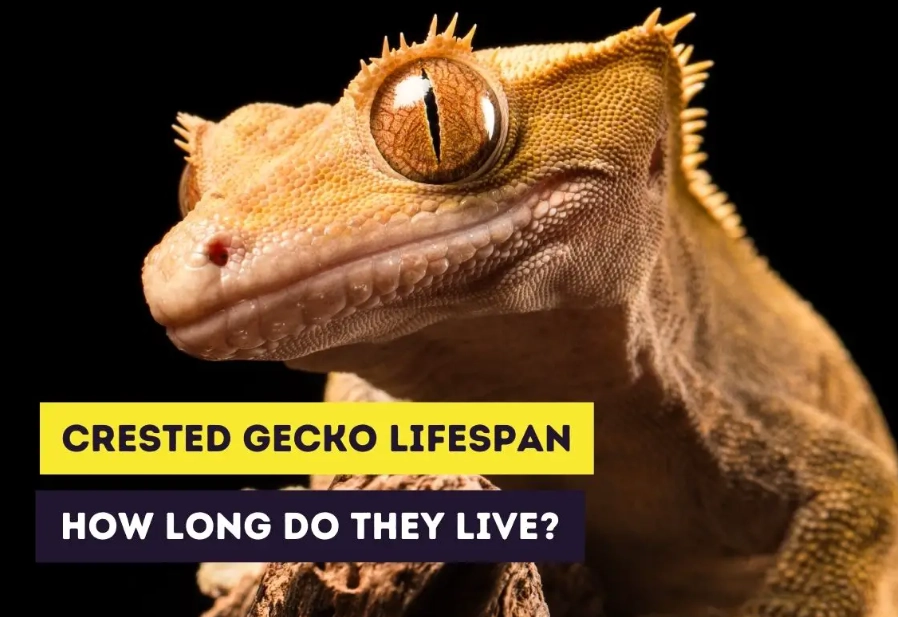
Now, compare that to their life in the wild on New Caledonia. It's a different, much harsher story. Predators, disease, food scarcity, and habitat loss mean wild crested geckos are lucky to see 5-10 years. The leap to 15-20+ years in our homes is entirely due to the safety and controlled conditions we provide. But here's the kicker: that long lifespan of a crested gecko isn't automatic. It's a direct result of getting a bunch of little things right.
The Lifespan Range at a Glance:
• Wild Lifespan: Roughly 5-10 years (often on the lower end).
• Standard Captive Lifespan: A solid 15-20 years with good care.
• Exceptional/Record Lifespan: 25 years and beyond, achieved through exceptional husbandry.
• Shortened Lifespan: Can be as little as 2-5 years due to chronic poor care, improper diet, or untreated illness.
See that last point? That's the part that keeps reptile keepers up at night. The difference between a gecko that lives 5 years and one that lives 20 isn't just luck or genetics—it's mostly husbandry. Your daily choices are the biggest factor in your pet's crested gecko life expectancy.
What Really Drives a Long Crested Gecko Lifespan?
If you want your gecko to hit that 20-year milestone, you need to focus on three pillars. Miss one, and the whole structure gets shaky. It's like a three-legged stool.
Pillar One: Diet and Nutrition (It's Not Just About Powder)
This is arguably the most common stumbling block. The commercial powdered diets (like Pangea or Repashy) are fantastic inventions and should be the staple. They're formulated to be complete. But I think some owners get a bit too reliant on them as the only food source.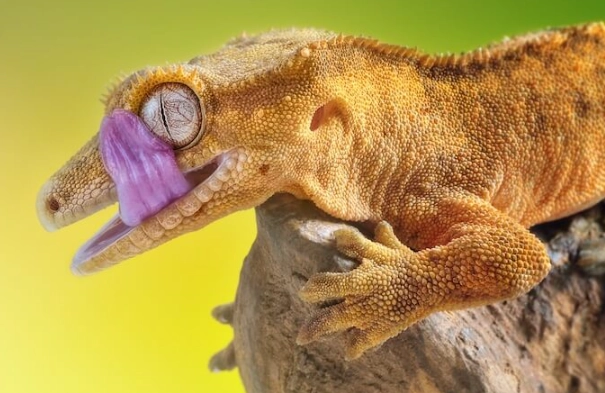
A varied diet is a healthy diet. I alternate between two different brands of complete diet for my geckos, and once a week or so, I offer appropriately sized, gut-loaded insects like crickets or dubia roaches as a treat. The hunting activity is also enrichment. The key is dusting those insects with a calcium supplement (without D3 if your gecko gets UVB light, with D3 if it doesn't).
Watch Out For: Feeding only fruit baby food or mashed banana. This was an old-school practice that leads to severe nutritional deficiencies and metabolic bone disease (MBD). It will drastically shorten your crested gecko's lifespan. Stick to the formulated diets designed for them.
Hydration is part of nutrition too. They rarely drink from a still water bowl. You must mist the enclosure heavily in the evening to simulate rain and allow them to lick droplets from leaves and glass. Dehydration causes kidney stress and impaction, which are silent killers.
Pillar Two: The Habitat – It's More Than a Box
Think of the enclosure as their entire world. Its quality directly impacts their stress levels, immune function, and overall health.
Temperature: This is non-negotiable. Crested geckos are cool-climate reptiles. The ideal range is 72-78°F (22-25.5°C) during the day, with a slight drop at night. Temperatures consistently above 80°F (27°C) cause heat stress, rapid dehydration, and can be fatal quickly. I learned this the hard way during a heatwave years ago before I had a proper thermostat controller. It was a scary few days. Conversely, temps below 65°F (18°C) for prolonged periods can lead to lethargy and poor digestion.
Humidity: This is the other half of the climate equation. You need a sharp cycle: spike the humidity to 70-80%+ with heavy misting at night, then let it fall gradually to around 50-60% during the day. This dry period is crucial to prevent mold and respiratory infections. A hygrometer is essential—don't guess.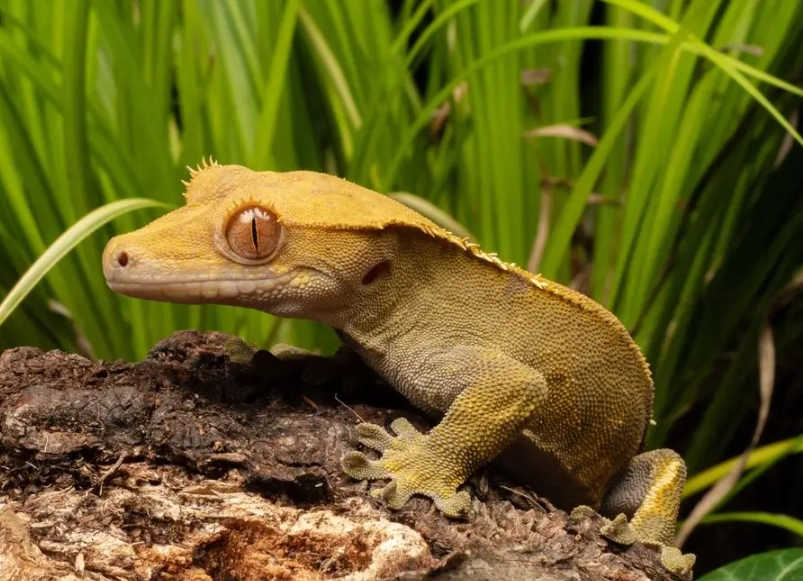
Space and Enrichment: A stressed gecko is an unhealthy gecko. A cramped, bare tank is deeply stressful. The Reptiles Magazine website has great articles on bioactive setups, but even a non-bioactive tank needs to be packed. Vertical space is key (they're arboreal!). Use cork rounds, branches, and a lot of foliage—live or artificial plants—to create hiding spots and climbing paths. This allows them to exhibit natural behaviors, which reduces stress and promotes activity.
Cleanliness ties into habitat too. Spot clean waste regularly and do a full substrate change/terrarium clean every few months. A dirty cage breeds bacteria and parasites.
Pillar Three: Stress Management and Handling
We don't always talk about the psychological aspect enough. Chronic stress suppresses the immune system, making an animal prone to every illness in the book.
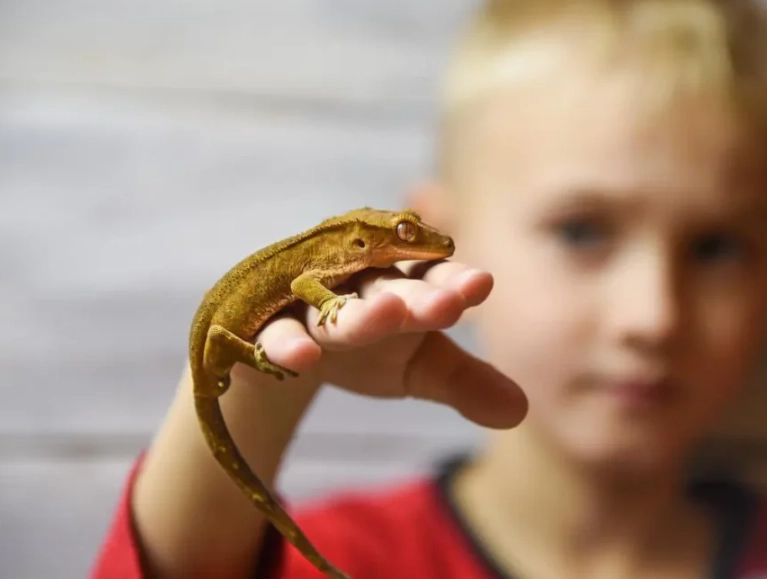
Handling is a big one. Yes, they can be handled, but it must be done thoughtfully and infrequently, especially for new geckos. Keep sessions short (5-10 minutes), calm, and close to a soft surface in case they jump. Never grab them by the tail—they can and will drop it (it doesn't grow back like some other geckos). A tailless gecko is fine health-wise, but it's a sign of a scared animal.
Other stress factors include:
• Housing multiple males together (they will fight).
• Excessive noise or vibration near the tank.
• Inadequate hiding places.
• Frequent, unnecessary redecorating of their enclosure.
Common Health Issues That Can Shorten a Crested Gecko's Life
Knowing the pitfalls is half the battle. Here are the main culprits that chip away at a crested gecko's lifespan.
| Health Issue | Primary Cause | Symptoms to Watch For | Impact on Lifespan |
|---|---|---|---|
| Metabolic Bone Disease (MBD) | Calcium/Vitamin D3 deficiency or improper calcium-phosphorus ratio. | Rubbery, bent jaw or limbs, tremors, difficulty climbing, lethargy. | Severe. Can be fatal if not caught early. Survivors often have permanent deformities. |
| Prolapse (Cloacal or Hemipenal) | Impaction from ingesting substrate, dehydration, or breeding-related strain. | Pink/red tissue protruding from the vent. | Critical emergency. Fatal within days if not treated by a vet. |
| Dysecdysis (Bad Shed) | Chronic low humidity. | Retained shed, particularly on toes (can constrict and cause loss) and the tip of the tail. | Can lead to infection or loss of digits. Chronic stressor. |
| Respiratory Infection (RI) | Consistently low temperatures and/or stagnant, overly wet substrate. | Wheezing, clicking sounds, mucus around nostrils, open-mouth breathing. |
The single best thing you can do for any of these? Find a good exotic veterinarian before you have an emergency. Not all vets see reptiles. The Association of Reptilian and Amphibian Veterinarians (ARAV) has a locator tool to find a qualified professional near you. An annual check-up can catch minor issues before they become major life-shorteners.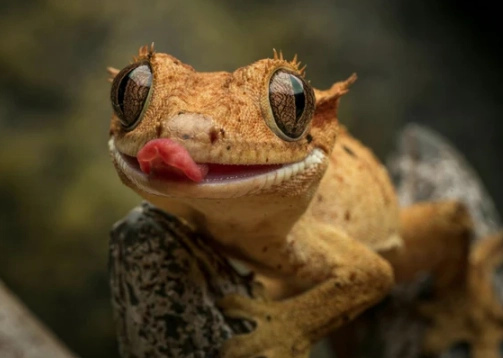
Secrets to Maximizing Your Crested Gecko's Lifespan
Okay, so you've got the basics down. How do you go from good to great? How do you push towards that upper limit of the crested gecko lifespan? Here are some pro-tier tips that often get overlooked.
1. Embrace (Safe) UVB Lighting. This is a bit of a debated topic, but the science is leaning heavily in favor. A low-output, linear UVB light (like a shadedweller or a T5 5.0 bulb) running for 10-12 hours a day can be transformative. It allows them to synthesize their own vitamin D3, which improves calcium metabolism, bone density, and overall vitality. It just makes them seem more... alert. If you use UVB, you must provide plenty of shaded areas so they can choose their exposure.
2. Quarantine New Arrivals. If you ever get a second gecko, do not put it in the same room as your existing one for at least 60-90 days. House it in a separate room with separate cleaning tools. New reptiles can carry parasites or illness that are asymptomatic at first. This practice has saved me (and my original gecko) a lot of potential grief.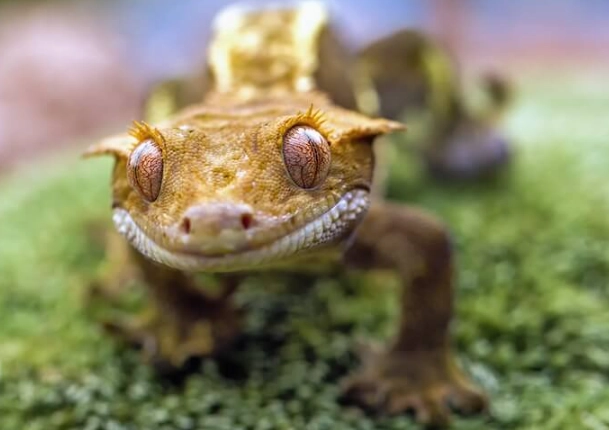
3. Keep a Log. It sounds nerdy, but jotting down weight (with a gram scale), feeding response, shedding dates, and poop quality every week or two gives you a baseline. You'll notice subtle declines long before they become obvious problems. A sudden weight drop is often the first sign of illness.
4. Breed Responsibly (or Don't Breed). This is a personal opinion, but I see too many people breed their geckos without understanding the genetics or having homes lined up. Breeding is incredibly taxing on a female's body and can shorten her life if done repeatedly without ample recovery time. If you're not prepared to deal with potential complications like egg-binding or a dozen+ babies, just enjoy your pet.
Crested Gecko Lifespan: Your Questions Answered
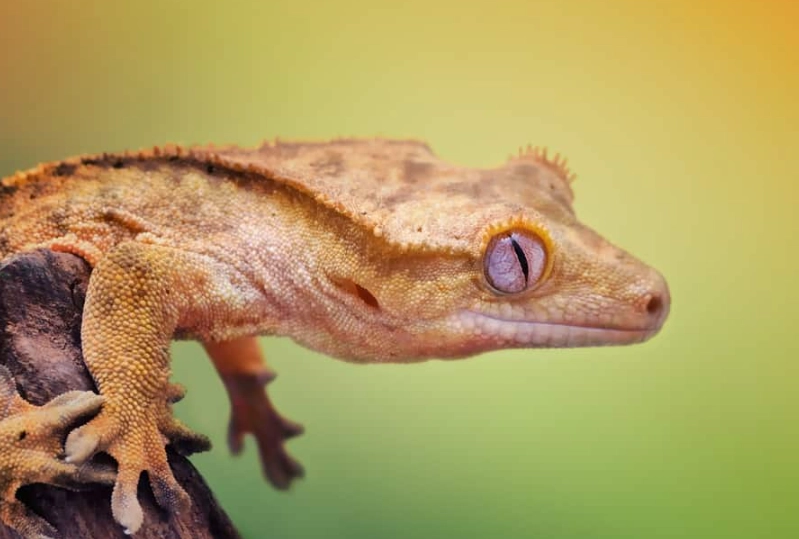
Look, at the end of the day, the crested gecko lifespan in your care is a report card on your husbandry. It's not about buying the most expensive tank or the fanciest supplements. It's about the daily discipline of checking temps, offering fresh food, providing clean water through misting, and just observing your pet.
My first crestie, Gex, lived to be 18. He had a slight kink in his back leg from what was probably a minor MBD issue before I got him as a sub-adult—a reminder that early care matters. But for 18 years, he was a healthy, hungry, occasionally grumpy part of the family. That's the potential you're holding when you look at that little gecko in the pet store or in your tank. You have the power to give it a long, full life. It just takes attention to detail, a willingness to learn, and a whole lot of love.
So, will your crested gecko live a long life? If you commit to getting these fundamentals right, the odds are overwhelmingly in your—and its—favor.
Reader Comments