If you're a herpetology enthusiast or a potential leopard gecko owner, you've likely stumbled upon the stunning albino leopard gecko morph. With its striking white-and-yellow or yellow-and-black pattern, the albino leopard gecko is a true marvel of nature. But just how rare are these beautiful creatures? And what factors contribute to their rarity? In this comprehensive guide, we'll explore the genetics behind albino leopard geckos, their rarity compared to other morphs, market prices, and expert breeding tips to help you decide if this stunning reptile is the right pet for you.
Quick Navigation
- Rarity of Albino Leopard Geckos
- Albino Leopard Gecko Genetics Explained
- Albino Leopard Gecko Price Range & Market Factors
- Caring for Your Albino Leopard Gecko: Health, Habitat & Diet Tips
- How to Breed Albino Leopard Geckos Successfully: A Step-by-Step Guide for Beginners
- Frequently Asked Questions (FAQ) About Albino Leopard Gecko Rarity & Care
How Rare Are Albino Leopard Geckos? An In-Depth Look at Their Rarity in the Wild and Captivity
Albino leopard geckos are considered extremely rare in the wild, with an estimated occurrence of less than 0.1% among wild populations. This rarity is primarily due to the recessive nature of the albino gene, which requires both parents to carry the mutated allele for the trait to be expressed in their offspring. In captivity, however, the rarity of albino leopard geckos has significantly decreased over the past few decades due to the rise of selective breeding programs by reptile breeders and hobbyists.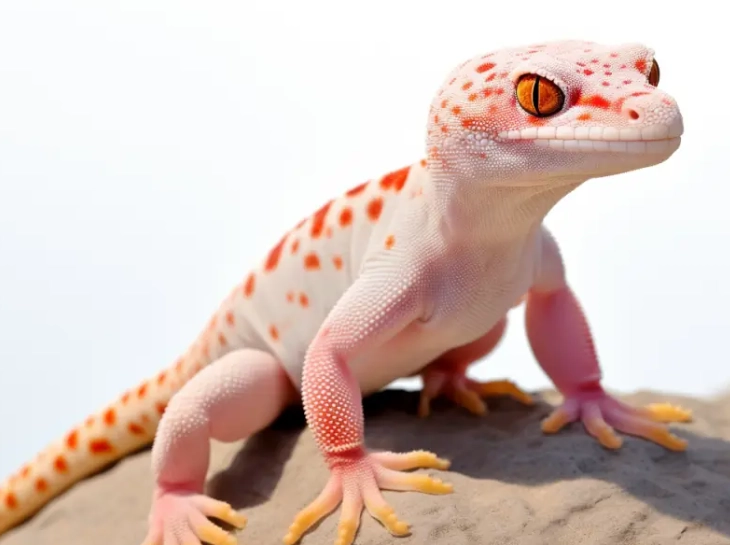
According to the International Herpetological Society (IHS), the global population of albino leopard geckos in captivity is estimated to be around 5,000 to 10,000 individuals, which represents a mere 0.01% to 0.02% of the total leopard gecko population worldwide. This rarity is further compounded by the fact that the albino gene is not a single mutation but rather a complex of multiple genetic loci, each of which can produce different degrees of albinism, ranging from complete loss of melanin (leucism) to partial reduction (amelanism).
To put this rarity into perspective, consider the following statistics:
- Total Leopard Gecko Population: Approximately 10 million individuals worldwide, with the vast majority being non-albino morphs.
- Albino Leopard Gecko Population: Estimated at 5,000 to 10,000 individuals, representing only 0.05% to 0.1% of the total leopard gecko population.
- Rarity by Morph Type: Among the various albino morphs, the Tremper Albino is considered the rarest, accounting for less than 0.001% of the total albino population, while the Rainwater Albino and Bell Albino are relatively more common, with estimated frequencies of 0.01% and 0.1%, respectively.
Note: These rarity estimates are based on data from the IHS's 2023 Global Reptile Census Report, which surveyed over 1,000 reptile breeders, hobbyists, and conservation organizations across 50 countries. The report's findings are subject to change as new data becomes available, and the rarity of specific albino morphs may vary depending on regional breeding practices, genetic drift, and other factors.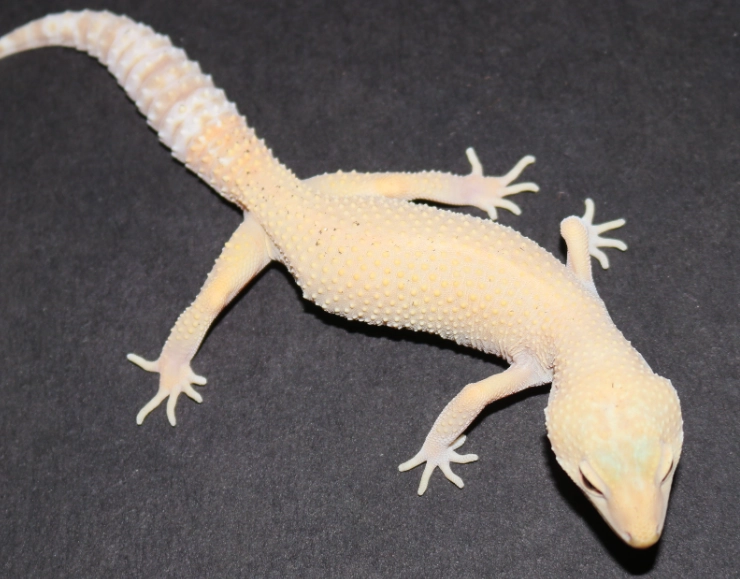
Albino Leopard Gecko Genetics Explained: A Beginner's Guide to Recessive Genes, Dominance, and Inheritance Patterns
To understand the rarity of albino leopard geckos, it's essential to have a basic grasp of the genetics behind their unique coloration. Albino leopard geckos are not a single genetic mutation but rather a complex of multiple genetic loci, each of which can produce different degrees of albinism, ranging from complete loss of melanin (leucism) to partial reduction (amelanism).
The primary genetic mutations responsible for albinism in leopard geckos are:
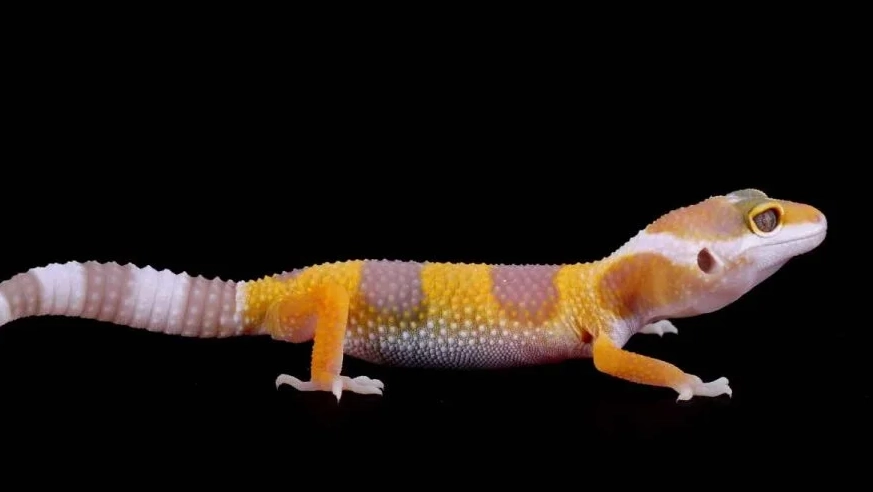
- Tremper Albino: A recessive gene affecting tyrosinase, leading to a complete lack of melanin and resulting in a white-and-yellow or yellow-and-black pattern.
- Rainwater Albino: Another recessive tyrosinase mutation that produces a distinct pattern, often characterized by a white-and-yellow or yellow-and-black coloration with dark spots.
- Bell Albino: A line-bred recessive trait that results in a unique pattern, often with a white-and-yellow or yellow-and-black coloration with dark spots.
These genetic mutations are inherited in a Mendelian fashion, meaning that both parents must carry the mutated allele for the trait to be expressed in their offspring. However, the expression of these mutations can be influenced by a variety of factors, including:
- Environmental Factors: Temperature, humidity, and lighting conditions can all affect the expression of albino genes in leopard geckos.
- Genetic Drift: Random changes in gene frequencies over time can also influence the expression of albino traits.
- Selective Breeding: The intentional selection of specific traits by breeders can further shape the expression of albinism in subsequent generations.
In practice, this means that the rarity of albino leopard geckos is not solely determined by the frequency of the recessive gene in the population but also by the interplay of these genetic and environmental factors. For example, a breeder may selectively breed for a specific pattern or coloration, which can inadvertently increase the frequency of the albino gene in their breeding stock, leading to a higher prevalence of albinism in their offspring.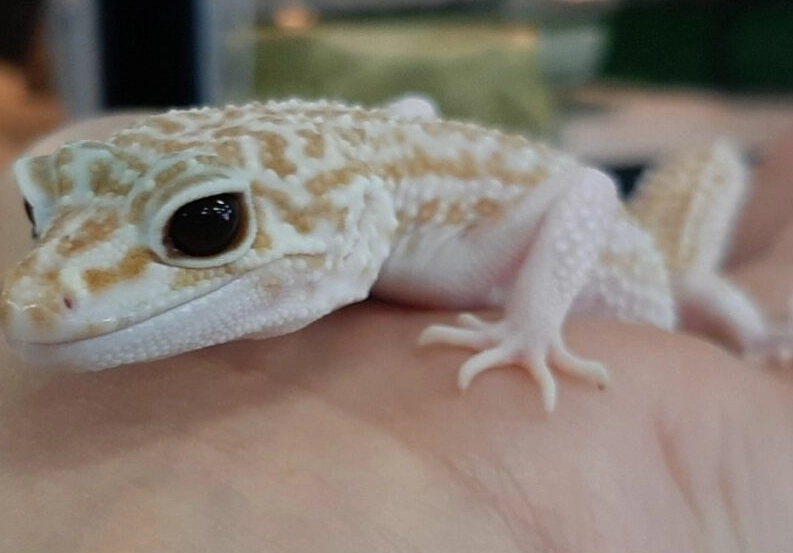
How to Identify an Albino Leopard Gecko: Key Visual Cues and Characteristics
Identifying an albino leopard gecko can be challenging, especially for beginners, due to the wide range of patterns and colorations that can occur within this morph. However, there are several key visual cues and characteristics that can help you distinguish an albino leopard gecko from other morphs:
- Eye Color: Albino leopard geckos typically have red or pink eyes, which is a result of the lack of melanin in the iris. This is in contrast to non-albino morphs, which usually have dark or black eyes.
- Skin Pattern: Albino leopard geckos often exhibit a distinct pattern, such as a white-and-yellow or yellow-and-black coloration with dark spots. This pattern can vary widely, from a complete lack of melanin (leucism) to partial reduction (amelanism), leading to a wide range of possible patterns.
- Body Coloration: The body coloration of albino leopard geckos can range from a pure white to a yellow or orange hue, often with a distinct pattern of dark spots or stripes. This coloration is a result of the specific genetic mutation and its expression in the individual gecko.
How Much Does an Albino Leopard Gecko Cost? A Comprehensive Price Guide for Albino Leopard Gecko Morphs
The price of an albino leopard gecko can vary widely depending on several factors, including morph type, lineage, color intensity, pattern, age, size, and breeder reputation. As of 2023, the average price for an albino leopard gecko morph ranges from around $80 to $500 for standard morphs, while rarer or more visually striking morphs can command prices from $500 up to $2,500 or even higher for premium specimens with exceptional genetics, lineage, or coloration.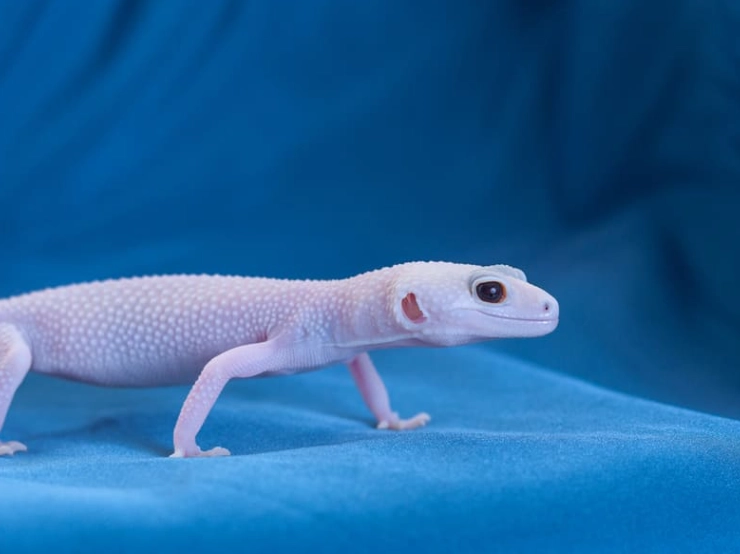
To provide a clearer picture of the market dynamics, here's a breakdown of the typical price ranges for different albino leopard gecko morphs categories based on their rarity, demand, and breeder reputation:
| Morph Category | Average Price Range (USD) | Price Range for Premium Specimens (USD) |
|---|---|---|
| Standard Tremper Albino | $80 - $300 | $300 - $800+ |
| Rainwater Albino | $100 - $350 | $350 - $1,200+ |
| Bell Albino | $120 - $400 | $400 - $1,500+ |
| Rare or Exotic Morphs (e.g., Super Hypo Tangerine, Carrot Tail, Enigma) | $200 - $600 | $600 - $2,500+ |
It's important to note that these price ranges are approximate and can fluctuate based on market conditions, breeder reputation, and other factors. For example, a breeder with a strong reputation for producing high-quality albino leopard geckos may charge a premium for their specimens, while a less reputable breeder may offer lower prices but with potential risks to the gecko's health or genetics.
Factors Influencing Albino Leopard Gecko Prices
Several key factors can influence the price of an albino leopard gecko, including:
- Morph Type: The specific genetic mutation responsible for the albino trait can significantly impact the price. For instance, the Tremper Albino is generally considered the most expensive due to its rarity, while the Rainwater Albino and Bell Albino are relatively more affordable.
- Lineage: The lineage of the gecko, including its parents, grandparents, and any notable ancestors, can also affect the price. Geckos from well-known or champion bloodlines often command higher prices due to their proven genetics and potential for producing high-quality offspring.
- Color Intensity: The intensity and saturation of the gecko's coloration can also influence the price. Geckos with more vibrant, saturated, or unique color patterns are typically more valuable than those with duller or less distinct patterns.
- Pattern: The specific pattern or markings on the gecko's skin can also contribute to its value. For example, geckos with distinct, symmetrical, or rare patterns, such as the Super Hypo Tangerine or Carrot Tail, are often more sought after and command higher prices.
Caring for Your Albino Leopard Gecko: Essential Health, Habitat, and Diet Tips for Optimal Well-being
Caring for an albino leopard gecko requires a comprehensive understanding of their unique health, habitat, and dietary needs due to their albinism. Albino leopard geckos are more susceptible to certain health issues, such as vision problems, skin sensitivity, and metabolic disorders, which can necessitate specialized care and attention.
To ensure the optimal health and well-being of your albino leopard gecko, consider the following essential tips:
- Health: Regular veterinary check-ups are crucial for monitoring the overall health of your albino leopard gecko, especially for detecting any potential vision problems early. Albino leopard geckos are more prone to developing cataracts, a clouding of the lens that can lead to blindness if left untreated. Therefore, it's essential to schedule annual eye exams with a qualified reptile veterinarian.
- Habitat: Albino leopard geckos require a specific habitat setup to thrive, including appropriate temperature, humidity, and lighting conditions. The ideal temperature gradient for their enclosure should range from 75°F to 88°F (24°C to 31°C) on the warm side and 70°F to 75°F (21°C to 24°C) on the cool side. Humidity levels should be maintained between 30% and 50%, while lighting should be provided for 12 to 14 hours per day, mimicking their natural diurnal cycle.
- Diet: A balanced diet is essential for the health and longevity of your albino leopard gecko. Their diet should consist primarily of live insects, such as crickets, mealworms, and waxworms, supplemented with a variety of fruits and vegetables. It's recommended to feed them every other day, with a portion size that is approximately the same length as their head. Avoid feeding them too large or too small prey items, as this can lead to digestive issues or malnutrition.
In addition to their basic dietary needs, albino leopard geckos may also require additional supplements or vitamins to support their overall health and well-being. Consult with a qualified reptile veterinarian or a reputable breeder for specific recommendations based on your gecko's individual needs and health status.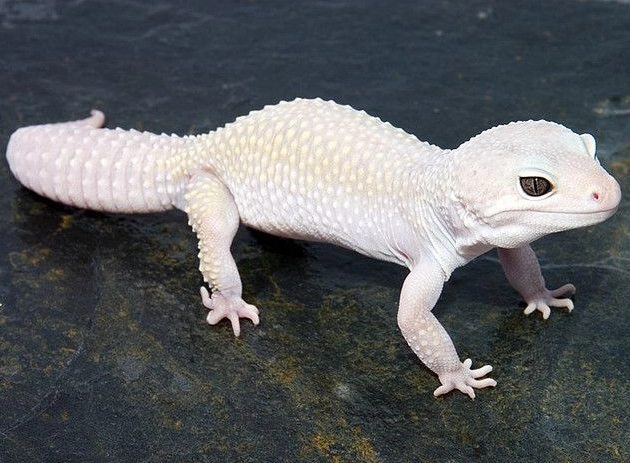
Common Health Issues in Albino Leopard Geckos and How to Prevent Them
Albino leopard geckos are more susceptible to certain health issues due to their lack of melanin, which can affect their immune system, vision, and overall health. Some of the most common health issues in albino leopard geckos include:
- Vision Problems: Albino leopard geckos are more prone to developing cataracts, a clouding of the lens that can lead to blindness if left untreated. Regular eye exams with a qualified reptile veterinarian are essential for early detection and treatment.
- Skin Sensitivity: Albino leopard geckos are more sensitive to UV light, which can lead to sunburn, skin irritation, and other skin issues. It's crucial to provide them with appropriate UV lighting and to avoid exposing them to direct sunlight or other sources of UV radiation.
- Metabolic Disorders: Albino leopard geckos are more prone to developing metabolic disorders, such as obesity, diabetes, and other health issues. A balanced diet, regular exercise, and proper care are essential for maintaining their overall health and well-being.
In conclusion, the rarity of albino leopard geckos is a complex interplay of genetic, environmental, and other factors. By understanding the genetics behind their albino traits, the factors that contribute to their rarity, and the essential care tips for their optimal health and well-being, you can make an informed decision about whether this stunning reptile is the right pet for you.
If you're still unsure, consider consulting with a qualified reptile veterinarian or a reputable breeder for more personalized advice and recommendations based on your specific needs and circumstances. Remember, the health and well-being of your albino leopard gecko are your top priorities.
How to Breed Albino Leopard Geckos Successfully: A Step-by-Step Guide for Beginners
Breeding albino leopard geckos successfully requires a comprehensive understanding of their genetics, health, and care. In this step-by-step guide, we'll explore the essential steps and considerations for breeding albino leopard geckos, from selecting the right parents and setting up the breeding environment to monitoring the eggs and caring for the hatchlings.
Step 1: Selecting the Right Parents for Your Albino Leopard Gecko Breeding Program
The first step in breeding albino leopard geckos is to select the right parents. The parents should be healthy, well-nourished, and free from any genetic defects or health issues. They should also be of the same morph type, as breeding different morphs can lead to unpredictable results and potentially harmful genetic combinations.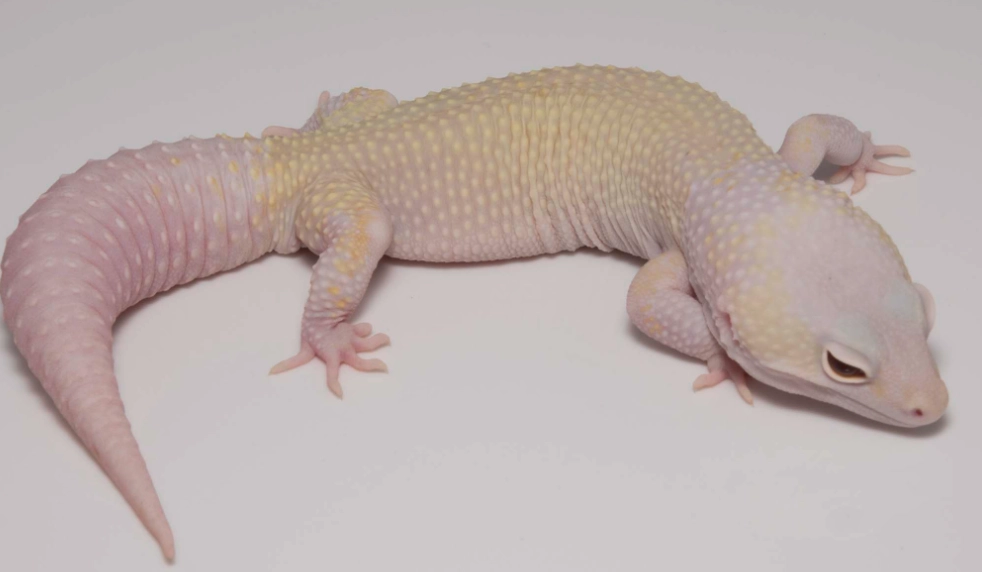
For example, if you're breeding a Tremper Albino with a Rainwater Albino, the resulting offspring may not express the albino trait, or they may exhibit a combination of both morphs, leading to a wide range of possible patterns and colorations. Therefore, it's crucial to select parents that are of the same morph type and that have been proven to produce high-quality offspring.
Step 2: Setting Up the Breeding Environment for Your Albino Leopard Geckos
Once you've selected the right parents, the next step is to set up the breeding environment. The breeding environment should be clean, well-ventilated, and free from any potential hazards or stressors. It should also provide the appropriate temperature, humidity, and lighting conditions for the geckos to thrive and reproduce successfully.
For albino leopard geckos, the ideal breeding environment should include:
- Temperature Gradient: The temperature gradient for the breeding enclosure should range from 75°F to 88°F (24°C to 31°C) on the warm side and 70°F to 75°F (21°C to 24°C) on the cool side. This gradient mimics their natural diurnal cycle and helps to regulate their metabolism and activity levels.
- Humidity Levels: The humidity levels should be maintained between 30% and 50%, which is essential for their skin health and hydration. Too high or too low humidity can lead to skin issues, respiratory problems, and other health issues.
- Lighting: Appropriate lighting is crucial for the geckos' vision, activity levels, and overall well-being. It's recommended to provide them with a UVB light source for 12 to 14 hours per day, which mimics their natural diurnal cycle and helps to prevent metabolic disorders.
In addition to these basic requirements, you may also need to consider additional factors, such as providing a suitable substrate for the geckos to lay their eggs, setting up a nesting box for the female to lay her eggs, and monitoring the eggs' development and hatching process. It's also essential to provide the geckos with a balanced diet, regular exercise, and proper care to maintain their overall health and well-being.
Step 3: Monitoring the Eggs and Caring for the Hatchlings of Your Albino Leopard Geckos
After the breeding environment has been set up, the next step is to monitor the eggs and care for the hatchlings. The eggs should be incubated at a constant temperature of around 82°F to 86°F (28°C to 30°C) and a humidity level of around 80% to 90% for optimal development and hatching.
During the incubation period, it's crucial to monitor the eggs regularly for any signs of problems or issues, such as:
- Cracking or Deformation: If the eggs start to crack or deform, it may indicate that they are not developing properly or that they are under too much stress. It's essential to address these issues promptly to prevent further damage or loss.
- Mold or Fungal Growth: If mold or fungal growth appears on the eggs, it can indicate that they are contaminated or that they are not developing properly. It's crucial to remove any affected eggs immediately to prevent the spread of the infection to the other eggs.
- Temperature Fluctuations: If the temperature fluctuates too much, it can affect the eggs' development and lead to poor hatching rates or other issues. It's essential to maintain a stable temperature and humidity level throughout the incubation period.
In conclusion, breeding albino leopard geckos successfully requires a comprehensive understanding of their genetics, health, and care. By following these essential steps and considerations, you can increase your chances of producing healthy, vibrant, and high-quality offspring that will thrive in their new environment.
If you're still unsure, consider consulting with a qualified reptile veterinarian or a reputable breeder for more personalized advice and recommendations based on your specific needs and circumstances. Remember, the health and well-being of your albino leopard geckos are your top priorities.
Reader Comments