Let's cut to the chase. If you're asking which tarantulas are most aggressive, you're probably thinking about speed, threat postures, and a willingness to bite. The short answer is: look to the Old World species from Africa and Asia. Tarantulas like the Indian Ornamental, various Baboon Tarantulas (like the Orange Babbon), and the Cobalt Blue are famous for their defensive, fast, and sometimes hair-trigger temperaments. But here's the crucial nuance most lists miss—"aggression" is often a misnomer. These spiders are almost always acting in defense, not launching unprovoked attacks. Understanding this distinction is the first step to keeping them safely.
Quick Guide: What You'll Find Here
Understanding "Aggression" in Tarantulas
Calling a tarantula "aggressive" makes it sound like it hunts keepers for sport. That's not it. In the tarantula hobby, an "aggressive" or, more accurately, a highly defensive or skittish species is one with a low tolerance for perceived threats. Their first instinct isn't to hide; it's to stand their ground and warn you off.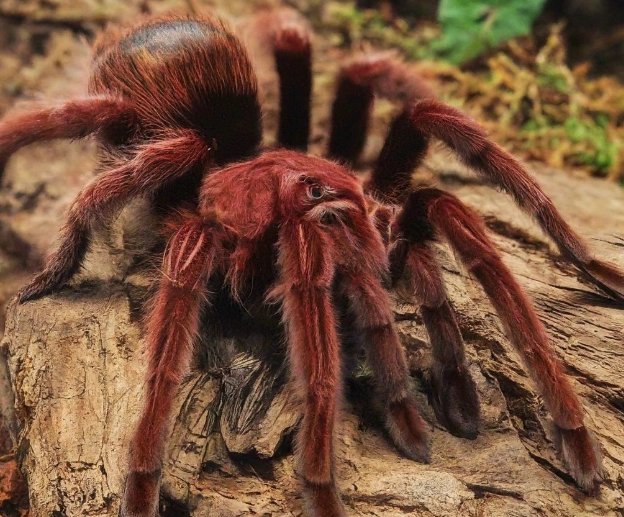
Think of it this way. A docile New World species like a Mexican Redknee might just amble away if you disturb it. An Old World defensive species? It will likely pivot to face you, rear up into a threat posture showing its fangs, and slap the ground. It's saying "BACK OFF" in the clearest spider language possible. The next step, if the "threat" continues, is a lightning-fast bite or a bolt for freedom. Their speed is what catches most new keepers off guard. They don't walk, they teleport.
Top 5 Most Defensive Tarantula Species
Based on keeper reports, biological studies from sources like the American Arachnological Society, and my own two decades in the hobby, these five consistently top the list for defensive behavior. Remember, individual temperament varies, but these have earned their reputation.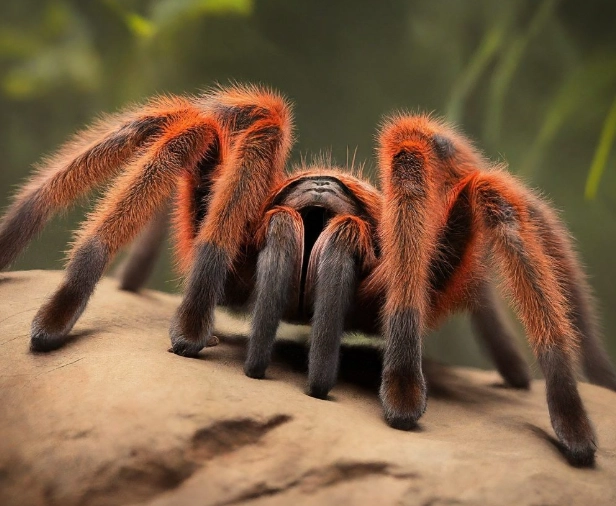
| Species (Common Name) | Scientific Name | Origin | Key Defensive Traits | Experience Level Required |
|---|---|---|---|---|
| Indian Ornamental | Poecilotheria regalis | India | Extremely fast, nervous, will bite with little hesitation if cornered. Known for defensive postures. | Expert Only |
| Orange Baboon Tarantula (OBT) | Pterinochilus murinus | Africa | Infamous "Orange Bitey Thing." Highly defensive, fast, and will readily assume a threat posture. Notoriously hardy. | Advanced to Expert |
| Cobalt Blue Tarantula | Cyriopagopus lividus | Myanmar/Thailand | Incredibly fast, fossorial (burrowing), and prone to bolting. Rarely seen, but lightning-quick when disturbed. | Advanced to Expert |
| Singapore Blue Tarantula | Omothymus violaceopes | Singapore/Malaysia | Blinding speed, large size, and potent venom. More likely to flee but will defend its burrow fiercely. | Expert Only |
| Mombasa Golden Starburst | Heteroscodra maculata | West Africa | Unpredictable and fast. Known for "teleporting" out of enclosures and delivering a medically significant bite. | Expert Only |
That table gives you the basics, but let me add some color you won't find on a fact sheet.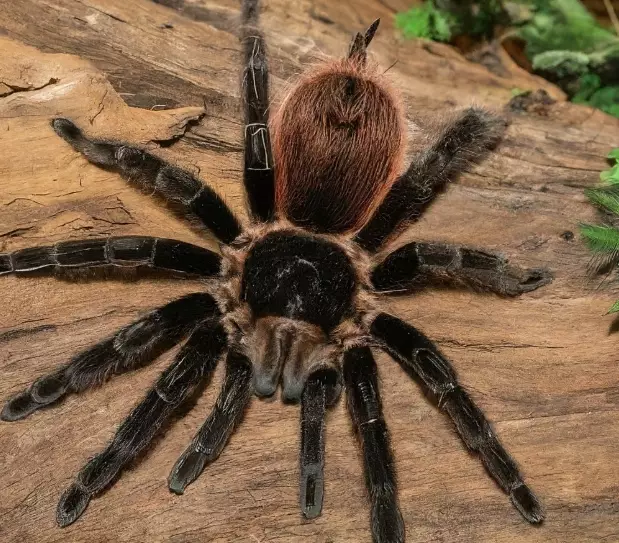
The Orange Baboon (OBT) is a classic case. I got my first one years ago, thinking the warnings were exaggerated. I wasn't prepared for how constantly defensive it was. Just walking past the tank would sometimes trigger a threat posture. Rehousing it was a two-person, heart-pounding operation. They're not evil, they're just perpetually convinced everything is trying to eat them.
The Cobalt Blue is different. It's a ghost. You'll see its beautiful blue legs flash at the entrance of its burrow at 2 AM, but during maintenance? It's a brown blur vanishing into the depths. The danger isn't a standing fight; it's a panicked escape up your arm if you startle it during an enclosure check.
A Note on Venom
All tarantulas have venom. Old World species like these often possess venom that is more potent to humans than their New World cousins. A bite is rarely life-threatening to a healthy adult (think severe muscle cramps, localized pain, nausea for hours or days), but it's a seriously unpleasant medical event. This isn't a bee sting. You should seek medical attention for any Old World bite. The psychological effect of being bitten by your own pet spider is also not trivial.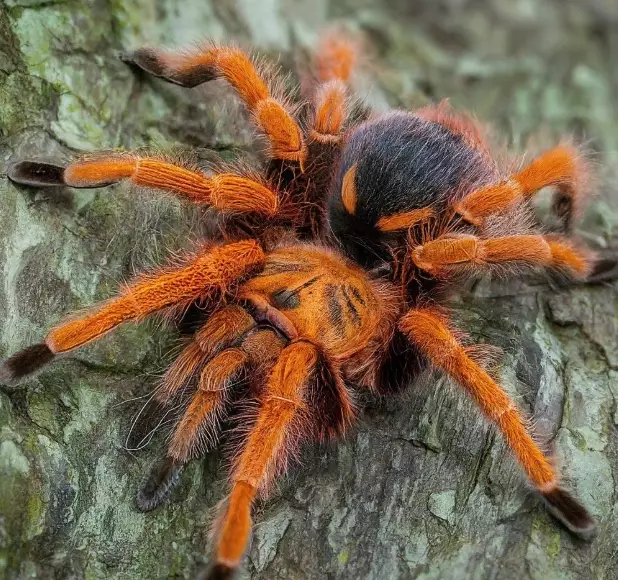
Why Are These Tarantulas So Defensive?
It's not malice. It's ecology and evolution.
These species primarily hail from regions in Africa and Asia with significant predator pressure—birds, mammals, other spiders. They didn't evolve the "kick hairs" defense mechanism common in New World species (those irritating urticating hairs). Without that first line of long-range defense, their options are limited: run or fight.
Evolution favored speed, potent venom to quickly substitute prey (and deter predators), and a low threshold for triggering the fight response. In a dense jungle or arid savanna, hesitation means death. That ingrained survival instinct doesn't switch off in a terrarium in your living room. The vibration from your footsteps, the shadow of your hand, the opening of the lid—their primitive brain interprets all of it as a potential predator attack.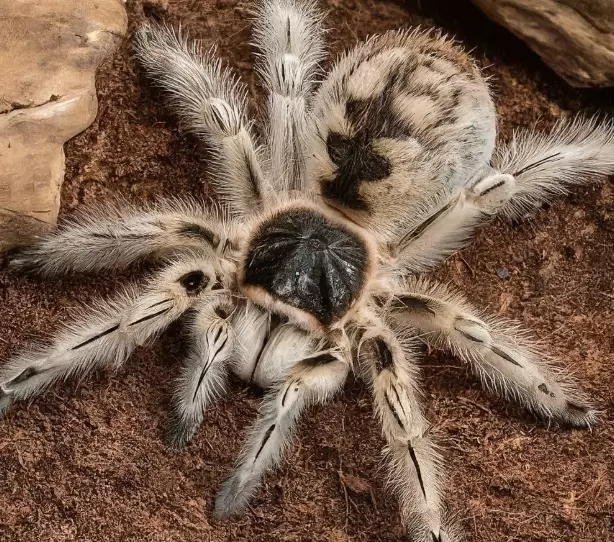
How to Keep Defensive Tarantulas (Safely)
If you're an experienced keeper drawn to these fascinating animals, safety is non-negotiable. Here’s the protocol.
1. The Enclosure is a Fortress. This is the most important point. The enclosure must be escape-proof. Not "mostly secure." Escape-proof. For adult specimens, this means:
- Front-opening enclosures are generally safer than top-opening ones.
- If top-opening, the lid must have secure locks or clips, not just friction fit.
- All ventilation holes must be smaller than the spider's carapace (the hard head/body plate).
- No gaps around doors or hinges.
2. The Setup is Hands-Off. Design the enclosure to minimize the need for you to go inside.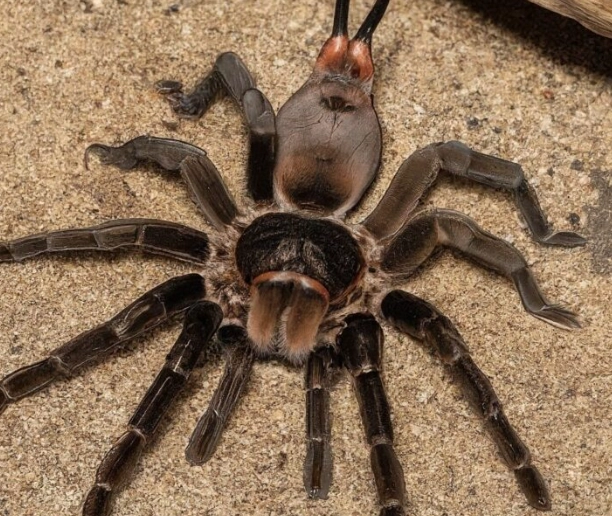
- Use long tweezers (12+ inches) for feeding and removing leftovers.
- Use a water dish that can be filled with a long syringe or turkey baster.
- Choose a substrate that holds burrows well (like a coco fiber/topsoil mix) so you rarely need to fully replace it.
3. The Rehousing Process is a Military Operation. Plan it. Have everything you need ready and within reach before you open the old enclosure:
- Clear a large, empty space (like a bathtub).
- Have the new enclosure set up and open.
- Have multiple large, clear deli cups and sturdy cardboard pieces for guiding.
- Wear gloves (not for bite protection, but to avoid startling scents and for a better grip).
- Have a second person to assist. One to guide, one to manage containers.
4. Respect the Animal. Move slowly and deliberately. Avoid sudden movements or breathing directly into the enclosure. Understand that a threat posture is a communication. If you see it, stop what you're doing, close the enclosure, and try again later. Pushing past that warning is asking for a bite.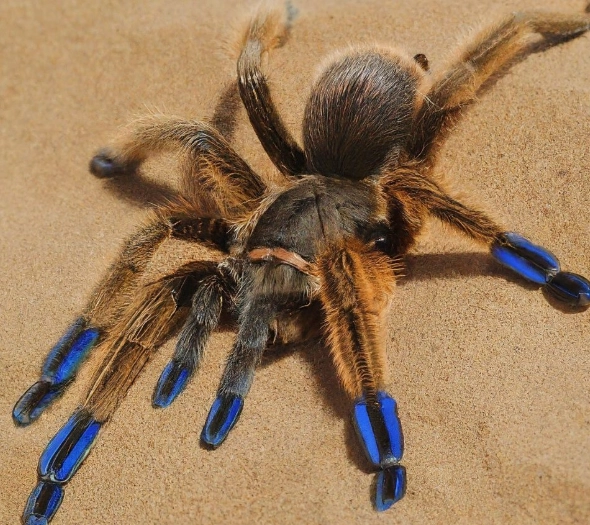
Reader Comments