I remember the first time I saw a Goliath birdeater (Theraphosa blondi) in person. It wasn't in a nature documentary, but in the back room of a serious breeder. The spider was in a large terrarium, and its sheer presence was overwhelming. You don't just see it; you feel its size. Your brain struggles to process a spider with a leg span wider than a dinner plate. This experience cemented the answer to a common question: the biggest breed of tarantula in the world is, without a doubt, the Goliath birdeater from the rainforests of South America.
But "biggest" can be misleading. Everyone focuses on the leg span, and yes, it's staggering—up to 11 inches (28 cm). However, where the Goliath truly dominates is in mass. It's the heaviest tarantula on Earth. Think of a dense, furry potato with legs. This distinction matters, not just for bragging rights, but for understanding what it takes to care for such a creature.
What's Inside This Guide
What Exactly Makes the Goliath Birdeater So Big?
Let's get specific, because vague claims are useless. The largest tarantula title hinges on two measurements: leg span and body mass.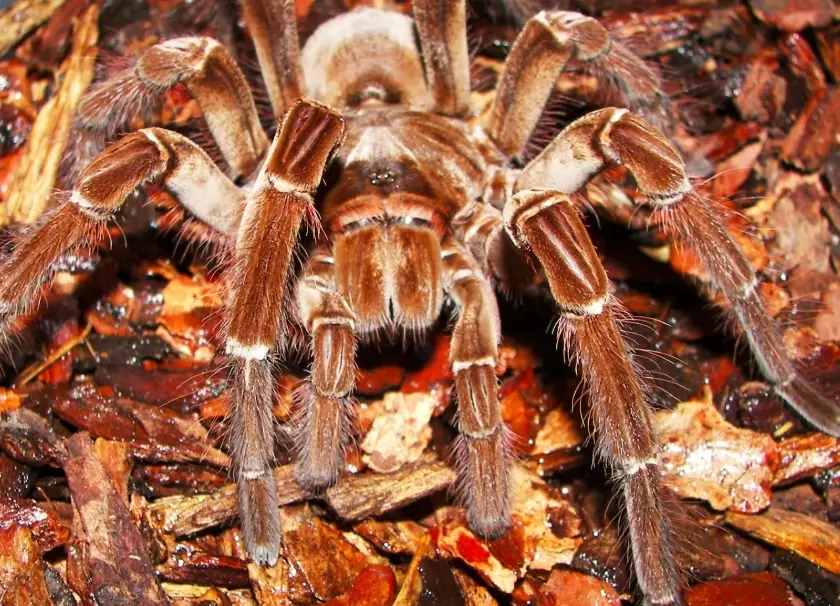
A verified, record-holding Goliath had a leg span of 11 inches. That's from the tip of the back left leg to the tip of the front right leg. In your home, an adult specimen will typically span 9-10 inches. Its body alone can be over 4.5 inches long.
Now, the mass. An adult female can weigh over 6 ounces (170 grams). To put that in perspective, that's heavier than a young hamster. You feel the weight when you (carefully) move its enclosure. This bulk isn't just for show. In the wild, it allows them to take down substantial prey, from large insects to small vertebrates.
The Leg Span Debate and a Common Mistake
Here's a nuance most care sheets miss. People often measure leg span incorrectly, stretching the legs out artificially. A tarantula's natural, relaxed stance is what counts. A Goliath's legs are thick and powerful, not spindly. When it sits, it occupies space with authority.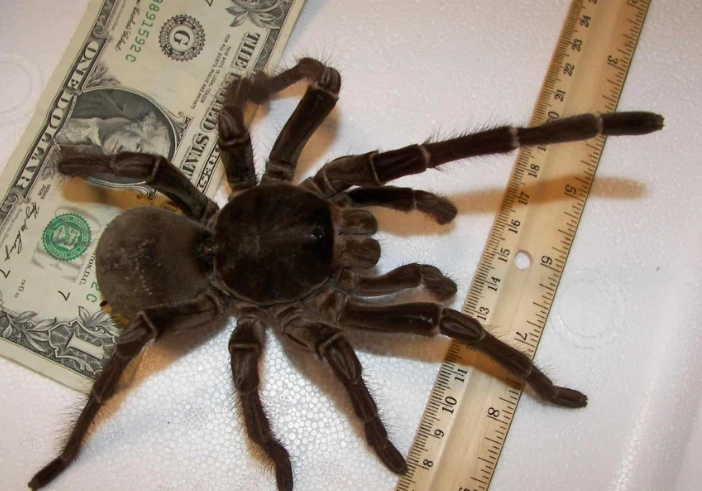
Another thing beginners get wrong? They see "biggest" and think "fastest" or "most aggressive." Not true. Goliaths are actually quite slow-moving and deliberate due to their size. Their primary defense isn't a lightning-fast bite; it's something far more irritating, which we'll get to.
The Birdeater Myth: What Does It Really Eat?
The name Goliath birdeater comes from an 18th-century engraving by Maria Sibylla Merian that showed one eating a hummingbird. It's a fantastic image that stuck, but it's not a staple diet.
In reality, they are opportunistic ground hunters. Their menu in the wild includes:
- Earthworms (a major food source in the damp forest floor)
- Large insects like beetles and katydids
- Occasionally, small frogs, lizards, or mice
In captivity, you're not feeding it birds. A diet of large roaches (like dubia or discoid), superworms, and the occasional pre-killed pinky mouse for breeding females is standard. I knew a keeper whose adult female would eat 3-4 large dubia roaches in one sitting, then not eat again for two weeks.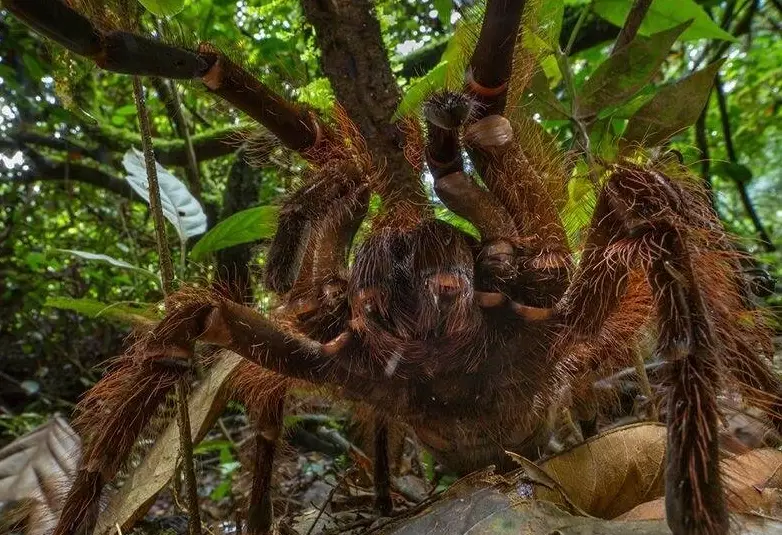
Fun Fact (with a warning): Goliath birdeaters are one of the few tarantulas that can produce an audible hissing sound, called stridulation. They rub hairs on their legs together. It's a startling defense mechanism meant to deter predators. If you hear it, it's a clear sign the spider is stressed.
The Reality of Caring for a Giant Tarantula
This is where the fantasy of owning the biggest tarantula crashes into reality. It's not a pet for admiration from afar; it's a major commitment with specific, non-negotiable needs.
Housing: Think Big and Deep
A small terrarium won't cut it. An adult needs a tank with a large footprint—a 20-gallon long aquarium is a good minimum. Height is a hazard; these are heavy-bodied spiders that can be injured in a fall. The most critical element is substrate depth. They are avid burrowers and need 8-10 inches of moist (not wet) peat moss or coconut fiber to dig in and regulate humidity.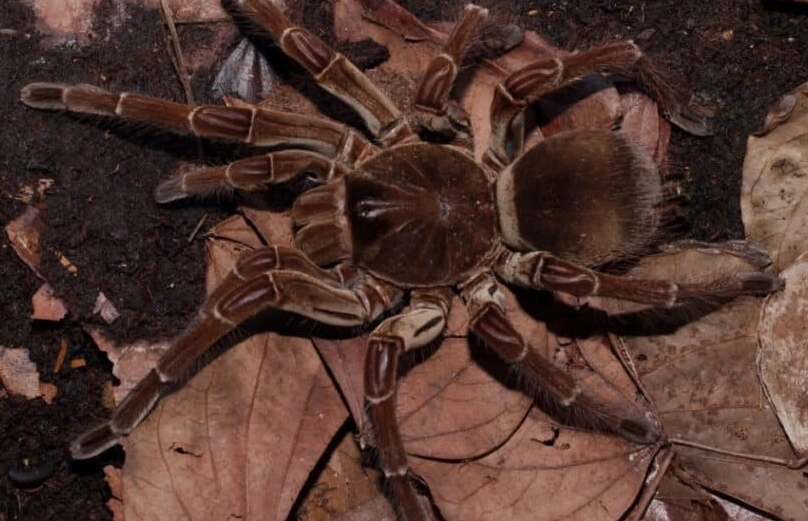
The Humidity Trap
This is the #1 killer of captive Goliaths. They require 70-80% humidity. Too dry, and they struggle to molt, often fatally. Too wet, and you breed mold and bacteria. Maintaining this balance in a large, ventilated enclosure is a daily task. A large, shallow water dish and partial, careful misting are essential. I use a digital hygrometer in every corner of the tank.
That Other Defense Mechanism
Everyone worries about the bite. The venom is mild. The real issue is their urticating hairs. When threatened, they use their back legs to kick a cloud of microscopic, barbed hairs from their abdomen. These hairs cause intense itching, rashes, and serious respiratory and eye irritation if inhaled. Cleaning their enclosure requires gloves, a mask, and goggles. This isn't a spider you handle casually, if at all.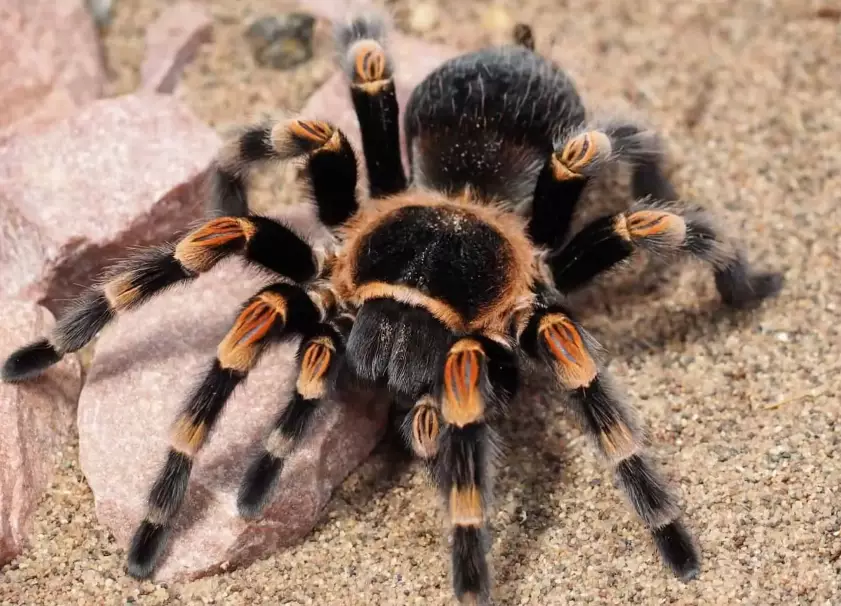
Other Contenders for the 'Biggest' Title
While the Goliath birdeater holds the crown for mass, a few others compete in the leg span department. It's like comparing basketball players to football players—different kinds of big.
| Tarantula Species | Common Name | Max Leg Span | Key Distinction |
|---|---|---|---|
| Theraphosa blondi | Goliath Birdeater | Up to 11 in (28 cm) | Heaviest/Bulkiest. The undisputed champion in mass and overall size. |
| Lasiodora parahybana | Brazilian Salmon Pink | Up to 10 in (25 cm) | Fast grower, often cited as "largest" due to availability. Less bulky than Goliath. |
| Hysterocrates gigas | Cameroon Red Baboon | 8-9 in (20-23 cm) | Heavy-bodied Old World species. Not for beginners—defensive and potent venom. |
| Poecilotheria species | Ornamental Tarantulas | 7-8 in (18-20 cm) | Leggy and slender. Renowned for vibrant patterns and fast, defensive nature. |
The Brazilian salmon pink is the one you'll most often see compared to the Goliath. It's a fantastic spider, grows incredibly fast, and is more readily available in the pet trade. But side-by-side, an adult Goliath has a denser, more imposing physique.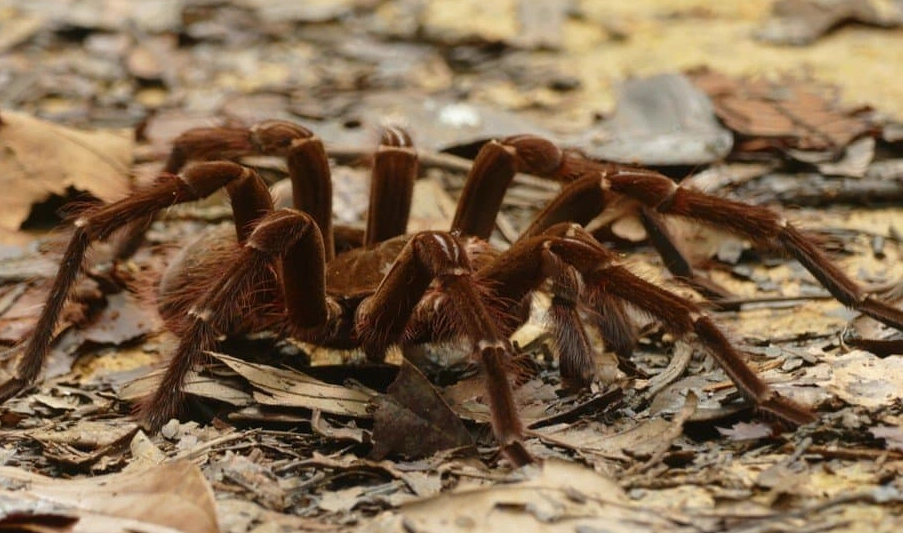
Your Goliath Birdeater Questions Answered
Is the Goliath birdeater a dangerous pet?
How do you properly house and care for a giant tarantula like the Goliath?
Can a beginner tarantula keeper handle a Goliath birdeater?
What do you actually feed a spider this large, and how often?
So, there you have it. The biggest breed of tarantula is a natural marvel, the Goliath birdeater. It's a creature that commands respect through sheer physicality. Owning one is less about handling a cool pet and more about curating a specific slice of a South American rainforest in your home. It's a fascinating, challenging, and deeply rewarding endeavor—but only if you go in with your eyes wide open to the reality behind the record-breaking size.
If you're captivated by giants but new to the hobby, start smaller. Learn the fundamentals. The world of tarantulas is vast and wonderful, and there's a perfect spider for every level of experience. The Goliath isn't going anywhere; it'll still be the heavyweight champion when you're ready.
Reader Comments