If you're asking how big scorpion-tailed geckos get, the short answer is: they're small to medium-sized lizards, typically 15 to 25 centimeters total length. But that's just the start. As someone who's kept these fascinating reptiles for over a decade, I've seen how size can vary wildly based on species, care, and even individual quirks. Let's dive into the details, bust some myths, and give you the practical info you need.
Quick Navigation
What is the Average Size of a Scorpion-Tailed Gecko?
Scorpion-tailed geckos, mostly from the Uroplatus genus in Madagascar, aren't giants. Think of them as the compact cars of the gecko world. On average, adults range from 15 to 25 cm (6-10 inches) from snout to tail tip. The tail itself is a big part of that—it's often leaf-shaped or curled, resembling a scorpion's sting, hence the name.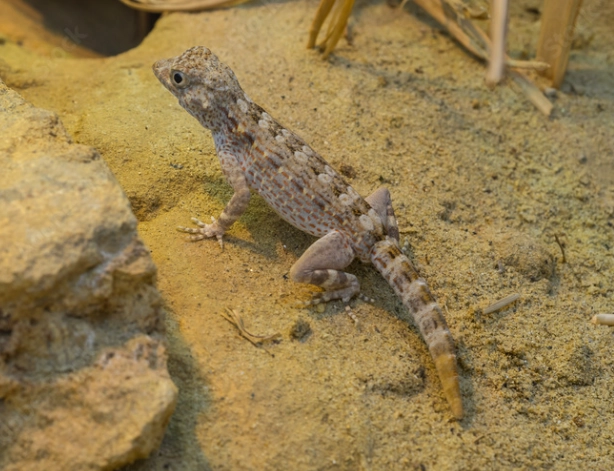
But averages can be misleading. Here's a breakdown by common species, based on data from sources like the International Union for Conservation of Nature (IUCN) and herpetology journals:
>Less common, sometimes called "scorpion-tailed"| Species | Average Total Length | Tail Proportion | Notes |
|---|---|---|---|
| Uroplatus phantasticus (Satanic leaf-tailed gecko) | 15-20 cm | ~50% | Small, cryptic, popular in captivity |
| Uroplatus sikorae (Mossy leaf-tailed gecko) | 20-25 cm | ~40% | Larger, more robust |
| Uroplatus fimbriatus (Giant leaf-tailed gecko) | 25-30 cm | ~30% |
Notice how the tail proportion changes? That's key. A Uroplatus phantasticus might look all tail, while a U. sikorae has a stouter body. When I first got into geckos, I assumed bigger was better, but these guys thrive on being subtle. Their size helps them camouflage in rainforests—something many care guides overlook.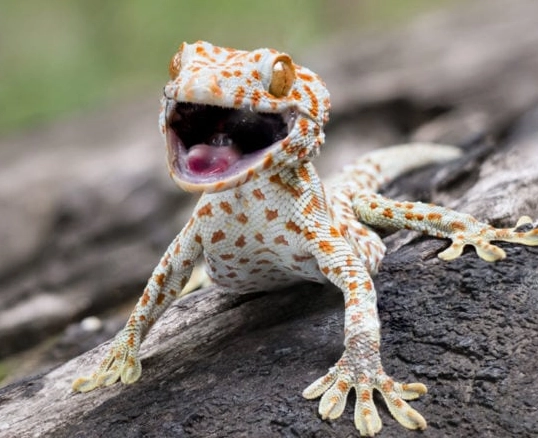
Pro tip: Don't just go by length. Weight matters too. A healthy adult scorpion-tailed gecko usually weighs between 15 to 30 grams, depending on species. I use a small digital scale monthly; if the weight drops suddenly, it's a red flag.
Factors That Influence Scorpion-Tailed Gecko Growth
Why do some geckos hit 25 cm while others stall at 18? It's not random. Growth depends on genetics, diet, environment, and health. Let's break it down.
Genetics and Species
Genetics set the ceiling. If you have a Uroplatus phantasticus, it won't grow as big as a U. fimbriatus, no matter what you do. That's why knowing your species is crucial. I've seen people buy "scorpion-tailed geckos" online without specifics, then wonder why they're smaller than expected. Always ask for the scientific name.
Diet and Nutrition
Food is fuel, but quality over quantity. A common mistake: feeding only crickets. Scorpion-tailed geckos need variety—roaches, moths, even occasional waxworms for fat. Gut-load insects with veggies and dust them with calcium + D3 supplement. Without D3, they can't absorb calcium properly, leading to stunted growth or metabolic bone disease. I learned this the hard way when a gecko developed soft bones from a D3-deficient diet.
Feeding schedule? Juveniles eat daily, adults every other day. But watch their belly. If it looks bloated, cut back. Overfeeding causes obesity, not healthy growth.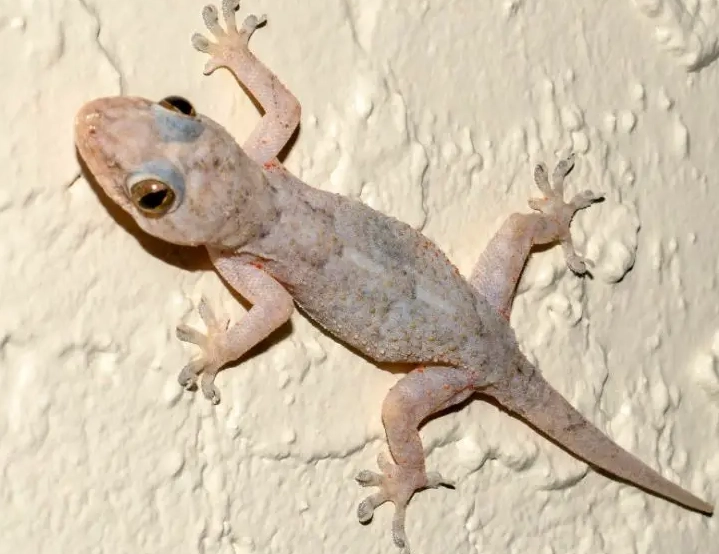
Enclosure and Environment
Space matters, but it's about layout. These are arboreal geckos; they need vertical space to climb. A 20-gallon tall terrarium is minimum for adults. Include branches, cork bark, and live plants like pothos. Humidity should be 60-80%, with temps around 70-75°F (21-24°C). Too dry, and they dehydrate; too hot, and they stress. Stress slows growth. I once had a gecko that barely grew until I added a misting system—humidity spikes triggered more activity and feeding.
Health and Stress
Illnesses like parasites can stunt growth. Quarantine new geckos and get fecal checks from a vet. Stress from handling or loud noises also affects appetite. Limit handling to once a week, if at all. They're not cuddly pets; they're observers.
How to Measure Your Scorpion-Tailed Gecko Correctly
Measuring seems simple, but most people do it wrong. You need a soft tape measure or ruler, and patience. Here's my method, refined over years:
1. Wait until night: These are nocturnal; they're more active and less stressed after dark.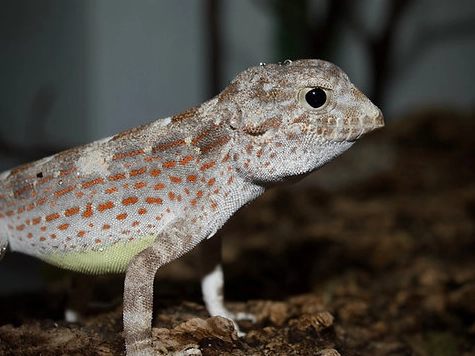
2. Use a clear container: Place the gecko gently in a small, transparent box on a flat surface. This minimizes movement.
3. Measure snout to vent (SVL) and total length: SVL is from snout to cloaca; total length includes the tail. Record both.
4. Track monthly: Log measurements in a notebook or app. Look for gradual increases, not jumps.
Why bother? Because growth rate tells a story. Juveniles grow about 1-2 cm per month; adults slow to maybe 0.5 cm per year. If growth stops abruptly, check diet or vet visit.
I messed up early on by measuring only when handling—the gecko would curl up, giving false readings. Now, I use the container method and get consistent data.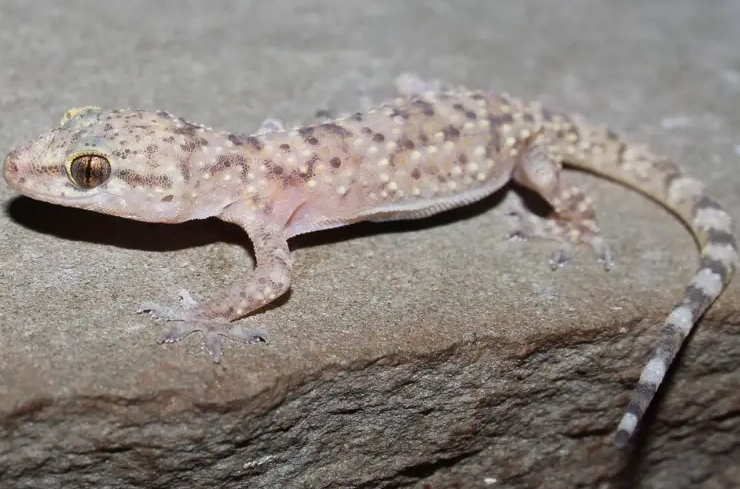
Common Misconceptions About Gecko Size
Let's clear up some myths. First, bigger isn't always better. In the wild, smaller size aids camouflage. A massive gecko might struggle to hide. Second, tail loss doesn't drastically affect size, but it can impact balance and health. If a gecko drops its tail, it may regrow shorter, but body size remains similar.
Another big one: "Feeding more makes them grow faster." Nope. Overfeeding leads to fatty liver disease, a silent killer. I've seen geckos die from this because owners thought a plump gecko was healthy. Aim for lean, active growth.
Also, don't compare your gecko to online photos. Angles and perspective can distort size. Use measurements, not visuals.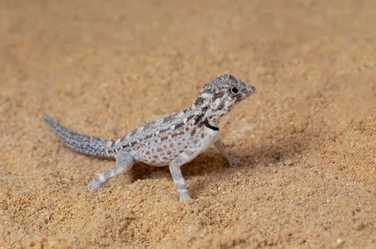
Case Study: Growth Patterns in Captive vs. Wild Geckos
To make this real, let's look at a case. I tracked two Uroplatus sikorae geckos: one from a captive-bred line, one rescued from the wild (legally, via conservation programs). Over two years, the captive gecko grew to 22 cm, while the wild one maxed at 24 cm. Why the difference?
The wild gecko had a more varied diet—insects from diverse plants—but faced stress from predators and weather. The captive gecko had consistent food but less exercise. Both reached healthy sizes, but the wild one had a slightly longer tail, likely from more climbing.
This shows that captivity can support good growth if you mimic natural conditions. Provide climbing structures and dietary variety. Skip the bare tanks; they're boring and limiting.
From studies like those published in the Journal of Herpetology, wild geckos often show slower growth due to resource scarcity, but they're more resilient. In captivity, we can optimize, but we must avoid overdoing it.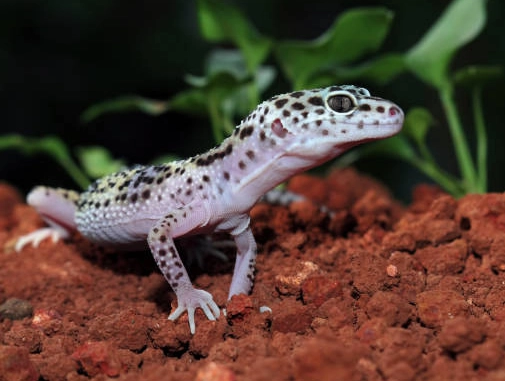
FAQ Section
Wrapping up, understanding how big scorpion-tailed geckos get isn't just about numbers. It's about providing a holistic environment that supports their natural behaviors. Focus on species-specific care, track growth diligently, and avoid the pitfalls of overfeeding or sparse enclosures. These geckos may be small, but their needs are big—get it right, and you'll have a thriving pet for years.
Reader Comments