You're holding your hognose snake, and suddenly it goes stiff, rolls over, and hangs its mouth open. It looks dead. Your heart drops. But wait—this is likely the famous hognose snake playing dead act. It's not a health crisis; it's a spectacular, if somewhat dramatic, survival strategy. This behavior, known as thanatosis, is the snake's final bluff when it feels all other threats have failed. For new owners, it can be alarming. For experienced keepers, it's a fascinating glimpse into reptile psychology. Let's cut through the drama and understand exactly what's happening, why, and most importantly, what you should do about it.
What's Inside: Your Quick Guide
The Dramatic Performance: A Step-by-Step Breakdown
It's not just a simple flop. A full thanatosis display is a multi-act play. I've seen it dozens of times, and the sequence is remarkably consistent. First, the snake will often flatten its neck in a cobra-like hood (a bluff strike pose). If that doesn't work, it might hiss and make mock strikes with a closed mouth. When those theatrics fail to deter the "predator"—which could be you, a curious cat, or even just a sudden shadow—it moves to the grand finale.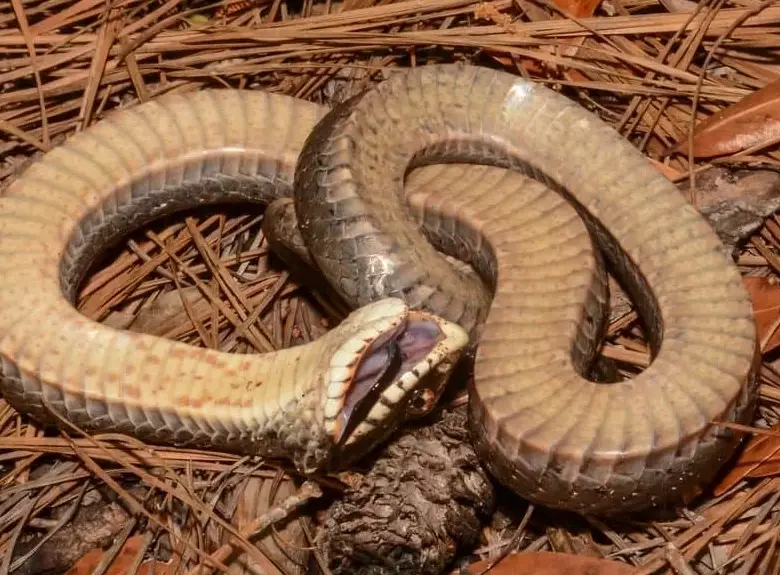
The body convulses slightly, then goes rigid. It rolls onto its back, belly up. This is key—in the wild, most dead animals end up on their backs. The mouth gapes open, sometimes with the tongue lolling out. The final touch? They often release a foul-smelling musk from their cloaca. It's a putrid, last-ditch effort to smell as unappetizing as possible. If you gently turn the snake right-side up, a committed performer will immediately flop back over to maintain the "dead" posture. The act can last from a few minutes to over half an hour.
Why Do Hognose Snakes Play Dead? The Evolutionary Logic
Think about a hognose's natural menu: mostly toads. Many toads secrete toxins through their skin. A predator that eats a toxic toad might get sick, and learn to avoid animals that look or smell like that toad. By playing dead and emitting a foul odor, the hognose is essentially screaming, "I'm a toxic, rotten meal! Don't bother!" It's a brilliant, energy-efficient strategy. Fighting or fleeing uses calories and risks injury. Playing possum? It just requires good acting skills and a strong stomach (from the predator's perspective).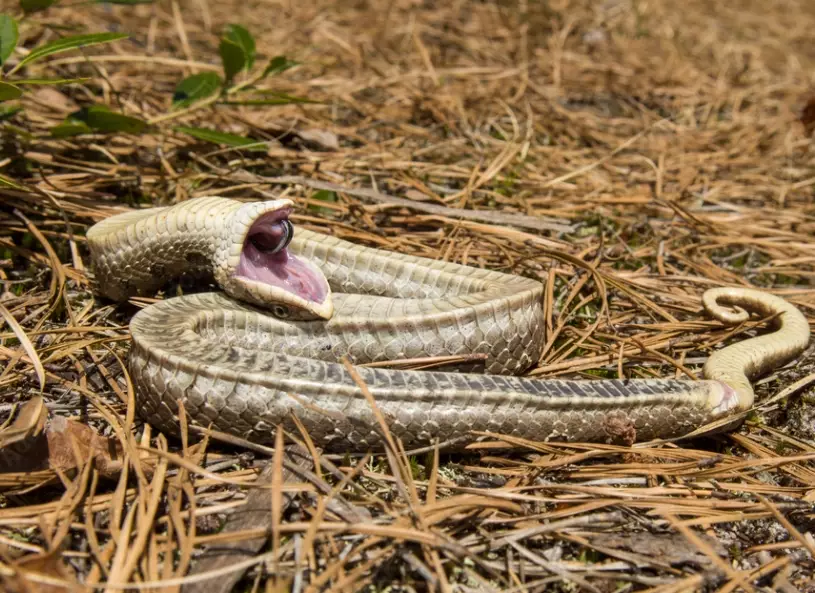
Real Threat or Fake Death? How to Tell the Difference
This is where panic sets in for owners. Is my snake actually sick or injured? The table below breaks down the critical differences. It's based on my own observations and cross-referenced with herpetological sources like the Herpetologists' League publications on defensive behaviors.
| Sign | Playing Dead (Thanatosis) | Genuine Health Emergency |
|---|---|---|
| Body Position | Deliberately rolled onto back, stays there. | May be in any position, often limp or contorted unnaturally. |
| Muscle Tone | Body is stiff or rigid when first handled. | Completely flaccid (limp) or shows spasms unrelated to a "convulsion" act. |
| Response to Touch | May remain "dead" or slowly "come back to life." If flipped over, flips back. | Little to no response. Does not right itself. |
| Mouth & Tongue | Mouth gaping open, tongue may be out but not flicking. | Mouth may be closed or slightly open, tongue not moving. |
| Odor | Often a strong, foul musk is released. | No specific odor, or a smell of infection/rot. |
| Context | Follows handling, loud noises, or perceived threat. | Occurs randomly, without an obvious trigger. |
The biggest giveaway is context and the theatrical flair. A real health problem doesn't look like a staged performance.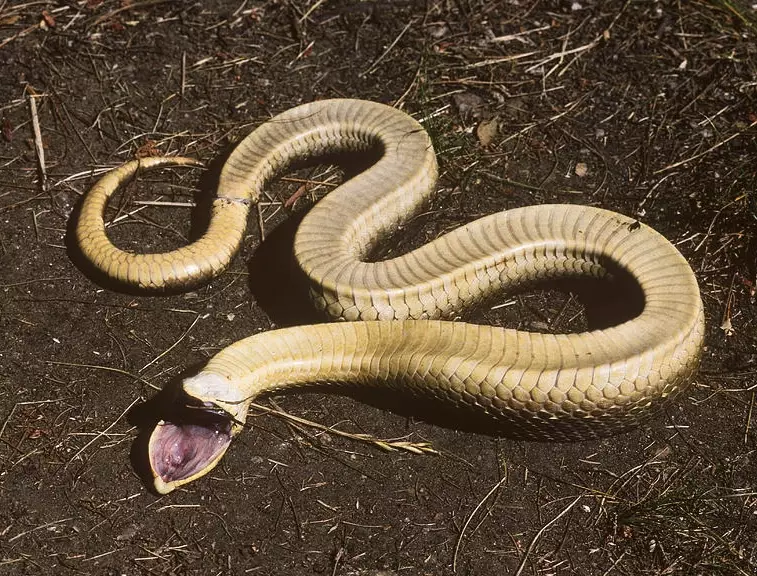
What to Do (and Not Do) When Your Hognose Snake Plays Dead
Most guides get this wrong. They say "just leave it alone," which is only half the story. Here's a practical, step-by-step approach I've refined over years.
Step 1: Stay Calm and Confirm the Act
Don't gasp or make a fuss. Your anxiety can be perceived as continued threat. Quietly observe for the signs in the table above. If it's the full act, proceed.
Step 2: Remove the Threat – That's You
This is the "leave it alone" part, but be smart about it. Don't just walk away if the snake is in an unsafe open space. Gently place a hide box or a piece of cardboard near it, creating a dark, secure spot it can slither into when it decides the coast is clear. Then, leave the room or at least step back out of its direct line of sight.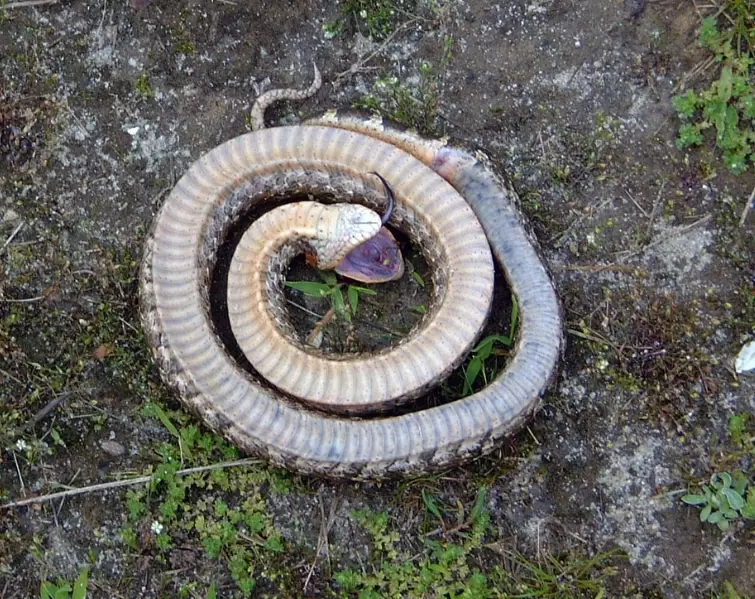
Step 3: The Clean-Up (After It's Done)
Once the snake has moved on and is hiding normally, you might need to deal with the musk. It can stain and smell. Spot-clean the area with a reptile-safe disinfectant. Avoid strong-smelling cleaners like bleach nearby, as they can stress the snake further.
What NOT to do: Do not poke it, try to "wake it up," or continuously flip it over to test it. You're reinforcing the idea that the threat is persistent. Do not blow on it or spray it with water. Do not pick it up and try to comfort it—you are the perceived predator.
Common Care Mistakes That Trigger the Death Act
If your hognose is pulling this stunt frequently, it's a sign of chronic stress. The behavior itself is normal, but the frequency is a message. Look at your setup.
Inadequate Hiding Places: This is the number one trigger. You need at least two snug hides (one warm side, one cool side), and plenty of clutter—fake plants, cork bark, leaf litter. The snake should be able to move across the enclosure without feeling exposed.
Excessive Handling Too Soon: New owners are excited. But handling a new hognose daily, especially before it's eating reliably, is a recipe for stress. Give it a solid week of no handling after arrival, just to change water and offer food.
Wrong Enclosure Size or Type: A tiny snake in a vast, bare aquarium feels like a mouse in a football field. Conversely, an enclosure that's too small is just as bad. A 20-gallon long is a good start for an adult. Also, avoid all-glass tanks without covered sides; use background panels or paper on three sides.
Loud Vibrations and Sudden Movements: Placing the tank next to a loud speaker, TV, or in a high-traffic hallway can keep a snake on edge. They feel vibrations through the ground.
I once helped a keeper whose hognose played dead every single time it saw him. Turns out, the tank was on a desk right next to his computer monitor. The sudden movement of him appearing over the rim of the tank was interpreted as an aerial predator swooping down. Moving the tank to a lower stand solved 80% of the problem.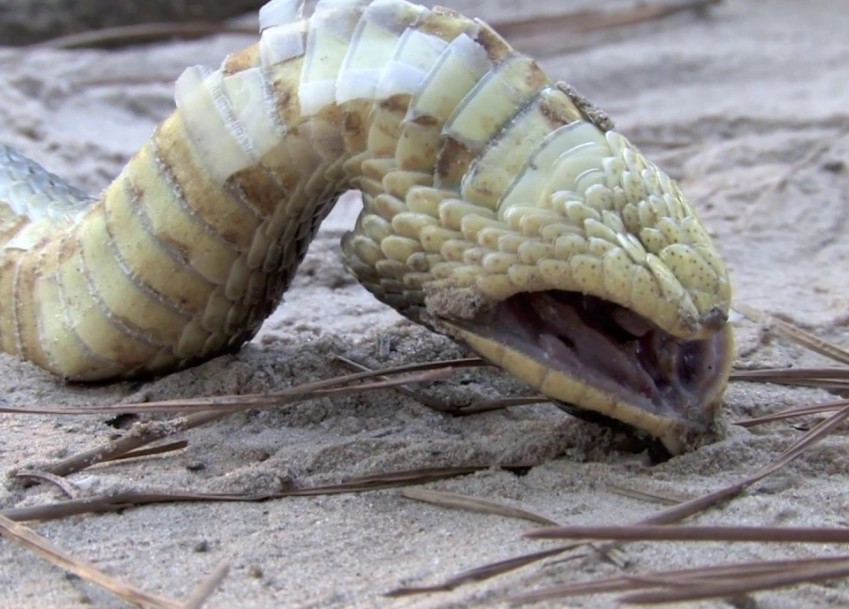
Expert Answers to Your Burning Questions
Watching a hognose snake playing dead is one of the most bizarre and memorable experiences in reptile keeping. It's a raw display of ancient survival software running in real-time. Your role isn't to be an audience member applauding the act, but a stage manager ensuring the snake feels so safe in its environment that it never needs to perform its final, desperate scene. By understanding the why and how, you move from a worried owner to a confident keeper, able to appreciate the behavior for the incredible adaptation it is, while knowing exactly how to give your pet the peace it needs.
Reader Comments