You see a tiny, fuzzy spider with big, curious eyes staring back at you from your windowsill. It cocks its head, almost like a puppy. Your first thought might be a mix of fascination and a flicker of fear: Is it dangerous? Are jumping spiders poisonous? Let's cut to the chase: Yes, jumping spiders possess venom, but no, they are not a threat to humans. Their venom is designed for insects, not people. A bite is extremely rare, and if it happens, it's comparable to a mild mosquito bite or a tiny pinch. The real story is far more interesting than a simple yes or no, and understanding it turns fear into appreciation.
What's in This Guide?
Understanding Jumping Spider Venom: It's Not What You Think
When we hear "poisonous" or "venomous," our minds jump to danger, hospital visits, and worst-case scenarios. With jumping spiders, that instinct is completely off base. Their venom is a precision tool, not a weapon of mass destruction.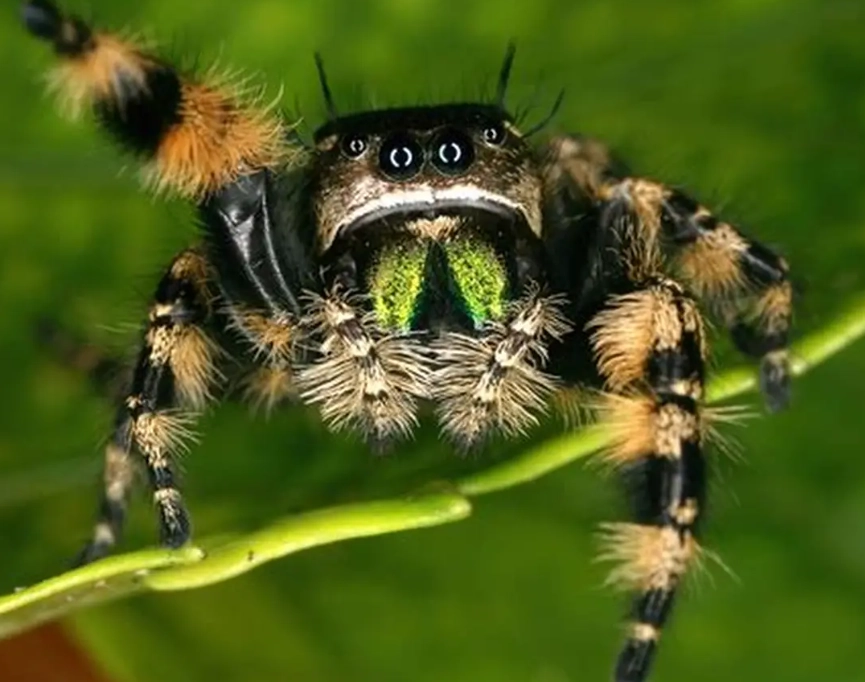
Think of it like this: a chef's knife is sharp enough to slice a tomato effortlessly. Try using that same knife to cut down an oak tree, and you'll get nowhere. Jumping spider venom is the chef's knife. It's perfectly evolved to subdue its tiny prey—flies, mosquitoes, moths, and other small insects—by quickly immobilizing their nervous systems.
The Role of Venom in Hunting
Jumping spiders are visual hunters, not web-weavers. They stalk their prey, calculate the distance, and launch a breathtakingly accurate jump. The venom is injected at the end of this athletic feat to ensure the meal doesn't escape. The venom's composition is complex, but its potency is scaled for targets that weigh a fraction of a gram. Against a human weighing tens of thousands of times more? It's biologically irrelevant.
I've kept Phidippus audax (the bold jumper) as pets before. Watching them hunt is mesmerizing. They'll track a fruit fly, their little heads moving with focus, before pouncing. The fly stops moving almost instantly. That's the venom at work—on its intended target. The idea of that same system causing me harm never crossed my mind, and after years of handling them (carefully), it never has.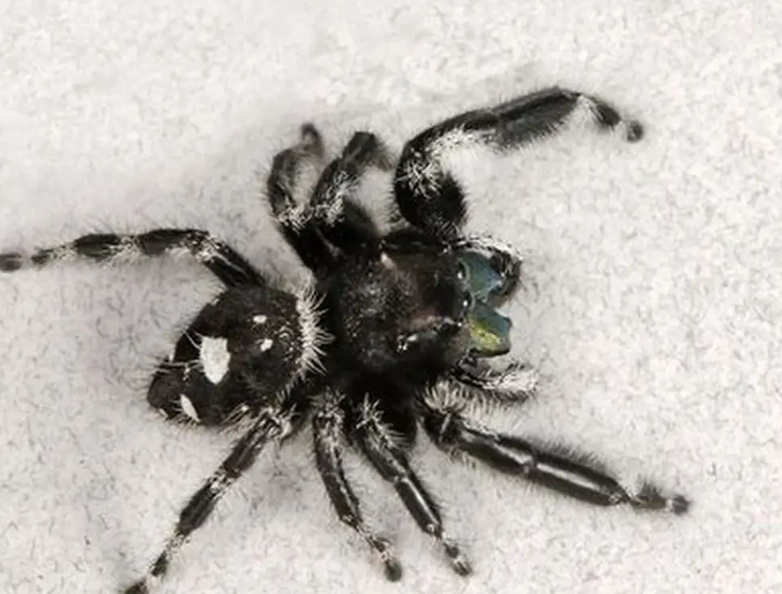
What Happens If a Jumping Spider Bites You?
Let's talk about the elephant in the room: the bite. First, you need to understand how unlikely it is. Jumping spiders are not aggressive. They are curious and will often watch you, but their primary defense is to jump away. To get bitten, you typically have to trap one against your skin, applying enough pressure to make it feel its life is in imminent danger.
I spoke to an entomologist friend who's been bitten once in two decades of field work. His description? "A quick, sharp prick, like getting jabbed by a tiny thorn. There was a small red mark that itched mildly for about an hour, and then it was gone." No swelling, no necrosis, no systemic illness. This aligns with nearly every documented account.
Realistic Bite Scenario: You're gardening and accidentally press a jumping spider between your finger and a plant stem. It might bite in a last-ditch effort. You'll feel a momentary pinch, see a tiny red dot (smaller than most mosquito bites), and maybe experience slight, localized itching. That's the full extent of it for the vast, vast majority of people.
Compare that to the reaction some people have to a bee sting or even a chigger bite, and you'll see how minor it is. The fear is completely disproportionate to the actual risk. In fact, the mechanical puncture from their tiny fangs is often more noticeable than any effect from the venom itself.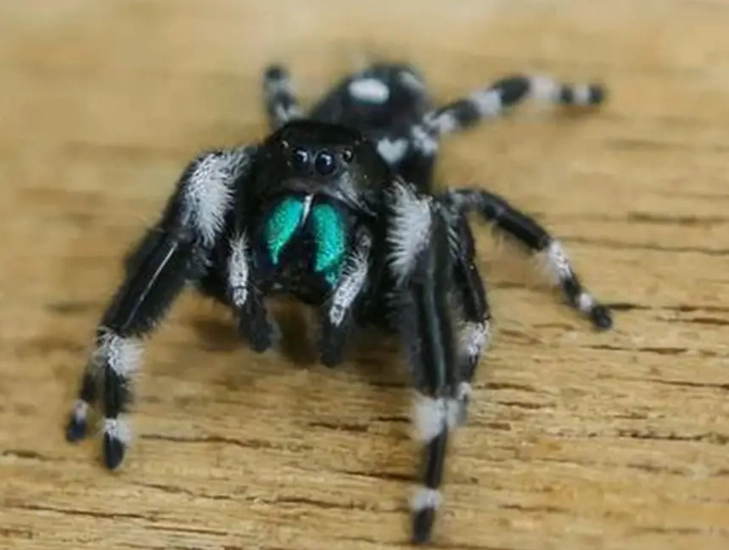
How to Identify a Jumping Spider (Your New Garden Ally)
Instead of fearing them, learn to recognize them. They're one of the most beneficial predators in your home and garden. Here’s what sets them apart:
Those Eyes: This is the dead giveaway. They have four large front-facing eyes, giving them exceptional binocular vision and that characteristic "cute" appearance. Two of these are huge and prominent. You can often see them tracking movement.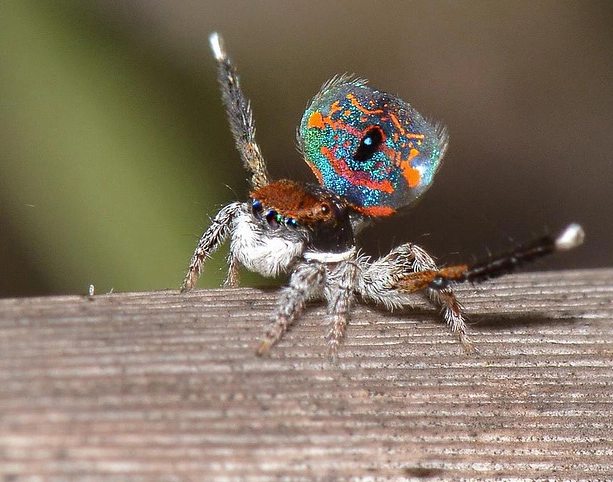
Body Shape: They are compact, fuzzy, and often brightly colored or iridescent. Common species like the Bold Jumper (Phidippus audax) are black with white markings and brilliant green or blue chelicerae (mouthparts).
Movement: They don't scurry erratically. They move in short, deliberate walks and make incredible, targeted jumps. They often leave a silken dragline as a safety rope.
Once you start looking, you'll see them everywhere—on sunny walls, window frames, and leaves. They're not lurking in dark corners; they're out in the open, hunting pests. I now point them out to friends who are afraid of spiders. Seeing one up close, watching it watch you, changes the perspective completely. It's hard to be scared of something that seems so genuinely inquisitive.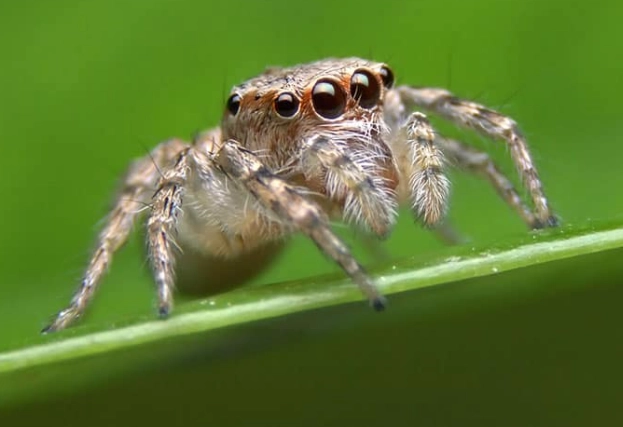
Busting Myths: Separating Fear from Fact
A lot of the anxiety around spiders comes from persistent myths. Let's clear a few up specifically for jumpers.
Myth 1: "All venomous spider bites cause necrosis or severe pain." This is a dangerous generalization. Only a handful of spiders worldwide (like recluse or widow spiders) have venom medically significant to humans. Jumping spiders are not on that list. Their venom lacks the compounds that cause tissue death or severe neurotoxic effects in humans.
Myth 2: "If you see one, there are hundreds more hiding." Jumping spiders are solitary hunters. They don't live in colonies. Seeing one means you have one efficient pest controller in the area, not an infestation.
Myth 3: "They jump at you to attack." Their jumps are for hunting and escaping. A jump towards you is almost always a miscalculation as they try to flee. They have no interest in you as a host or a meal.
Here's a personal take: the cultural fear of spiders does more harm than the spiders themselves. It leads people to use broad-spectrum insecticides that kill these helpful predators along with the pests, disrupting local ecosystems. Appreciating a jumping spider is a small step towards a healthier garden.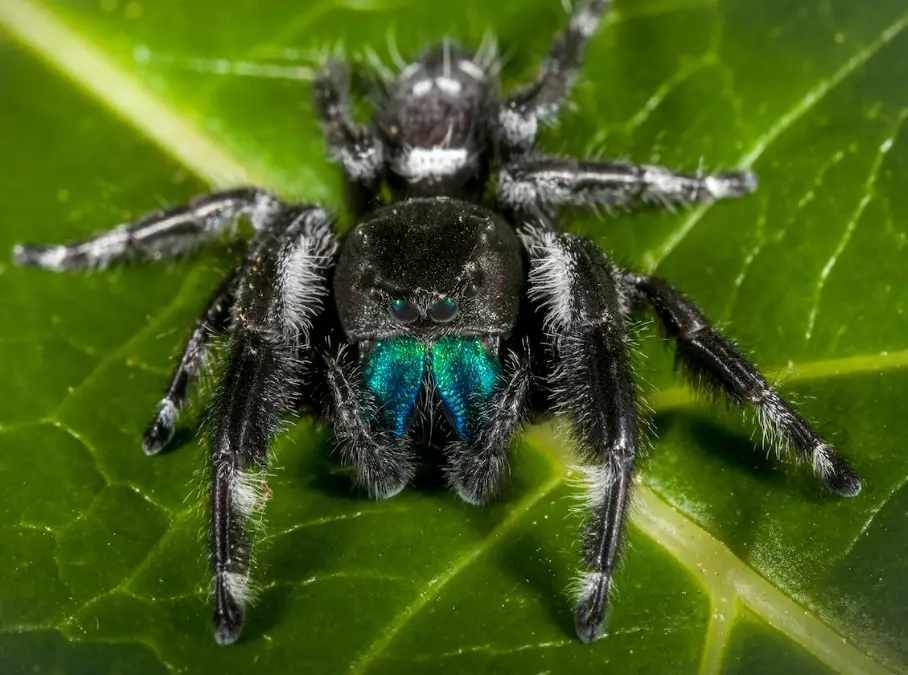
Your Jumping Spider Questions, Answered
So, the next time you lock eyes with a little jumping spider, you can smile. You're looking at one of nature's most agile and fascinating small predators, a creature whose "poison" is a non-issue for you but a critical tool for keeping insect populations in check. They're not out to get you. They're just going about their business, and understanding that turns a moment of fear into one of quiet wonder.
Reader Comments