You're scrolling through reptile forums or Instagram, and you see it—a crested gecko that looks like it was painted by a mad abstract artist. Flames of orange erupting from a base of midnight black. A back patterned like a stained-glass window. That's the Extreme Harlequin, one of the most visually arresting and sought-after morphs in the crested gecko world. But what exactly makes them "extreme" beyond just a cool name? And more importantly, if you're dreaming of one gracing your terrarium, what do you need to know?
I've been keeping and breeding cresties for over a decade, and the Harlequin morph, especially its extreme expression, still makes me stop and stare. This guide cuts through the hype. We'll dive into the genetics behind those wild patterns, break down the real differences from a standard Harlequin, and give you a clear roadmap for care, sourcing, and even breeding. Forget the generic pet store advice; we're going into the nuances that separate a thriving gecko from a merely surviving one.
What's in This Guide?
What Exactly is an Extreme Harlequin Crested Gecko?
Let's get the terminology straight. All Extreme Harlequins are Harlequins, but not all Harlequins are Extreme. The base is the Harlequin pattern morph, a dominant trait known for its broken, irregular patterning along the dorsal (back) and lateral (side) surfaces. It's like someone flicked paint across the gecko. Now, crank that dial to eleven. The "Extreme" prefix isn't scientific hyperbole; it's a breeder term for a specific, intensified expression of the Harlequin gene.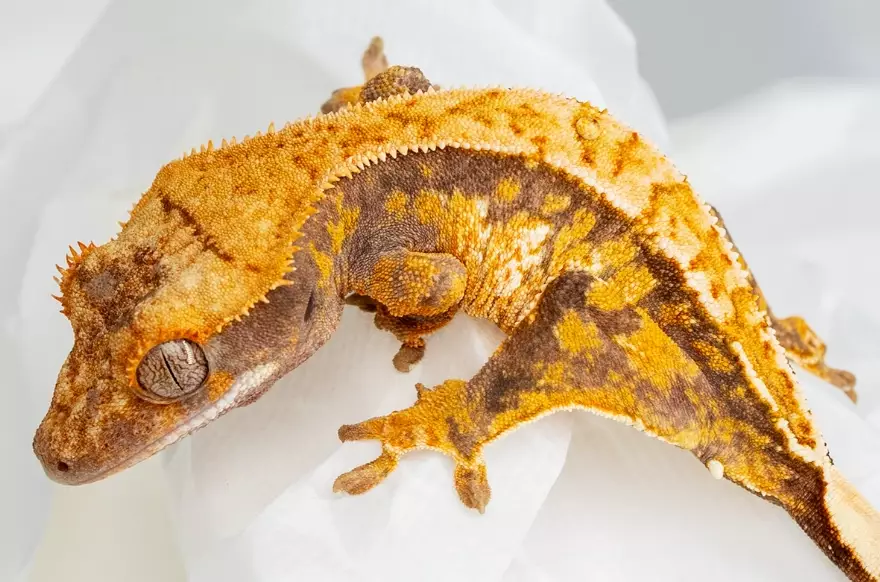
Think of it as a spectrum. On one end, you have a mild Harlequin with a few scattered markings. On the far other end sits the Extreme, where those markings explode in coverage, contrast, and complexity. We're talking about:
- High-Contrast Patterning: The classic Harlequin "paint splash" isn't subtle. It's bold, with stark borders between the base color and the pattern.
- Massive Coverage: Pattern doesn't just dot the back; it can flood over the sides, head, and even legs.
- Structural Complexity: Instead of simple spots or blobs, the pattern might include intricate shapes like dashes, stripes, or even paisley-like swirls. The "pinstripe" dorsal pattern is often completely broken up by the Harlequin markings, making it look wild and unstructured.
- Side Blasting: This is a big one. The patterning doesn't stop at the dorsal ridge; it "blasts" down the sides, often creating a dramatic, two-tone effect. A gecko with heavy side patterning is often considered more "extreme" than one with a busier back but plain sides.
The Genetics Behind the Madness
This is where it gets fascinating. The Harlequin trait is polygenic, meaning multiple genes are involved in its expression. It's not a simple dominant/recessive switch like some other morphs. This is why you can breed two Harlequins and get a range of offspring—from mild to extreme—and even the occasional patternless baby (though that's rare).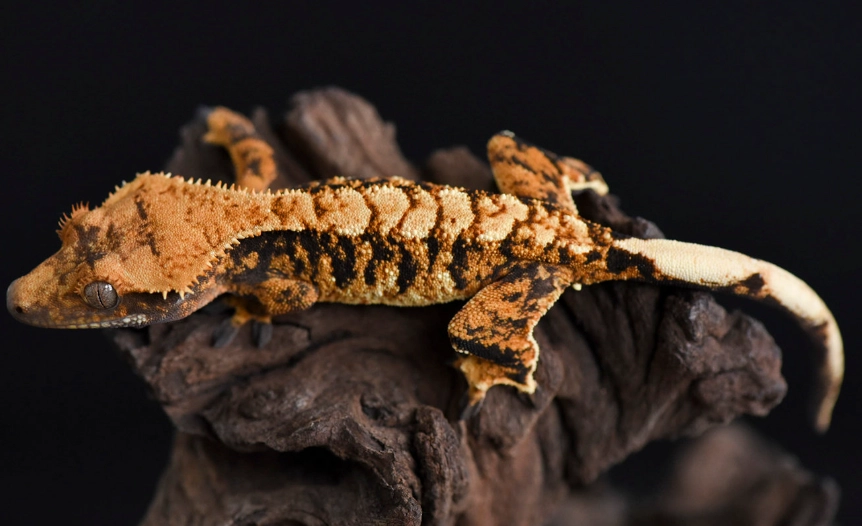
Breeders select for intensity over generations. They look at a gecko and ask: Does this animal push the boundaries of what we think is possible with this pattern? If yes, it becomes a cornerstone of their breeding project. This selective pressure, over many generations, is how the "Extreme" line is developed and stabilized.
It also means the term is subjective. One breeder's "Extreme" might be another's "High-Expression Harlequin." This is why trusting the breeder's eye and reputation is more important than getting hung up on the specific label. Ask to see photos of the parents and even grandparents. Consistency in the lineage is a huge green flag.
Care Breakdown: Not Your Average Gecko?
Here's the best news: caring for an Extreme Harlequin is no different from caring for any other crested gecko. Their stunning looks are skin-deep (literally). The underlying animal has the same needs. But let's not just list basics; let's highlight the subtle tweaks that make a real difference, especially for a prized animal.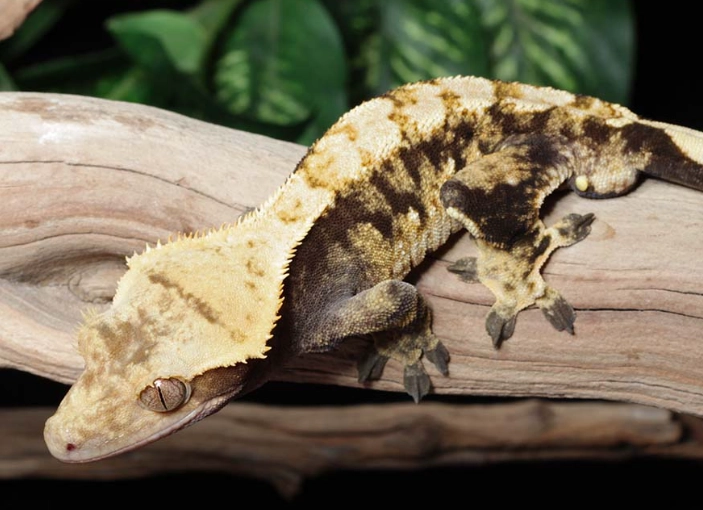
Enclosure Setup: Verticality is Non-Negotiable
Crested geckos are arboreal. They live in trees. A tall tank isn't a luxury; it's a requirement. For a single adult, aim for an enclosure that is at least 18"x18"x24" (Height is the last number, and it's the most important). Bigger is always better. I've seen folks try to skimp with long, low tanks, and the gecko just sits in one corner, looking bored and stressed.
Furnishing Philosophy: Don't just stick a single piece of driftwood in there. Create a highway. Use a combination of:
- Live or Artificial Plants: Pothos, snake plants, and bromeliads are great. They provide cover, increase humidity through transpiration, and give horizontal leaf surfaces for sleeping and drinking droplets.
- Cork Rounds & Flats: These provide essential hiding spots and climbing surfaces. A cork round mounted vertically is a gecko favorite.
- Vines & Branches: Connect everything. The goal is for the gecko to be able to traverse the entire enclosure without having to touch the substrate.
Diet & Nutrition: The Powdered Diet Revolution
This is the single biggest advancement in crestie care in the last 20 years. Complete powdered diets like Repashy Crested Gecko Diet or Pangea have made raising healthy geckos almost foolproof. They are nutritionally complete, meaning you don't need to gut-load and dust insects unless you want to.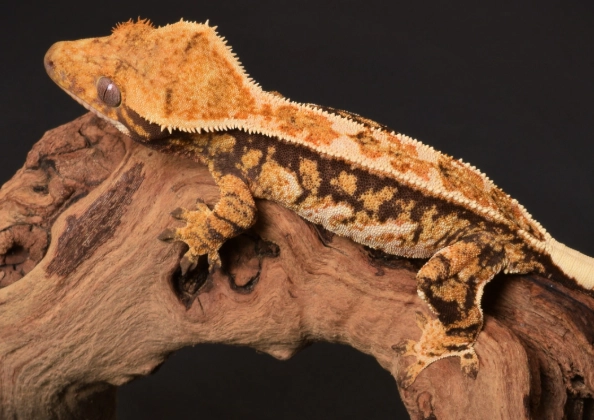
My Routine: I mix a small batch of powder with water to a ketchup-like consistency every other night. I offer it in a shallow dish placed up high (on a ledge or suction-cupped to the glass). In the morning, I remove any leftovers to prevent spoilage. I offer live insects like small crickets or dubia roaches once a week as enrichment, not as a staple. Watching them hunt is pure entertainment.
The Non-Negotiable Parameters
Get these wrong, and the most beautiful gecko in the world will suffer. Get them right, and you'll have a hardy, long-lived pet.
| Parameter | Target Range | Why It Matters |
|---|---|---|
| Temperature | 72°F - 78°F (22°C - 26°C) | Cresties are cool-climate reptiles. Sustained temps above 80°F (27°C) cause heat stress, loss of appetite, and can be fatal. No heat lamps needed in most homes. |
| Humidity | Spike to 70-80% at night, drop to 50-60% by day | This cycle mimics their natural environment and is critical for proper hydration and shedding. Use a digital hygrometer. Mist heavily at lights-out. |
| Lighting | Low-level UVB (optional but beneficial), 12-hour day/night cycle | UVB helps with calcium metabolism and overall well-being. Even without UVB, a regular light cycle regulates their circadian rhythm. |
Finding a Reputable Breeder & Pricing Guide
You won't find a true Extreme Harlequin at a big-box pet store. They come from dedicated hobbyist breeders. Your search should start on platforms like MorphMarket, which is like the eBay for reptile morphs, or at regional reptile expos.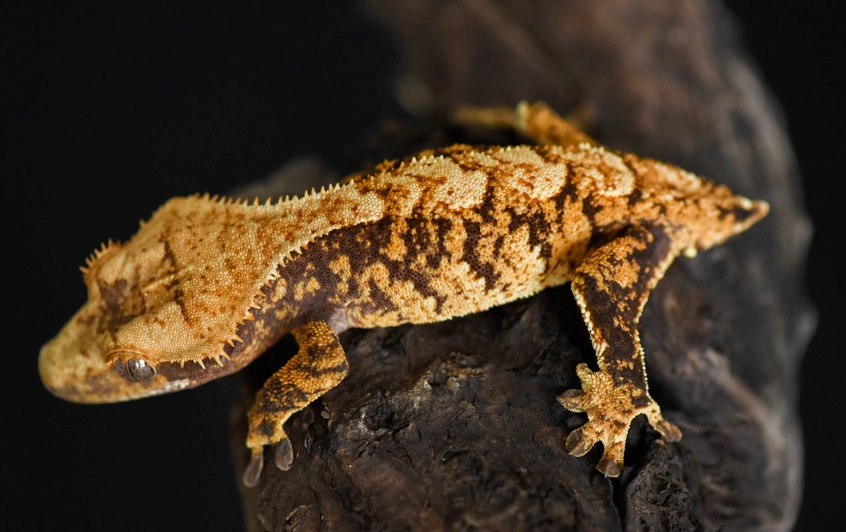
Red Flags vs. Green Flags:
- Red Flag: A breeder who can't or won't show you pictures of the parents. Genetics matter.
- Red Flag: Vague answers about hatch date, feeding history, or current weight. Transparency is key.
- Green Flag: The breeder asks you questions. They want to know about your setup and experience. This shows they care about where their animals go.
- Green Flag: They provide a detailed care sheet and are available for follow-up questions. Breeding doesn't stop at the sale.
The Pricing Reality Check
Let's talk numbers. As of my latest expo visits and MorphMarket browsing:
- A nice, pet-quality Harlequin juvenile: $150 - $250.
- A high-expression Harlequin with clear "Extreme" traits: $300 - $500.
- A top-shelf, show-stopping Extreme from a well-known breeding line: $600 - $1,200+.
The price reflects the breeder's time, the lineage's quality, and the animal's individual expression. A gecko with perfect portholes (clean, circular side patterns) and a near-solid white fringe will cost more than one with "muddier" patterning, even if both are technically Extreme.
Breeding Extreme Harlequins: What to Expect
Thinking of becoming a breeder yourself? It's a rewarding but serious commitment. First, the golden rule: Never breed geckos just for color. Always breed for health, structure, and temperament first. A gecko with perfect conformation but average color will produce better, healthier offspring than a stunningly patterned gecko with a pinched jaw or kinked tail.
If you breed two Extreme Harlequins, you will get Harlequin babies. But the expression will vary. You might get a few that are even more extreme than the parents, a few that are milder, and everything in between. This is the nature of polygenic traits. It's a lottery, but with stacked odds. This is why lineage photos are so valuable—they give you a preview of the genetic potential in your pairing.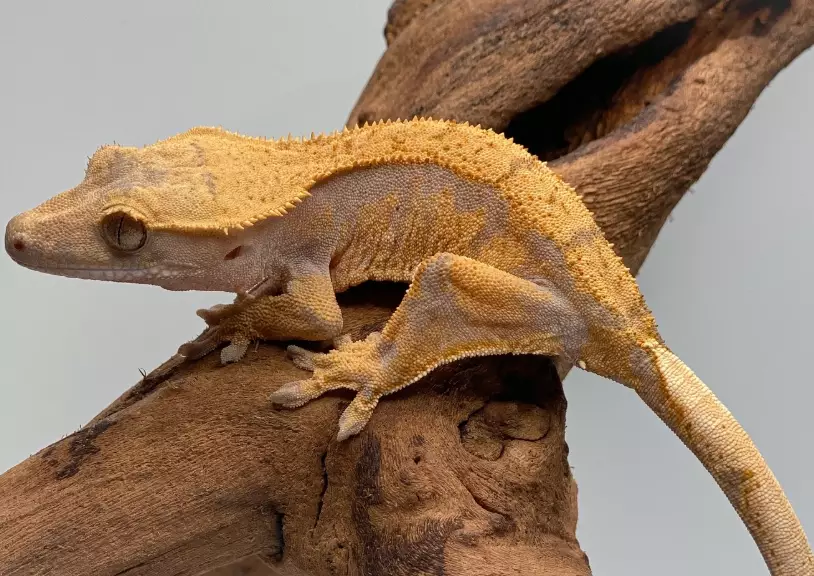
Your Questions Answered
So, there you have it. The Extreme Harlequin Crested Gecko is a testament to what dedicated, selective breeding can achieve—a living work of art. But beneath those impossible patterns is the same hardy, personable, and manageable reptile that made crested geckos a gateway into the hobby. Do your homework on breeders, nail the basic husbandry, and you won't just own a beautiful animal; you'll provide a home for a truly exceptional line of geckos. Now go find your masterpiece.
Reader Comments