Let's cut to the chase. If you're asking "Are Blizzard Leopard Geckos rare?", the short answer is yes, but with major caveats. They're not mythical creatures, but finding a high-quality, healthy Blizzard, especially the pure white ones everyone dreams of, can feel like a treasure hunt. Their rarity isn't just about numbers; it's tangled up in genetics, breeding challenges, and a market full of confusing labels. I've been keeping and breeding leopard geckos for over a decade, and the Blizzard morph still presents unique puzzles that trip up even seasoned hobbyists.
The real question most people have isn't just about rarity—it's "Can I actually get one, and what will it really cost me in terms of money and care?" That's what we're unpacking here.
What You'll Find in This Guide
What Exactly Is a Blizzard Leopard Gecko?
First, let's clear up what we're talking about. The Blizzard is a single-gene morph known for its lack of pattern. That's the key. They aren't albinos. A classic Blizzard starts life with subtle, often purple-ish bands that fade as they age, leaving a solid-colored gecko ranging from pale yellow to dark gray. The holy grail is the "White Out" or "Midnight Blizzard"—a completely patternless, stark white or black animal. But here's the first twist: many geckos sold as "Blizzards" are actually Blazing Blizzards (Blizzard + Albino) or other combos, which complicates the rarity picture.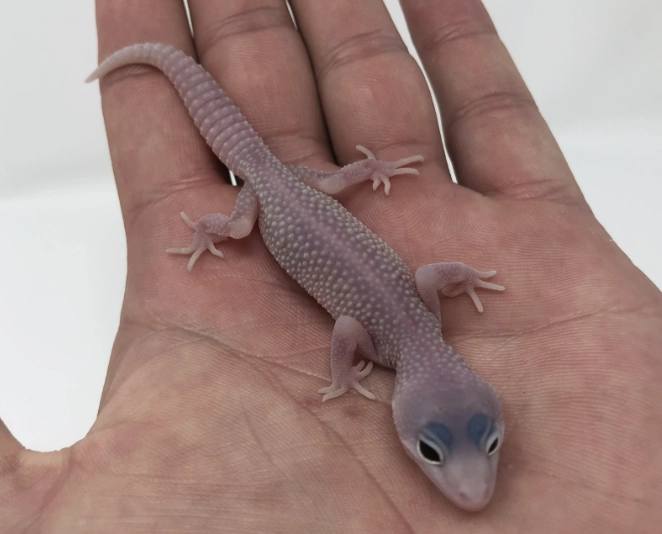
To understand what you're looking at, here’s a breakdown:
| Type | Key Features | Rarity & Price Driver | Typical Price Range (US) |
|---|---|---|---|
| Standard Blizzard | No pattern, color from yellow to gray. Not albino. | Moderately rare. Pure lines are less common. | $75 - $200 |
| "White Out" Blizzard | Stark, patternless white. The classic "Blizzard" look. | Highly sought-after. Requires selective breeding. | $200 - $500+ |
| Blazing Blizzard | Blizzard + Albino. Often pinkish-white with red eyes. | More common. Widely bred. Often mistaken for pure Blizzards. | $100 - $300 |
| Midnight Blizzard | Solid black or very dark gray. | Quite rare. Less demand than white, but unique. | $250 - $600 |
See the confusion? When someone says "Blizzard," you must ask, "Which kind?" The price and availability swing wildly based on the answer.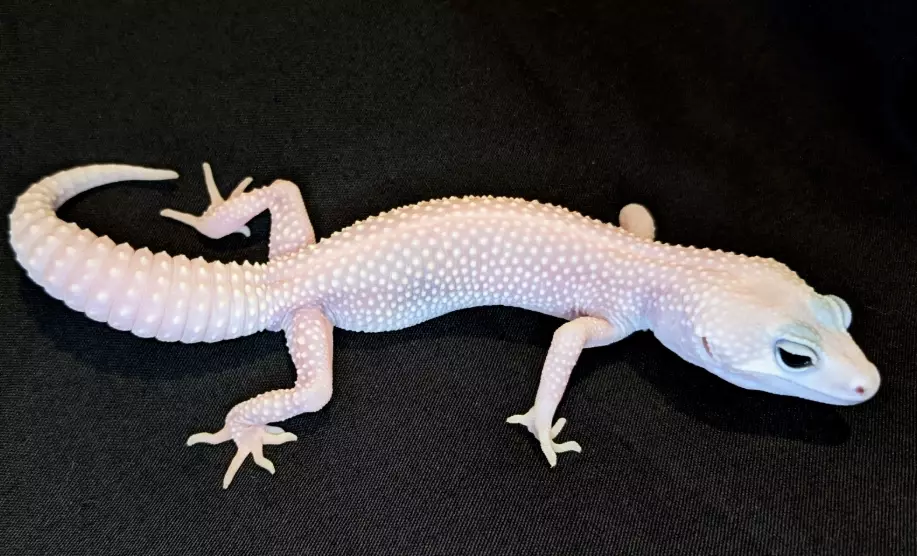
Why Are Blizzard Leopard Geckos Considered Rare?
Their rarity stems from a few specific, often overlooked factors.
The Genetics Are Deceptively Simple
The Blizzard gene itself is recessive, which is standard. But producing that perfect, clean, white animal isn't just about pairing two Blizzards. The color intensity is polygenic—influenced by many genes. So, two grayish Blizzards will likely produce grayish babies. Breeding for white requires careful line-breeding and selection over generations, which takes time, space, and a breeder's sharp eye. Many large-scale breeders focus on flashier, faster-selling morphs, leaving dedicated Blizzard projects to smaller specialists.
A Common Link to Eye Issues
This is the big one most care sheets gloss over. The Blizzard gene, especially in combo with the Albino (Tremper) gene in Blazing Blizzards, has a known correlation with higher incidence of eye problems. I'm not talking about all of them going blind, but issues like microphthalmia (small eyes) or difficulty shedding around the eye are more frequent. Responsible breeders cull these animals from breeding programs, which limits the number of offspring from prime pairs. An unethical breeder might sell them anyway, which is a huge red flag.
So, the "rarity" is partly artificial—good breeders are removing problematic animals from the gene pool, which is the right thing to do but reduces supply.
Market Dynamics and Mislabeling
Walk into a big pet chain. You won't see a true Blizzard. They stock predictable, hardy morphs. You find Blizzards through reptile expos, dedicated online breeders, and sites like MorphMarket. Even there, the label "Blizzard" is slapped on animals that are clearly Blazing Blizzards or have hidden hets. This muddies the water. A true, high-color White Out Blizzard from a reputable breeder is a niche product. The demand from collectors who want that specific, clean look consistently outpaces the responsible supply.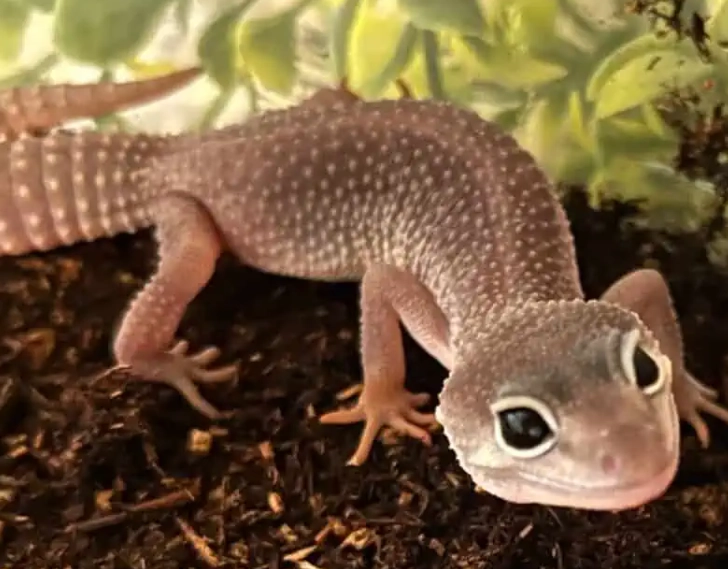
How to Find and Buy a Blizzard Leopard Gecko
Let's get practical. You want one. Where do you look, and how do you not get ripped off?
Your best bets, in order:
- Reptile Expos: Hands-down the best. You can see the animal, talk to the breeder, check its alertness and body condition. Ask specific questions: "Is this a pure Blizzard or a Blazing? What were the parents?" A good breeder will know.
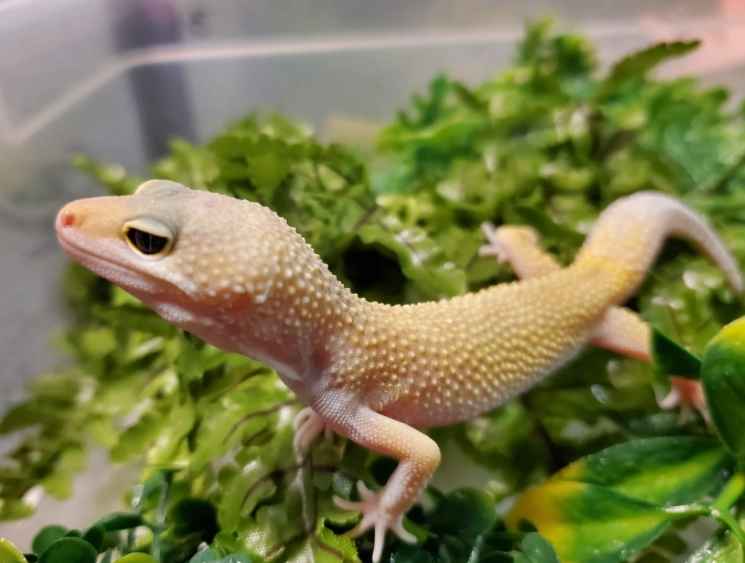
- Specialist Breeder Websites & MorphMarket: Look for breeders with detailed listings, lineage info, and clear photos. Avoid anyone who can't tell you the hatch date or only uses stock photos.
- Local Reptile Groups (Facebook/Forums): Sometimes hobbyists rehome adults. Great for a pet, but know you're not getting a baby.
Red Flags During Your Search:
Price is the first indicator. If a "White Out Blizzard" is listed for $50, something's wrong. It's likely sick, has genetic issues, or isn't a Blizzard at all. Be wary of sellers who avoid questions about the parents' health or eye history. Also, watch for descriptions like "possible het for Blizzard"—that means it's not visually a Blizzard, just a carrier. That's a project animal, not a pet.
Shipping is standard, but a good seller will guarantee live arrival and have a clear health policy. Don't skip this.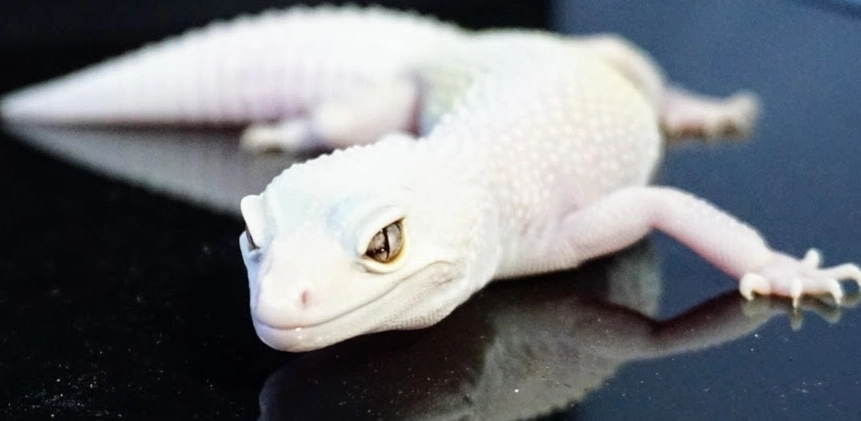
Special Care Considerations for Blizzards
Here's where my decade of experience really kicks in. Blizzards aren't fragile, but they have quirks.
Vision and Feeding: Some, particularly paler ones or Blazing Blizzards, can be more light-sensitive. It's a myth they're all blind, but I've had a few that seemed to rely more on movement and smell. I feed mine using tongs or in a shallow dish to make sure they find their crickets or dubia roaches. Losing a feeder insect in a white gecko's white enclosure is frustrating for everyone.
The Shedding Problem: This is critical. All leopard geckos need moisture to shed, but Blizzards, especially around the eyes and toes, are notorious for retained shed (dysecdysis). That pristine white skin shows every bit of stuck shed. A dry hide is not enough. You must provide a humid hide packed with damp sphagnum moss or paper towel, and check them every time they go into shed (their color will dull). I've had to give more "sauna" treatments (a warm, damp towel in a container for 10 minutes) to my Blizzards than any other morph.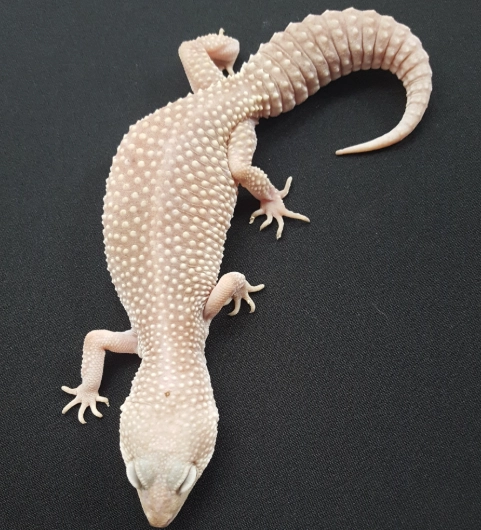
Temperature is Key: Their color can be temperature-sensitive. A cooler Blizzard might look darker. Ensure your warm hide is a steady 88-92°F (31-33°C) using a thermostat-controlled under-tank heater. This aids digestion and overall health.
Their basic setup is the same as any leopard gecko: a 20-gallon long tank minimum, three hides (warm, cool, humid), substrate like paper towel or slate tile (avoid loose sand), and a shallow water dish. But it's the attention to humidity and feeding assistance where Blizzard care diverges.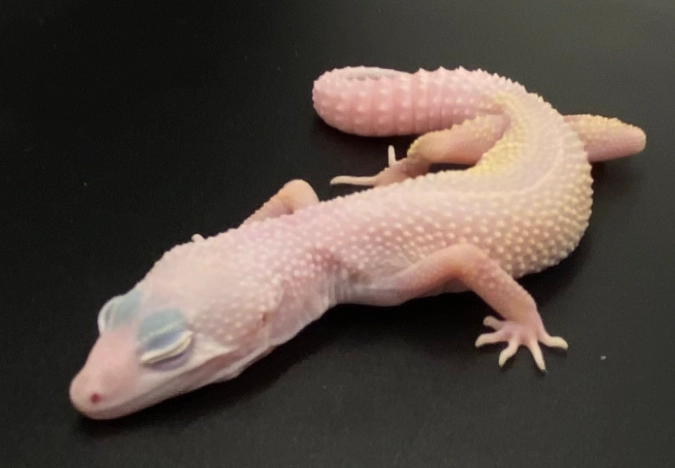
Your Blizzard Questions Answered
I see "Blizzard" and "Blazing Blizzard" for sale. Which is rarer, and which is better for a first-time owner?
I want a pure white Blizzard but have a limited budget. Any advice?
Are the eye problems in Blizzards a guarantee? How can I minimize the risk?
Beyond color, is there any difference in personality between a Blizzard and a normal leopard gecko?
So, are Blizzard Leopard Geckos rare? The premium ones—yes, unequivocally. They are a specialty item in the reptile world. But their rarity is manageable. With focused searching, a realistic budget ($200+ for a quality animal), and a commitment to their specific care needs, you can absolutely bring one of these stunning, ghostly geckos into your home. Just remember, you're not just buying a color; you're investing in a lineage and a breeder's reputation. Do that homework, and your search for a rare Blizzard will have a very happy ending.
Reader Comments