You just brought home your new leopard gecko. It's cute, curious, and you want to give it the best life possible. The first question that pops into your head is probably: what on earth do I feed this thing? Get it wrong, and you're looking at a lethargic pet, metabolic bone disease (MBD), or worse. Get it right, and you'll have a vibrant, active companion for 15-20 years. After keeping these guys for over a decade and helping countless new owners, I can tell you the "best diet" isn't just one insect. It's a system. Let's break down that system, step by step, and cut through the noise you'll find on random forums.
What You'll Find in This Guide
The Absolute Best Feeder Insects for Leopard Geckos
Forget the idea of a single "best" food. In the wild, leopard geckos eat whatever bugs they can catch. Variety isn't just nice; it's nutritional insurance. Relying solely on one insect, like mealworms, is like you eating only potatoes. You'll survive, but you won't thrive.
Here’s the real ranking, based on nutrition, safety, and practicality.
| Feeder Insect | Nutritional Profile | Pros | Cons / Notes |
|---|---|---|---|
| Dubia Roaches | High in protein, excellent calcium-to-phosphorus ratio, low fat. | Nutritional powerhouse, easy to digest, don't smell, can't climb smooth surfaces. | Can be pricey, illegal in some places (e.g., Florida). The top-tier staple. |
| Black Soldier Fly Larvae (Nutrigrubs, Calciworms) | Naturally high in calcium, good protein, low fat. | Almost a complete food with minimal dusting needed. Small size perfect for juveniles. | Wriggle but don't move much, which may not stimulate some geckos. Can pupate. |
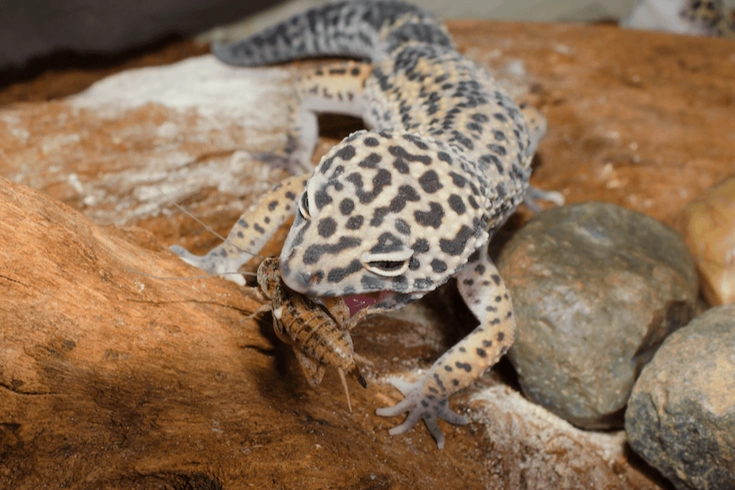
| Crickets | Good protein, moderate fat. Requires gut-loading. | Classic feeder, stimulates hunting instinct. Readily available. | Smelly, noisy, can bite your gecko if left uneaten. Die quickly. A good rotational item. |
| Mealworms | Moderate protein, high fat, poor Ca:P ratio. | Easy to keep, readily available, cheap. | High chitin (hard shell) can be hard to digest. Fatty. Should be a treat, not a staple. |
| Superworms | Similar to mealworms but larger, even fattier. | Good for putting weight on a thin gecko. | Very high fat. Can bite. Only for large, adult geckos as an occasional treat. |
| Hornworms | Very high in moisture, low fat. | Great for hydration, especially for dehydrated or sick geckos. Soft-bodied. | Low in protein and calcium. Grow extremely fast. Expensive. A hydration supplement, not a meal. |
My personal colony runs on a base of dubia roaches and BSFL, with crickets thrown in once a week for mental stimulation. I keep mealworms around only for the occasional treat or for coaxing a picky eater. This mix covers all the nutritional bases without the hassle of crickets as a main food.
The Critical Step Everyone Skips: Gut Loading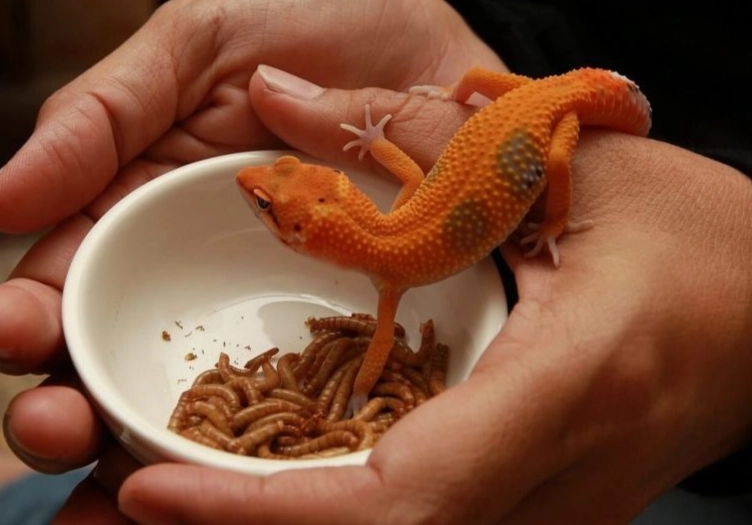
You are what you eat, and your gecko is what its food eats. Gut loading is the 24-48 hour process of feeding your feeder insects highly nutritious foods before offering them to your pet. This transfers those nutrients directly to your gecko.
What to gut-load with: Sweet potato, carrots, squash, leafy greens (dandelion, collard), oats, and commercial gut-load products. Avoid: Potatoes, onions, citrus. I keep a container of Repashy Superload in my feeder bins at all times—it's foolproof.
I've seen geckos on a "perfect" supplement routine still show mild signs of deficiency because their feeders were eating nothing but cardboard and potato slices. Don't let that be you.
The Supplement Routine Most Owners Get Wrong
This is where I see the most confusion, even among experienced keepers. Insects alone don't have the right balance of calcium and vitamins for a captive gecko. We must add them.
You need two powders:
- A pure calcium supplement (WITHOUT Vitamin D3). This should be available in a small, shallow dish in the enclosure at all times. Your gecko will lick from it as needed, which is crucial for preventing Metabolic Bone Disease (MBD).
- A calcium supplement WITH Vitamin D3 AND a multivitamin. This is your dusting powder. You use it to coat insects before feeding.
Here's the common, subtle mistake: using a single powder that combines calcium, D3, and multivitamins for everything—both the dish and dusting. This can lead to over-supplementation of D3, which is fat-soluble and can build up to toxic levels. D3 is necessary for calcium absorption, but they only need a little. By offering pure calcium in the dish, they self-regulate their calcium intake without overdosing on D3.
The Simple Dusting Schedule:
- Juveniles & Breeding Females: Dust with the calcium+D3/multivitamin powder at almost every feeding.
- Healthy Adults: Dust with the calcium+D3/multivitamin powder 1-2 times per week. On other feedings, you can dust with just the pure calcium (no D3) or offer insects plain if the calcium dish is always full.
Brands like Repashy Calcium Plus or Zoo Med's Reptivite are popular all-in-one dusting powders. Pair it with a dish of Zoo Med's Repti Calcium (without D3).
Feeding Schedule: How Much and How Often?
This isn't one-size-fits-all. A growing baby and a lazy adult have vastly different needs.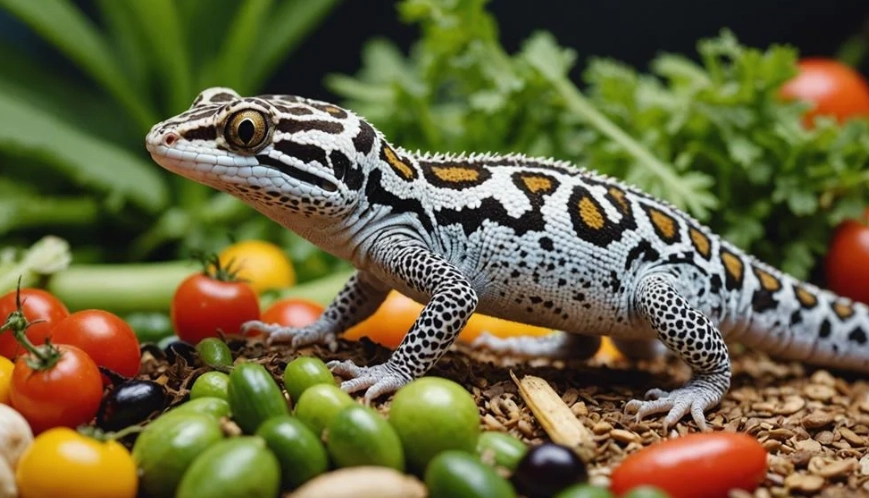
Juveniles (0-6 months): These guys are growing machines. Offer appropriately sized insects (no wider than the space between their eyes) every day, or even twice a day if they'll eat it. Let them eat as much as they want in a 10-15 minute session.
Sub-Adults (6-12 months): Growth is slowing. Feed every other day, a good-sized portion. You'll start to see their tail plump up nicely.
Adults (12+ months): Maintenance mode. Feed 2-3 times per week. A good rule is 2 insects per inch of your gecko's total length, per feeding. A healthy adult's tail should be nice and fat, but not obese (where it starts to drag or develop armpit bubbles).
Watch the tail. The tail is their fat storage. A plump tail = a healthy, well-fed gecko. A skinny tail means you need to feed more or check for illness. A massively obese tail is a health risk—cut back on fatty feeders like superworms and mealworms.
Dangerous Foods You Must Avoid
This list is short but critical.
Never, ever feed:
- Fruits, Vegetables, or Leafy Greens. Leopard geckos are insectivores. They lack the enzymes to digest plant matter. It will sit in their gut and cause impaction.
- Wild-caught insects. They can carry parasites, diseases, or pesticides. It's never worth the risk.
- Fireflies or any glowing insects. They are highly toxic and can be fatal.
- Butterworms as a staple. They can cause addiction and nutritional deficiencies. An occasional one is okay, but they're not a good primary food.
- Dog food, cat food, or human food. This should be obvious, but I've seen it asked.
Troubleshooting: When Your Gecko Won't Eat
It happens. First, don't panic. A healthy adult can go weeks without food, though it's not ideal. Check these points in order: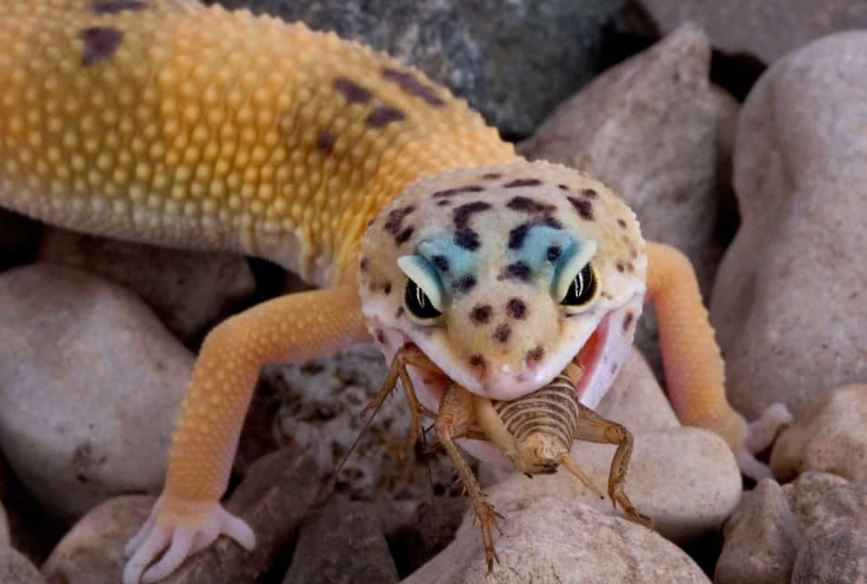
1. Husbandry Check: This is the cause 90% of the time. Is the warm hide floor temperature 88-92°F (31-33°C)? Use a digital thermometer with a probe on the floor under the hide. If it's too cold, they can't digest. Is the cool side around 75°F (24°C)? Do they have at least two snug hides? Stress from improper setup is the #1 appetite killer.
2. Brumation: In cooler months, adults may slow down or stop eating for weeks. As long as their weight is stable, this is normal. Just ensure fresh water is available.
3. Shedding: They often lose appetite right before and during a shed. It'll return once they're done.
4. Food Boredom: Have you been feeding only mealworms for months? Try a different, livelier insect like a cricket or dubia.
5. Illness: If all the above are perfect and the fast lasts more than 3-4 weeks with weight loss, consult a reptile vet. Possible issues include parasites or impaction.
One trick I use for stubborn eaters is "braining" a worm—gently piercing the head of a mealworm or waxworm to release its scent. It's gross, but it works like a charm to trigger a feeding response.
Your Leopard Gecko Diet Questions, Answered
Can leopard geckos eat fruits or vegetables?
No, leopard geckos are strict insectivores. Their digestive systems cannot process plant matter. Feeding fruits or vegetables can cause serious digestive impaction and nutritional deficiencies. Stick to live insects only.
How often should I dust feeder insects with calcium?
For growing juveniles and breeding females, dust insects with a pure calcium supplement (without D3) at almost every feeding. For healthy adults, aim for 2-3 feedings per week. Use a calcium supplement with D3 only 1-2 times per week, as over-supplementation of D3 can be harmful. A common mistake is using a calcium+D3 powder for every dusting, which is unnecessary and potentially risky.
My leopard gecko won't eat mealworms, what can I do?
First, check your husbandry: temperatures and hides must be correct. If all is well, try a different insect. Many geckos find crickets or dubia roaches more stimulating due to their movement. You can also try 'braining' a mealworm (gently piercing its head) to release scent. The most effective long-term solution is to offer a variety from the start to prevent picky eating.
Is it safe to feed wild-caught insects to my leopard gecko?
It is strongly discouraged. Wild insects may carry parasites, pesticides, or diseases that can severely harm or kill your gecko. They also have an unknown nutritional profile. Always purchase insects from reputable reptile food suppliers who raise them specifically as feeders.
 The best diet for your leopard gecko isn't a mystery. It's a commitment to variety, proper supplementation, and attention to detail. Start with a base of nutritious staples like dubia roaches, support them with a smart two-powder supplement strategy, and always, always gut-load. Watch your gecko's tail and behavior—they'll tell you if you're on the right track. Do this, and you'll have a healthy, thriving pet for decades to come.
Reader Comments