Quick Navigation
Female leopard geckos can live 15 to 20 years in captivity—sometimes longer with the right care. I've kept these reptiles for over a decade, and the difference between a gecko that taps out at 10 years and one that thrives past 20 often comes down to a few overlooked details. Let's cut to the chase: genetics matter, but your daily choices matter more. This guide dives into the specifics, from habitat tweaks to health checks, so you can give your female leopard gecko the best shot at a long, healthy life.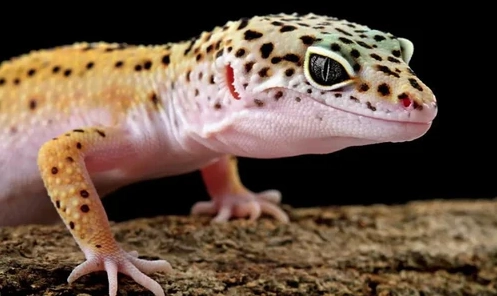
What Determines a Female Leopard Gecko's Lifespan?
It's not just about luck. Longevity hinges on a mix of factors, and some are more critical than others. I've seen too many keepers blame early deaths on "old age" when the real culprits were preventable.
Genetics and Breeding: The Foundation
Start with a healthy gecko. Captive-bred females from reputable breeders tend to outlive wild-caught ones because they're less stressed and free of parasites. Look for breeders who prioritize health over color morphs—fancy patterns sometimes come with weak genes. A study by the Reptile Breeding Association highlights that line-bred geckos can have shorter lifespans due to inbreeding depression.
The Role of Diet: More Than Just Crickets
Feeding is where most mistakes happen. Females need a balanced diet: gut-loaded insects like dubia roaches or crickets, dusted with calcium and vitamin D3 supplements. Skip the mealworms as a staple—they're high in chitin and can cause impaction. I rotate between three feeder insects weekly to mimic natural variety. Here's a quick table to break it down:
| Feeder Insect | Frequency | Notes |
|---|---|---|
| Dubia Roaches | 3 times a week | High in protein, easy to digest |
| Crickets | 2 times a week | Gut-load with veggies for nutrients |
| Waxworms (treat) | Once a month | High fat, use sparingly |
Overfeeding is a silent killer. Adult females only need food every other day; obesity leads to fatty liver disease, which I've diagnosed in pets that looked "plump and happy."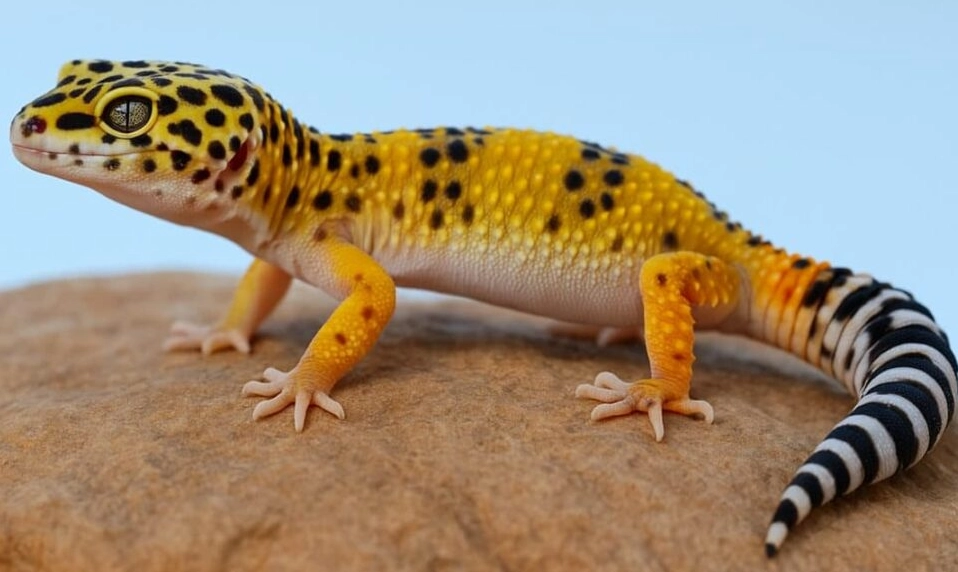
Habitat Conditions: More Than Just Heat
The enclosure sets the stage for health. A 20-gallon tank minimum, with a thermal gradient: 88-92°F on the warm side, 75-80°F on the cool side. Use a thermostat—never rely on unregulated heat mats. Humidity should hover around 40-50%; too dry causes shedding issues, too damp invites respiratory infections. I add a humid hide with sphagnum moss, which females love for egg-laying too.
Pro tip: Nighttime drops to 70°F are fine, but avoid sudden swings. I use a ceramic heat emitter for consistent warmth without light disruption.
Step-by-Step Care for Longevity
Consistency is key. Here's a routine that's worked for my geckos, broken into actionable steps.
Setting Up the Perfect Enclosure
Start with a solid substrate. Paper towel or slate tile beats loose sand—impaction risks are real. Include multiple hides: one on the warm end, one on the cool end, and that humid hide I mentioned. Decorate with fake plants or rocks for enrichment; boredom can stress females, shortening lifespan. Lighting isn't critical for leopard geckos, but a low UVB bulb (2-5%) can boost vitamin D synthesis, reducing metabolic bone disease risk.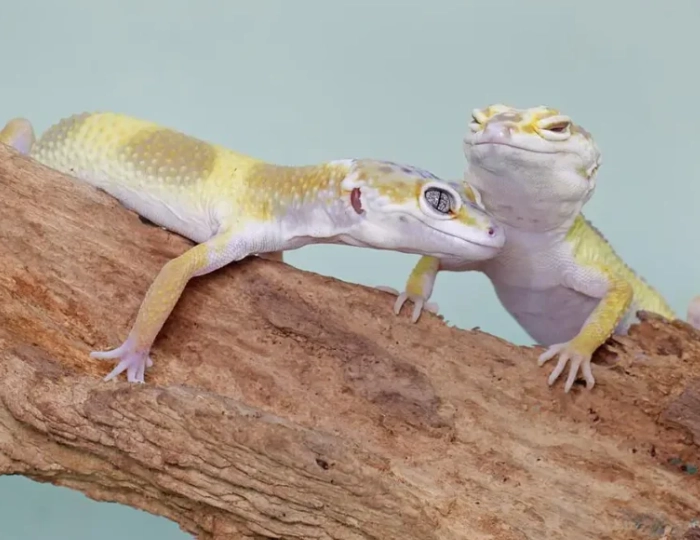
Feeding Schedule and Supplements
Feed juveniles daily, adults every other day. Dust insects with calcium powder (without D3) at every feeding, and with a multivitamin once a week. For females, add extra calcium during potential egg-laying seasons (spring and summer). I mix a bit of calcium in a shallow dish—they'll lick it if needed. Watch for signs of deficiency: tremors or soft jaws mean urgent vet care.
Health Monitoring Routine
Weigh your gecko monthly. A sudden drop of 10% signals trouble. Check eyes for clarity, skin for retained shed, and tail for fat reserves. Keep a log; I use a simple notebook to track weight, feeding, and behavior. Annual vet visits are smart, but home checks catch issues early. Look for subtle cues: Is she basking more than usual? That could indicate a parasite load.
Common Pitfalls and How to Avoid Them
Even experienced keepers slip up. Here are the top mistakes I've seen—and made myself.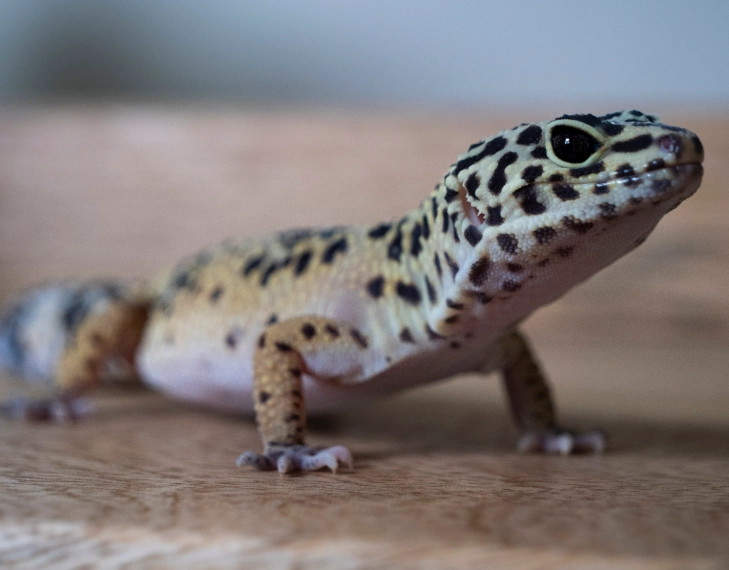
Ignoring Egg-Laying Needs: Females can lay infertile eggs yearly. Without a lay box, they become egg-bound, which is often fatal. Provide a container with moist eco-earth or vermiculite; check it weekly during warm months.
Over-Supplementing: More isn't better. Excess vitamin A causes toxicity. Stick to a schedule: calcium daily, multivitamin weekly. I once overdid it with a gecko, leading to kidney strain—lesson learned.
Poor Quarantine: Introducing new reptiles without isolation spreads parasites. Quarantine for at least 30 days, with separate tools. The Association of Reptilian and Amphibian Veterinarians recommends fecal tests during this period.
Personal Experience: A Case Study
Let me share about Luna, a female leopard gecko I've had for 18 years. She was a rescue—underweight, with stuck shed on her toes. I fixed her setup: upgraded to a thermostat-controlled heat mat, switched to dubia roaches, and added a humid hide. Within months, she gained weight and started laying eggs regularly. Her secret? Consistency. I've missed feedings or slacked on cleaning, but her routine kept her resilient. Last year, she had a minor eye infection; catching it early with a vet visit saved her vision. Luna's story shows that longevity isn't about perfection, but about attentive, informed care.
Another thing: social interaction matters. I handle Luna gently twice a week, which reduces stress. Some keepers avoid handling, but tame females seem to live longer—less fear, better appetite.
Reader Comments