So you're thinking about a Leachianus gecko, or maybe you just got one, and the question pops into your head. That massive head, those strong-looking jaws... what happens if they decide to use them on you? The short, honest answer is: it can hurt, but it's rarely the dramatic event people imagine. The real story is more about understanding why it might happen and how to make sure it almost never does. I've kept these giants for years, and yes, I've been tagged a couple of times. Let's break it down without the hype.
What You'll Learn in This Guide
- The Reality of a Leachianus Gecko Bite: Pain Scale and Experience
- Why Would a Leachianus Gecko Bite? Understanding the 'Why' is Key
- How to Prevent a Leachianus Gecko Bite: Proactive Handling Techniques
- What to Do If You Are Bitten: Immediate First Aid and Aftercare
- Is a Leachianus Gecko the Right Pet for You? Considering the Bite Factor
The Reality of a Leachianus Gecko Bite: Pain Scale and Experience
Let's get tactile. Imagine the strongest pinch you can get from a standard office binder clip. Now add a quick, sharp puncture. That's a reasonable analogy for a bite from a large adult Leachianus, especially a Grand Terre locale. Their teeth are small and pointed, designed for gripping insects and crushing fruit, not tearing flesh. They don't have the fangs or venom of a snake.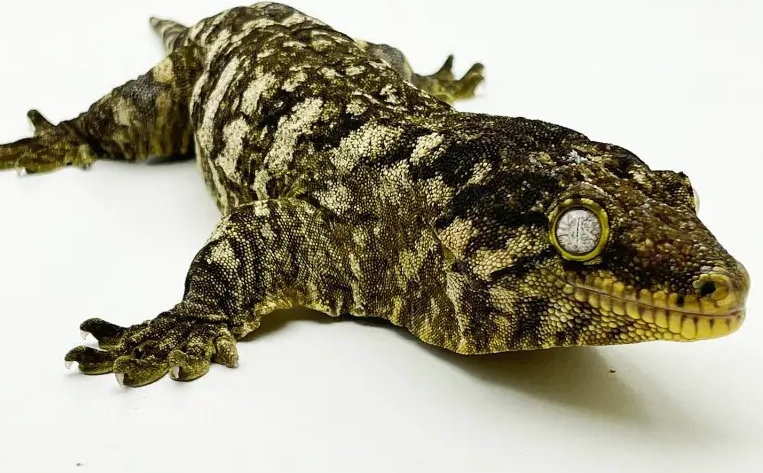
The sensation is a immediate, sharp pressure followed by a lingering pinch. It often breaks the skin, resulting in a few small beads of blood. The initial shock is worse than the actual pain, which fades to a mild throb pretty quickly.
Juveniles are a different story. A bite from a baby Leachianus feels like a faint, dry pinch from a pair of tweezers. It's more surprising than painful and almost never breaks skin. This is a critical socialization period, though. How you react teaches them what to expect.
Why Would a Leachianus Gecko Bite? Understanding the 'Why' is Key
Leachianus geckos aren't inherently aggressive. They are, however, incredibly defensive and territorial. Biting is almost always a last-resort stress response, not an act of malice. If you get bitten, it's usually because the gecko felt severely threatened and saw no other option. Here are the big triggers:
- Feeling Trapped or Cornered: This is the number one cause. Reaching directly at them from above (like a bird of prey would) or trying to grab them suddenly in their enclosure triggers a primal defense.
- Mistaken Identity (Feeding Response): If your fingers smell like their food (crested gecko diet, insects, fruit), they might give an investigative nip. This is usually quick and less forceful than a defensive bite.
- Protecting Territory: Some individuals, especially males, are highly territorial in their enclosure. Your hand entering their space is an invasion.
- Pain or Discomfort: A gecko that is injured, sick, or deep in shed is more irritable and likely to lash out.
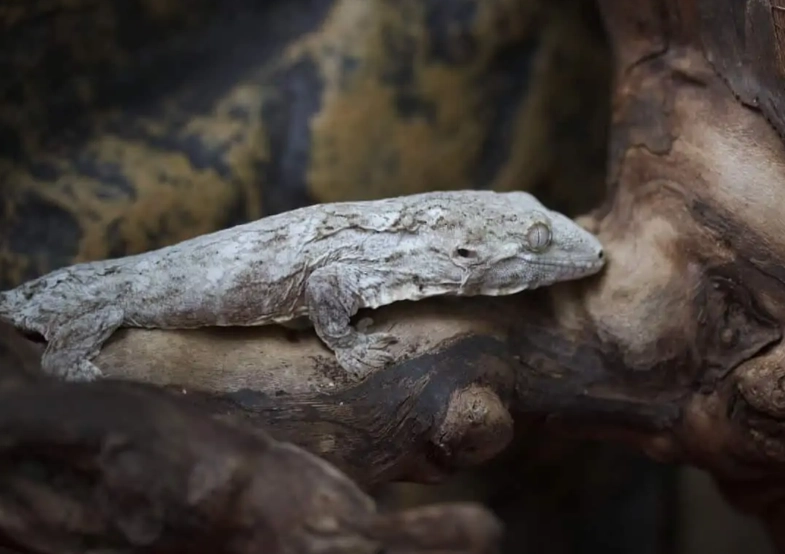
The Body Language You MUST Learn to Read
They scream "back off" long before they bite. Most bites happen because people ignore these clear signals:
Hissing and Lunging: The classic combo. A loud, raspy hiss followed by a forward jerk. This is a bluff. They hope you'll leave.
The Defensive Gape: Mouth wide open, held steady. A huge red flag. Many beginners mistake this for a yawn. A yawn is brief and relaxed. A defensive gape is tense and prolonged. If you see this, abort mission.
Puffing Up and Darkening: Making themselves look bigger and darker. Another clear "I am not in the mood" sign.
How to Prevent a Leachianus Gecko Bite: Proactive Handling Techniques
Prevention is 99% of the game. It's about building trust, not dominating the animal.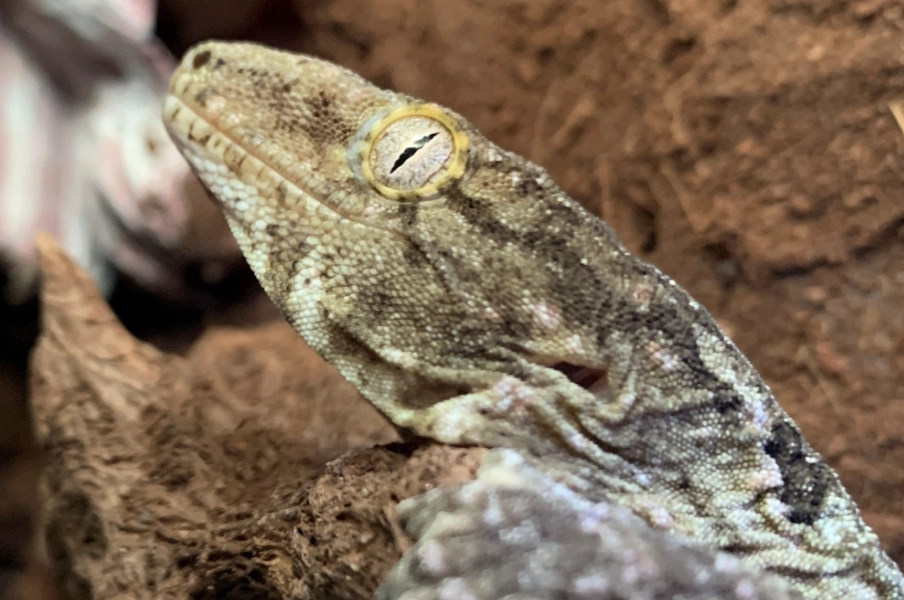
Start Young (If Possible): Gentle, consistent handling with juveniles builds a foundation of trust. Let them crawl on you, offer food from your fingers (carefully!), and associate your presence with safety.
Respect the Enclosure: Don't just reach in. Open the door and let them see you for a minute. Talk softly. Move slowly and predictably.
The Proper Handling Approach: Never grab from above. Slide your hand slowly under their chest and belly, letting them walk onto you. Support their entire body. If they're hesitant, you can use a flat hand to gently guide them. For a truly defensive animal, some keepers use a soft cloth or paper towel as a gentle barrier to scoop them up—it avoids triggering a predatory response against skin.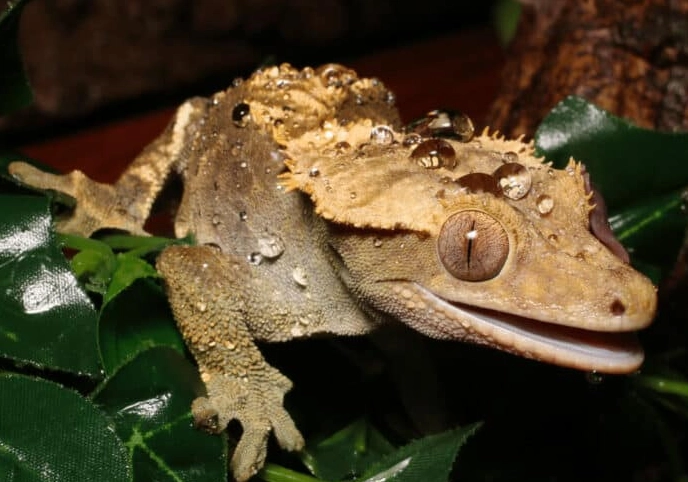
Know When to Leave Them Alone: During shed, right after lights-out when they're most active and alert, or if they're showing any defensive body language. Forcing interaction teaches them that handling is stressful.
I made the mistake early on with a male who was a notorious cage-defender. I thought I just needed to handle him more to "tame" him. Wrong. I created more stress. The solution was handling him less frequently but only when he was already out and exploring at night, making it his idea to climb onto my offered hand. Night and day difference.
What to Do If You Are Bitten: Immediate First Aid and Aftercare
Stay. Calm. Do not jerk or pull. This is crucial.
- Do Not Pull: Pulling can tear your skin and damage the gecko's teeth. Gently try to slide your finger further into its mouth (counterintuitive, I know) to trigger a release reflex, or run a tiny drop of water on its snout.
- Once Released: Calmly place the gecko back in its enclosure. Deal with your wound second.
- Clean the Wound: Immediately wash the puncture(s) thoroughly with warm water and antibacterial soap. Let the water run over it.
- Disinfect: Apply an antiseptic like hydrogen peroxide or iodine.
- Bandage: Cover with a clean bandage. Reptile mouths, like all animal mouths, contain bacteria (e.g., Pseudomonas, Salmonella) that can cause infection. Watch for redness, swelling, or pus.
Do you need to go to the ER? For a healthy adult, almost certainly not. Just practice vigilant wound care. If you have a compromised immune system or signs of infection develop, see a doctor and mention it was a reptile bite.
Is a Leachianus Gecko the Right Pet for You? Considering the Bite Factor
The potential for a bite shouldn't be the sole reason you avoid a Leachianus, but it must be a consideration. They are not a "cuddly" pet like a bearded dragon that tolerates clumsy handling.
Ask yourself:
- Can you respect an animal that may never truly enjoy being held?
- Are you observant enough to learn and heed its body language?
- Are you comfortable with a pet that requires a confident, patient approach?
- If you have young children, is this an appropriate animal for your household? (Generally, no).
If you want a giant gecko you can mostly observe and occasionally interact with on its terms, a Leachianus is incredible. If you need a handle-every-day reptile, look at species like a Blue Tongue Skink.
Final thought? A Leachianus gecko bite is a manageable risk, not an inevitability. It's a conversation between you and the animal, dictated by your patience and their personality. Focus on reading their cues, building trust slowly, and respecting their space. Do that, and you'll likely never have to find out firsthand how much it hurts.
Reader Comments