Five years. That's it. Your leopard gecko, the one you fed and cared for, is gone. You expected 15, maybe 20 years. You're left with an empty tank and a heavy question: what went wrong? If this is you, please know you're not alone. This heartbreak is far more common than the care sheets let on. The gap between a leopard gecko's potential lifespan and a tragically short one almost always comes down to a series of small, misunderstood, or overlooked husbandry mistakes. It's rarely one big event. It's a slow accumulation of stresses that their bodies can't withstand forever. Let's cut through the generic advice and talk about the real, specific reasons this happens.
What's Inside This Guide
The Lifespan Gap: Expected vs. Reality
Every website says 15-20 years. Reputable breeders and dedicated hobbyists regularly hit that mark. I've known geckos pushing 25. So when one passes at 5, it's a glaring sign that its environment was fundamentally incompatible with long-term health.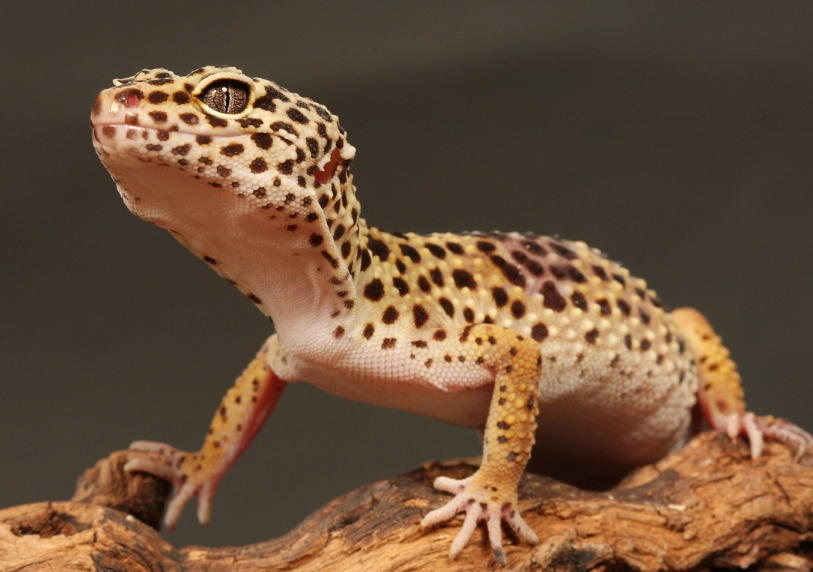
Think of it this way: in the wild, their life is harsh but simple. Predators, drought, and food scarcity are the main threats. In our homes, we remove those dangers but introduce a whole new set of complex, invisible challenges. A thermostat set wrong isn't as dramatic as a hawk, but over months and years, it's just as lethal.
| Environment | Average Lifespan | Primary Threats |
|---|---|---|
| Wild | 6-8 years | Predation, climate extremes, starvation |
| Captive (Ideal Care) | 15-20+ years | None (with proper husbandry) |
| Captive (Suboptimal Care) | 5-10 years | Metabolic disease, chronic stress, infection |
The "suboptimal care" category is where most early deaths live. It's not about neglect in the obvious sense. It's often about well-intentioned but misinformed care.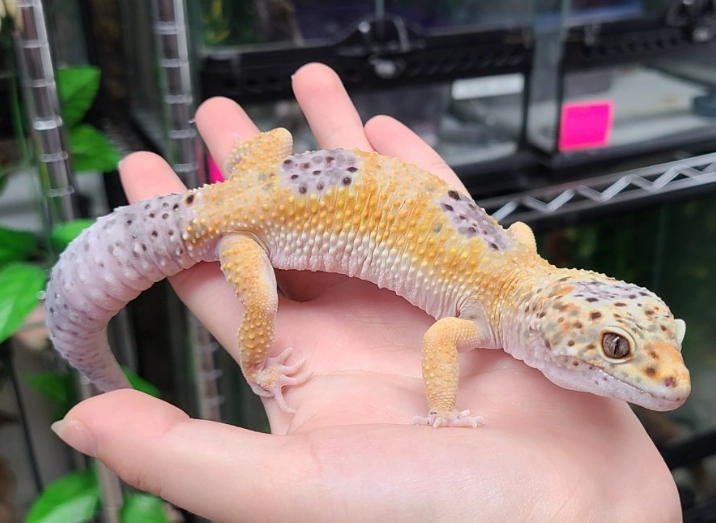
The Top Causes of Early Death in Leopard Geckos
Let's get specific. These aren't guesses; they're patterns I've seen repeated by vets and experienced keepers time and again.
1. Metabolic Bone Disease (MBD) – The Silent Crippler
This is the number one killer of young captive reptiles, and leopard geckos are prime targets. MBD isn't just "weak bones." It's a total metabolic collapse caused by a lack of usable calcium.
The classic mistake? Using a calcium powder without vitamin D3, and no UVB light. Leopard geckos were long thought to be "no UVB needed" pets. We now know better. While they can survive on oral D3, the margin for error is tiny. Without UVB to self-regulate or precisely dosed D3, they cannot absorb the calcium you're dusting on their crickets.
The body then leaches calcium from its own bones to maintain critical blood functions. The result over 1-3 years: rubbery jaw ("rubber jaw"), bowed legs, kinked spine, tremors, and eventually, the inability to move or eat. A gecko with advanced MBD often succumbs to secondary infections or simply wastes away. It's a horrible, preventable death.
2. Impaction and Gut Stasis
Your gecko stops pooping. You wait a few days. A week. Maybe you give a warm bath. Nothing. Impaction—a blockage in the gut—is a common emergency.
The culprits are usually two-fold: substrate and feeder size. Calci-sand or plain sand is a death trap. Geckos lick their environment, and this sand clumps like concrete in their gut. Even "safe" substrates like loose coconut fiber can be risky if the gecko is dehydrated or the tank is too cool for proper digestion.
The other issue is feeding oversized insects. A rule of thumb is nothing wider than the space between the gecko's eyes. That large, juicy mealworm might be too much for a young gecko to process, especially if the tank's warm hide isn't hot enough (below 88°F). Digestion halts, the food rots inside them, and sepsis sets in.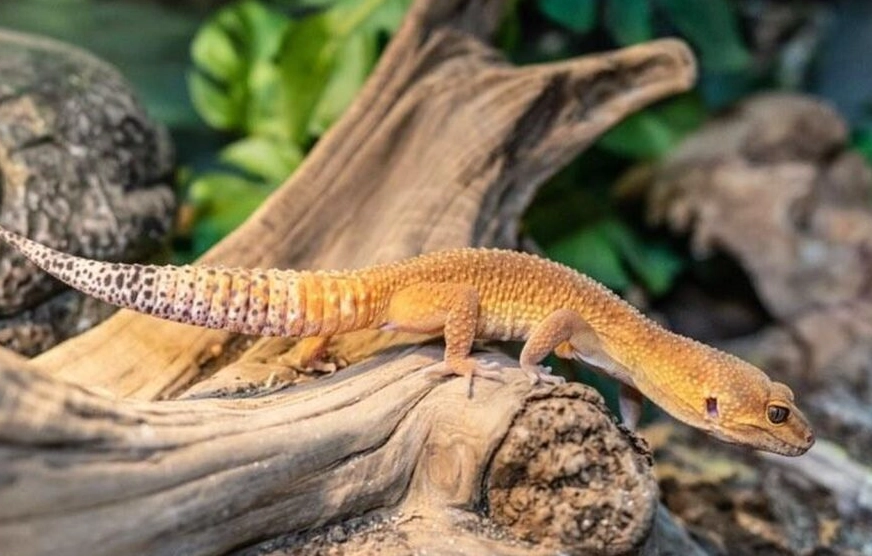
3. The Shedding Trap
Stuck shed seems minor. A little piece on a toe. But it acts like a tourniquet, cutting off circulation. Within days, the toe dies and falls off. This is painful and an open door for infection. If stuck shed occurs around the eyes, it can blind them. A blind gecko cannot hunt and will starve.
This points directly to humidity. A single water bowl does nothing for ambient humidity. They need a humid hide—a sealed container filled with damp sphagnum moss or paper towel—available at all times. Without it, every shed is a gamble.
4. The Wrong Heat (The Most Common Error)
Here's a non-consensus point you won't see everywhere: a heat mat alone is rarely enough. It only heats the floor of the hide. It doesn't warm the air or the gecko's core effectively when it's out and about. A gecko that can't properly thermoregulate has a sluggish metabolism. This leads to poor digestion, a weakened immune system, and susceptibility to every other problem on this list.
What's the fix? A low-wattage halogen bulb or deep heat projector on a thermostat, creating a true basking spot of 90-92°F at the surface. This provides Infrared-A and B, which penetrate tissue for better digestion and health. The heat mat can stay as supplemental belly heat, but it shouldn't be the primary source.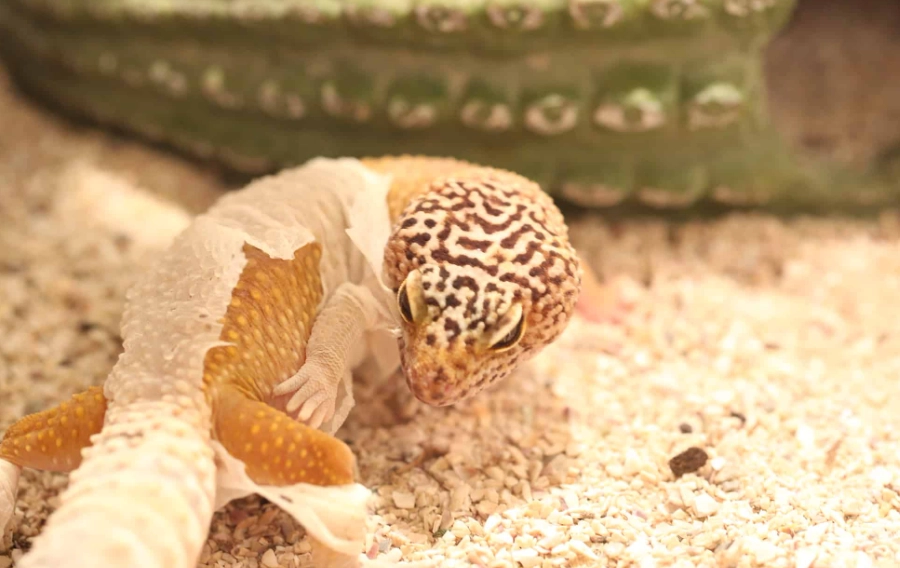
5. Cryptosporidiosis ("Crypto") and Other Infections
This is the nightmare scenario. Crypto is a highly contagious, often fatal parasitic infection. Symptoms include severe, rapid weight loss (a "stick tail" appearance), lethargy, and regurgitation. There is no reliable cure.
It spreads through fecal matter. Buying from a large-scale pet store or expo where animals are housed together dramatically increases risk. A gecko with crypto might live for a year or two with symptoms, slowly wasting away, often misdiagnosed as just "not eating well." It's a heartbreaking way to go and underscores the importance of quarantining any new reptile and buying from reputable, health-screened breeders.
Building Longevity: The Non-Negotiable Setup
Preventing an early death starts before you even get the gecko. It's about building a fortress of correct husbandry.
Tank: 20-gallon long minimum for one adult. Bigger is better.
Heat: Overhead basking source (halogen/DHP) on a thermostat creating a 90-92°F hot spot. A heat mat on the same side, also on a thermostat, set to 88-90°F.
Lighting: A low-output UVB lamp (like a ShadeDweller Arboreal 7% kit) is now considered best practice for 10-12 hours a day. It prevents MBD and improves overall wellness.
Hides: Three minimum. One in the hot end, one in the cool end, and a fully enclosed humid hide in the middle.
Substrate: For beginners, paper towel or slate tile. For experienced keepers, a 70/30 mix of topsoil and playsand works.
Diet & Supplements: Gut-loaded insects (crickets, roaches, mealworms). Dust with calcium WITH D3 at most feedings, and a quality reptile multivitamin with vitamin A (like Repashy Calcium Plus) 1-2 times a week.
This isn't a luxury setup. It's the baseline for a 15-year life.
When to Sound the Alarm: Vet Signs Most Owners Miss
Reptiles hide illness until they can't. By the time they look sick, they are very sick. Don't wait.
Go to a reptile vet (find one via ARAV) if you see:
• Weight loss, even with a good appetite.
• Lethargy that lasts more than a day or two.
• Pasty, chalky, or smelly urates (the white part of their poop).
• Swelling anywhere on the body.
• Breathing with an open mouth or wheezing.
• Any injury, no matter how small.
A yearly check-up with a fecal exam is a smart investment. It catches parasites before they cause damage.
Your Tough Questions Answered
Losing a pet after only five years is a painful lesson. But that knowledge doesn't have to be wasted. Understanding these specific, often subtle failures in care is the first step toward providing a truly thriving environment. Your next leopard gecko, or the one you still have, can live a long, healthy life. It starts with questioning the old norms and building an environment based on what they truly need, not just what they can barely survive.
Reader Comments