You hear it all the time: leopard geckos can live for 15 to 20 years in captivity. Maybe you've even heard whispers of some hitting 25 or 30. But here's the raw truth most care sheets gloss over—that "15-20 year" range isn't a promise. It's a potential ceiling. The average lifespan in a home terrarium is often much shorter, dragged down by common, preventable mistakes. I've kept and bred these animals for over a decade, and the difference between a gecko that taps out at 8 years and one that's still vibrant at 18 isn't magic. It's a series of deliberate, often overlooked choices. Let's break down the five pillars that actually determine your leopard gecko's lifespan.
What You'll Learn
The Foundation: Genetics and Your Gecko's Source
This is the hand your gecko is dealt before you even bring it home. Think of genetics as the hardware. You can't install a better processor later.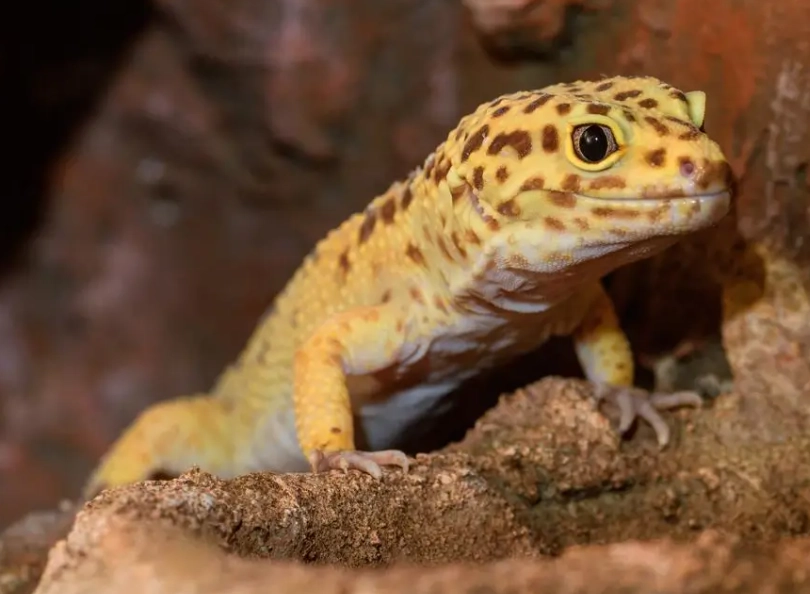
Where you get your gecko matters more than most realize.
| Source | Potential Lifespan Impact | Key Considerations |
|---|---|---|
| Reputable Breeder | Positive to Neutral | You can ask about lineage, health history of parents. Breeders often select for robust health. You know the exact hatch date. This is your best bet for maximizing genetic potential. |
| Pet Store (Big Box) | Negative | High risk of unknown lineage, potential inbreeding, early stress from mass housing. Often sold too young. You're rolling the dice. Many "pet store geckos" are resilient, but you start with unknowns. |
| Rescue/Rehome | Variable | Previous care dictates future. A gecko rescued from poor conditions may have underlying issues (MBD, organ stress) that limit its ceiling, even with perfect future care. A rewarding choice, but manage expectations. |
I made the pet store mistake early on. My first gecko, Sandy, was a classic "fancy" from a chain store. Sweet as could be, but she developed mysterious digestive issues by age 7 that my later, breeder-sourced geckos never did. The vet suspected a congenital weakness. You can't out-care bad genetics.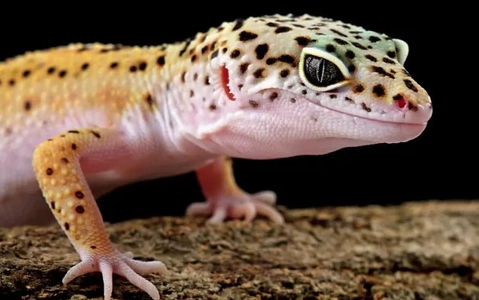
Nutrition: The Biggest Lifespan Killer Isn't What You Think
Forget spiders or snakes. The number one diet-related killer of leopard geckos is monotony coupled with poor supplementation.
The Mealworm Trap: It's convenient. They're quiet. But a diet of 90% mealworms is a slow-acting poison. Their high chitin shell is tough to digest, and their calcium-to-phosphorus ratio is awful. This directly leads to the two big lifespan shorteners: fatal impaction and severe Metabolic Bone Disease (MBD).
Building a Longevity Diet
Your feeder insects are only as good as what they eat. Gut-loading is non-negotiable. Feed your crickets, dubia roaches, and black soldier fly larvae a nutritious diet (commercial gut-load formulas, veggies like squash and sweet potato) 24-48 hours before offering them.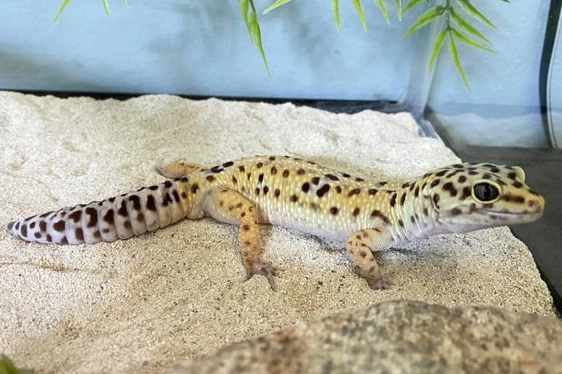
Supplementation isn't optional. You need two powders:
1. A pure calcium supplement (without D3) – This should be available in a small, shallow dish in the enclosure at all times. Geckos will self-regulate their intake, which is a game-changer for preventing MBD.
2. A calcium supplement WITH D3 and multivitamins – This is for dusting feeders. The schedule depends on age and lifecycle, but a general rule for adults: lightly dust feeders with this mix 1-2 times per week.
Variety is the shield. Rotate through:
Dubia Roaches: The MVP. Soft, great protein, easy to gut-load.
Crickets: Stimulating to hunt, decent nutrition.
Black Soldier Fly Larvae (Calciworms/BSFL): Naturally high in calcium.
Silkworms/Hornworms: Occasional hydrating treats.
An adult gecko only needs to eat 2-3 times a week. Overfeeding leads to fatty liver disease—another silent lifespan killer.
Environment: It's More Than Just a Heat Mat
Your tank setup either creates a low-stress sanctuary or a chronic stress chamber. Stress suppresses the immune system. A suppressed immune system loses fights against infections.
Tank Size: A 10-gallon tank is a life sentence for an adult. It's nearly impossible to create a proper thermal gradient. Minimum for one adult is a 20-gallon long tank. A 40-gallon breeder is ideal. More space means more choices for your gecko, less stress, more exercise.
The Thermal Gradient: This is critical for digestion and metabolism.
- Warm side: 88-92°F (31-33°C) on the floor under the hide. Use an under-tank heater (UTH) regulated by a thermostat. Heat lamps often dry out the air too much.
- Cool side: 70-77°F (21-25°C).
- Night temps can drop to the high 60s°F (~20°C).
Measure this with digital probe thermometers, not the stick-on dials.
Humidity & Hydration: Provide a humid hide (a small box with damp sphagnum moss) on the warm side for shedding. Ambient humidity should be 30-40%. Always have a shallow water dish with fresh water.
Substrate: Avoid loose sand, especially calcium sand—it's an impaction risk waiting to happen. For beginners and long-term safety, use paper towel, slate tile, or a non-particulate liner. Bioactive setups with proper soil mixes can work for experienced keepers.
Silent Killers: Common Health Issues That Shorten Lifespan
Catching these early is the difference between a treatable issue and a fatal one.
Metabolic Bone Disease (MBD): We've covered it. Soft, rubbery jaw, bowed legs, difficulty walking. It's 100% preventable with proper UVB lighting (a low-output 5-6% UVB tube is now recommended by many advanced keepers for D3 synthesis) or correct supplementation and diet. Once advanced, it's debilitating and often fatal.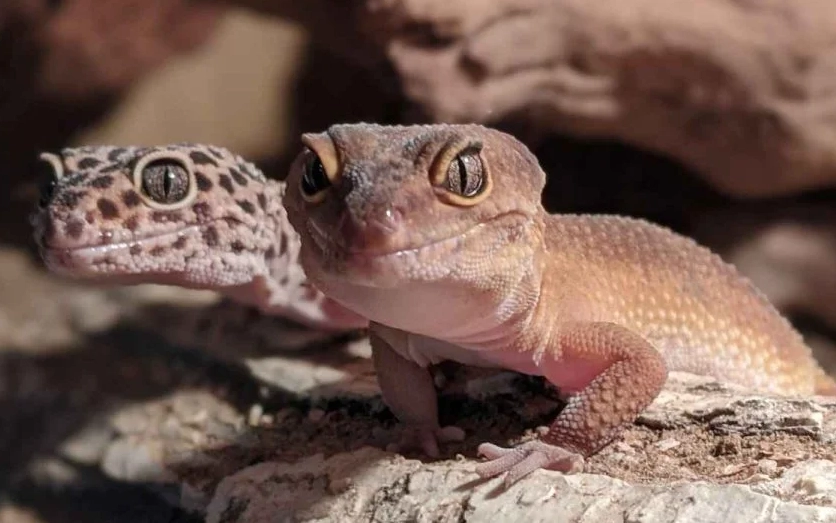
Impaction: A blockage in the gut. Caused by eating substrate, too many hard-shelled feeders, or low temps. Signs: no droppings, lethargy, a swollen abdomen. Prevention is key: proper temps, good diet, safe substrate.
Egg-Binding (Dystocia): A major risk for females, even those never paired with a male (they can lay infertile eggs). A stuck egg is a severe emergency. Ensure females have a lay box (humid hide with damp soil) and ample calcium. Spaying is a viable option for pet-only females.
Parasites & Infections: Stress opens the door. Quarantine new reptiles. Watch for lethargy, weight loss, or abnormal droppings. A fecal exam by a reptile vet is a good baseline for any new gecko.
A Real-World Longevity Case Study: Atlas
Atlas is my oldest. He turned 22 this year. His routine isn't complicated, but it's consistent.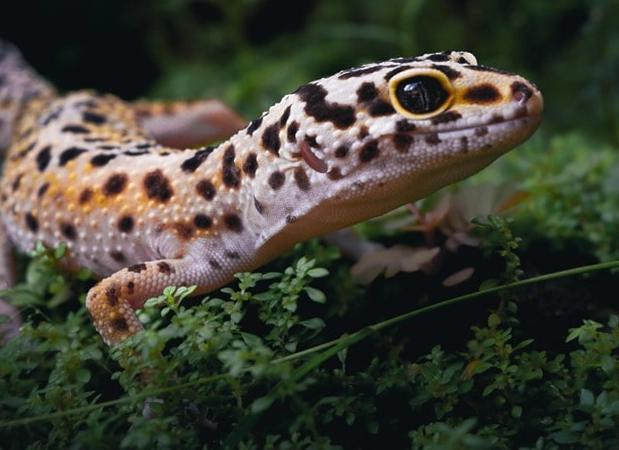
He lives in a 40-gallon breeder with a slate tile floor. His heat mat is on a thermostat, always at 90°F on the spot. He has three hides (warm, cool, humid). He gets a low-level UVB light for 10 hours a day.
He eats every 4-5 days. A couple of dubia roaches, maybe a cricket or two. They're always gut-loaded. He has a calcium dish he uses frequently. I dust with calcium+D3/vitamin mix once a week.
His water is changed daily. His tank is spot-cleaned immediately when he goes. Every month, it gets a full breakdown and clean.
That's it. No tricks. Just meeting his biological needs without cutting corners, for 22 years. He's slower now, but he still has a great appetite and bright eyes. That's the goal.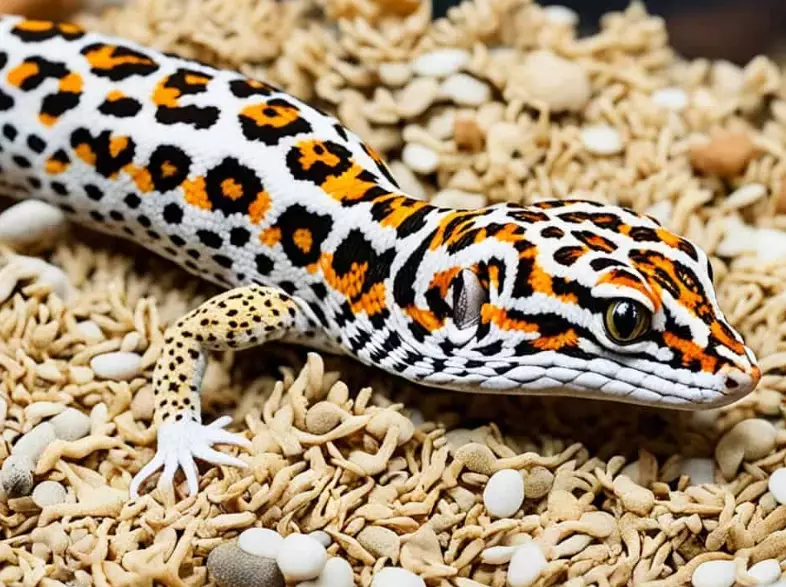
Your Lifespan Questions, Answered
The 20-year leopard gecko isn't an urban legend. It's the result of viewing their care not as a checklist, but as a holistic system. Genetics set the stage, but your daily choices on diet, temperature, and habitat are what write the final act. Start with a good foundation—a proper tank, a reliable thermostat, a variety of feeders. Be consistent. Listen to what your gecko tells you through its behavior and physique. That's how you turn a decade of potential into two decades of reality.
Reader Comments